
Scaling Meta Ads: What Actually Breaks When You Increase the Budget
 Digital PratikGrowth Marketing Consultant
 Four things break when you scale, and almost always in this order.
Trust breaks first, because more spend means colder and more sceptical people.
Creative coverage breaks second, because you run out of cohorts.
Cash breaks third, because more clients means more money tied up before payback.
Delivery breaks last and hurts most.
Diagnosing which one you are on decides the fix.
Scaling paid ads is not a volume knob. It is a series of ceilings, and each one has a different cause and a different fix.
The reason "just increase the budget" so often produces a worse result is that people turn the dial into a ceiling they have not identified.
Ceiling one: trust
The first thing that gives is trust, and it gives quietly. Early spend reaches the warmest edge of your market, people who half know you or are actively looking.
As you spend more you reach colder, more sceptical people who have never heard of you and have been sold to badly before.
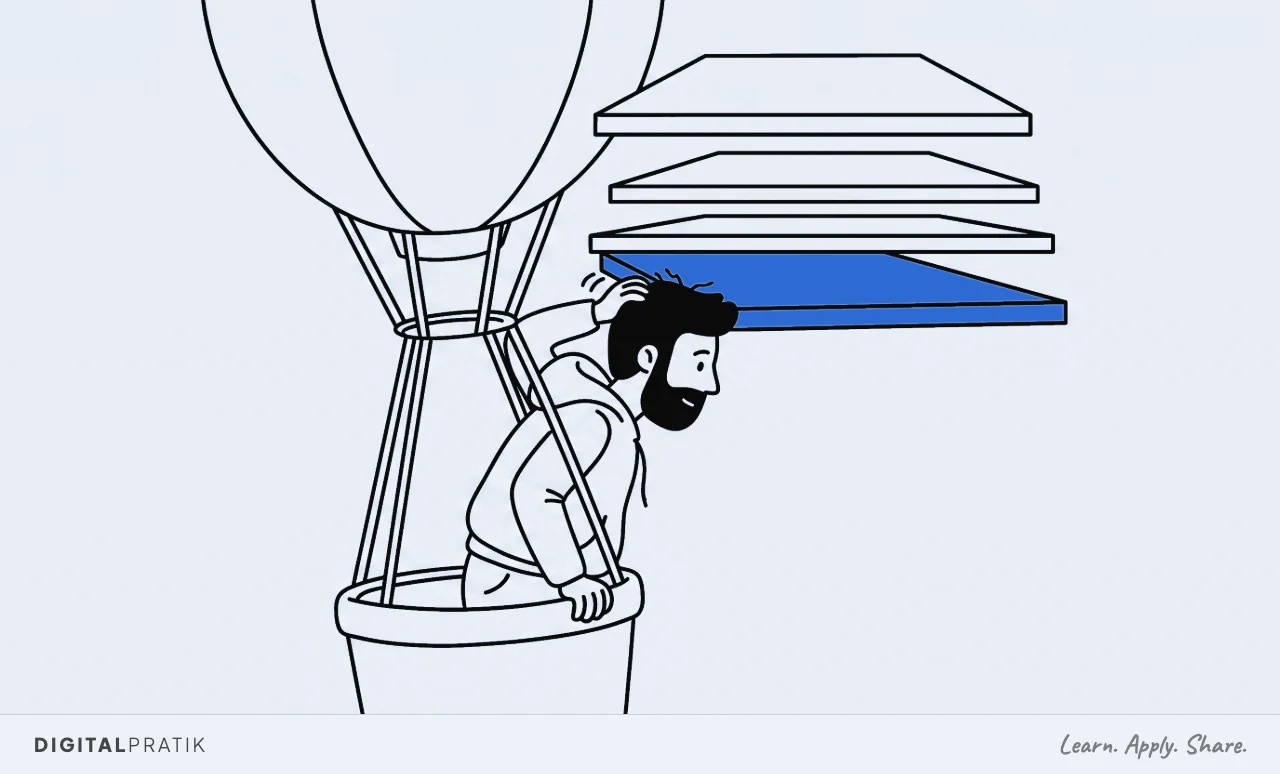
The same ad that worked on the warm edge does not carry a stranger. Your cost per result climbs and it looks like the platform got worse.
It did not. The audience got harder.
The fix is proof, not a louder promise. Everyone in your market promises the same outcome, so your promise is not what differentiates you.
Your proof is. I go into that properly in proof beats promise.
Ceiling two: creative coverage
The second ceiling is that you have run out of people to speak to specifically. Every cohort you wrote an ad for has now seen it, and the ads are running against an audience that has already made up its mind.
This is not creative fatigue in the general sense, and the standard fix of "make a fresh ad about the same thing" produces the same decline a fortnight later. The fix is a new cohort, not a new design.
I have written that up separately in why ads stop working after two weeks.
Ceiling three: cash
This is the one that kills businesses whose ads are working. Scaling means more clients, and more clients means more money spent before any of it comes back.
If it costs you $500 to win a client who pays you back over two months, then ten clients a month means $5,000 out and a two-month gap. Thirty clients a month means $15,000 out.
The ads did not fail. You ran out of float.
This is why the payback window matters more than the cost per client, and why shortening it is often a bigger lever than reducing acquisition cost. That gets its own article in the payback window.
Reading about a system and running one are different jobs. If your business does AED 10 million a year or more, this is what a working session looks like.
Ceiling four: delivery
The last ceiling is the one nobody plans for. You win the clients, and then you cannot serve them properly.
Doubling spend into a delivery bottleneck is how a good business acquires clients it then fails. You get refunds, bad reviews and a reputation problem that costs far more than the ads earned.
Adding leads to a capacity problem is gasoline on a flooded engine.
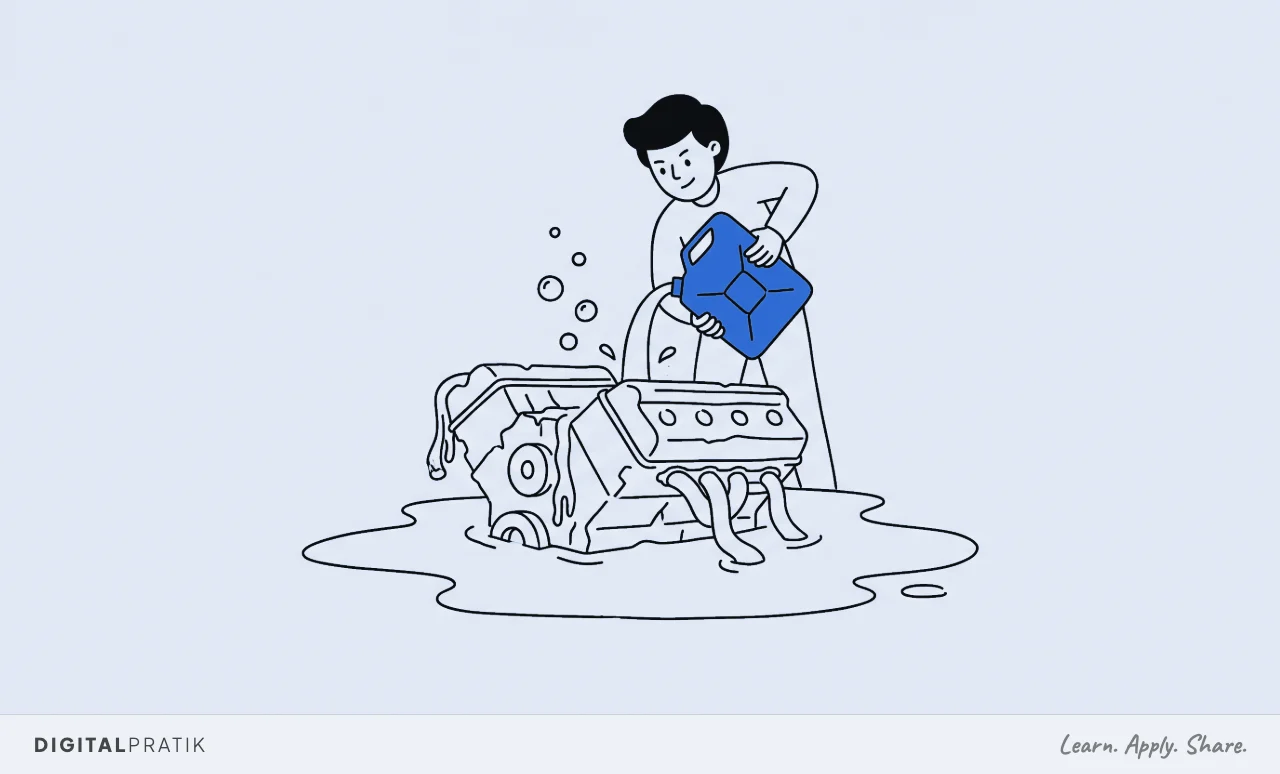
If you are here, the constraint is not marketing at all. It is the business behind the marketing, and pouring more traffic in makes it worse rather than better.
| What you see | What it actually is | |
|---|---|---|
| Trust | Cost per result climbs steadily | Colder audience, not enough proof |
| Creative | Cost jumps, frequency climbs | Cohorts exhausted |
| Cash | Everything works, bank account tightens | Payback window too long |
| Delivery | Clients coming in, quality dropping | Capacity, not marketing |
How to actually increase spend
Not in one jump. A large sudden increase resets the learning and gives you a week of expensive noise before anything is readable.
- Increase in steps, and let each step run about ten days before judging it.
- Watch cost per real outcome, not cost per click and not the platform's reported return.
- Add cohorts as you add budget. More money against the same three angles just raises frequency.
- Check the bank, not just the dashboard. Profitable and solvent are different questions.
- Ask delivery whether they can take it before you commit, not after.
The allocation that keeps it sane
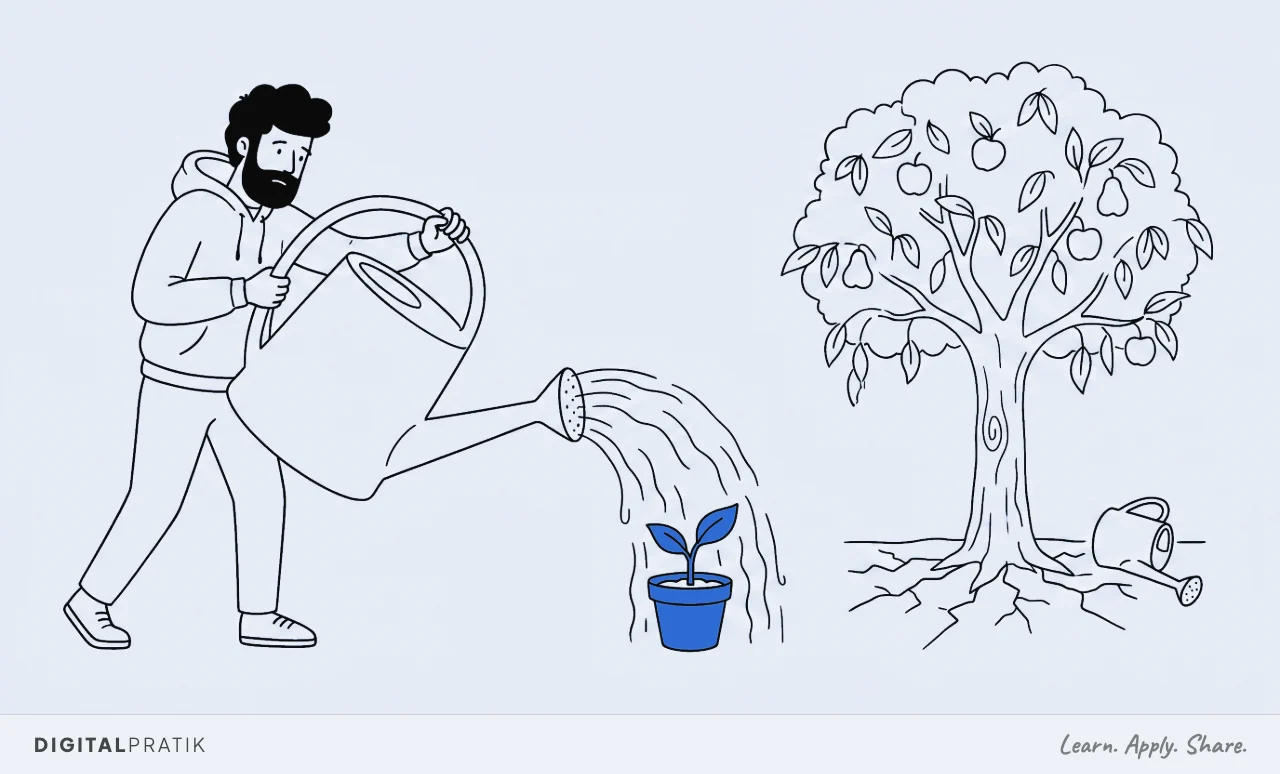
A rule of thumb I use for both time and budget: roughly seventy percent on the main thing that is proven to work, twenty percent on close variations of it, ten percent on genuinely new ideas. Do the seventy first.
The ten percent is where the next winner comes from, but only after the boring part is handled.
Most people invert this. They spend most of their energy on new concepts because new is more interesting than reworking something that already succeeded, and then wonder why the account never compounds.
Sometimes nothing is broken
Worth saying, because the whole article has been about what goes wrong. If your return is genuinely strong and you have real capacity to fill, the answer is often just: spend more.
People get so cautious about scaling that they leave obvious money on the table for a year.
A waitlist is only a good idea if people pay to be on it. Otherwise it is an elaborate way of telling a ready buyer to go away.
Frequently asked questions
Because more spend reaches colder and more sceptical people who have never heard of you. The ad that worked on your warmest audience does not carry a stranger. That is a proof problem rather than a targeting or budget problem, and the fix is evidence in the creative rather than a bigger promise.
In steps rather than one jump, giving each step about ten days before judging it. A large sudden increase resets the platform's learning and buys you a week of expensive noise. Add new cohort creatives as you add budget, because more money against the same angles just raises frequency.
Yes, and it happens constantly. Every new client ties up acquisition cost until they pay it back, so scaling multiplies the amount of cash sitting in that gap. Shortening the payback window, usually by taking more of the fee upfront, is often a bigger lever than reducing cost per client.
Scaling into a delivery bottleneck. Winning clients you cannot serve properly produces refunds, bad reviews and reputational damage that costs more than the ads earned. If capacity is your real constraint, more traffic actively makes the business worse.
Roughly seventy percent on the main proven thing, twenty percent on close variations of it, and ten percent on genuinely new concepts. Do the seventy first. Most people invert it because new ideas are more interesting than reworking a winner, and their account never compounds as a result.
Install this in your business
An article gives you the map. A working session gives you the system, built around what you actually sell and who actually buys it.