The Five Stages of Market Awareness: Why Targeting Unaware Buyers Is the Highest-Leverage Meta Ads Play for Service Businesses
 Digital PratikGrowth Marketing Consultant
 The five market awareness stages are unaware, problem aware, solution aware, product aware, and most aware. Most service businesses run ads only at the bottom two stages, fighting over a tiny fraction of the market. The real scaling opportunity is in the unaware and problem aware majority, where the pool of potential buyers is largest and where almost no competitor is showing up with the right message.
Here is the pattern I see with almost every service business running Meta ads. They build campaigns targeting people who already know they want a solution.
They retarget website visitors. They go after lookalikes of past buyers.
And then they wonder why the ads stop working after a few weeks and why scaling feels impossible. The problem is not the ads.
It is the slice of the market they are targeting. If you only go after people who already know they want what you sell, you are competing over a small, expensive, and exhaustible pool.
There is a much larger game available, and almost nobody is playing it.
The Five Stages Every Buyer Goes Through Before They Purchase
This framework is the backbone of contextual messaging. Everything about hooks, creative testing, and ad fatigue sits on top of it.
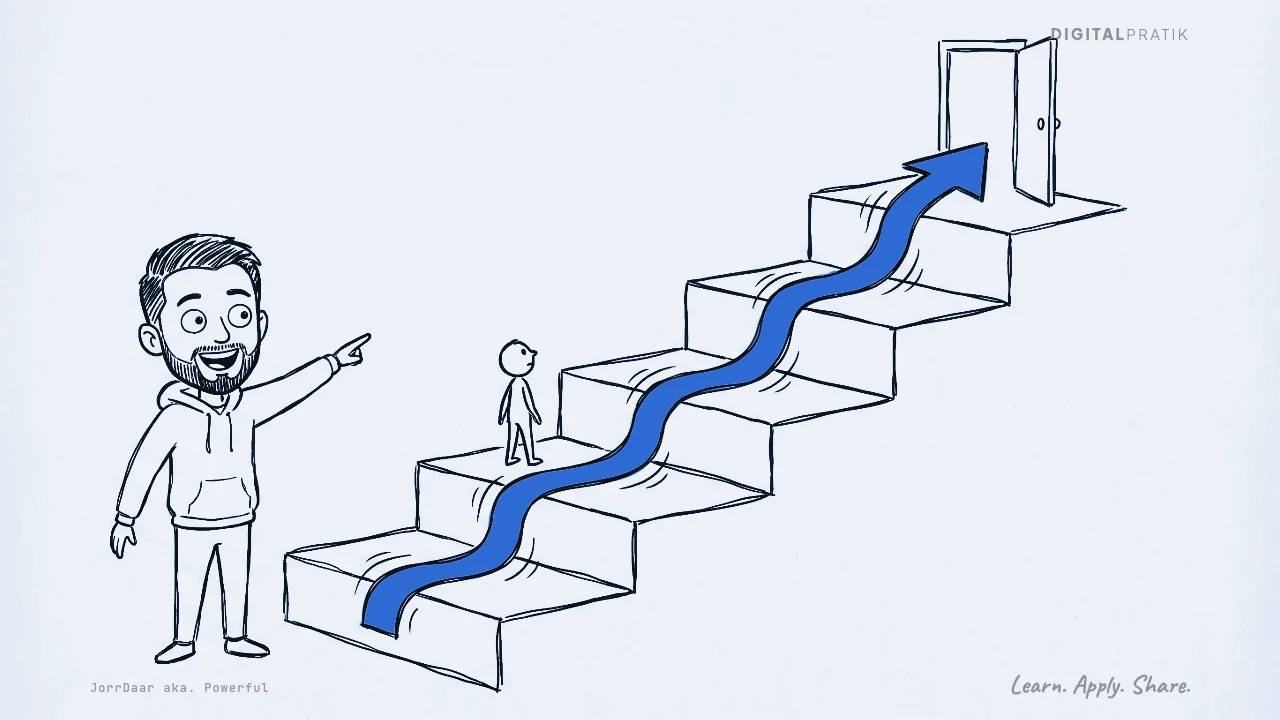
Every person who could potentially buy from your service business is sitting at one of five awareness stages right now. Your job as a marketer is to figure out which stage they are at and write an ad that speaks directly to where they are, not where you want them to be.
The match between your message and their awareness level is what determines whether the ad lands or gets scrolled past.
- Unaware. They do not know they have a problem. The pain may exist, but they have not labelled it yet. They are not searching for anything.
- Problem aware. They feel the pain. They know something is off. But they do not know a solution exists, so they are not looking for one.
- Solution aware. They know solutions exist. They have heard of the category. But they do not know your specific service or brand.
- Product aware / brand aware. They know you specifically. They may have visited your site, seen your content, or heard your name somewhere.
- Most aware. They are ready. They just need the right offer and a reason to move now.
Where Most Service Businesses Actually Run Their Ads
The honest answer: stages four and five. Brand aware and most aware.
Retargeting audiences, warm lists, people who already follow you or visited your site. These audiences convert because the buyer already knows who you are.
But they are also tiny. You are not scaling.
You are harvesting. And once you exhaust that warm pool, the numbers start looking bad and you start blaming the algorithm.
The algorithm is not the problem. You have simply run out of ready buyers and have no system to bring cold ones in from the top of the ladder.
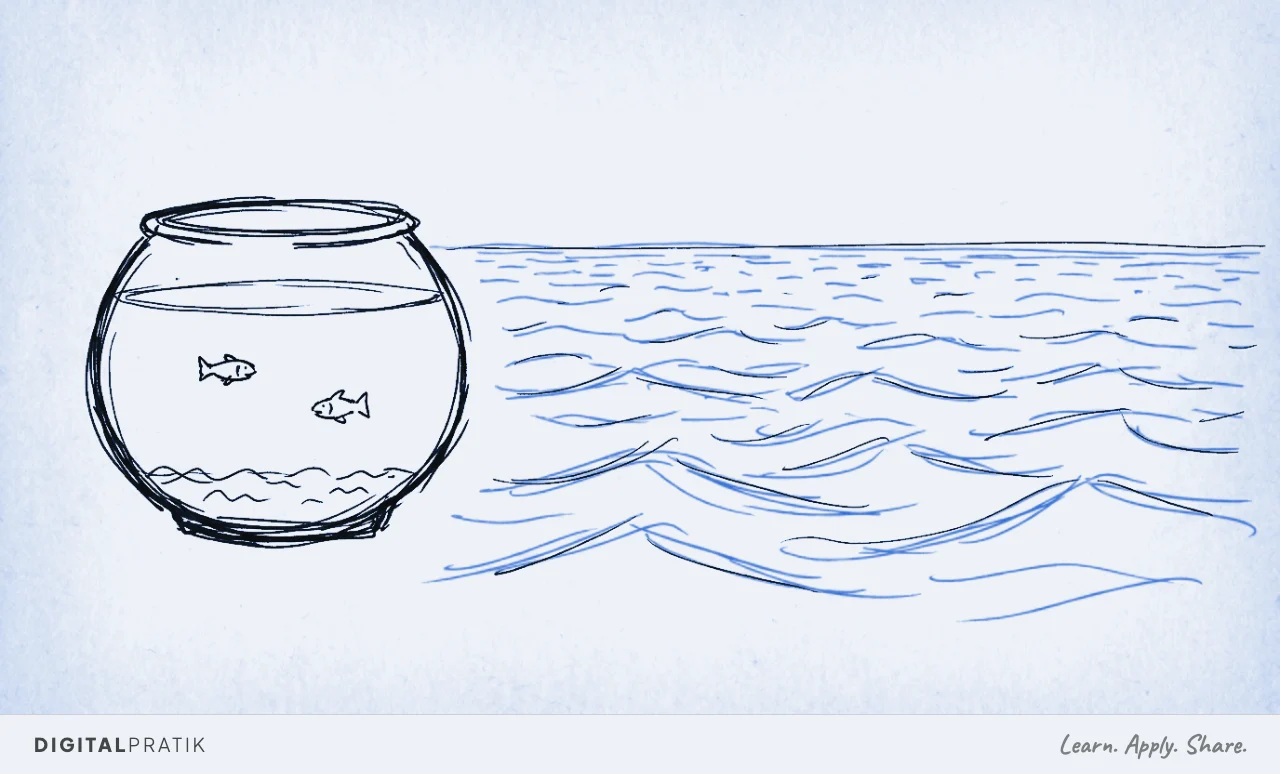
The Unaware Majority Is the Biggest Pool You Are Not Touching
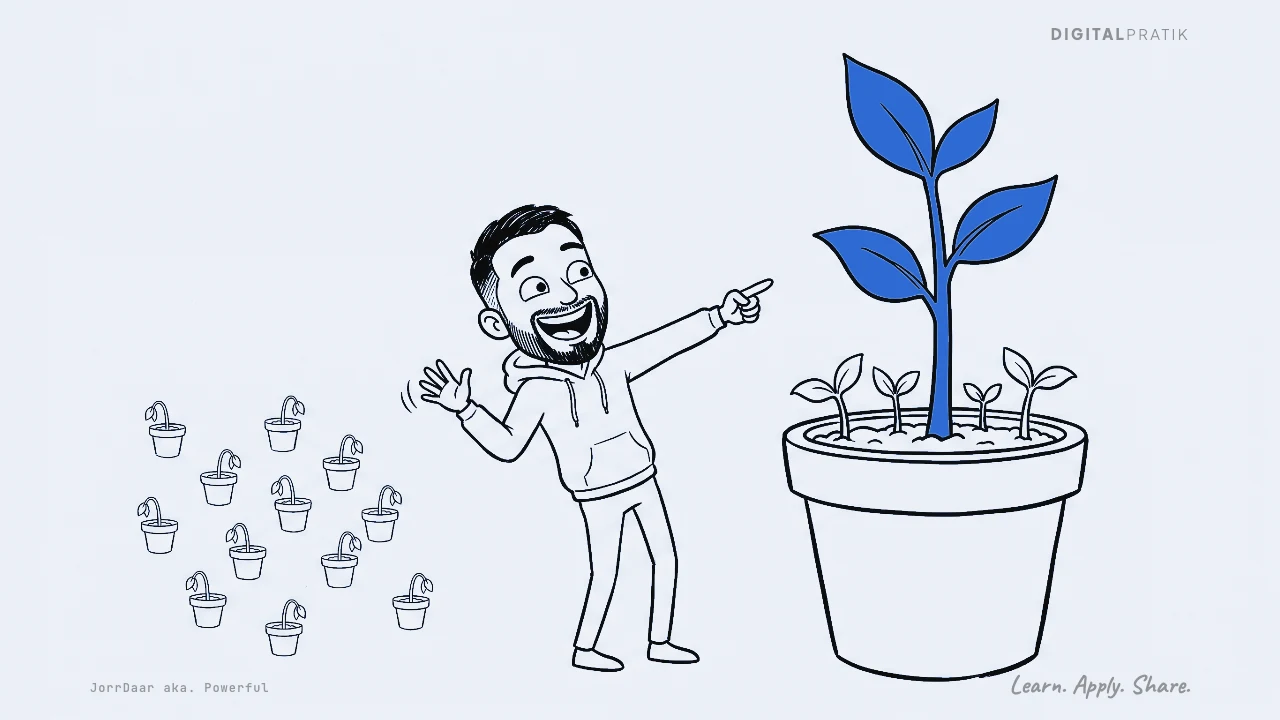
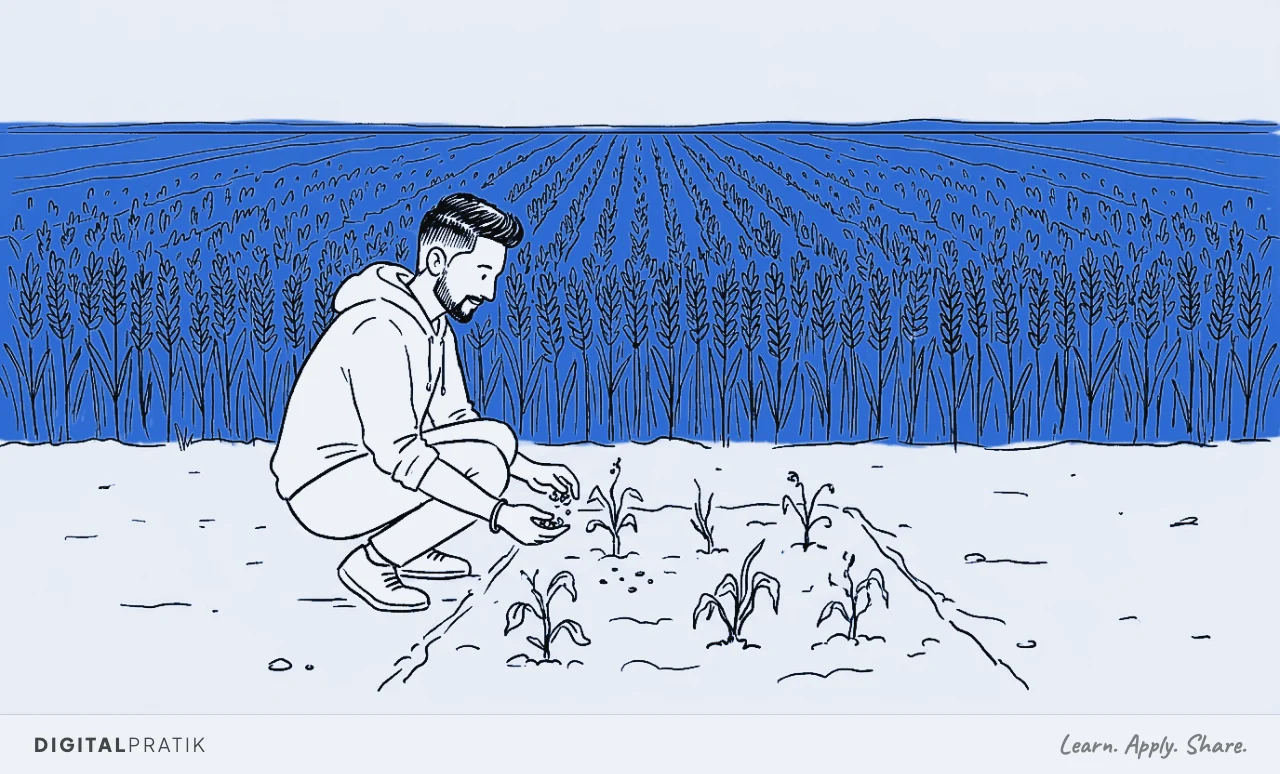
In any market, the unaware and problem aware audiences are always the largest segments. These are people who have the exact life situation that leads to needing your service, but they have not connected the dots yet.
They are not searching on Google. They are not clicking competitor ads.
They are scrolling, consuming content, living their life. This is exactly where Meta ads have a real structural advantage over search.
You do not need someone to be actively searching. You can reach them where they already are, if you write the right message.
That is the opportunity most service businesses are walking past every day.
Contextual Messaging: What It Actually Means
Contextual messaging means your ad is written for a specific awareness stage, not for everyone at once. A message written for a most-aware buyer will completely confuse an unaware one.
An unaware person sees an ad for your consulting service and thinks, "This has nothing to do with me." Not because they would not benefit from it. Because the message assumed they already knew they had a problem.
Contextual messaging closes that gap. You match the depth of your ask to the depth of the buyer's awareness.
The further left they are on the ladder, the softer and more identity-based your message needs to be before you can ask for anything.
How to Write the Hook for an Unaware Audience
This is the hardest creative to write, and it is also the most valuable. An unaware person will never stop for an ad that opens with a product claim or a category name they do not recognize.
You have to meet them at their identity or their current life situation. The hook is the only thing that matters at this stage.
If the hook does not make them stop, nothing else gets read. Think about what their day looks like before they know they have a problem.
What do they believe? What do they tell themselves?
What role do they play? That is where the hook lives.
Every hook formula, every YouTube title you have ever found useful, starts from this same place: the person, not the problem.
- Call out an identity. Name the person, not the problem. "If you run a service business in Dubai" stops the right person without mentioning what you sell.
- Describe the situation without labelling it. Show what their day looks like, what they are tolerating, what they have accepted as normal. Let them connect the dots themselves.
- Introduce a new mechanism. Give them a concept they have not heard before. Something that makes them think, "I have never seen it framed that way." Curiosity at this stage is more powerful than clarity.
Problem Aware: Name the Pain Without Naming the Solution
Problem aware audiences know something is wrong. They feel the friction.
They have the headache. But they have not gone looking for help yet, because they do not know help exists in the form you offer.
Your ad for this stage needs to name the pain clearly enough that they feel seen, but not jump straight to your service. If you open with "book a call with our agency," they are not ready.
They do not know yet why that is the answer. Spend the hook and the first few lines naming exactly what they are going through.
Make them feel understood before you make any ask at all. That sequence, recognition first and offer second, is what makes a problem-aware buyer keep reading.
Reading about a system and running one are different jobs. If you are a founder doing $50k a month or more, this is what a working session looks like.
Solution Aware: This Is Where You Introduce a New Mechanism
A solution aware buyer has looked around. They have probably tried something.
Maybe they ran ads themselves. Maybe they hired someone and got average results.
They know solutions exist. They are just not convinced yours is different.
This is where a new mechanism becomes the right creative tool. Instead of saying "we run better ads," you show them a way of thinking they have not encountered before.
You give the approach a name. You show them why what they tried before was incomplete, and why this specific framing changes the result.
That reframe is what makes a solution-aware buyer stop and pay attention. You are not just another option.
You are a different category.
The Emotion Baiting Principle From Our Agency Playbook
Inside our agency playbook, built on direct-response creative principles, there is a concept we use called emotion baiting. The idea is straightforward.
Emotion-first hooks outperform pure logic-first hooks when scaling cold audiences. The hook needs to create a feeling before it explains anything.
Curiosity, recognition, mild discomfort, the sense that you are missing something important. These emotional states are what stop the scroll.
Once the scroll is stopped, the body copy does its job and walks the reader toward the next step. Writing a hook that only describes what you do is not a hook.
It is a headline. On a cold audience that does not know you, a headline rarely wins.
Brand Aware and Most Aware: Stop Treating Retargeting as Your Whole Strategy
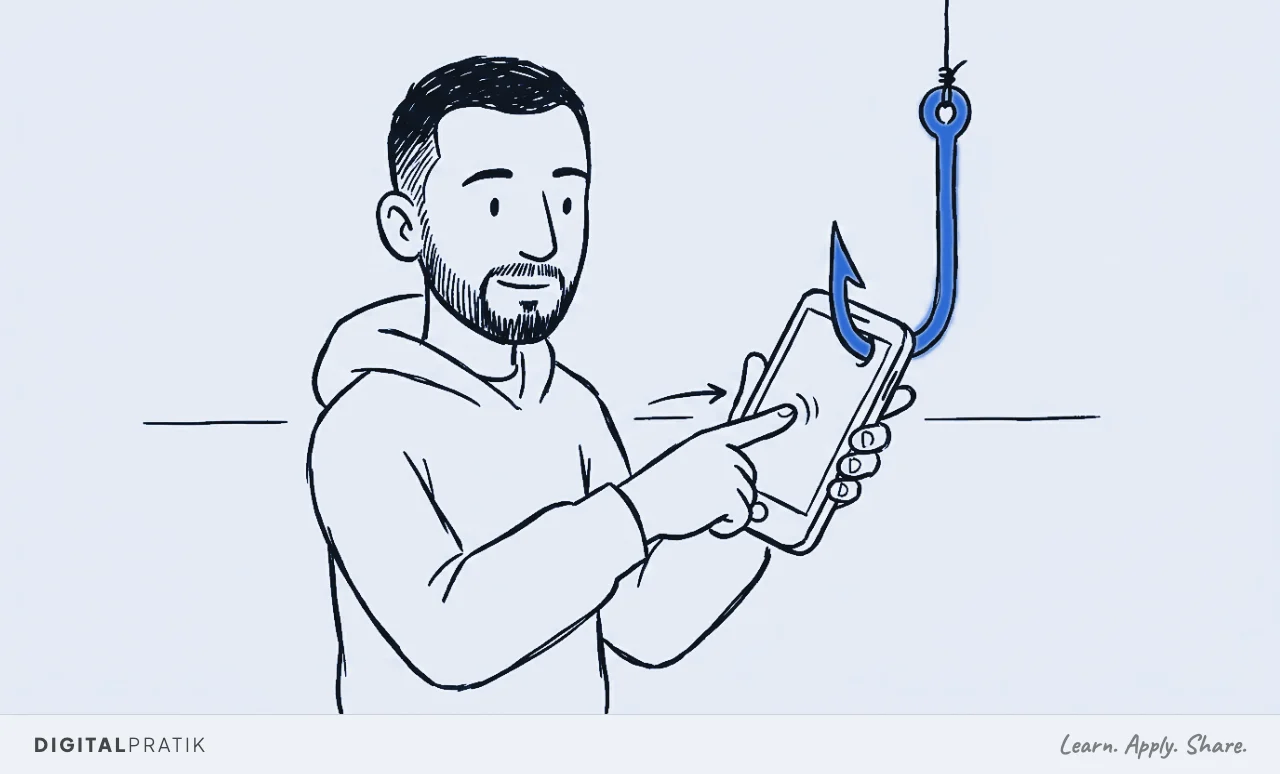
Retargeting is not a strategy. It is a closer.
It works when you have already built awareness upstream. Brand aware and most aware audiences convert well because someone did the heavy lifting earlier in the funnel.
If your entire Meta ads account is retargeting and lookalikes, you are not building a business. You are running a harvesting operation.
The moment that warm audience dries up, you have no pipeline. The businesses that actually scale on Meta build a machine that takes cold, unaware people and moves them through the stages over time.
Retargeting just closes what the cold campaigns opened. Both parts have to exist.
Why Your Ads Fatigue Faster Than You Think They Should
Ad fatigue is usually blamed on frequency. Show the same ad to the same person too many times and they stop responding.
That is true. But there is a second cause that almost nobody talks about.
When you only target the bottom two stages, you exhaust that small audience fast. The pool is small, frequency rises quickly, and returns drop.
Expanding your creative strategy to include unaware and problem aware stages does two things at once. It gives your ads access to a much larger audience.
And it introduces people to your brand before they are in buying mode, which means your retargeting pool grows naturally as a byproduct of running cold campaigns well.
How to Build a Simple Creative Map Across All Five Stages
You do not need a complicated campaign structure. You need a creative map that makes sure no stage is left empty.
Start by writing one ad for each awareness stage. Five ads.
That is it. Test the hooks first, because the hook is what determines whether the right person stops scrolling.
Use YouTube titles, article headlines, and short video openers as inspiration for hook structures. Once you have tested the hooks, build the body copy and the offer for each stage.
Then run them and watch which stages convert at what cost. If you want a full creative audit on your current account, you can work with me directly.
- Stage 1, Unaware: identity hook. Lead with who they are, not what they need. No product mention in the first three seconds or first two lines.
- Stage 2, Problem aware: pain hook. Name the exact frustration they are living with. Show them you understand before you offer anything.
- Stage 3, Solution aware: new mechanism hook. Give the approach a name. Show why what they tried before was not wrong, just incomplete.
- Stage 4, Product aware: differentiation hook. Say clearly what makes your approach different from others they may have already considered.
- Stage 5, Most aware: offer hook. Give them a reason to move now. This is where the call to action, the specific outcome, and any urgency live.
Frequently asked questions
The five stages are unaware, problem aware, solution aware, product aware or brand aware, and most aware. Each stage represents how much the person knows about their problem and about your service. Your ad creative needs to match the stage the person is at, or it will not land with them.
Unaware audiences are the largest segment of any market. If you only target ready buyers, you are competing in a small and expensive pool that exhausts quickly. Reaching unaware people early means you build familiarity before they are in buying mode, which makes your retargeting and conversion campaigns far more effective later on.
Lead with an identity or a life situation the person already recognizes, not a product claim or a category name. The goal is to make them think, "Wait, that is me," before you introduce any problem or solution. Curiosity and recognition stop the scroll at this stage. Logic and product features do not.
Contextual messaging means writing your ad for a specific awareness stage rather than for a general audience. A message written for a most-aware buyer will not make sense to someone who has never thought about the problem. The further left someone is on the awareness ladder, the more identity-based and softer your message needs to be before any ask is made.
The main cause is targeting only the bottom two awareness stages, which means you are reaching a small audience repeatedly. Frequency climbs fast and results drop. Expanding your creative strategy to cover unaware and problem aware stages gives you a much larger audience to work with and naturally keeps your warm retargeting pool growing over time.
Install this in your business
An article gives you the map. A working session gives you the system, built around what you actually sell and who actually buys it.