
Payback Window: The Number That Decides How Fast You Can Grow
 Digital PratikGrowth Marketing Consultant
 The payback window is how long a client takes to return the money you spent acquiring them.
It decides how much cash is tied up as you scale, which means two equally profitable businesses can have completely different growth speeds.
Shortening it, usually by taking more of the fee upfront, is often a bigger lever than reducing what it costs to acquire a client at all.
Here are two businesses. Both spend $500 to win a client.
Both win twenty clients a month. Both are genuinely profitable.
One of them can grow quickly and one of them cannot, and the difference has nothing to do with marketing.
The arithmetic
You spend $500 to acquire a client who pays $250 a month. You are paid back in two months, and everything after that is profit.
Good business.
But for those two months, that $500 is gone from your account. Now scale it.
Twenty clients a month means $10,000 leaving every month, and roughly two months before any given cohort has repaid you. At a steady state you have around $10,000 permanently in flight.
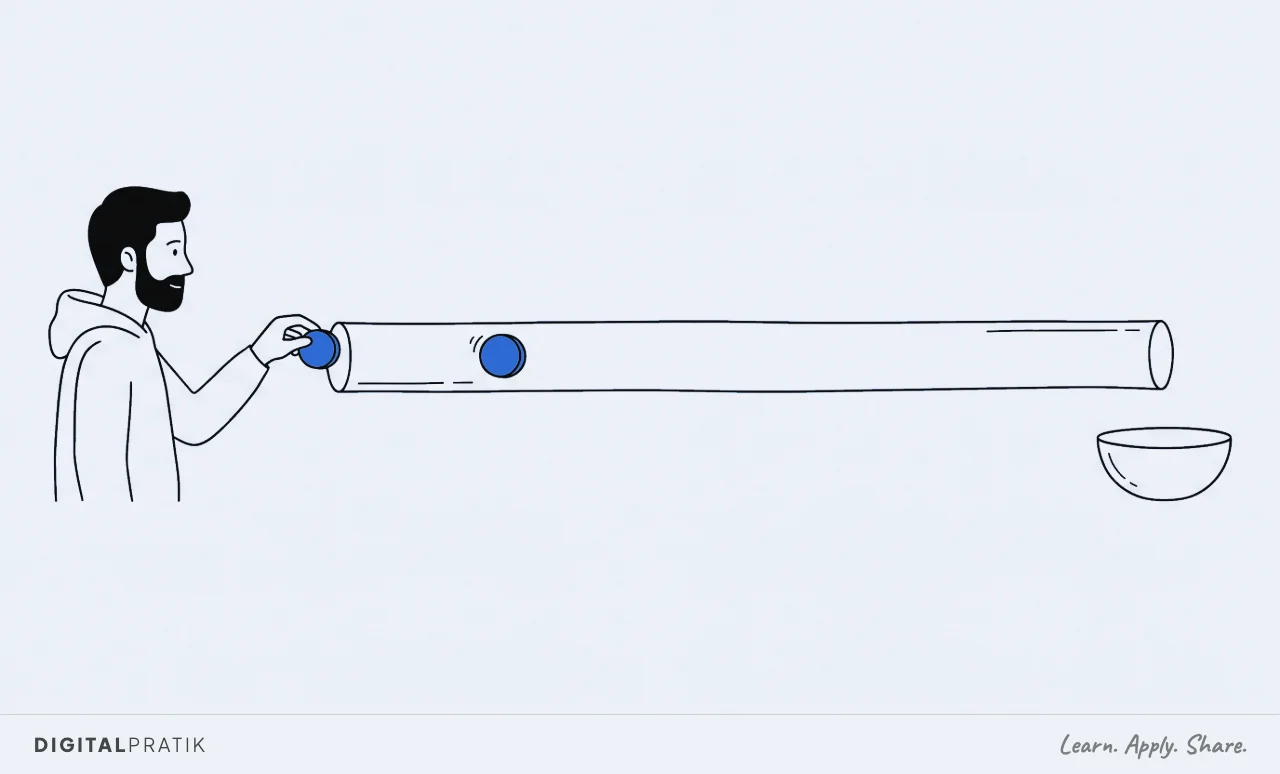
Change one thing. Same cost, same clients, but now they pay $85 a month instead.
Payback stretches to six months. Same profitability over the life of the client.
But now roughly $60,000 is tied up at steady state instead of $10,000.
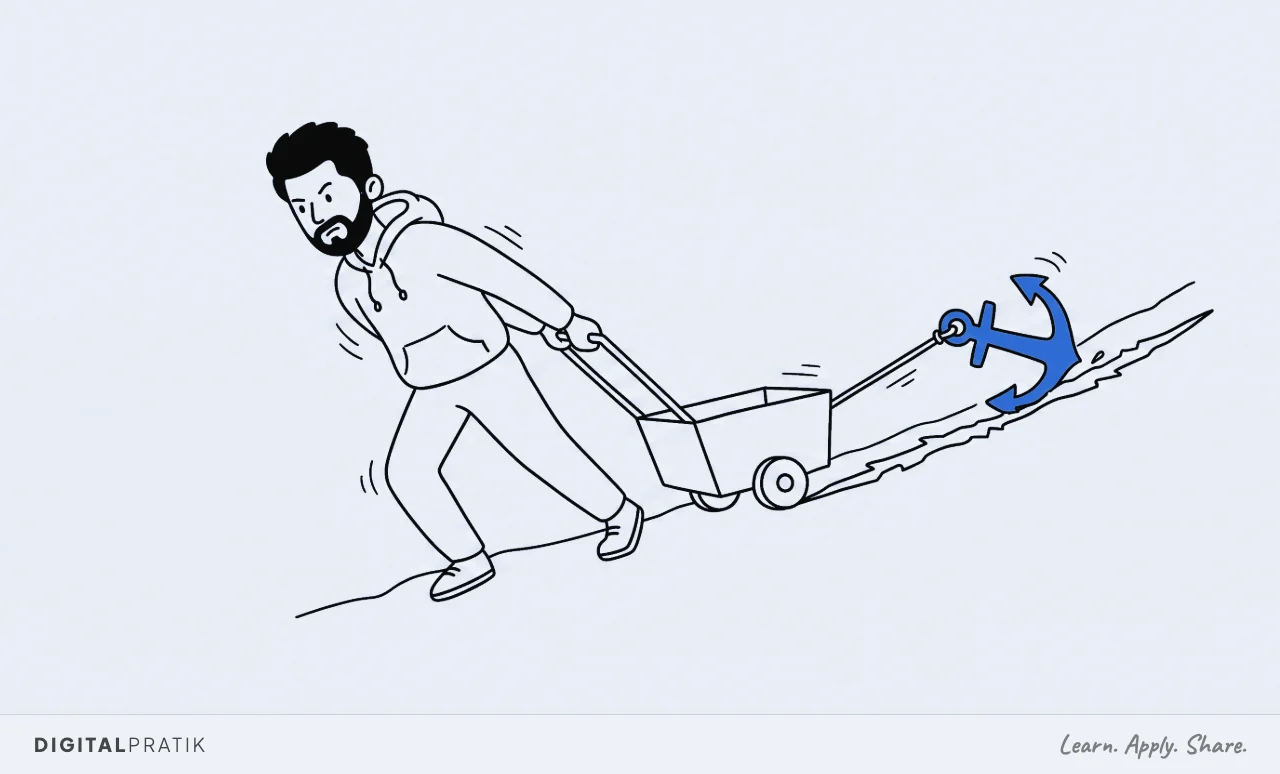
| Fast payback | Slow payback | |
|---|---|---|
| Cost per client | $500 | $500 |
| Clients per month | 20 | 20 |
| Months to repay | 2 | 6 |
| Cash in flight | About $10,000 | About $60,000 |
| Can it grow fast? | Yes | Only with outside money |
Neither business is unprofitable. One of them simply cannot afford to grow with its own money, and the founder will experience that as "the ads stopped working" or "we are always broke despite being busy".
Why this gets missed
Because profit and cash are different things and most founders track only one. A profit and loss statement will tell you the business works.
It will not tell you that you cannot fund next month.
This is the actual reason growing businesses run out of money, and it feels deeply unfair when it happens, because everything on the dashboard was green.
Reading about a system and running one are different jobs. If your business does AED 10 million a year or more, this is what a working session looks like.
How to shorten it
This is the practical part, and most of it is offer design rather than finance.
- Take more upfront. The simplest lever by far. A deposit, a setup fee, a first month at a higher rate. Payback shrinks immediately.
- Offer an annual option at a discount. A year paid in advance turns a six-month payback into an instant one. The discount usually costs less than the financing it replaces.
- Sell something small first. A low-ticket offer that covers part of the acquisition cost before the main sale.
- Bill in advance, not in arrears. A default nobody questions, worth a month of cash on its own.
- Add something at the point of sale. Attaching a smaller recurring item to the main purchase lifts the value of the first transaction.
What the window does to your growth ceiling
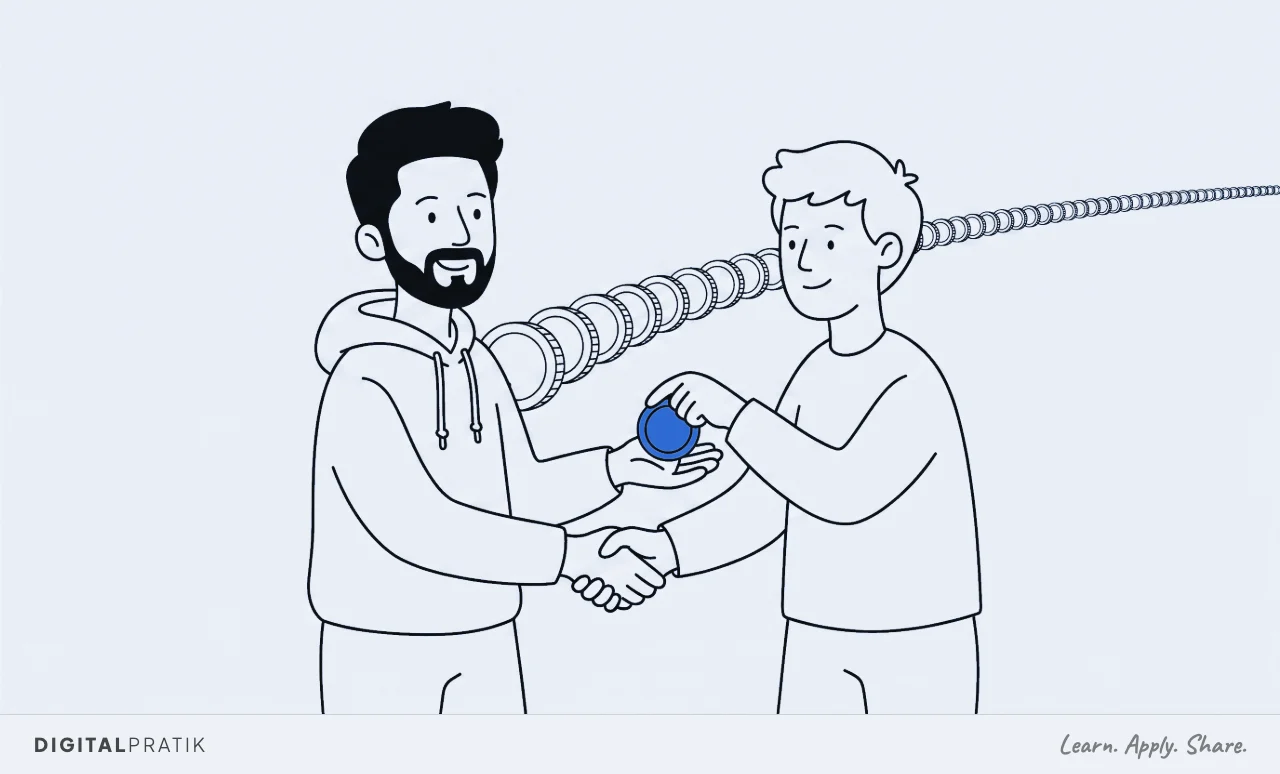
The payback number is not a reporting line. It decides how fast you are allowed to grow, and here is the arithmetic that shows why.
Say a client costs 1,000 to acquire and pays you 400 a month. Your payback window is two and a half months.
Now say you have 10,000 of cash you can put at risk. That funds ten clients, and then you are out of money until the earliest ones start paying you back.
Now halve the window. Same client, same 400 a month, but you restructure so the first payment is larger or arrives sooner, and payback lands at about five weeks.
The same 10,000 now cycles roughly twice as fast, so across a year that cash buys close to twice as many clients.
| Two and a half months | Five weeks | |
|---|---|---|
| Cost to acquire | 1,000 | 1,000 |
| Cash you can risk | 10,000 | 10,000 |
| Clients funded at once | 10 | 10 |
| How often that cash recycles | slower | about twice as fast |
| Clients over a year | x | roughly 2x |
Nothing in that table required more budget, a better ad, or a higher price. It is the same business with the money moving faster.
Which is why founders who only watch cost per acquisition end up confused. They cut acquisition cost by a fifth and feel clever, while the person next to them halved their payback window and quietly doubled their growth rate on the same cash.
How this changes your ad decisions
Once you know your payback window, the question "can I increase spend" gets an actual answer instead of a feeling.
If payback is short you can be aggressive, because money comes back before you need it again. If payback is long, every increase in spend has to be funded from somewhere, and the honest options are outside money, a shorter payback, or slower growth.
Pretending there is a fourth option is how businesses fail while succeeding.
Where it sits with the other numbers
Three numbers together tell you almost everything. What a client is worth against what they cost, which is your LTV to CAC ratio, and tells you whether the model works.
Payback, which tells you how fast you can run it. And your delivery capacity, which tells you when to stop.
Most founders track the first one occasionally and the other two never.
Work yours out today
Take the total you spent on marketing last quarter and divide by the number of clients it produced. That is your acquisition cost, roughly, and roughly is fine.
Then take what a client actually pays you in month one, month two, month three, in gross profit rather than revenue. Count forward until the running total passes your acquisition cost.
That month is your payback window.
It takes about fifteen minutes and it is usually longer than people expect. That mild shock is the useful part.
Frequently asked questions
It is how long a client takes to repay the money you spent acquiring them, measured in gross profit rather than revenue. It determines how much cash is tied up as you scale, which is a different question from whether the business is profitable.
Because profit and cash are different things. Every new client ties up their acquisition cost until they pay it back, so growing multiplies the amount of money sitting in that gap. The profit and loss statement stays green while the bank account empties.
Take more of the fee upfront through a deposit or setup fee, offer an annual option at a discount, sell something small before the main offer, bill in advance rather than in arrears, and attach a smaller recurring item at the point of sale. Most of the levers are offer design rather than finance.
Often, yes. Two businesses with identical acquisition costs and identical profitability can have completely different growth speeds purely because of payback. Shortening it is frequently a bigger and faster lever than reducing what it costs to acquire someone.
Divide last quarter's total marketing spend by the number of clients it produced to get a rough acquisition cost. Then add up the gross profit a client generates in month one, month two and so on until the running total passes that cost. The month it passes is your payback window.
Install this in your business
An article gives you the map. A working session gives you the system, built around what you actually sell and who actually buys it.