Where to Put a Real Human in Your Automated Funnel (And Where to Leave the Bot)
 Digital PratikGrowth Marketing Consultant
 Put the human at the decision point. High-ticket deals do not close on a sales page. Trust is built in conversation, not in a sequence.
Automate everything that qualifies and warms the prospect.
Then step in personally at the exact moment they are deciding whether to trust you with real money.
That is the one move that still converts in a world where every other step is automated.
Most service business owners I talk to have automated almost everything. The ad runs.
The lead magnet delivers. The email sequence fires.
The booking link goes out. And somehow the close rate stays flat.
The problem is not the automation. The problem is that they automated the one step that required a real person.
Automation Is Everywhere. That Is Why It Stopped Working.
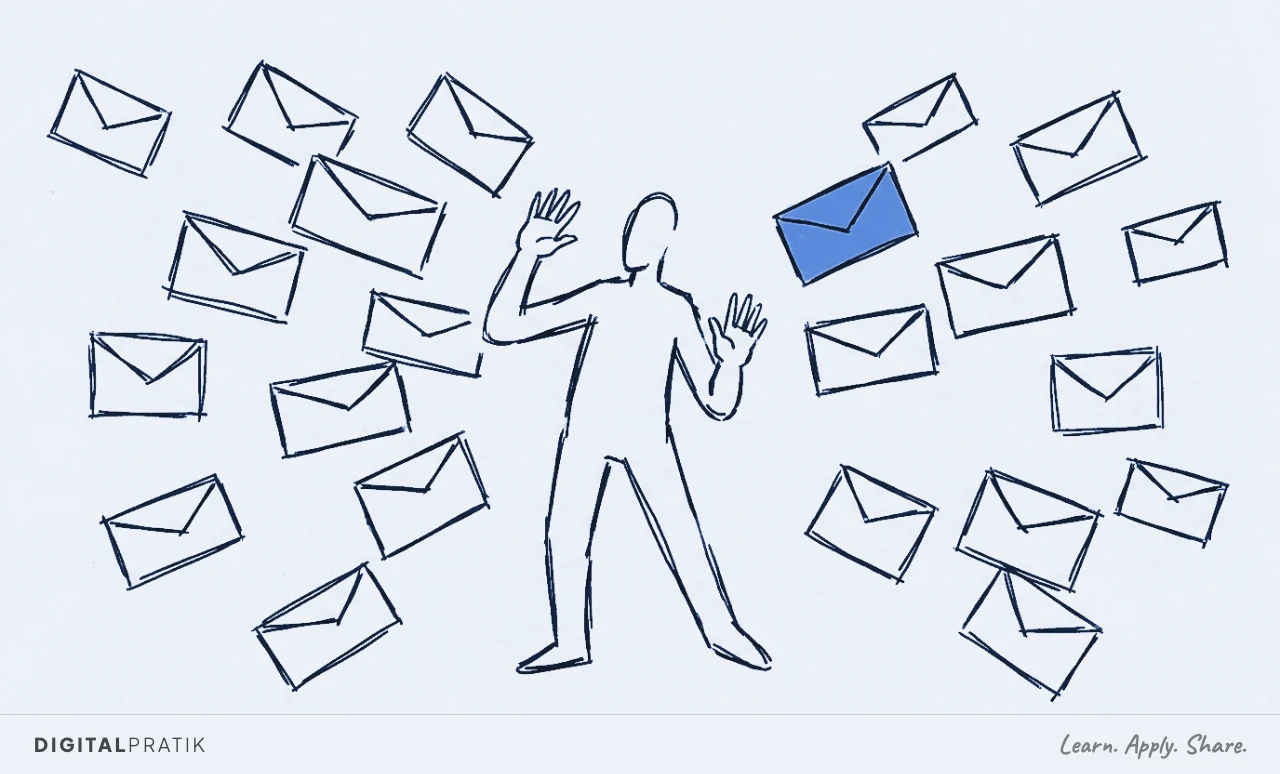
When every funnel runs the same sequence, the sequence becomes noise. Prospects have seen the five-day email chain.
They recognize the automated follow-up text. They can feel when they are talking to a bot or a template.
For low-ticket products this does not matter much. Volume and speed make up for the coldness.
But for high-ticket services, trust is the product. And you cannot automate trust.
Where the Bot Belongs
There are real jobs in your funnel that automation does better than you. It is tireless, precise, and never forgets to follow up.
Let it own those jobs entirely.
- Lead magnet delivery. The bot handles instant delivery and the first few welcome emails. No human required here.
- Traffic and ads. Your Meta ads and organic content run without you in the room.
- Booking logistics. Confirmations, reminders, and calendar management are pure automation work.
- Post-call follow-up sequences. Prospects who did not close on the day get a timed sequence. The bot is patient so you do not have to be.
The Moment Where Automation Breaks Down
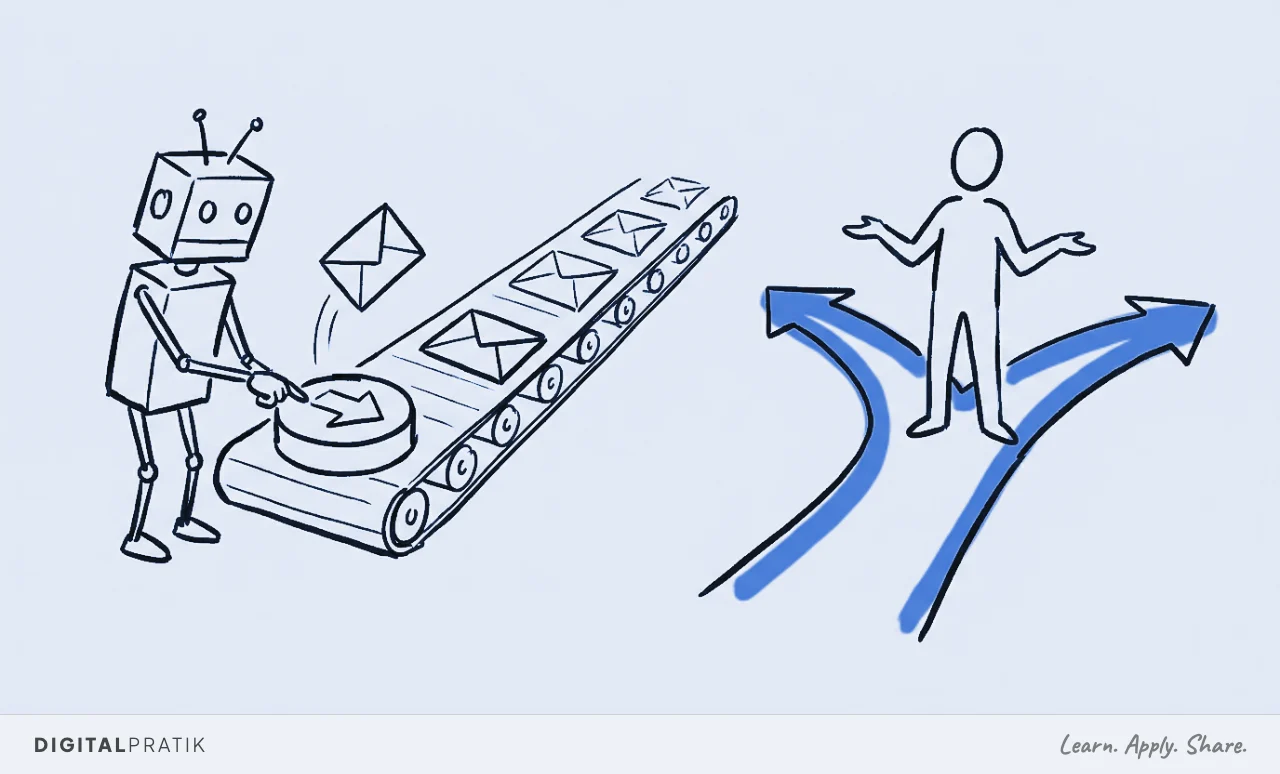
Here is where it falls apart. The prospect has gone through your content.
They liked what they saw. They are deciding whether to trust you with real money.
At that exact moment, most funnels serve them another automated email. The sequence has no way to read the room.
It just fires the next message in the queue. This is where you lose the deal.
Not because the content was bad. Because a bot cannot close trust.
The Application Funnel Bridges Both Worlds
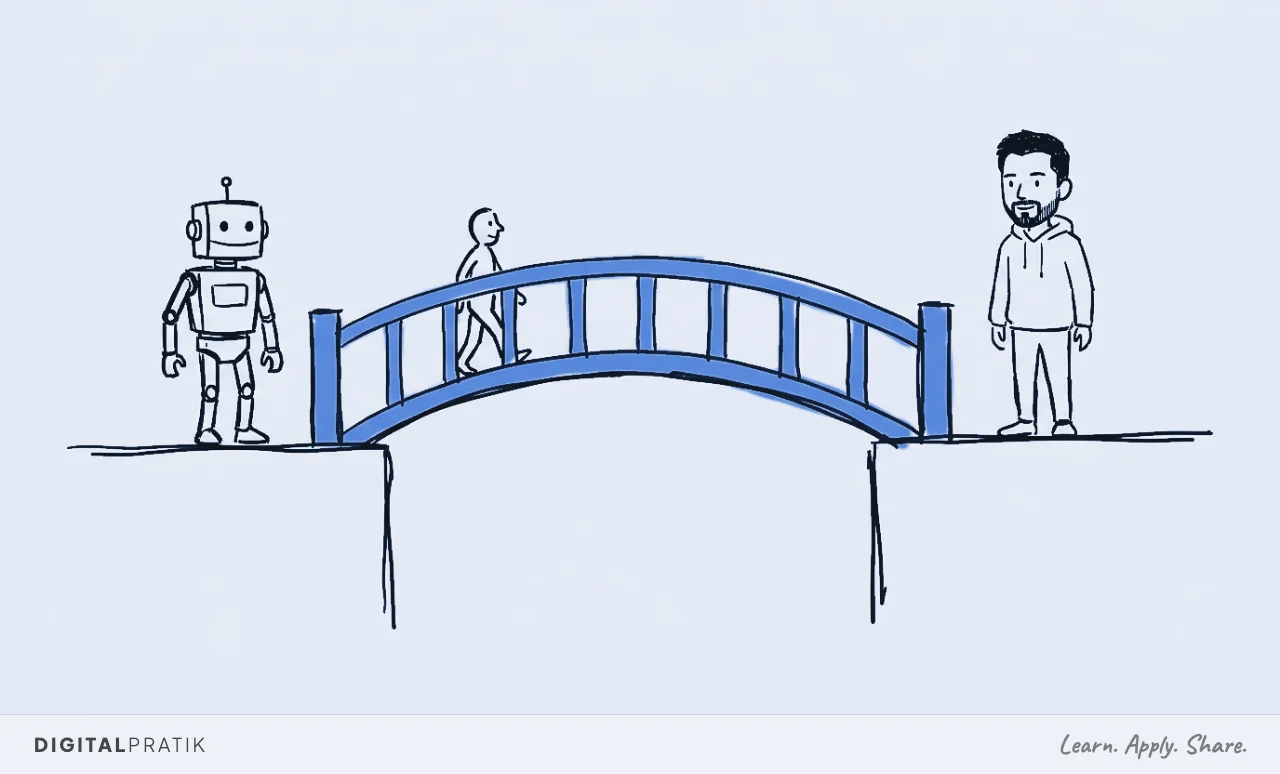
The application funnel sits between your automated top of funnel and your human close. It works because it does three jobs at once.
First, it qualifies. Serious prospects fill out a detailed form.
Non-serious ones do not. Second, effort creates commitment.
A prospect who wrote out their problem, their budget reality, and why they need help right now arrives at the call already invested. Third, by the time they finish the form, they have half-sold themselves, in their own words.
- Ask about the problem. Let them describe it in their own words, not your framing.
- Ask about urgency. Why does this need to be solved now and not six months from now.
- Ask about budget reality. Not to screen aggressively, but to have a real conversation when you get on the call.
- Ask about why now. This single question surfaces the real motivation that actually closes deals.
What the Questions in Your Application Are Actually Doing
Most founders treat the application form as a vetting tool. That is only half of it.
The real job is preparation on both sides. You know the prospect's situation before you dial.
They have been made to think carefully about their problem, their urgency, and what solving it is actually worth to them. That is a completely different call than one where a stranger books a slot cold and shows up with no context.
The questions create the conditions for a close.
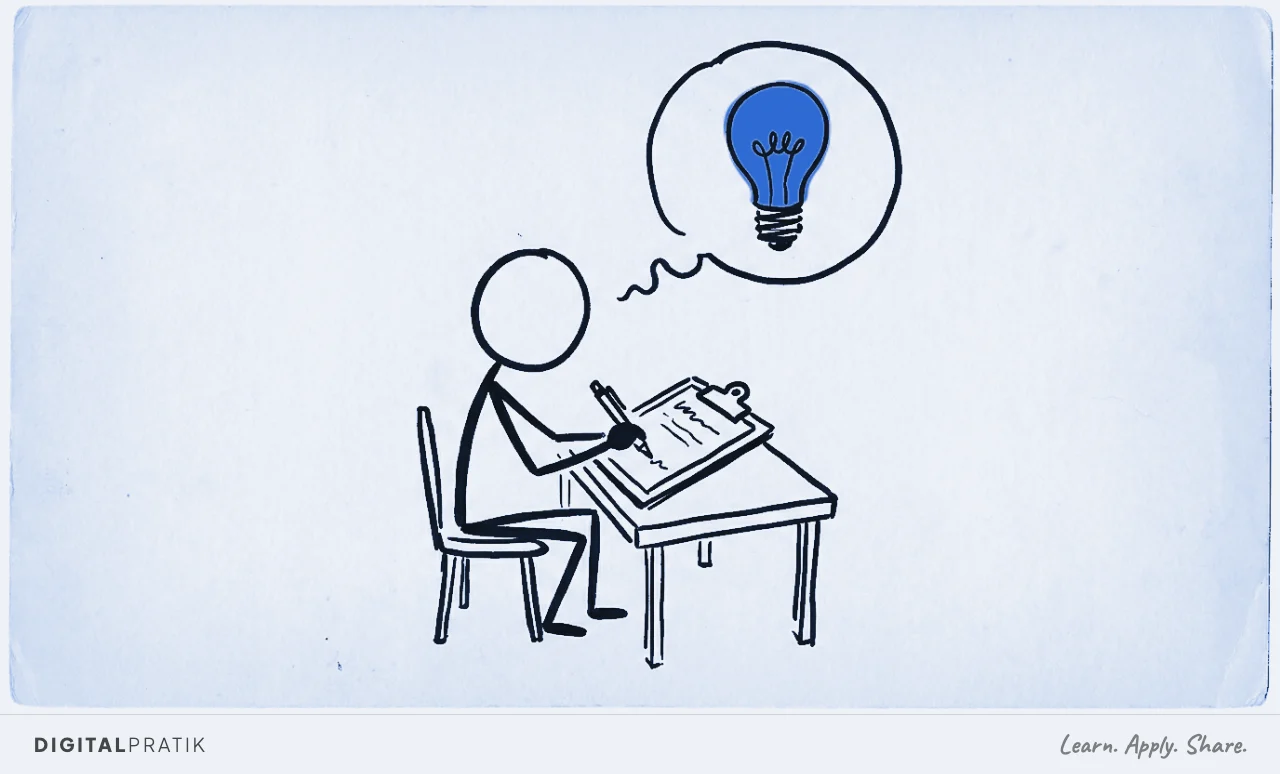
Sell the Call. Not the Offer.
This is the most common mistake I see in high-ticket funnels. The landing page explains the program, the modules, the deliverables, the bonuses.
The prospect reads it, decides they need to think about it, and closes the tab. You spent all your trust capital on a page instead of saving it for the moment it matters: a live conversation. Do not explain your offer on the page.
Explain the problem you solve. Show the gap. Then sell them on why talking to you is the fastest way to close it.
The offer gets presented live, where you can actually read the person in front of you.
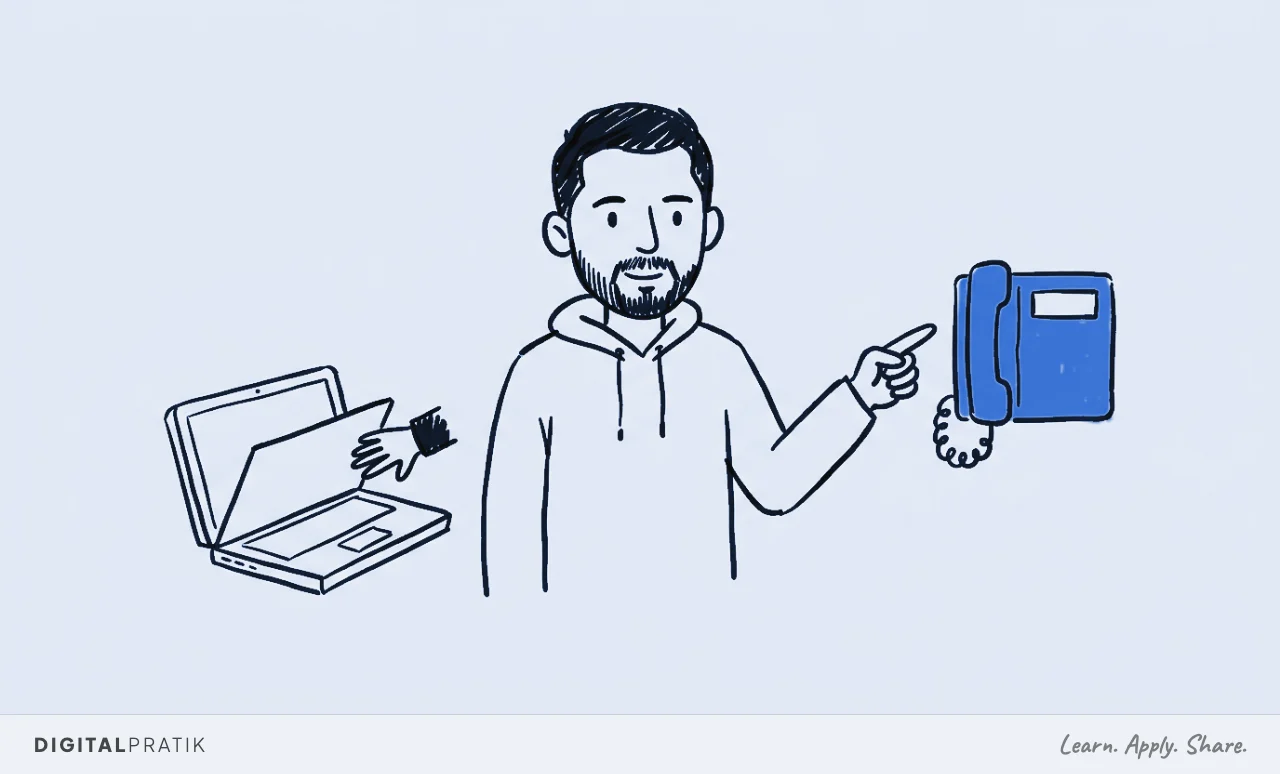
Reading about a system and running one are different jobs. If you are a founder doing $50k a month or more, this is what a working session looks like.
When the Human Shows Up, Here Is What They Do
The call is a diagnosis, not a presentation. You ask more questions.
You listen. You reflect back what you heard.
You show them the gap between where they are and where they want to be. The offer is the bridge.
You present it only after they have confirmed the gap is real and the urgency is real. This is also why cold outreach for high-ticket services is not purely automated.
The right structure is AI plus human: the AI identifies and qualifies, the human enters the conversation at the point where trust needs to be built in person.
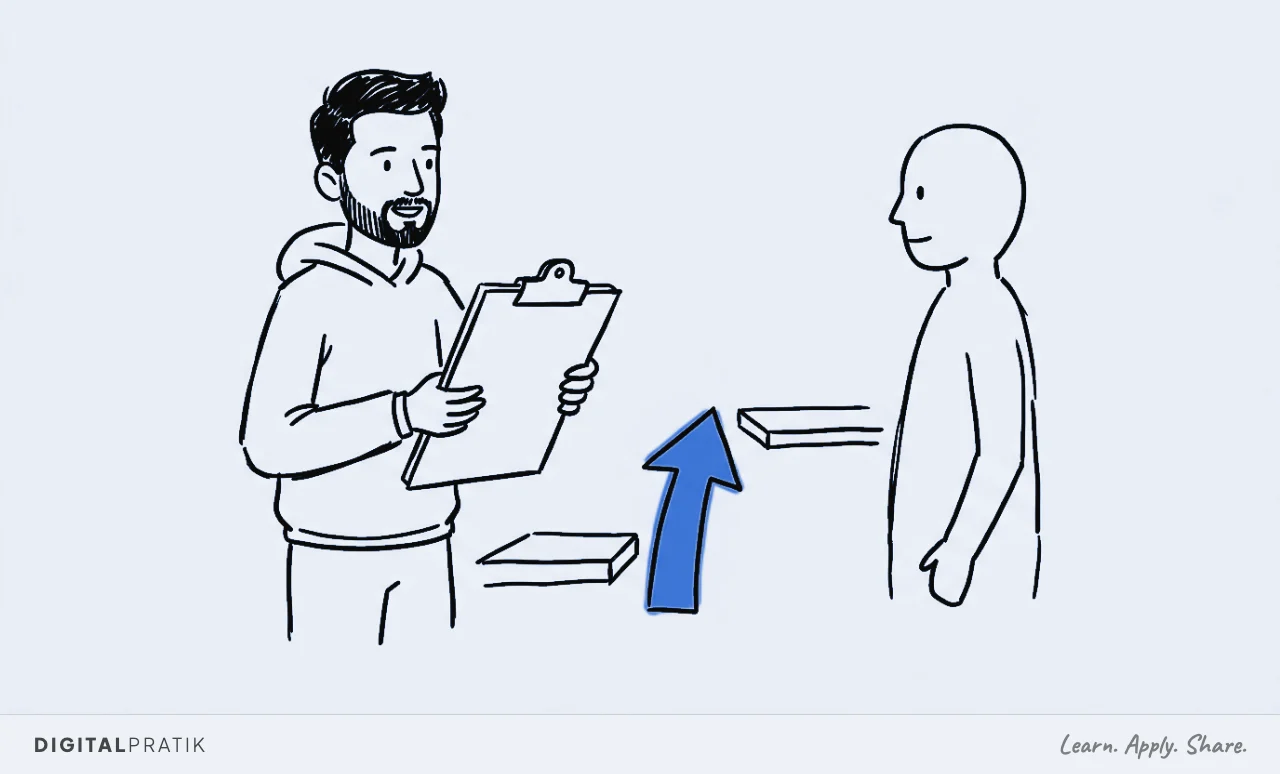
After the Call, Automation Earns Back Its Role
Once the call ends, the bot is useful again. A no-show gets a reschedule invite.
A prospect who said they need to think about it gets a follow-up sequence timed to their stated timeline. A new client gets automated onboarding.
The automation at the bottom of the funnel respects your time without sacrificing trust, because the trust was already built on the call. The bot does not need to carry the close.
It just needs to not drop the ball afterward.
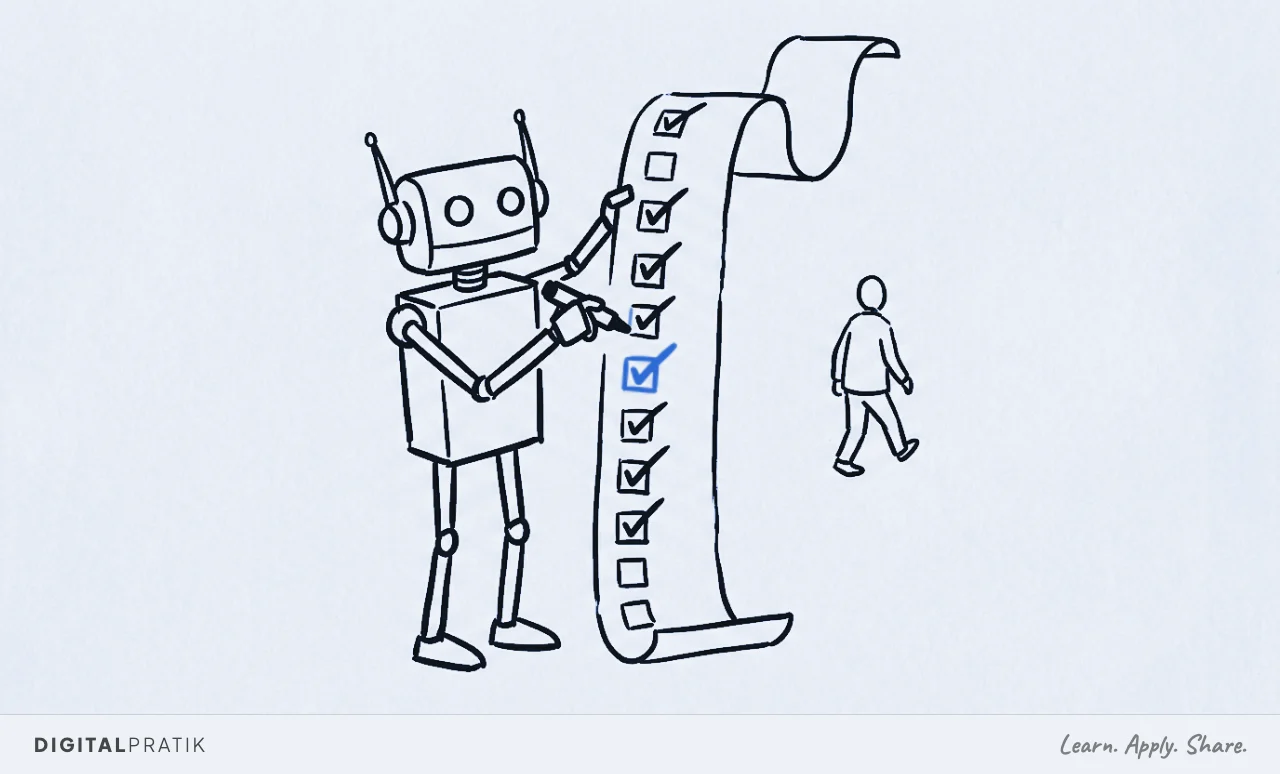
The Show Don't Tell Funnel and Where Humanity Lives Inside It
The Show Don't Tell funnel is built around proof. You show the work before you tell the prospect anything about the offer.
The automation handles the showing: the content, the ads, the social proof in your sequence. But the telling happens live.
The human moment is the step where the showing has done its job and a real conversation can do what a page cannot. The SDT funnel does not eliminate the human.
It sets the human up to win.
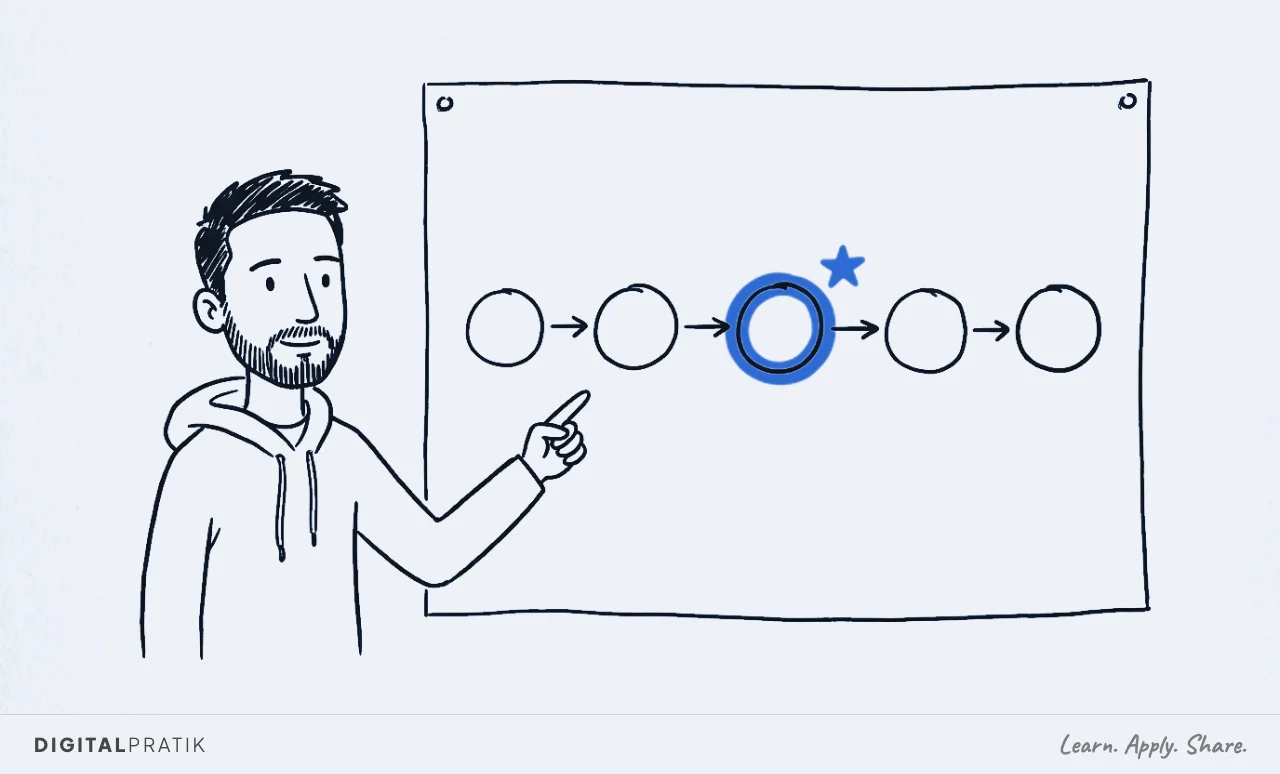
The Trap That Kills High-Ticket Conversions
Founders automate the trust step because they do not want to do sales calls. They want a funnel that closes without them in the room.
For products below a certain price point, that is possible. For high-ticket services, it is not.
The prospect is not paying for software access or a course they will watch someday. They are paying for your judgment, your involvement, and your personal commitment to their outcome.
They need to feel that before they commit. A bot cannot give them that feeling.
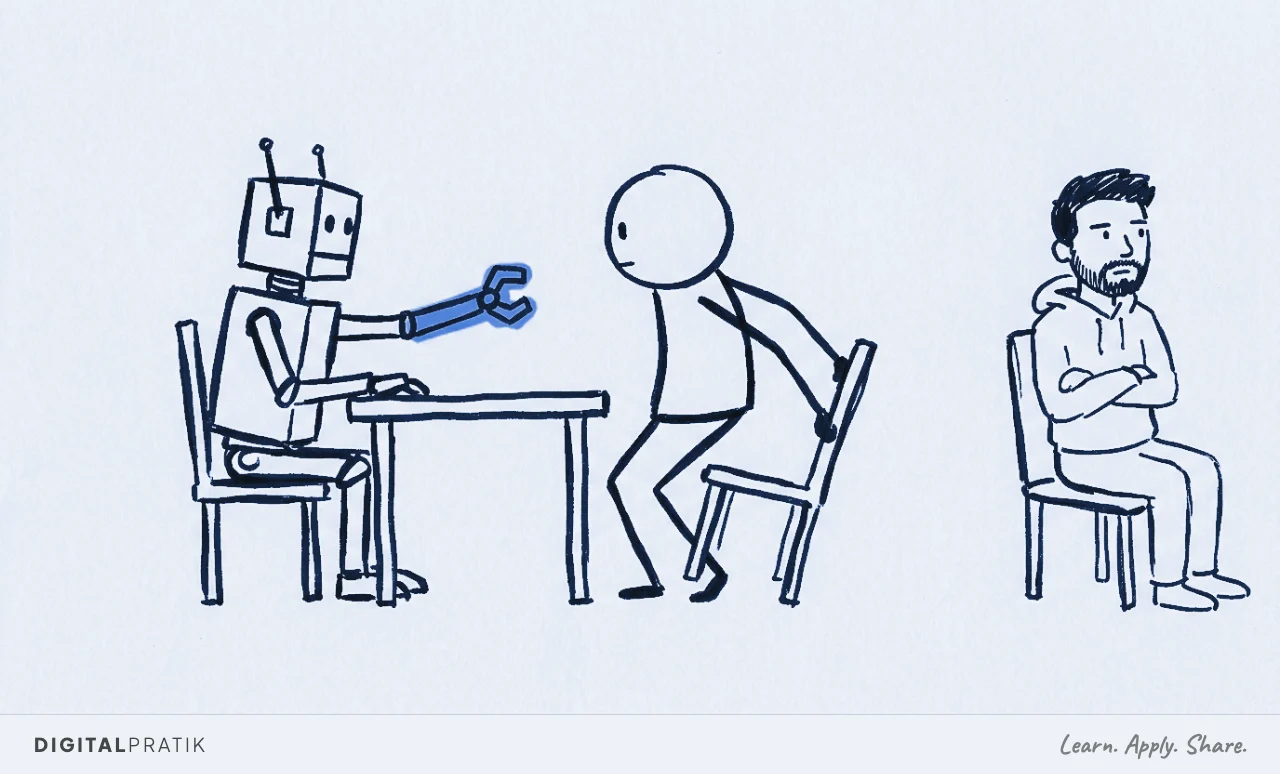
A Simple Rule for Mapping Your Funnel
Go through your funnel stage by stage and ask one question at each step: is this person in a decision? If they are browsing, automated content handles it.
If they are warming up, the sequence handles it. If they are deciding, a human has to be there.
Map the decision moment and put yourself there. Everything before it runs automatically.
Everything around the close needs you. If you want to build a funnel structure that actually converts at the high end, work with me and we will map yours from the ground up.
Frequently asked questions
Start at the top. Automate your lead magnet delivery, your initial welcome sequence, and your booking confirmations. These are high-volume, low-stakes steps that do not require trust to work. Save your personal attention for the moment a prospect is deciding to spend real money on a real outcome.
The signal is a decision. Once a prospect has qualified themselves through an application and booked a call, that is your moment. They have shown intent. A human on that call converts at a rate no automated email can match, because trust is built in conversation, not in a sequence.
Mostly yes. For lower-priced offers, volume and speed matter more than personal trust. But once you are selling something where the prospect is committing real money and real time, the human step becomes the difference between a sale and a prospect who kept thinking about it forever.
No. Cold outreach for high-ticket services works best as AI plus human. The AI identifies the right people, qualifies them, and handles the opening message. But a real person needs to enter the conversation at some point. Fully automated cold outreach for high-ticket deals reads as a template and gets treated as one.
Sell the call, not the offer. Your application page should explain the problem you solve and why a direct conversation is the fastest path to solving it. Keep the offer details off the page entirely. Save them for the live conversation where you can present them after you understand exactly where the prospect is.
Install this in your business
An article gives you the map. A working session gives you the system, built around what you actually sell and who actually buys it.