
The Application Funnel That Sells High Ticket Without a Cart
 Digital PratikGrowth Marketing Consultant
 An application funnel sells a conversation rather than a product.
It has four parts: a landing page whose only job is to make the right person want to apply, a short application form of three to seven qualifying questions, a booking page for the people who pass, and the call itself where the offer is actually presented. You cannot sell a five figure service with a buy button, because high ticket is bought in a conversation and trust is not built on a sales page.
Every few months somebody shows me a beautiful sales page for a five thousand dollar service with a checkout button at the bottom, and asks why nobody is buying. The page is not the problem.
The button is.
High ticket is sold in a conversation. The funnel exists to get the right person into that conversation, already half convinced, and to keep everybody else out of it.
That is the entire job.
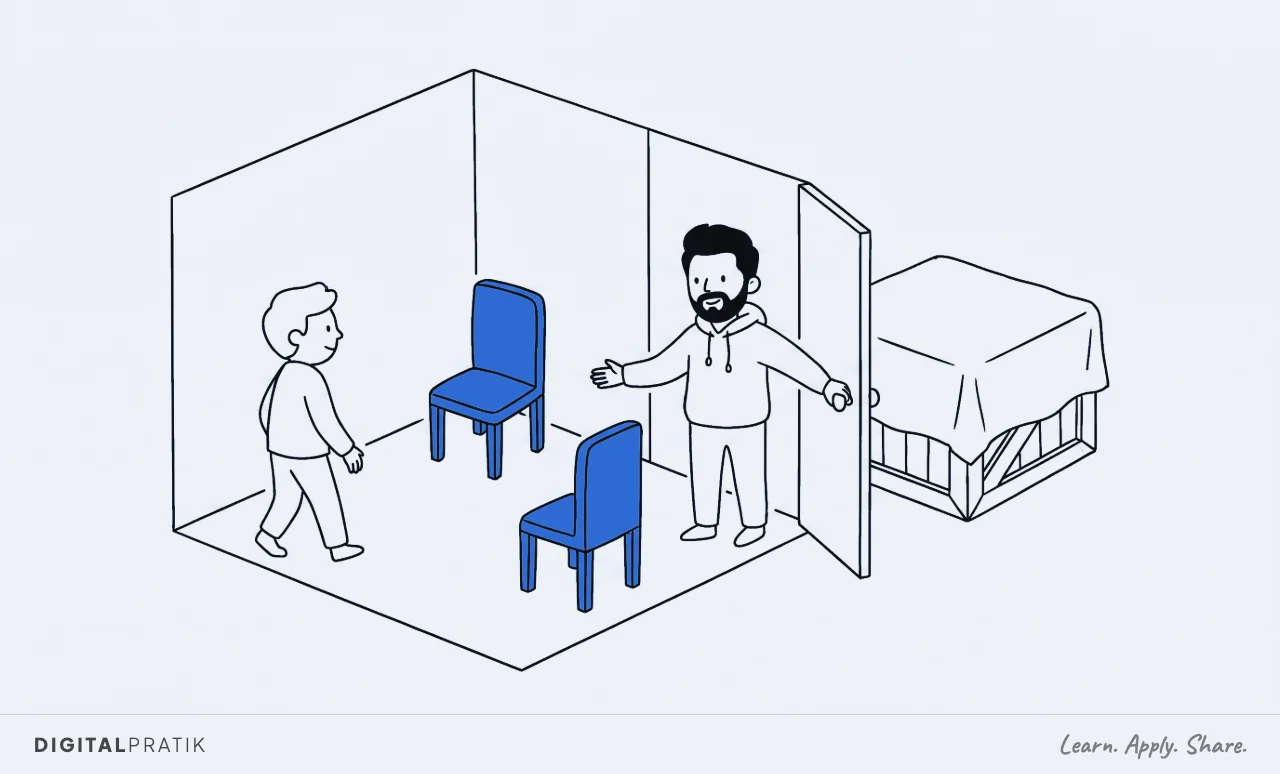
The four parts, in order
- A landing page that sells the call. One hook, one proof, one button. Its only job is to make the right person want to apply.
- An application form. Three to seven qualifying questions. It filters, and it makes them invest.
- A booking page. Only the people who pass ever see it.
- The call. Where the offer is presented, the objections get handled, and the sale actually happens.
Nothing in that list is clever. What makes it work is the refusal to collapse it into a checkout, which is what almost everybody does the moment they get impatient.
Why this beats a cart, in three parts
The first is qualification. You only spend your time on people who fit and can pay, which at high ticket is the difference between a good month and a month spent on calls that were never going to close.
The second is commitment. Effort creates it.
Someone who has written out their problem in seven boxes and chosen a slot in your calendar arrives in a completely different state from someone who clicked a button on a whim.
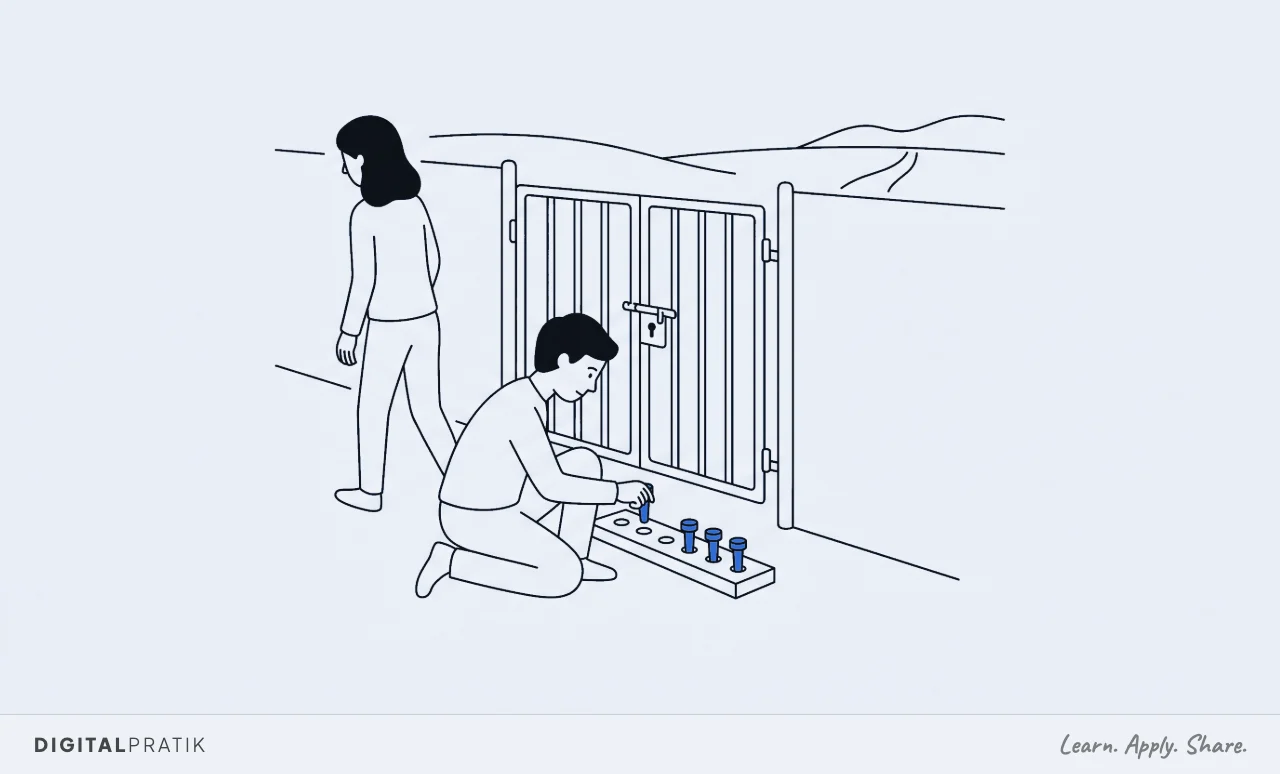
The third is trust. A high-ticket decision needs it, and trust is built between two people talking, not between a person and a page.
The page cannot answer the question they have not asked yet.
The mistake almost everyone makes
Selling the offer on the landing page. It feels like the honest thing to do, and it is the thing that kills the funnel.
If the page presents the full offer, the reader makes a yes or no decision alone, with no one to answer the objection sitting behind their hesitation. Almost all of them decide no, quietly, and you never learn why.
Sell the call instead. Sell the diagnosis and the clarity they will walk away with, whether or not they buy anything.
The questions are the most important part
The form is not admin. It is the filter and it is the first half of the sale, because a prospect who writes their pain in their own words has begun selling themselves before you speak.
Four things are worth asking about: the problem, the urgency, the budget reality, and why now. Everything else is optional and most of it is noise.
How many questions, honestly
Between three and seven. Below three you have not filtered anything and the effort is too low to create commitment.
Above seven or eight you start losing good people who are busy, which is a description of every buyer worth having.
The fix for length is not fewer questions, it is faster ones. Make most of them a single tap.
A form of eight taps and one text box takes about a minute and still tells you almost everything. A form of eight open text boxes takes ten minutes and gets abandoned by the exact people you want.
Asking more can genuinely get you more clients, which is counterintuitive enough that most people never test it. The landing page and the thank you page covers what the two pages either side of the form have to do.
Reading about a system and running one are different jobs. If your business does AED 10 million a year or more, this is what a working session looks like.
What happens to the people who do not pass
This is the part that gets skipped and it costs more than anything else in the funnel. Most applicants will not be a fit today.
A meaningful share of them will be a fit in a year.
So they need somewhere to go that is not a dead end. Send them something genuinely useful, keep them on a list, and say plainly that there is no slot matching what they need right now.
Never say rejected, declined or disqualified. You are turning down a moment, not a person, and people remember which one you made it sound like.
Do not fake a calendar you do not have
If your availability genuinely varies, asking for a preferred day and a rough window is more honest, and often converts better, than a live calendar showing slots you will end up moving.
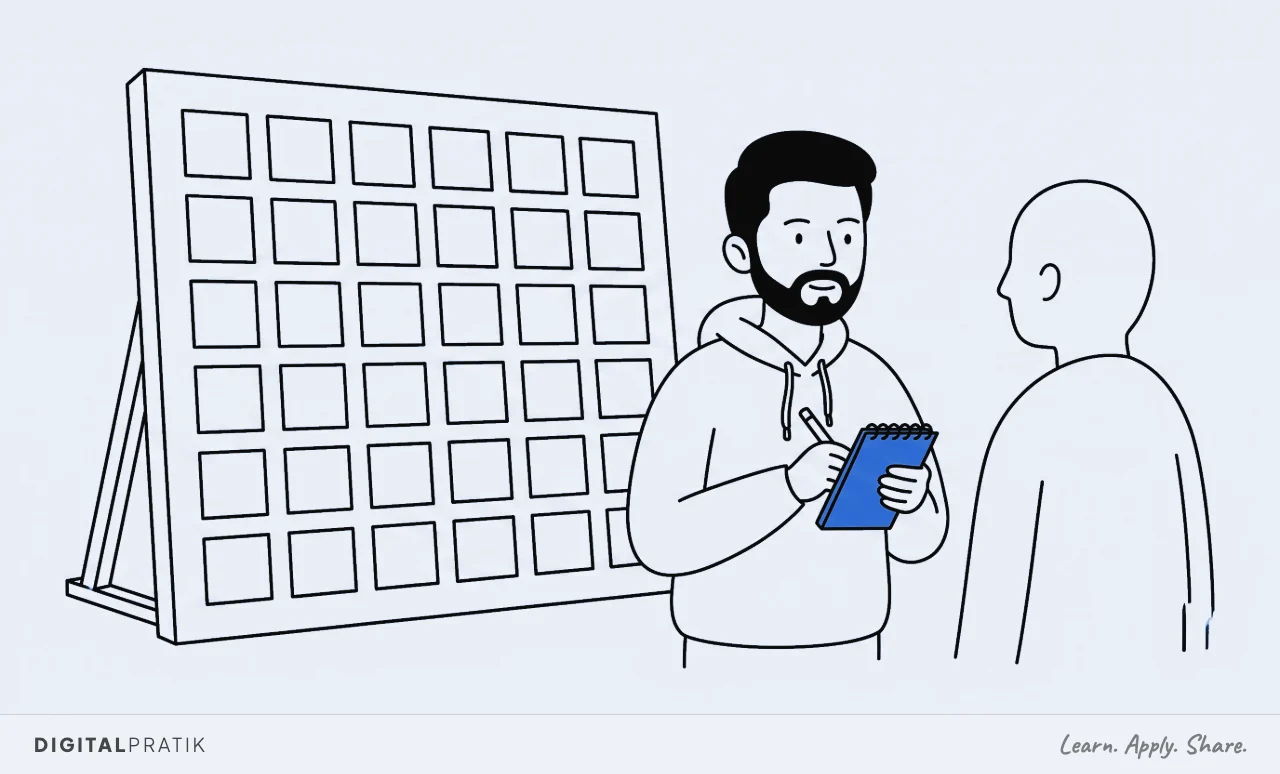
A booking link that promises Tuesday at four and then gets rescheduled twice has spent trust you needed for the call itself.
What AI actually does here
This is where automation earns its place, and it is unglamorous. The form scores the answers against your criteria.
The reminders fire on their own. The people who go quiet get chased without you remembering to chase them.
The good applications land somewhere you will actually see them.
What it does not do is take the call. The judgement about whether this is a person you can genuinely help stays with a human, and the moment before a message goes out to a real prospect stays with a human too.
That is the human gate, and the application funnel is exactly the kind of place people are tempted to remove it.
How to know it is working
Not by application volume. A funnel that filters properly will show fewer applications than the page it replaced, and that is the intended outcome rather than a problem to fix.
Watch the share of applications that become booked calls, the share of booked calls that show up, and the share of calls that become clients. If applications fall and all three of those rise, the filter is doing its job.
If applications rise and the call quality falls, you have loosened the questions too far.
Build the apply funnel
The summary is short. Stop trying to check out a relationship.
Sell the conversation, make people earn their way into it, and then be worth the hour they gave you.
If you are not sure whether the people applying are the right ones in the first place, who is a high-ticket client, really is the filter to run before you write a single question.
Frequently asked questions
An application funnel is a four-step path that sells a conversation instead of a product: a landing page that sells the call, a short application form with qualifying questions, a booking page for people who pass, and the call where the offer is presented. It is the standard way high-ticket services are sold because a five figure decision is made in conversation.
Between three and seven. Fewer than three does not filter anyone or create any commitment. More than seven or eight starts losing busy people, who are usually the buyers you want. If you need more, make them single-tap choices rather than open text boxes so the whole form still takes about a minute.
Yes, and early rather than politely at the end. Revenue or budget is the real gate on a high-ticket offer, and somebody unwilling to answer it will leave. It is far better that they leave at question one than after you have spent an hour on a call with them.
Because a reader alone with a full offer makes a yes or no decision with nobody there to answer the objection behind their hesitation, and almost all of them quietly decide no. Selling the call instead keeps the decision in a conversation where you can hear the real concern and respond to it.
Send them somewhere useful rather than into a dead end, and keep them on a list, because a share of them will be a fit within a year. Say plainly that there is no slot matching what they need right now, and never use the words rejected, declined or disqualified. You are turning down a moment, not a person.
Install this in your business
An article gives you the map. A working session gives you the system, built around what you actually sell and who actually buys it.