
Who Is a High-Ticket Client, Really? The Filter That Saves You a Year
 Digital PratikGrowth Marketing Consultant
 Three conditions, and all three are required.
A problem expensive enough that solving it is obviously worth your fee.
The money to pay for it now, from existing revenue rather than from the result you are being hired to produce.
And the authority to say yes without a committee.
Miss any one of the three and the engagement usually costs more than it pays.
Most of the difficult clients I have watched people take on failed one of three tests at the point of sale, and everybody involved could see it if they had been looking. The reason they took them anyway is that the person was likeable and the calendar had a gap.
One: the problem is expensive
Expensive to them, in money they can point at. Not annoying.
Not suboptimal. Expensive.
The test is whether the cost of the problem obviously exceeds the cost of your fee, so obviously that neither of you has to argue about it. If you find yourself building a case for why your price is justified, the problem was not big enough and no amount of framing fixes that.
This is also why the same service is high ticket for one business and unsellable to another. An empty calendar costs a firm with high fixed overheads an enormous amount every month.
It costs a solo operator with no overheads almost nothing except optimism.
Two: they have the money now
From existing revenue. Not from the result you are being hired to create.
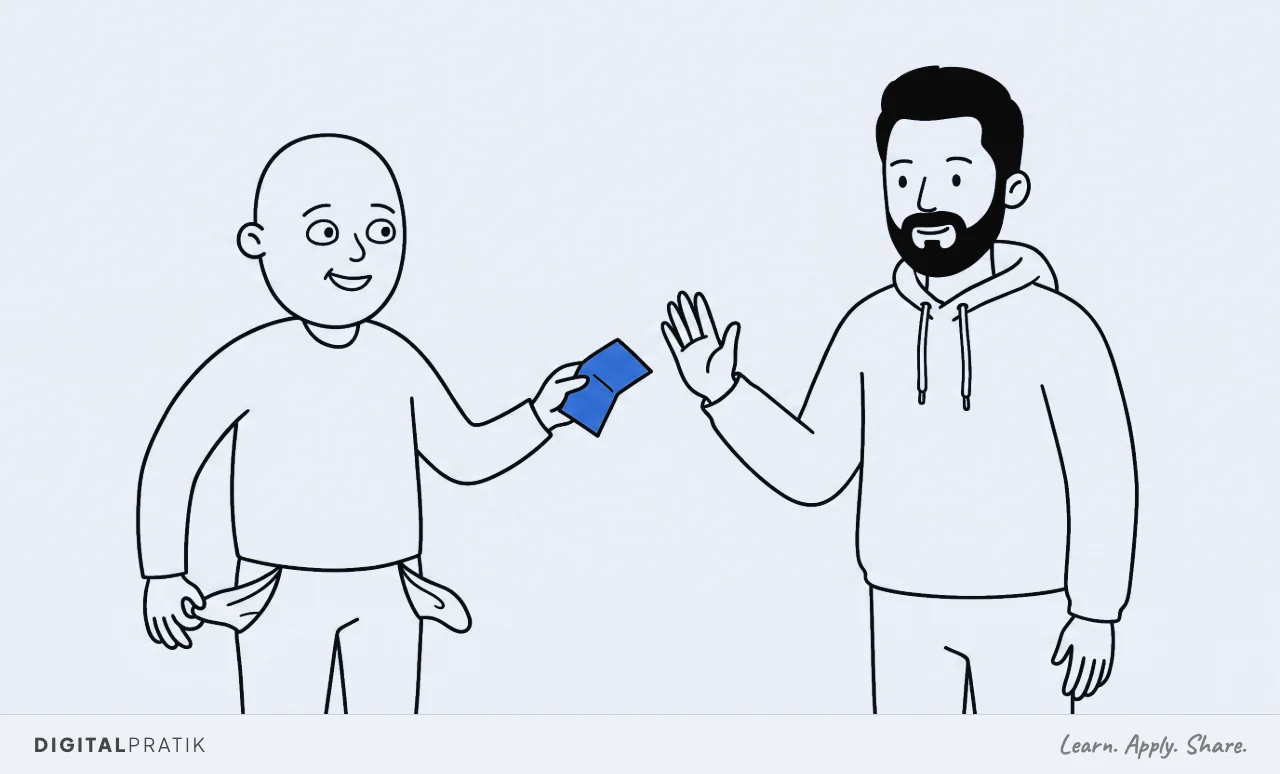
This is the one people talk themselves out of, usually with the logic that the engagement will pay for itself. Sometimes it does.
But a client paying you out of a result that has not happened yet is under a kind of pressure that ruins the work, because every week without a result becomes an existential question rather than a normal part of the process.
It is also why the revenue floor exists. Below a certain level the constraint is almost always the offer rather than the system, and buying a system you cannot yet run is a bad trade for them, which makes it a bad trade for you.
Three: they can actually decide
They can say yes on the call without going to a partner, a board or a committee.
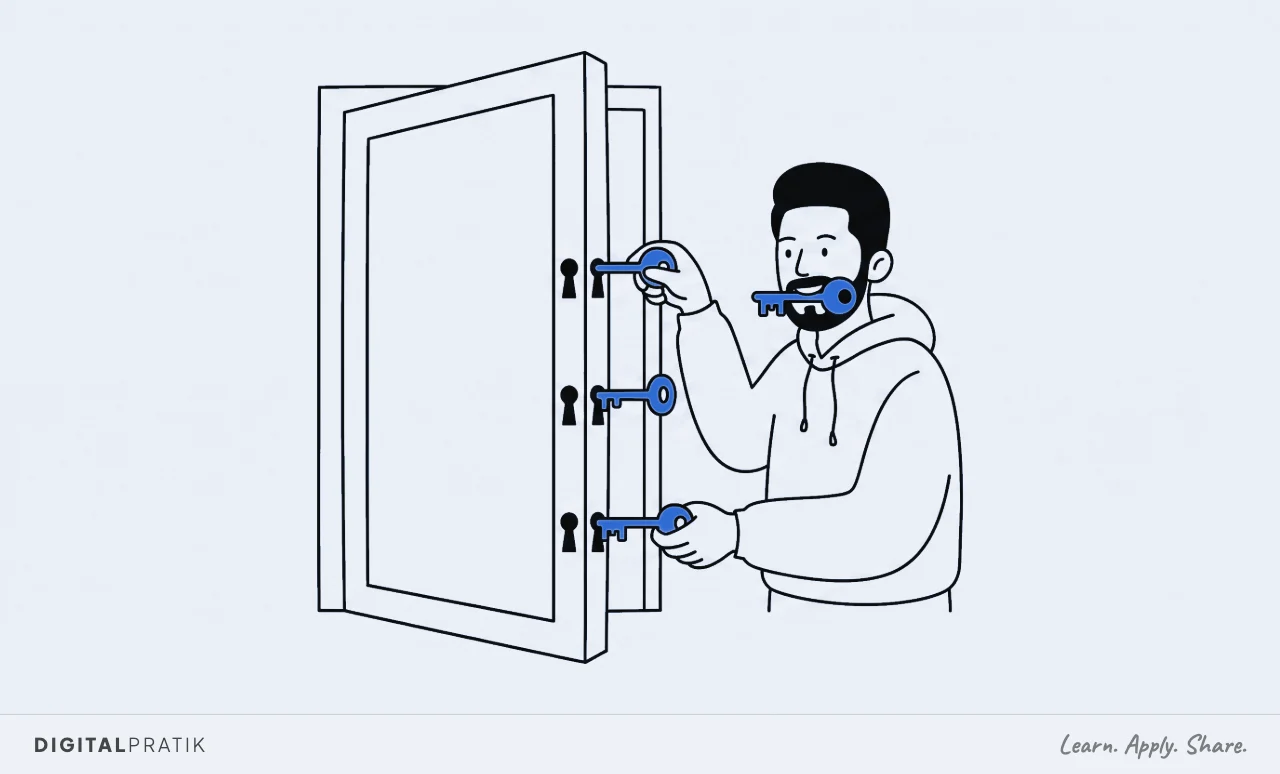
Not because committees are bad, but because a person who cannot decide cannot buy, and the entire conversation becomes a rehearsal for a different conversation you will never be in the room for. Your carefully built case gets relayed second-hand by someone with other priorities.
If there genuinely is a second decision-maker, the fix is not to persuade harder. It is to get them on the call.
That single change closes more deals than any technique.
Reading about a system and running one are different jobs. If your business does AED 10 million a year or more, this is what a working session looks like.
What is deliberately not on the list
Some things that feel like qualifications and are not.
- Being nice. Genuinely lovely people can be terrible clients, and it makes the eventual conversation harder rather than easier.
- Enthusiasm. The most excited person on the call is often the least likely to buy. Excitement is cheap.
- Understanding what you do. Helpful, not required. Plenty of good clients never fully understand the mechanics and do not need to.
- Being in your usual industry. Useful for delivery, irrelevant to whether they qualify.
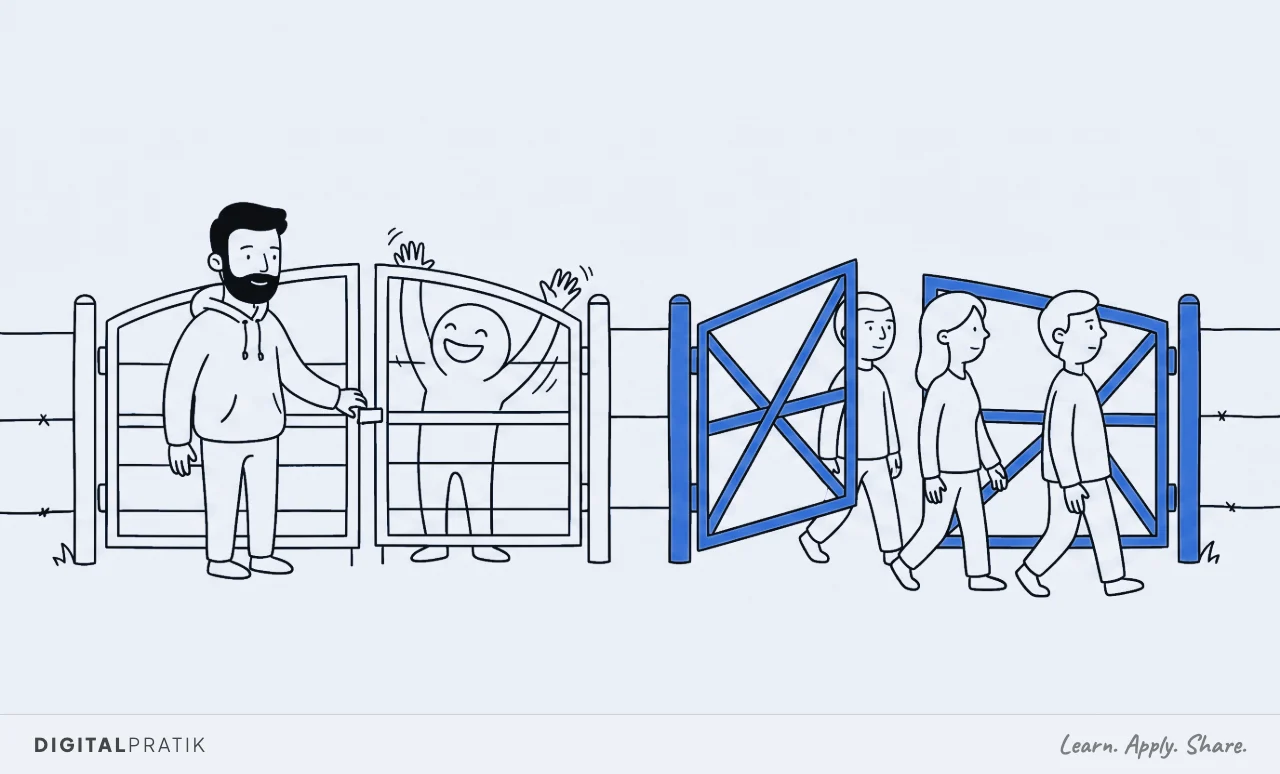
Why saying no is the point
Your capacity is finite, and a service business fails on capacity long before it fails on demand.
The unqualified client does not just cost you their fee in wasted effort. They occupy a delivery slot that the right client needed, they take a disproportionate share of your attention because things keep going wrong, and they produce the kind of outcome you cannot use as proof.
That is three costs from one bad yes.
| Test | How to check it on the call | |
|---|---|---|
| 1 | Expensive problem | Can they put a number on what it costs them? |
| 2 | Money now | Is it from existing revenue? |
| 3 | Authority | Who else has to say yes? |
Ask the questions before the call
All three can be established on an application form, before anyone has spent an hour. Revenue, what is actually breaking, and whether they can decide alone.
People worry that asking will scare buyers off. It filters, which is the point, and the ones it filters out were mostly going to consume an hour and then need to check with someone.
Good friction raises lead quality. Bad friction, like a slow page, just makes leads more expensive without making them better.
What to do with the ones who do not qualify
Tell them plainly, and tell them what would change it. "You are not there yet, here is what I would do in your position, come back when the offer is converting."
That is not a soft no for the sake of politeness. Some of them come back in a year properly qualified, and they come back to you specifically because you were the person who did not take their money when you could have.
What counts as high ticket for you specifically is in where you are starting from.
Frequently asked questions
Three things, all required: a problem expensive enough that solving it obviously exceeds your fee, the money to pay from existing revenue rather than from the result you are hired to produce, and the authority to decide without a committee. Missing any one usually makes the engagement cost more than it pays.
Generally no. It puts them under pressure that ruins the work, because every week without a result becomes an existential question rather than a normal part of the process. It is usually a decision made for your own cash flow and framed as belief in them.
Get the other decision-maker onto the call rather than persuading harder. Otherwise your case gets relayed second-hand by someone with other priorities, and the conversation you had was a rehearsal for one you will never be in the room for.
Much less than people think. The most excited person on a call is often the least likely to buy, because excitement is cheap and costs nothing to express. Being nice, being enthusiastic and understanding what you do are all pleasant and none of them are qualifications.
Ask about revenue, what is actually breaking, and who else has to say yes, on the application form. Good friction raises lead quality, and the people it filters out were largely going to consume an hour and then need to check with someone else.
Install this in your business
An article gives you the map. A working session gives you the system, built around what you actually sell and who actually buys it.