
What Actually Makes an Offer High Ticket (It Is Not the Price)
 Digital PratikGrowth Marketing Consultant
 High ticket is not a price point, it is a relationship between the size of the problem you remove and how certain the buyer is that you will remove it.
Raising your number without changing either produces the same offer with a worse conversion rate.
A client moves from a small service to a large retainer in one conversation not because you charged more, but because you removed more.
People treat high ticket as a decision they make about themselves. They decide to be a high-ticket consultant, put a bigger number on the page, and then wonder why the calls got harder and fewer.
The two things a price actually reflects
Price is not a function of your costs, your hours or your seniority. It is a function of two things.
How expensive the problem is. Not how hard it is for you. How much it costs them to keep having it.
How certain they are you will fix it. A large promise with weak proof is worth less than a modest promise with overwhelming proof, which is not what people expect.
If you raise the number without moving either, nothing has improved. You have made exactly the same offer harder to say yes to.
Remove more, do not charge more
This is the sentence I would tattoo on people if it were legal. A client goes from a two thousand dollar service to a ten thousand dollar retainer in the same conversation, and it is not because you charged more.
It is because you removed more.
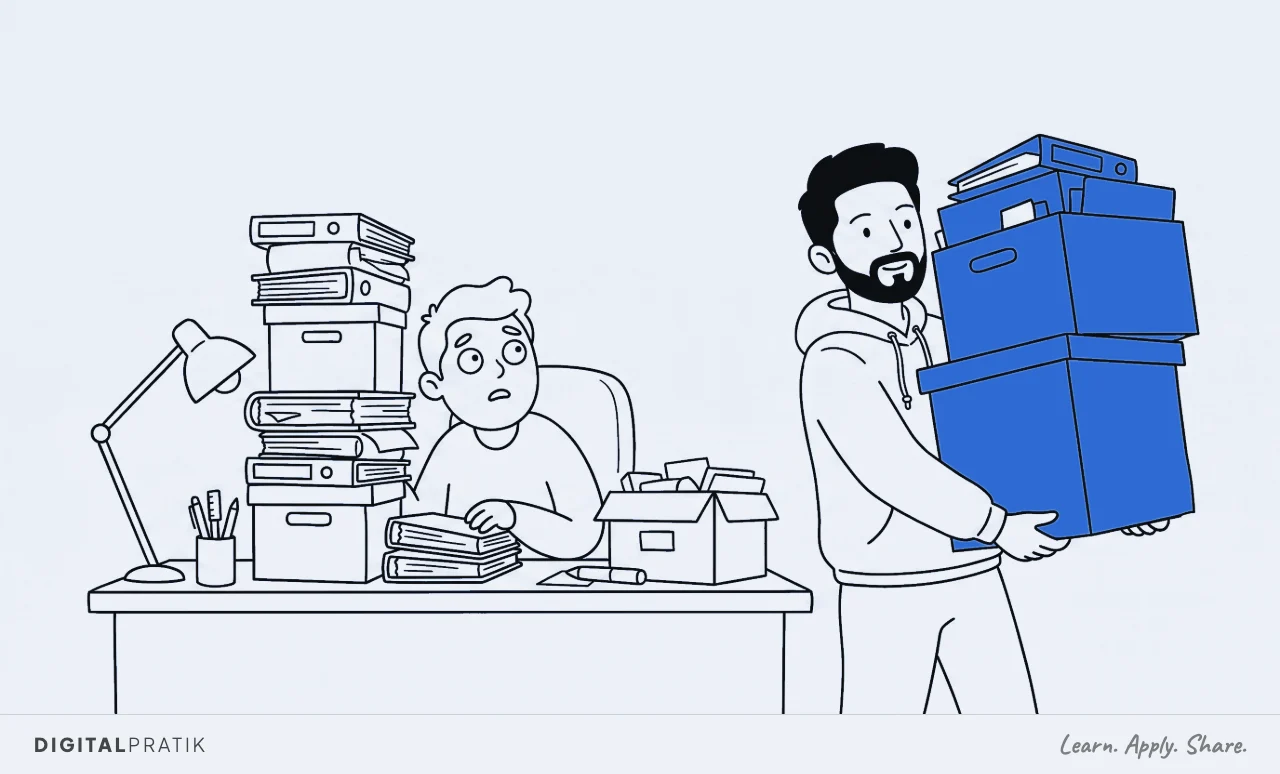
The two thousand version fixes one thing. The ten thousand version takes an entire category of problem off their desk permanently.
That is a genuinely different purchase, and the price is a consequence rather than a decision.
What removing more actually looks like on paper
Take a 2,000 a month service. Whatever it is, the client is still doing three things themselves around it.
They are briefing you every week. They are chasing their own team for the inputs you need.
They are stitching your output into whatever they use it in.
Those three things are the price ceiling. Not your skill, not your years, not your deck.
| What you do | What they still do | What it is worth | |
|---|---|---|---|
| Today | The core deliverable | Brief, chase, stitch | 2,000 |
| After | Core plus brief, chase and stitch | Approve | Considerably more |
You have not become better at the core work. You have taken three jobs off somebody whose time is the constraint on their whole business, and the price follows what you removed rather than what you produced.
This is the honest route from a two thousand engagement to a ten thousand one, and it happens in the same conversation with the same client. Not because you charged more.
Because you removed more. Run the exercise on your current clients: write down what they are still doing themselves after you deliver, and that list is your next offer.
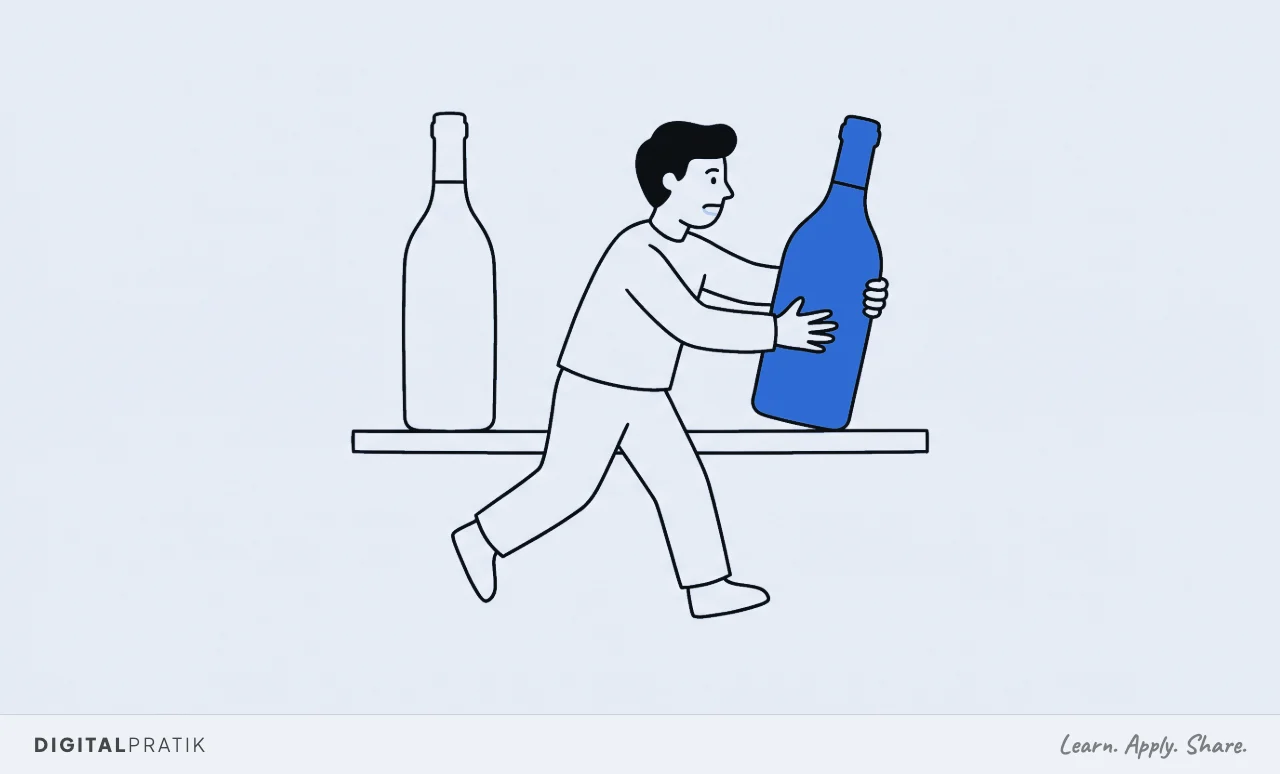
People pay far more for the cure than the prevention
A rule worth internalising, because it explains a lot of pricing that otherwise looks irrational.
Prevention is abstract and the pain is hypothetical. A cure is urgent and the pain is present.
The same work, framed as preventing a future problem versus fixing a current one, commands wildly different prices, and it is the same work.
Which is why "we help you grow" is weak positioning and "we fix the empty calendar you wake up worrying about" is strong. One is prevention language for a problem they might have.
The other names the thing happening to them at six in the morning.
Reading about a system and running one are different jobs. If your business does AED 10 million a year or more, this is what a working session looks like.
Certainty is the other half
The size of the problem sets the ceiling. Certainty determines how close to that ceiling you get.
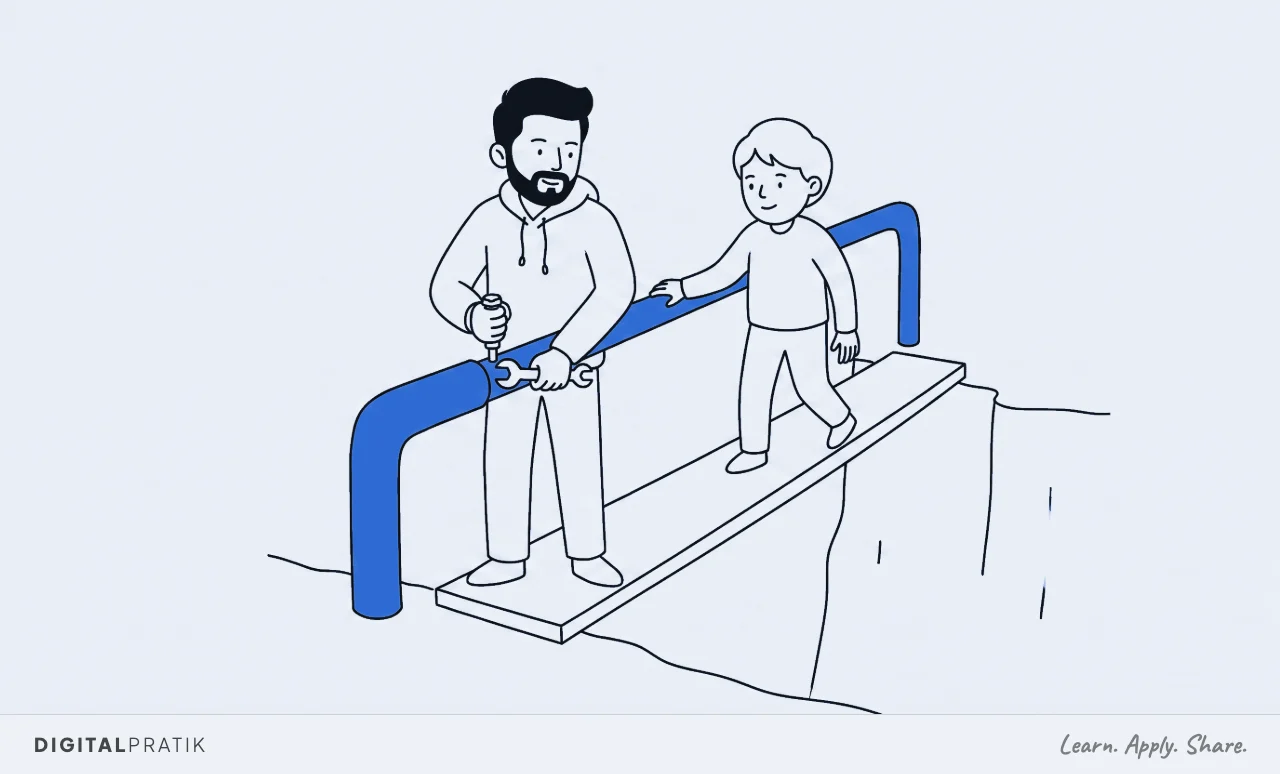
Certainty comes from proof more than from promises, and specifically from proof that resembles the buyer. Someone in their industry, at their size, with their outcome.
The closer that match, the less persuading you have to do, and I have written that up in proof beats promise.
It also comes from removing their risk, which is what a genuine guarantee does. That is covered in the risk reversal article.
| Offer A | Offer B | |
|---|---|---|
| Problem removed | One task | A whole category |
| Proof | Generic claims | Someone exactly like them |
| Risk carried by | The client | You, partly |
| Feels like | Expensive | Obvious |
What high ticket does not mean
A few things that get confused with it, all of which are cosmetic.
- Not a longer sales process. Friction is not value. Some high-ticket sales close quickly because the diagnosis was obvious.
- Not more deliverables. Stacking outputs to justify a number makes the offer worse and harder to deliver.
- Not a premium aesthetic. Nicer slides do not remove a bigger problem.
- Not exclusivity theatre. Manufactured scarcity is transparent and it damages trust with exactly the buyers you want.
How to actually move up
Look at your current clients and ask what they were still doing themselves after you finished. That list is your next offer.
Usually there is a thing they hire you for and three things adjacent to it that they solve badly on their own, at real cost, while quietly wishing somebody would take it away. You are already the obvious person to do that, because you are already inside.
That is a bigger problem removed, from someone who already trusts you, which is both halves of the equation at once. It is also far easier than winning a new client at a higher price.
If you want the full system underneath all of this, it is the value equation: four dials that decide what any offer is worth, and price is not one of them.
Frequently asked questions
The size of the problem you remove and how certain the buyer is that you will remove it. It is not the price itself. Raising your number without changing either of those makes exactly the same offer harder to say yes to.
Not on its own. Price reflects how expensive the problem is for the client and how certain they are you will fix it. If neither has changed, a higher number simply lowers your conversion rate while delivering the same thing.
By you removing more, not by you charging more. The small version fixes one thing, the large version takes an entire category of problem off their desk permanently. That is a genuinely different purchase and the price is a consequence of it.
Because prevention is abstract and the pain is hypothetical, while a cure is urgent and the pain is present. The same work framed as fixing something happening now commands a substantially higher price than the same work framed as avoiding something later.
Look at what your existing clients were still doing themselves after you finished. There are usually three adjacent things they solve badly at real cost while wishing someone would take them away. That is a bigger problem removed for someone who already trusts you.
Install this in your business
An article gives you the map. A working session gives you the system, built around what you actually sell and who actually buys it.