
The Knowing Call: What I Do in the Hour After Someone Pays Me $97
 Digital PratikGrowth Marketing Consultant
 When someone buys my paid workshop I get an alert and I phone them personally, usually the same day.
It is not a pitch and not a discovery call, it is a knowing call: fifteen to twenty minutes asking what their business does and what outcome they want.
It works because a buyer who has spoken to you reclassifies you from a brand into a person, and people buy high-ticket from people.
Imagine any workshop funnel running right now. You pay, you get a receipt, you get three reminder emails, you show up as a stranger and you leave as a stranger.
That is the default, and it is why the back end of most of them is dead.
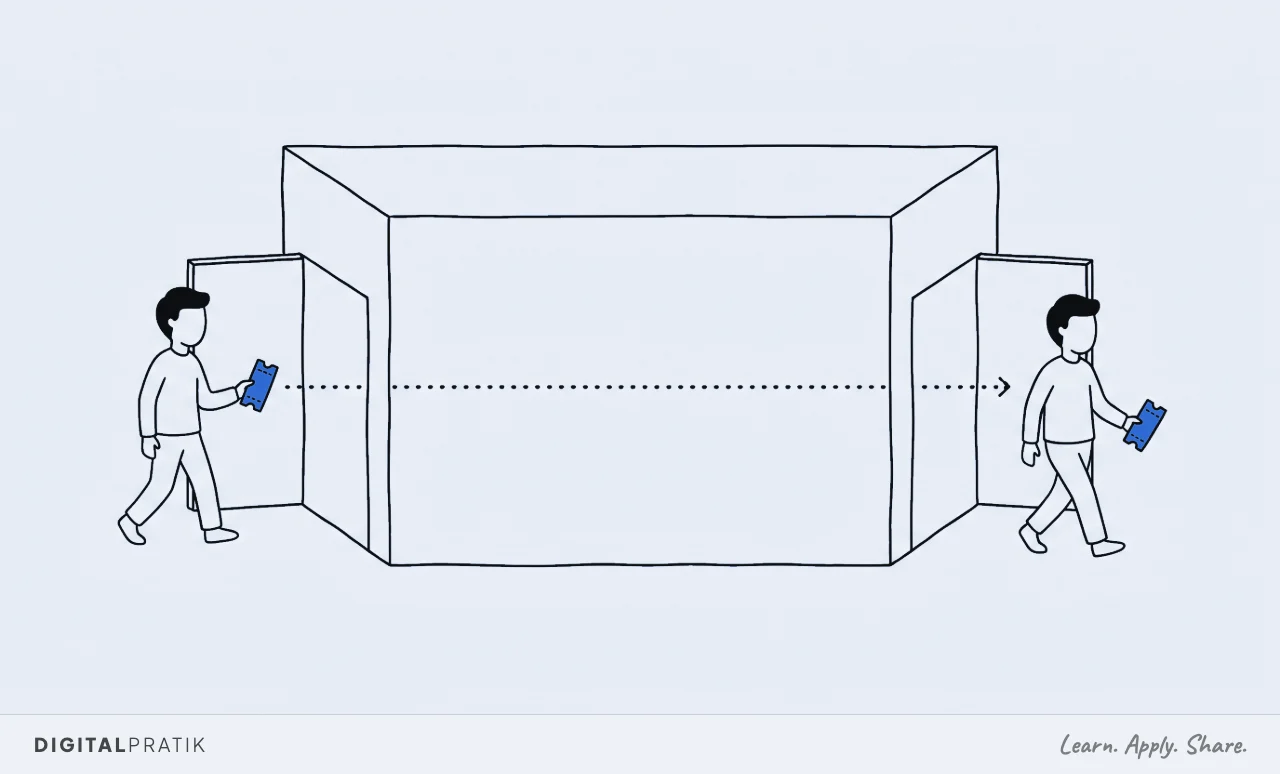
What actually happens
The automation is wired so that the moment a payment lands, I personally get the notification. Not the team.
Me. Then, if I am free, I call.
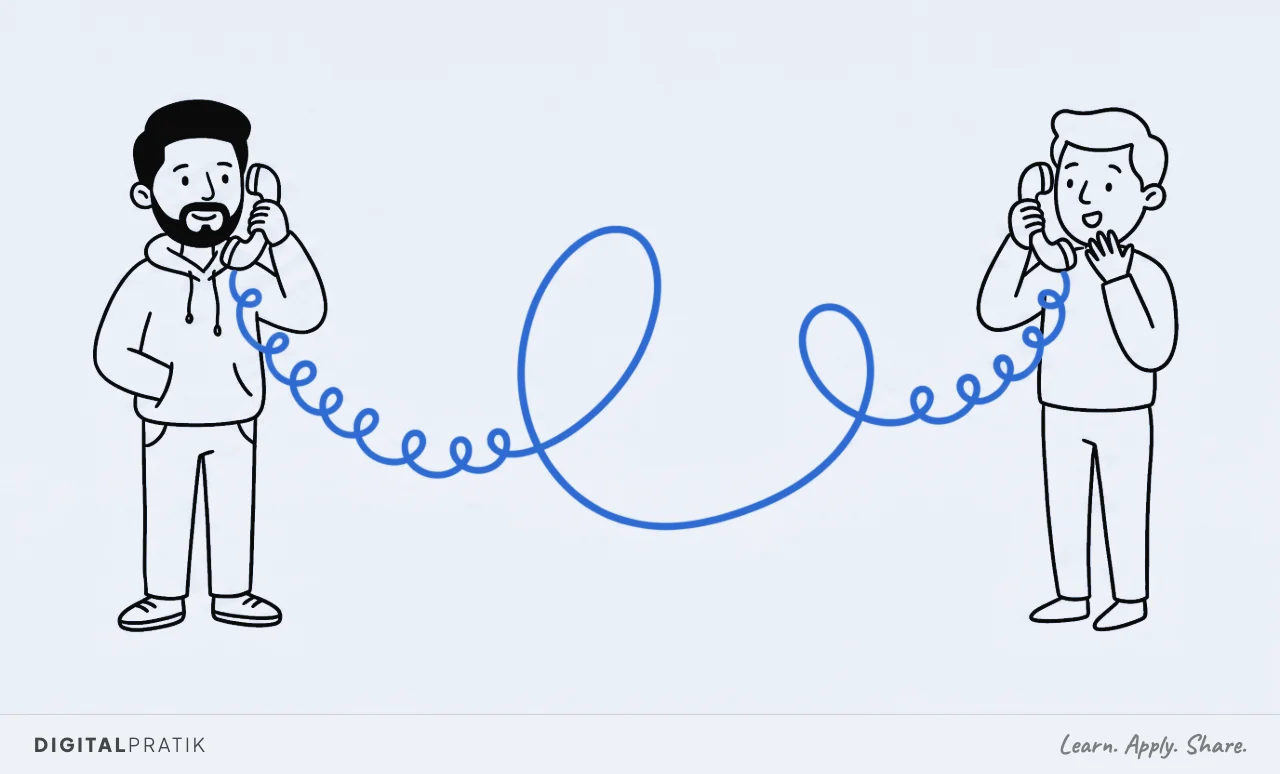
I call from a dedicated business number rather than my personal one, and that same number is the one our messaging runs through, so the whole thread of contact with that person stays in one place. Small detail, and it matters, because the follow-up afterwards comes from a number they now recognise.
The call itself is short and almost aggressively unremarkable. I introduce myself, I say I saw they enrolled, I ask if they have ten seconds.
I explain that we set up an optional one to one before the workshop so I can understand what their business does and what outcome they are expecting. Then we find a slot, and I tell them the calendar invite lands within fifteen minutes.
It does.
It is not going to be a pitching call. It is a knowing call. It is not even a discovery call, because we are not trying to discover and then close.
Why not just call it a discovery call
Because the name changes the behaviour on both sides of the phone, and buyers can hear the difference immediately.
A discovery call has a destination. Both people know it, which means the buyer is defended from the first sentence and you are steering the whole time.
A knowing call has no destination. I am not qualifying them, I am not moving them along a pipeline, and I am not going to close anything on it.
I want to know what they do and what they want.
That absence of an agenda is the entire product. Take it away and it becomes a pitch with a friendlier label, and it will perform like one.
Why a paid front end is doing the heavy lifting
This does not work on a free registration list and I would not attempt it. The reason is the price tag, not the format.
When someone pays, even a small amount, they cross a line. They are no longer a lead who might be interested, they are a buyer who has already decided you are worth money once.
Free attracts everybody, and everybody includes a large number of people who will never buy anything from anyone. A modest paid front end filters that out before you spend a minute of your own time on the phone.
So the sequence is: something paid at the front, an alert to the founder the second it sells, and a human call before delivery. The page that sets it up is covered in the landing page and the thank you page.
Each part is load-bearing.
Scaling the unscalable
The reason almost nobody does this is that it is, by definition, hard. You cannot outsource it on day one.
You cannot fix it overnight. You have to actually pick up the phone, and there is no version where a tool does it for you.
Which is exactly why it works. Here is the irony I keep coming back to: the more AI and automation get wired into everything, the more valuable the un-automated touchpoint becomes.
When everyone is sending personalised messages that are not actually personal, a founder spending fifteen real minutes on the phone is the rarest thing in the market.
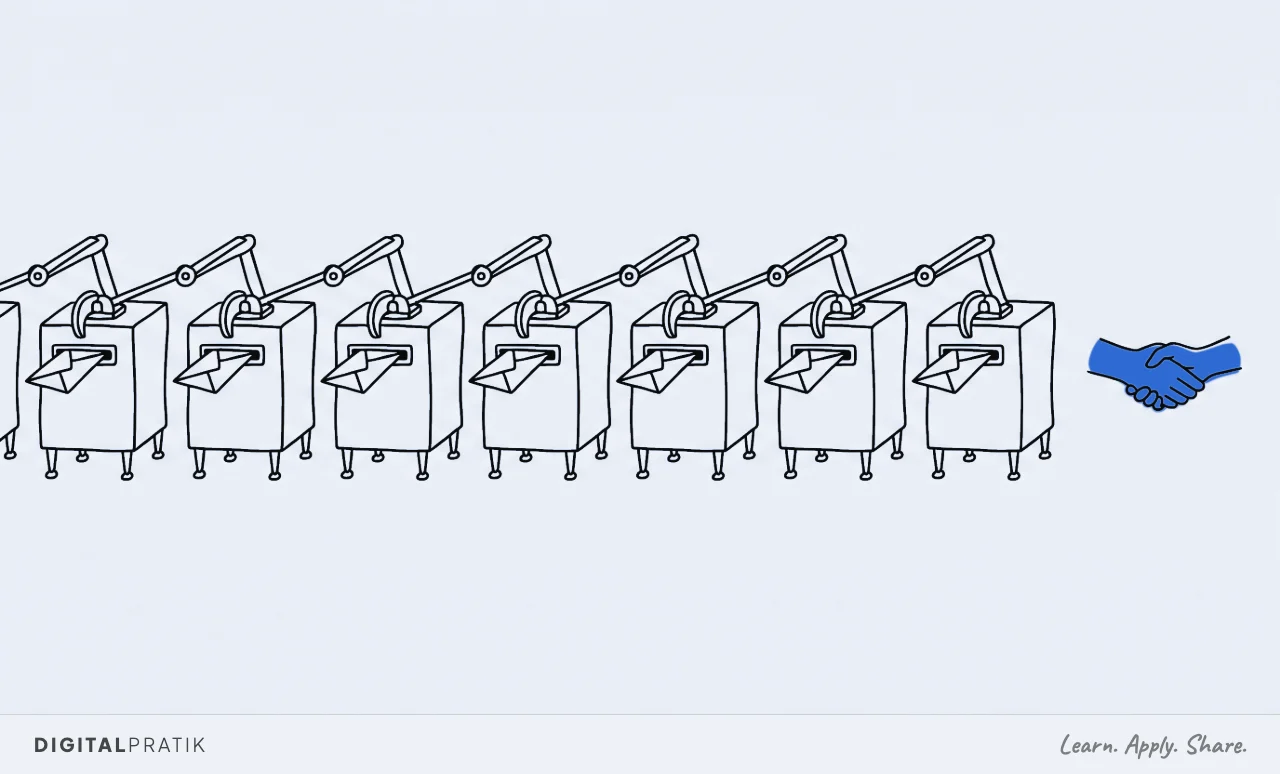
The advantage is not that the call is clever. It is that the effort does not scale, so almost nobody is willing to spend it, so it stays rare.
Reading about a system and running one are different jobs. If your business does AED 10 million a year or more, this is what a working session looks like.
What it buys you that a reminder email cannot
The mechanism is a reclassification. Before the call you are a brand they bought something from.
After it you are a person they have spoken to. Those two things get treated completely differently by the human on the other end.
Nobody hands five figures to a logo. They hand it to a person they trust, and trust is not built by a sequence, however well written.
The call buys that reclassification cheaply, once, and then it compounds through everything that follows: the workshop, the follow-up, the strategy conversation, the proposal.
How to run it if you are not me
The shape transfers to any service business. Three moves.
- Put something paid at the front. A workshop, an audit, a diagnostic, a first consultation. The price matters more than the format. Free attracts browsers, paid attracts buyers.
- Alert the founder in real time. The moment money lands, the notification goes to the person who will make the call. Not to a shared inbox, not to the team.
- Call quickly and do not sell. Ask what the business does and what outcome they want. Book the next thing if it makes sense. Send the invite immediately.
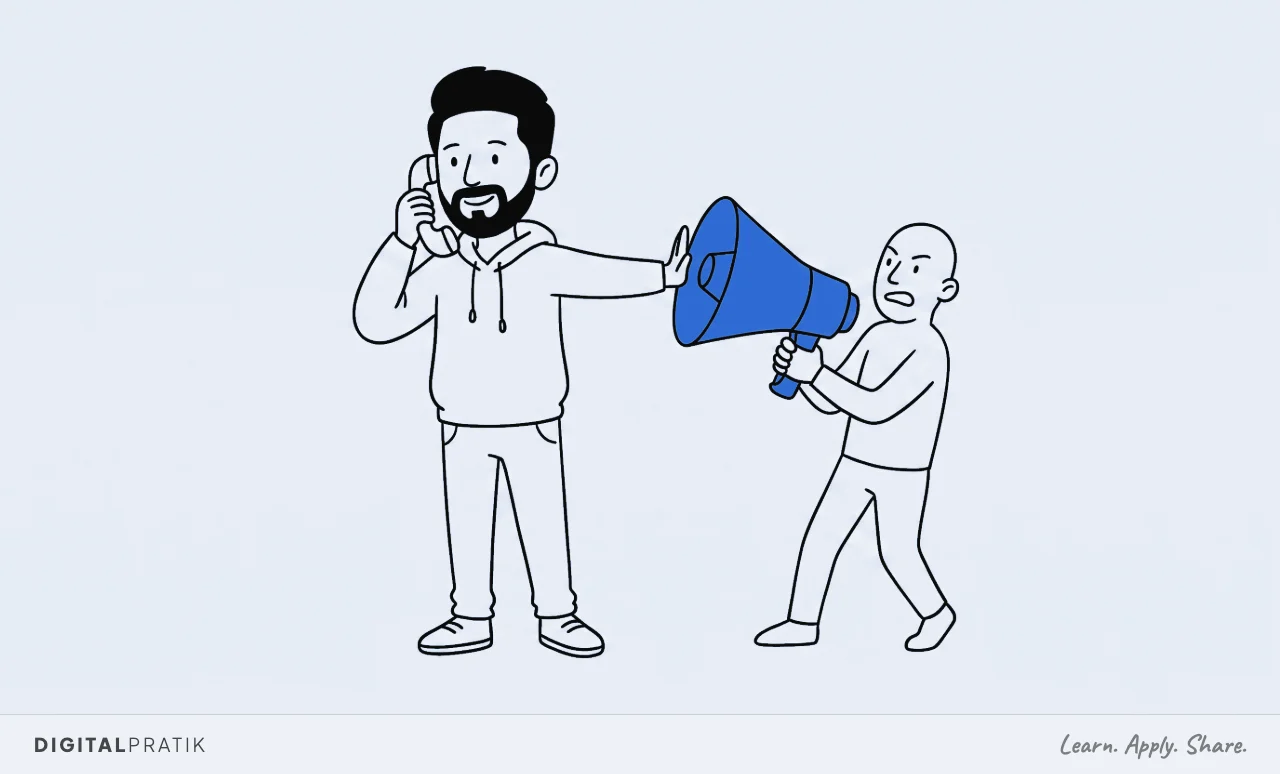
What I actually say on the call
There is no script and that is deliberate, but the shape is consistent enough to describe.
- Name yourself and why you are calling. I saw you enrolled. Nothing mysterious.
- Ask permission for the time. Have you got ten seconds. It sounds small and it changes the whole footing of the call.
- Explain what this is. An optional conversation before the thing they bought, so I understand their business and what they want out of it.
- Book it, then get off the phone. This call is not the conversation. It is the call that arranges the conversation.
- Send the invite immediately. I say within fifteen minutes and I mean it, because the first promise you keep sets the expectation for every one after.
The whole thing runs a couple of minutes. The longer conversation happens later, with someone who now knows who they are talking to.
Why it has to be the founder
Delegate this and it stops working, which is inconvenient because delegating it is the obvious efficiency.
The value is specifically that the person whose name is on the business spent their own time on someone who paid a small amount. A team member making the same call is a pleasant customer service touch.
It does not produce the reclassification, because the thing being signalled is what your time is worth and where you chose to spend it.
Which is also the honest constraint on it. This is buildable at the volume a founder can personally sustain, and it is one of the reasons a modest paid front end works better than a free one: it keeps the number of calls at a level a real human can actually do.
The wider argument about why this kind of contact matters is in depth and width.
Where it fits with everything else
This is not an argument against automation. Almost everything around this call is automated: the checkout, the alert, the invite, the reminders, the delivery, the follow-up.
I would automate more if I could.
The whole design is that you automate everything except the two places where being human is the product: the moment somebody pays, and the fifteen minutes after it. Everything else runs without me.
Those two do not.
It is never AI versus human. It is AI and human, every single time.
The people who get this wrong pick a side, and both sides lose to the ones who do not.
Frequently asked questions
A short personal call a founder makes to someone who has just bought, before any delivery happens. It is not a pitch, not a discovery call and not a qualification screen. The only agenda is to understand what their business does and what outcome they want, which is precisely why buyers respond to it.
Because a call changes how the buyer classifies you. Before it you are a brand they bought from, after it you are a person they have spoken to, and people hand significant money to people rather than to logos. A reminder sequence, however well written, cannot produce that shift.
Much less well, and it is not worth the founder time. Payment is the filter: someone who has paid anything has already decided you are worth money once, while a free list contains a large number of people who will never buy from anyone. A modest paid front end does the qualifying before you pick up the phone.
No, and doing so destroys the mechanism. The value comes entirely from it being the one interaction where nothing is being asked for, and buyers detect a pitch wearing a friendlier label immediately. Sell later, through the relationship the call created.
It does not, and that is the point. Because the effort cannot be outsourced or automated, almost nobody is willing to spend it, which keeps it rare and therefore valuable. The correct approach is to automate everything around it so the founder has the time to do the one part that cannot be automated.
Install this in your business
An article gives you the map. A working session gives you the system, built around what you actually sell and who actually buys it.