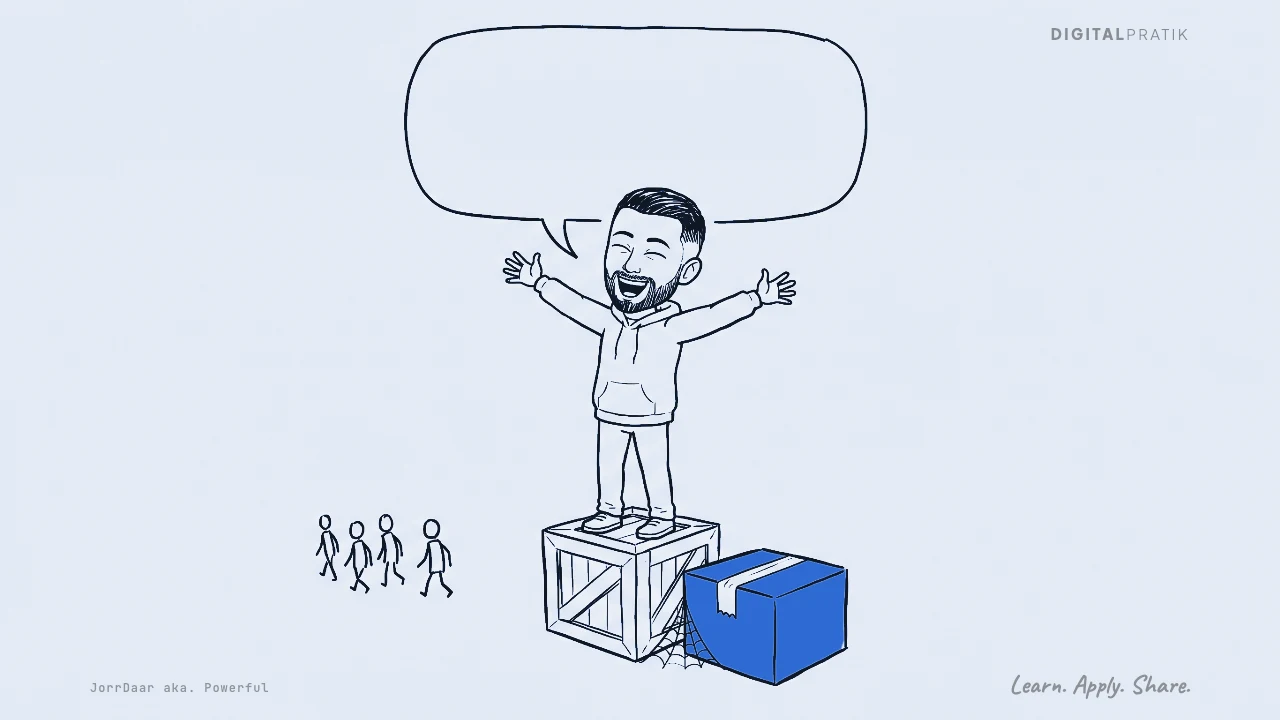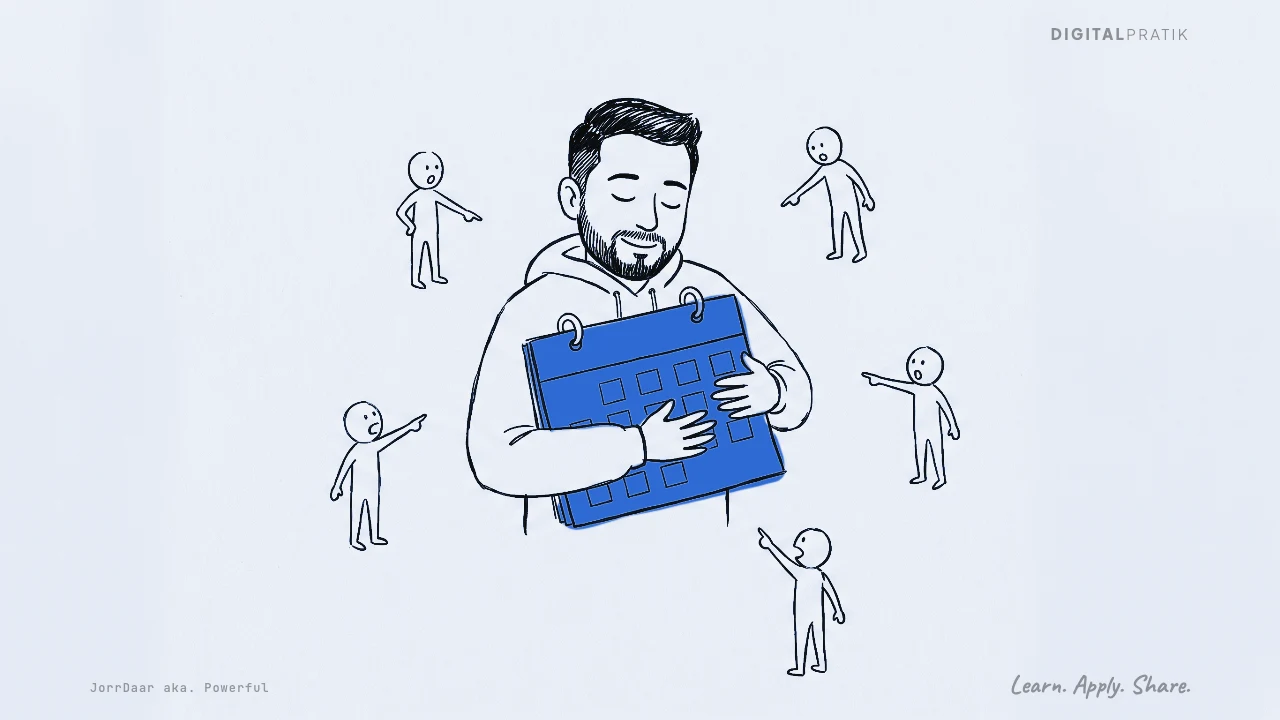
Depth and Width: Why Reach Alone Cannot Sell a High-Ticket Offer
 Digital PratikGrowth Marketing Consultant
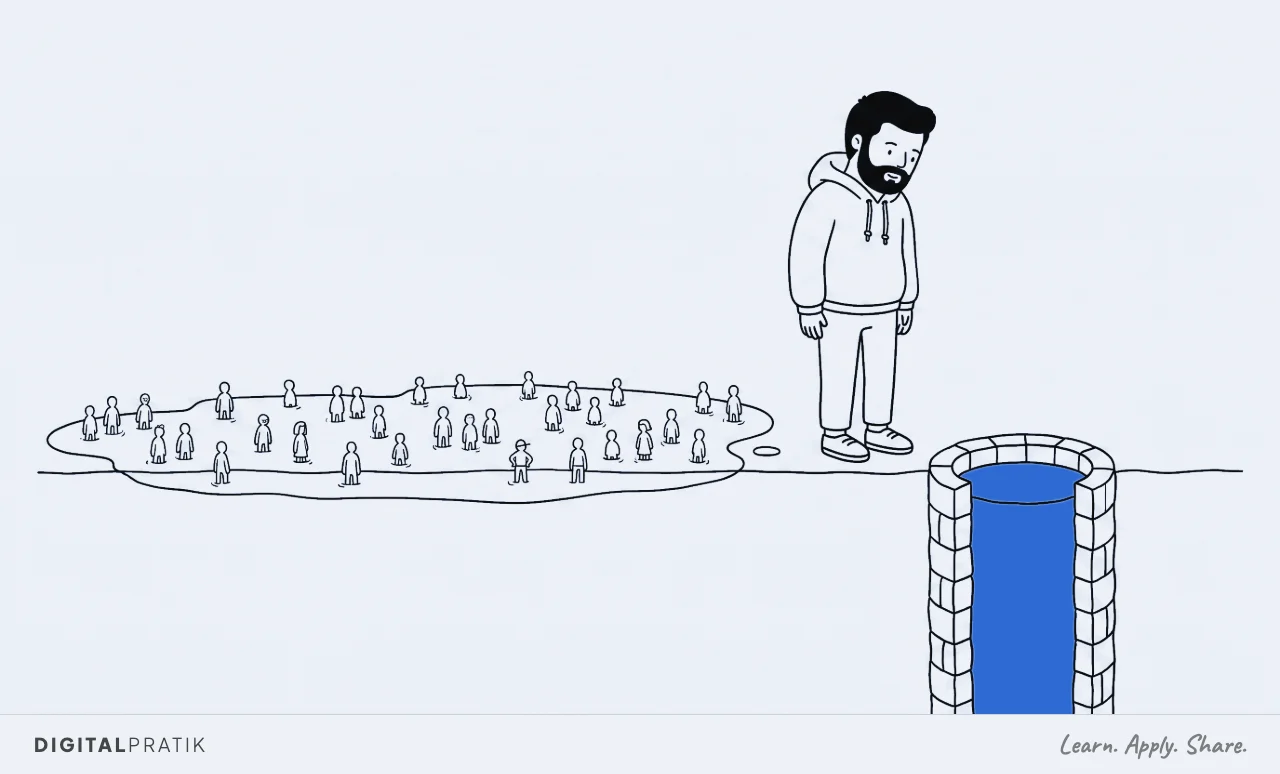
 Your content, ads and reels build width: how many people have encountered you.
Human contact builds depth: how much any one of them actually trusts you.
Width gets you seen and it is genuinely necessary.
But a high-ticket offer closes on depth, which is why an account with large reach and no depth produces attention and almost no revenue.
I call this human to human branding, and it is the thing I think about most when people show me their numbers and cannot understand why nothing converts.
The two axes
Width is how many people have encountered you. Every post, every ad, every reel, every share adds to it.
It is measurable, it feels like progress, and every platform is designed to show it to you constantly.
Depth is how strongly any single one of those people trusts you. It is not on any dashboard.
It comes from a much smaller set of activities: talking to someone directly, being useful to them personally, showing up where they can reach you and answering when they do.
Both matter. They are not in competition.
But they are built by completely different work, and the work that builds width is enjoyable and visible while the work that builds depth is slow and invisible, so people do the first one and quietly assume the second will follow. It does not.
Why width alone stalls
You can sell a cheap, low-consideration thing on width. Enough people see it, a small percentage buy on impulse, the maths works.
That is a real business model and there is nothing wrong with it.
It stops working as the price and the consideration go up. Nobody hands over a serious sum because they saw four good reels.
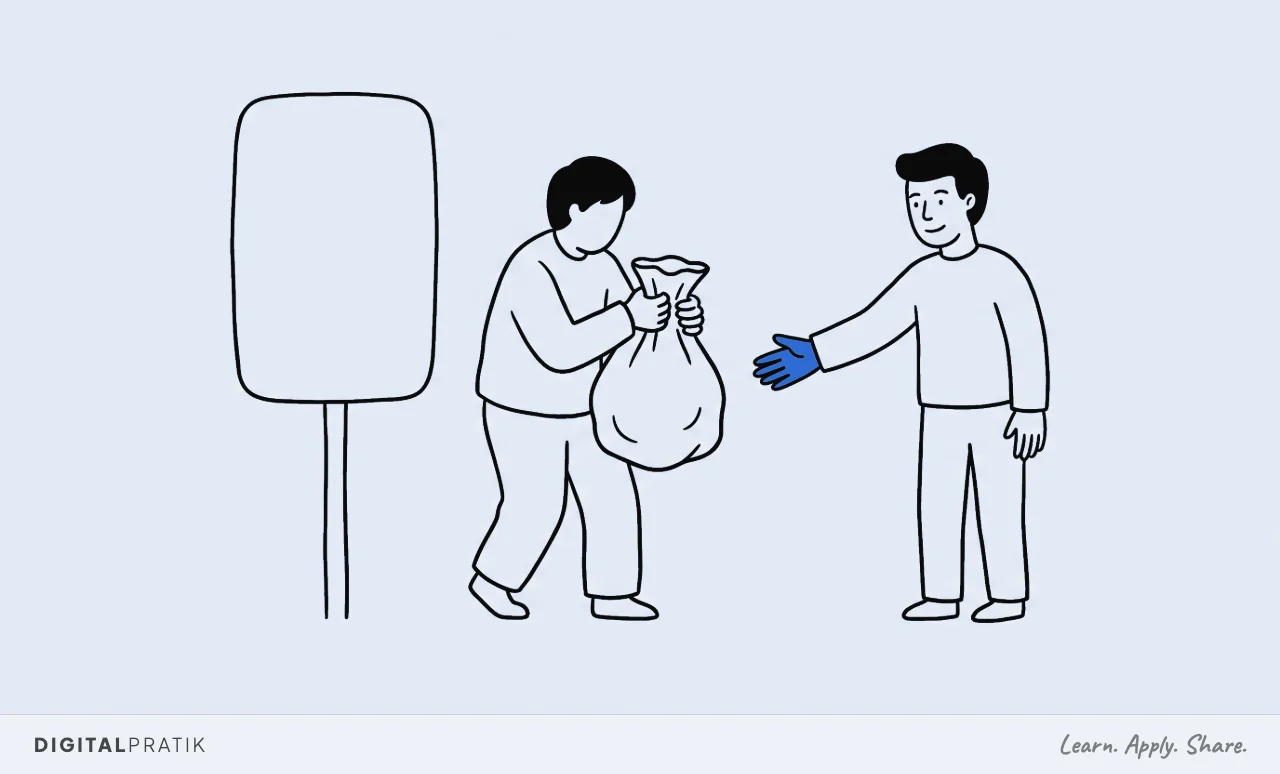
At that price the buyer needs to believe a specific person will actually deliver, and that belief is depth. If you have never built any, your funnel is asking strangers to make a decision that strangers do not make.
This is the real reason behind a pattern I see constantly: a large following, decent engagement, and revenue that makes no sense next to the audience size. Nothing is broken.
There is just no depth anywhere in the system.
What actually builds depth
- Direct conversation. A call, a real reply, a voice note. One exchange beats fifty passive impressions.
- Being useful before there is any reason to be. Answering the question with no hook attached.
- Showing the work rather than the highlight. Including the parts that went wrong, which is the fastest trust-builder there is.
- Being reachable and actually responding. Most accounts of any size are not, and people notice.
- Being physically present. Offline still compounds faster than anything online, which is inconvenient and true.
Notice that none of those scale cleanly, and that is not a flaw in the list. The activities that build depth resist automation by their nature, which is why the people who do them stay rare.
Reading about a system and running one are different jobs. If you are a founder doing $50k a month or more, this is what a working session looks like.
The multiplier effect
Width and depth are not additive, they multiply, which is why the imbalanced versions both feel so frustrating.
Large width with no depth is an audience that watches and never buys. Real depth with no width is a handful of people who would buy anything from you and a business that cannot grow past them.
Neither is a strategy problem. Both are one missing axis.
The way through is deliberate: use content and ads to buy width at scale, then convert a small slice of that width into depth through direct human contact. That conversion step is the one almost nobody builds, and it is the whole ball game.
Where the conversion happens
You cannot have a deep relationship with everyone who has ever seen you, and you should not try. You need a specific, repeatable moment where a person crosses from the wide pool into the deep one.
For me that moment is a purchase, and the crossing is a phone call: the knowing call. Someone buys something small and paid, and within the hour they have spoken to me.
That is the mechanism that turns width into depth, and it is deliberate rather than incidental.
Yours might be different. A first consultation, a site visit, a real reply to a real question.
What matters is that it exists, that it is triggered by something specific rather than by mood, and that a human is genuinely on the other end of it.
Why depth is hard to fake
Every few months a tool appears promising personalised outreach at scale, and every one of them produces the same result: messages that are technically about you and obviously not from a person.
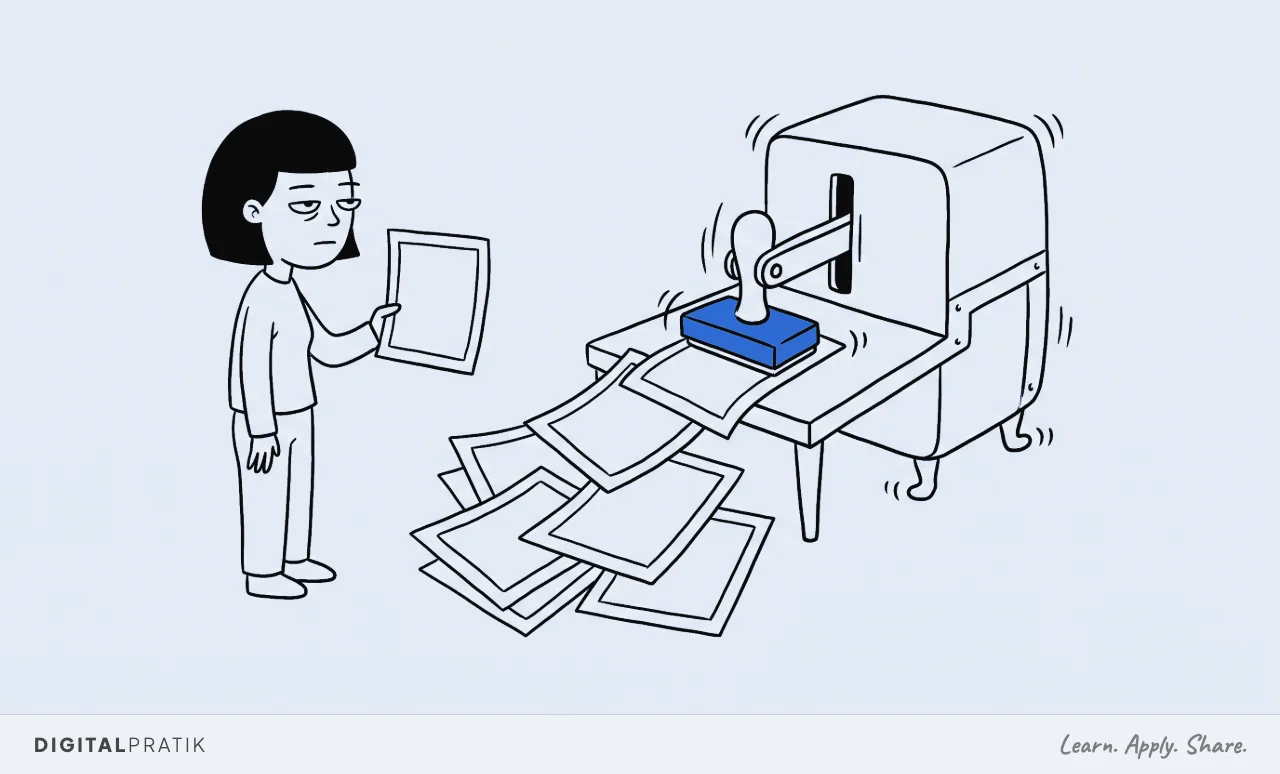
Recipients detect it almost immediately, and the cost is worse than sending nothing, because a faked personal message tells someone precisely how much you were willing to spend on them. Depth is a function of real attention, and real attention cannot be manufactured, only spent.
Depth is what survives a platform change
Width sits on borrowed land. An algorithm change, a policy shift, an account problem, and a large amount of it disappears with no warning and no appeal.
Depth does not move. People who trust you personally will follow you to whatever channel you turn up on next, because the relationship was never with the platform.
Founders who have been through one of those collapses tend to become obsessive about depth afterwards, and they are right to.
How much depth do you actually need
Less than people fear, which is the encouraging part of this.
If you sell a high-ticket service you do not need thousands of deep relationships, you need enough to fill a delivery calendar that is smaller than you think. A business built on a handful of substantial engagements needs a few dozen genuinely warm relationships, not a movement.
That is a completely achievable amount of human contact for one person. It is only impossible if you insist on treating everybody in your audience identically, which is the reflex that width-thinking encourages.
How to tell which one you are short of
Ask two questions honestly. How many people encountered me this month, and how many people did I actually speak to.
If the first number is small, you have a width problem and the answer is publishing and paid distribution, starting with a body of work. If the first number is healthy and the second is roughly zero, you have a depth problem, and no amount of extra reach will fix it.
Most founders reading this already know which one they are, and most of them are the second.
Reach got you the attention. Depth is what turns it into a business.
Frequently asked questions
Width is how many people have encountered you, built by content, ads and reach. Depth is how strongly any individual trusts you, built by direct human contact and genuine usefulness. They are produced by completely different activities and only one of them appears on a dashboard.
Almost always because you have width without depth. Reach alone can sell cheap, low-consideration things, but a significant purchase requires a buyer to believe a specific person will deliver, and that belief only comes from direct contact. Nothing is broken, an axis is simply missing.
No, and attempts to fake it are detected quickly. The activities that build depth, real conversation and genuine usefulness, resist automation by their nature. That is exactly why they retain value: as more of the market automates its communication, the remaining human contact becomes scarcer and therefore worth more.
Build one specific, repeatable moment where a person crosses from your wide audience into direct contact with you, triggered by a defined event rather than by how you feel that week. A small paid purchase followed by a personal call is one reliable version. The trigger matters more than the format.
Yes, or you cap out. Depth with no width is a handful of people who would buy anything from you and a business that cannot grow beyond them. The two multiply rather than add, so a serious weakness in either one limits the whole system.
Install this in your business
An article gives you the map. A working session gives you the system, built around what you actually sell and who actually buys it.