
Stack Bonuses, Never Discount: Why Cutting Price Is the Most Expensive Move You Can Make
 Digital PratikGrowth Marketing Consultant
 A discount teaches the client that your price was never real, and teaches you that the way to close is to give up margin.
Neither lesson is recoverable.
Stack bonuses instead: each one should solve a specific objection, be genuinely valuable on its own, and be introduced at the moment that objection appears rather than sprayed at the start.
The moment a good prospect hesitates on price, there is an almost physical pull toward taking something off the number. It feels like the reasonable thing, it usually works in the room, and it costs you far more than the discount.
What a discount actually teaches
Two lessons, both permanent, and neither is the one you intended.
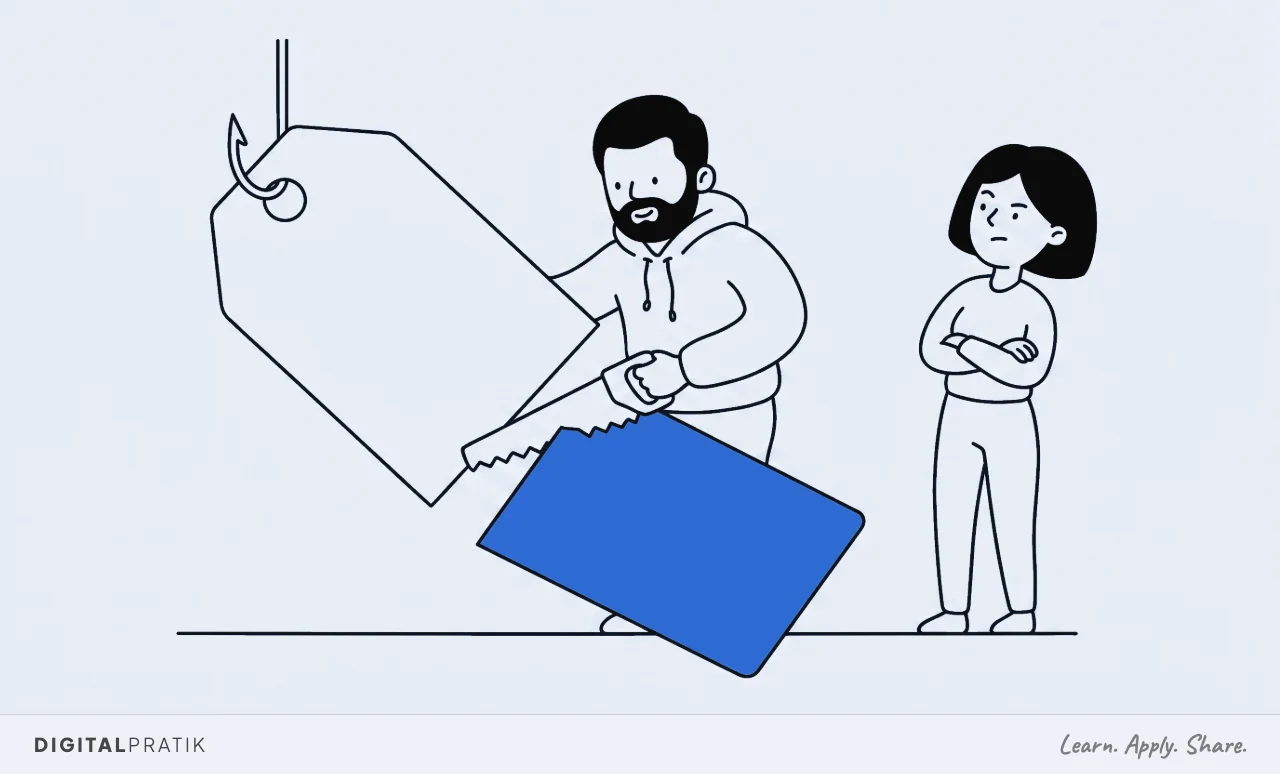
It teaches the client the price was fiction. If a number moves because somebody paused, it was never a number, it was an opening position. Everything you say afterwards about value is heard through that.
It teaches you that closing means conceding. This is the more expensive one, because it compounds. Once discounting is in your repertoire it becomes the reflex on every hesitation, and within a year your effective price is not the one on your page.
And it leaks. Clients talk.
The one who paid full price finds out, and now you have a relationship problem alongside a margin problem.
Do the arithmetic once and you will never discount again
People discount because the number feels small. Twenty percent off sounds like twenty percent of something.
It is not. It comes entirely out of your profit, and your profit is a much smaller number than your price.
Put round numbers on it. Say the offer is 3,000 and it costs you 1,200 to deliver properly.
Your profit is 1,800.
Now discount twenty percent. The price drops to 2,400, and your delivery cost has not moved at all, because the work is the same work.
Profit is 1,200. You gave away 600, which is a third of everything you were going to make.
Then run the other move. Leave the price at 3,000 and add a bonus that costs you 200 to deliver.
Profit is 1,600. You gave away 200 instead of 600.
| Hold the price | Discount 20% | Add a bonus | |
|---|---|---|---|
| Price | 3,000 | 2,400 | 3,000 |
| Cost to deliver | 1,200 | 1,200 | 1,400 |
| Your profit | 1,800 | 1,200 | 1,600 |
| What it cost you | nothing | 600 | 200 |
| What the price now means | the price | an opening position | the price |
Three times cheaper, and that is before you count the part that does not fit in a table: the discounted version also taught this client, and everyone they talk to, that your number moves if they pause long enough.
Why bonuses work instead
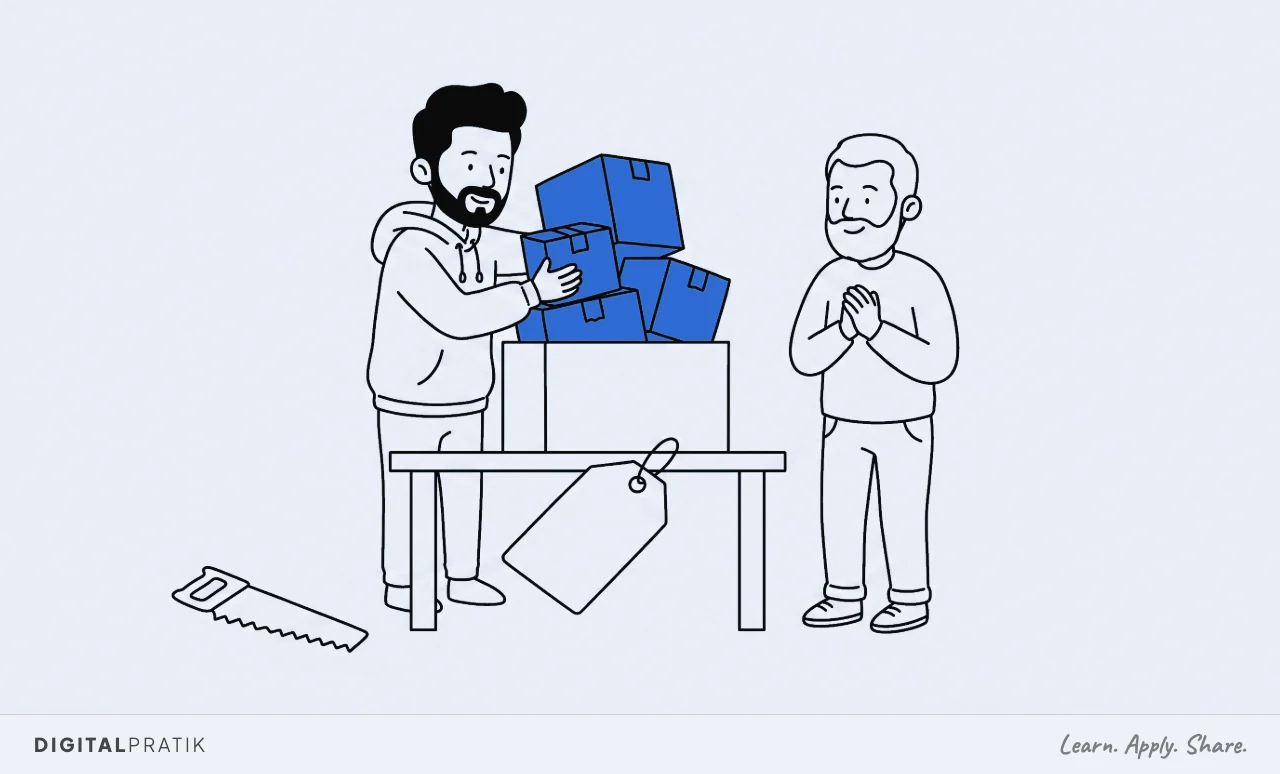
A bonus moves the value up rather than moving the price down. The number stays intact, so nothing you said about it is undermined, and the buyer gets more.
It also usually costs you less than the discount. A discount is cash out of your margin.
A well-chosen bonus is often something you have already built, or can deliver once and give many times.
The rule that makes a bonus work
Each bonus must solve a specific objection or constraint, and be genuinely valuable on its own.
That second part is where most bonus stacking falls apart. A pile of things nobody wants does not add value, it adds noise, and it signals that the core offer needed padding.
Buyers read that instantly.
Match the bonus to the actual objection
When someone hesitates, they are hesitating about something specific. Your job is to work out what, and then hand them the thing that removes it.
| What they say | What the bonus should do | |
|---|---|---|
| Time | "I do not have the bandwidth" | Remove work from their side |
| Belief | "Will this work for us?" | Proof, or a smaller first win |
| Skill | "My team cannot run this" | Training or done-with-you support |
| Risk | "What if it does not work?" | A guarantee, not a bonus |
Notice the last row. Risk is not answered by adding more, it is answered by carrying some of it yourself, which is a different tool covered in the risk reversal article.
Reading about a system and running one are different jobs. If your business does AED 10 million a year or more, this is what a working session looks like.
Timing: hold them back
Do not open with the full stack. Present the core offer on its own merits first.
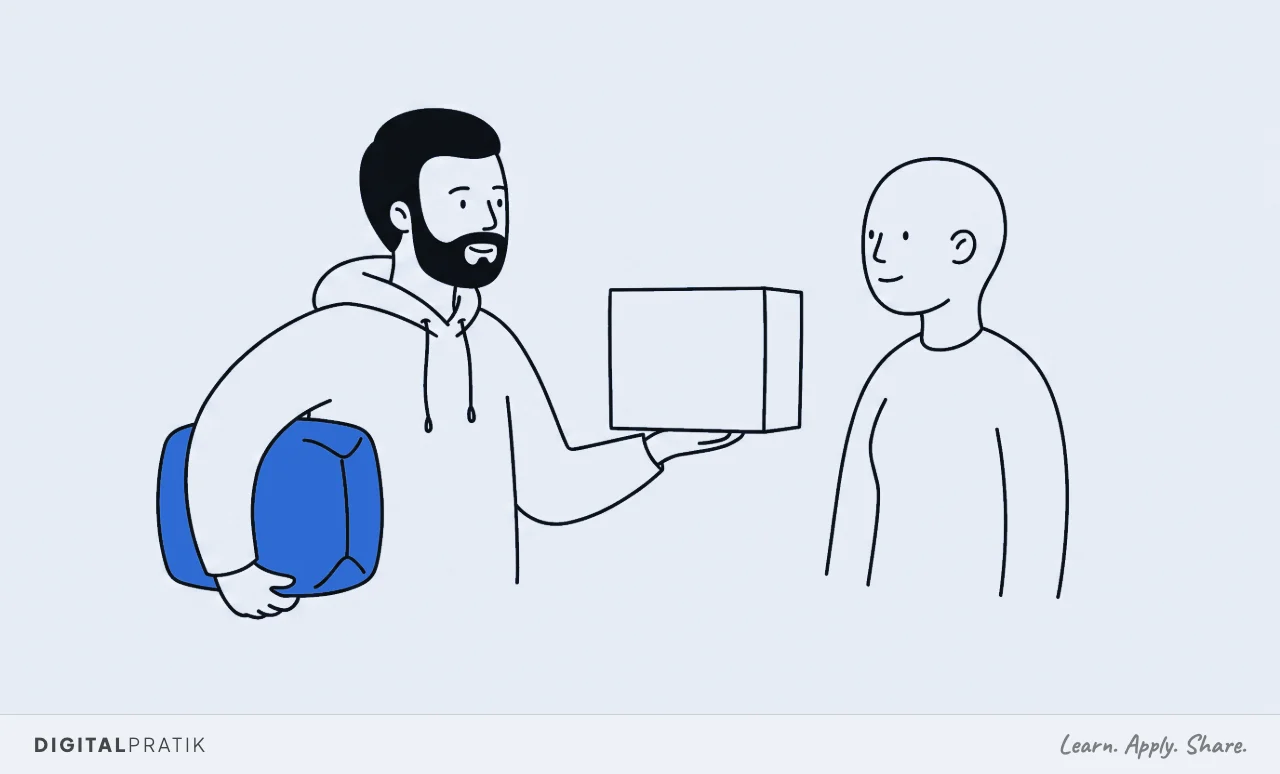
When the hesitation arrives, introduce the one bonus that addresses it. "That is exactly why this includes the setup done with your team rather than handed over." Strategic, not desperate.
Leading with eleven bonuses does the opposite of what people intend. It signals that the core thing cannot stand alone, and it means when a real objection surfaces you have nothing left to reach for.
The delight version
For someone who buys quickly without needing any of it, give the remaining bonuses afterwards, unannounced.
They paid full price without negotiating, which is the behaviour you want more of, and rewarding it after the fact produces goodwill in a way that a discount never does. Discounts reward hesitation.
Surprises reward decisiveness.
When a discount is defensible
I will not pretend it is never. Two cases hold up.
Paying in full upfront instead of monthly. That is not a discount, it is buying cash flow, and it materially shortens your payback window. It is a trade with a clear business reason and you can say the reason out loud.
A genuinely reduced scope. Less work for less money is not a discount, it is a smaller offer. The mistake is charging less for the same thing.
The distinction is whether the number moved because something changed, or because someone paused. If nothing changed except their expression, hold the number.
What to say instead
When the pressure comes, the most useful response is not a concession, it is a question. What specifically is making this feel like the wrong decision right now?
A bonus works because it raises value, and a discount fails because it does not. That is not an opinion, it falls straight out of the value equation, where price is not one of the four things that create value in the first place.
Half the time the answer is not price at all. It is a fear that they will not be able to implement it, or that the timing is wrong, and neither of those is solved by a smaller number.
You would have paid to solve the wrong problem.
Frequently asked questions
Because it teaches the client that your price was never real, and teaches you that closing means giving up margin. The second lesson compounds until discounting becomes your reflex on every hesitation. Discounts also leak between clients, creating a relationship problem alongside the margin one.
Stack a bonus that answers the specific objection behind the hesitation. It moves value up rather than moving price down, so nothing you said about your number is undermined, and it usually costs you less than the discount would.
It must solve a specific objection and be genuinely valuable on its own. The test is whether someone would pay for it separately. A pile of things nobody wants signals that your core offer needed padding, which buyers read instantly.
When the objection appears, not at the start. Present the core offer on its own merits first. Leading with eleven bonuses signals the main thing cannot stand alone, and leaves you nothing to reach for when a real objection surfaces.
In two cases. Paying in full upfront rather than monthly is buying cash flow and materially shortens your payback window. A genuinely reduced scope is a smaller offer rather than a discount. The test is whether something actually changed, or whether the client simply paused.
Install this in your business
An article gives you the map. A working session gives you the system, built around what you actually sell and who actually buys it.