
Reading a Real Customer Journey: What a Tracking Tool Shows That Meta Cannot
 Digital PratikGrowth Marketing Consultant
 Meta credits the last click.
A real buyer journey almost never has one.
In a genuine example from one of my campaigns, a single sale followed five separate ad clicks across seven days, and Meta attributed all of it to the final ad.
The other four looked like they produced nothing, and killing them would have removed the entire mechanism that produced the sale.
Let me walk through an actual purchase from one of my own campaigns, click by click, because this argument is unconvincing in the abstract and obvious once you see it.
What the dashboard said
One campaign, one sale. In the ads manager the credit sits neatly against a single ad.
Clean, unambiguous, and almost entirely misleading.
If that were the only view I had, the conclusion would be straightforward: that ad works, the others do not, move the budget. That conclusion would have been expensive.
What actually happened
Opening the same sale inside the tracking tool shows the full history, and the buyer did not arrive on the day they purchased. They had been in the funnel for a week.
- Day one. Clicked an ad. Did not buy.
- Day three. Clicked another ad. Did not buy.
- Day six. Clicked a video testimonial ad from real attendees of a previous workshop. Did not buy. Clicked the same ad again two minutes later.
- Day eight, early morning. Clicked a third, different ad. Did not buy.
- Day eight, that evening. Clicked a fourth ad, went to checkout, purchased.
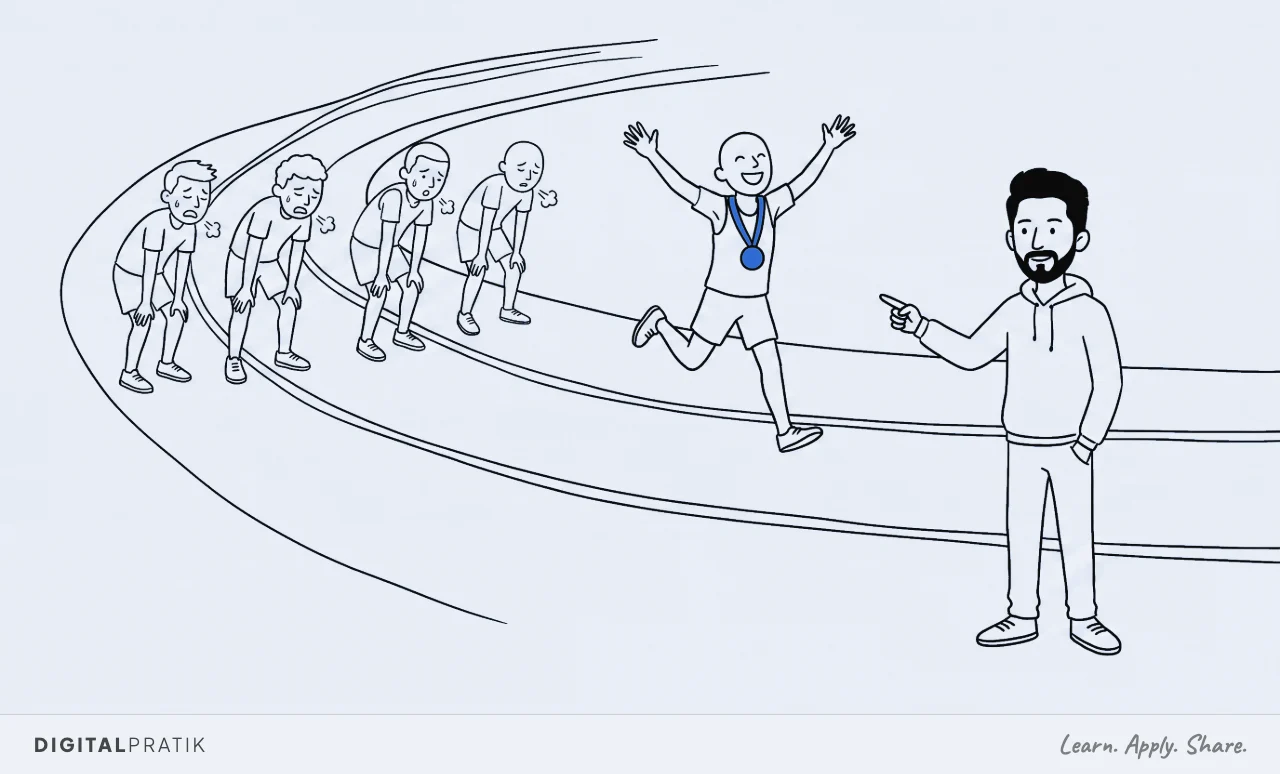
Five clicks, four distinct ads, one purchase. Meta records the fifth and knows nothing of the first four.
What the first four ads were doing
Not failing. Working, in a way the dashboard has no way to represent.
Not all creative converts and it is not supposed to. A great deal of it does brand building.
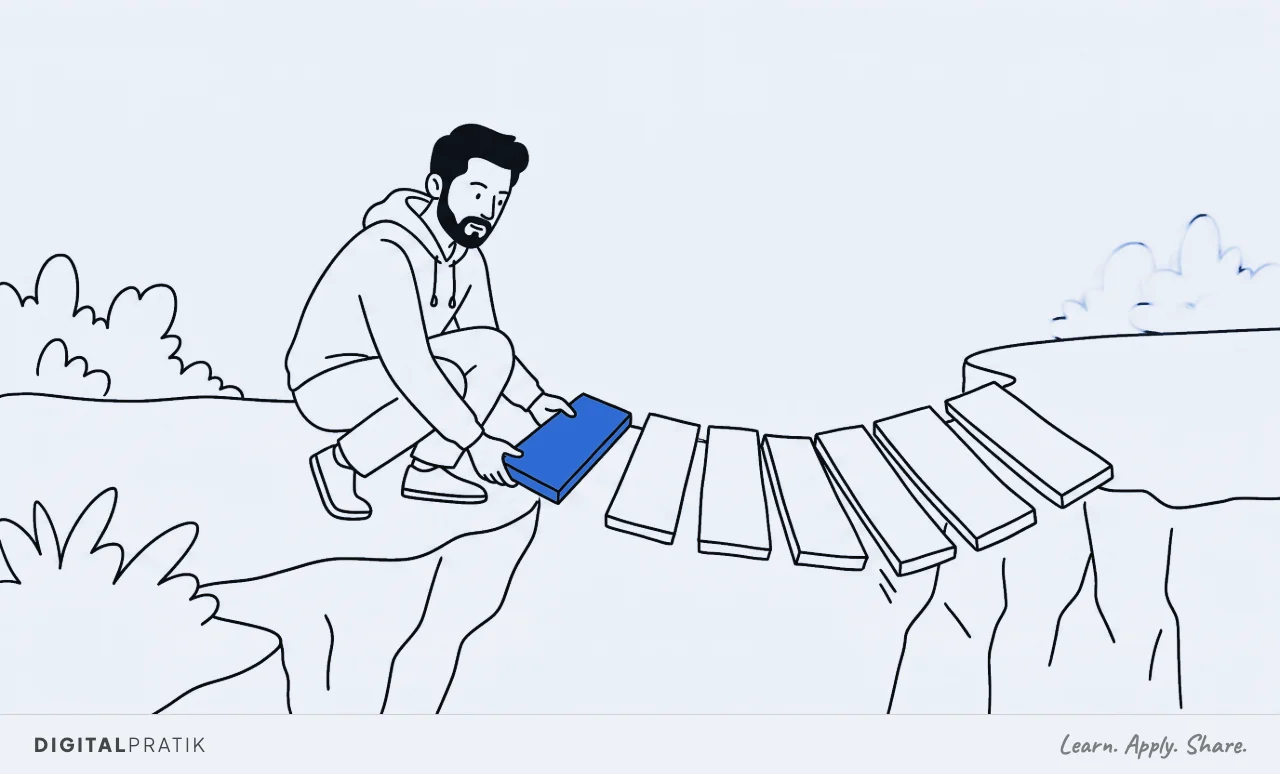
Someone sees an ad, does not act, but now knows you exist. Then they see the testimonial and the objection weakens.
Then they see another angle and the idea gets more concrete. Somewhere in there they may go and look you up organically, find you through a profile rather than an ad, and no ad gets credit for that at all.
By the time the last ad appears, it is not persuading anybody. It is collecting a decision that four earlier touches already made.
Reading about a system and running one are different jobs. If your business does AED 10 million a year or more, this is what a working session looks like.
Why this is not visible in the ads manager
The platform reports on itself, within its own window, using its own rules about what counts. It is not lying, it is answering a narrower question than the one you are asking.
What you want to know is what produced this customer. What it can tell you is which of its own surfaces was touched most recently before the event fired.
Those are different questions, and no amount of staring at the dashboard turns one into the other.
This is why we do not rely on the platform report for scaling decisions. Not because the numbers are fake, but because they are the answer to a different question.
The broader argument is in true ROI versus reported ROAS.
How to read a journey when you have one
Open an actual sale rather than a summary. Then look at three things.
- The first touch. What opened the loop. This is the ad your dashboard hates.
- The middle. What they came back to, and especially anything they clicked twice. Repeat clicks on one creative are a strong signal.
- The gap. How long from first contact to purchase. That number should set your judgment about how long to give an ad before deciding anything.
Do that on ten real sales and you will have a far more accurate picture of your account than any amount of dashboard analysis, and you will almost certainly stop killing ads as quickly as you do now. There is a related piece on when to kill an ad and when to leave it alone.
Why repeat clicks matter so much
In the journey above the buyer clicked the same testimonial ad twice, two minutes apart. That is the most informative event in the whole sequence and no dashboard would ever surface it.
Somebody going back to the same creative immediately is not browsing, they are checking something. Usually it is the moment an objection is being tested against evidence.
When you see that pattern repeatedly on one ad, you have found the piece of creative that is doing the persuading, regardless of what it is credited with.
The gap between first touch and purchase
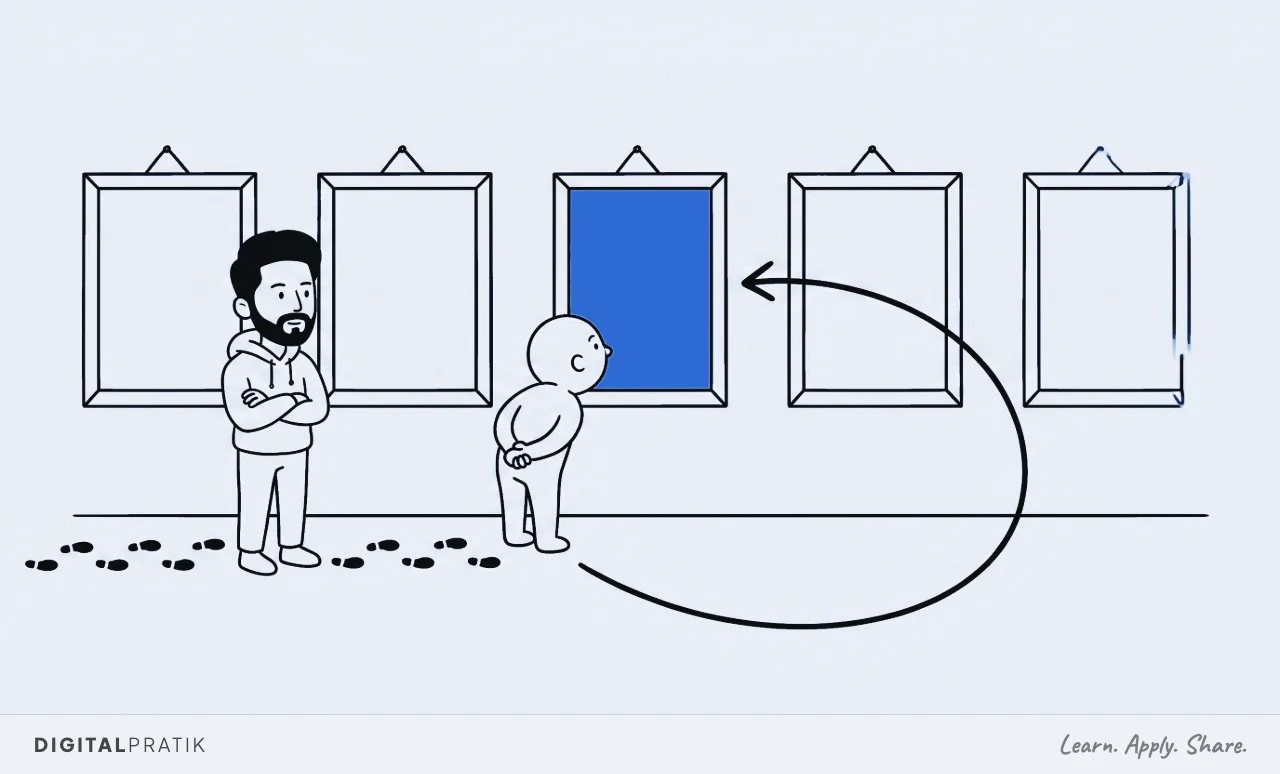
A week, in that example. That single number should govern more of your decisions than it does.
If your typical buyer takes a week to decide, then judging an ad after two days is not impatience, it is measuring before the result exists. Most accounts are killing creative inside a window shorter than their own customers take to buy, and then concluding that nothing works.
Work out your real gap from actual sales, then make it the minimum time any ad gets before you form a view.
What to do if you have no tracking tool
You are not helpless, you are just working with a cruder instrument, and something is considerably better than nothing here.
Ask buyers directly. A single question at checkout or on the first call, asking where they first came across you, gathers a surprisingly usable picture within a few dozen answers.
It is self-reported and imperfect, and it will still show you first touches the platform never credited.
What this changes practically
It changes what you scale and what you protect. Some ads are there to be found, some to build belief, some to collect the decision, and they should be judged against different jobs rather than the same single number.
It also changes how you talk to a client. When someone asks whether the ads are working, the honest answer is that they are, but only if you look at more than the last click.
Being able to open a real journey and show them is considerably more persuasive than arguing about attribution windows.
Frequently asked questions
Because it attributes on a last click basis within its own reporting window. It reports which of its own surfaces was touched most recently before the conversion fired, which is a narrower question than what actually produced this customer, and the two frequently have different answers.
Frequently several across days rather than one. In a real example from one of my campaigns a single sale followed five ad clicks on four different ads across roughly a week, with the buyer clicking, leaving and returning repeatedly before purchasing.
Not on that number alone. Ads that show no direct conversions are often doing the awareness and objection-handling work that makes the final click possible, so removing them tends to degrade the whole account after a delay that makes the cause hard to identify.
The full history behind an individual sale: which ad was clicked first, everything clicked in between, repeat clicks on the same creative, and the elapsed time from first contact to purchase. The ads manager reports on its own last touch and cannot reconstruct the path.
Open ten real sales rather than reading summaries, and note the first touch, anything clicked more than once, and the gap between first contact and purchase. That gap in particular should determine how long you leave an ad running before judging it, which is usually far longer than people allow.
Install this in your business
An article gives you the map. A working session gives you the system, built around what you actually sell and who actually buys it.