The Conversions API: Why the Pixel Alone Stopped Being Enough
 Digital PratikGrowth Marketing Consultant
 The pixel is a piece of browser code, and browsers stopped cooperating with it.
Since iOS 14 in 2021, most people opt out of app tracking, ad blockers are widespread, and a large share of the data a site tries to send back never arrives. The Conversions API sends that data server to server instead, directly from your site to the ad platform, where a browser cannot block it.
Better data means better optimisation and more honest attribution.
If your ads manager insists you got eleven conversions and your own records say twenty-three, nothing is broken in the way you think. The pixel is doing its job.
Its job just got much harder.
This is a plumbing article. It is not glamorous and it quietly decides how well everything upstream of it performs.
What the pixel actually is
The pixel is a small piece of JavaScript on your website. When somebody lands on a page or completes a purchase, that code runs in their browser and reports the event back to the advertising platform.
Everything about that sentence depends on somebody else's browser choosing to cooperate. For most of the last decade it did.
Then it stopped.
What changed, and when
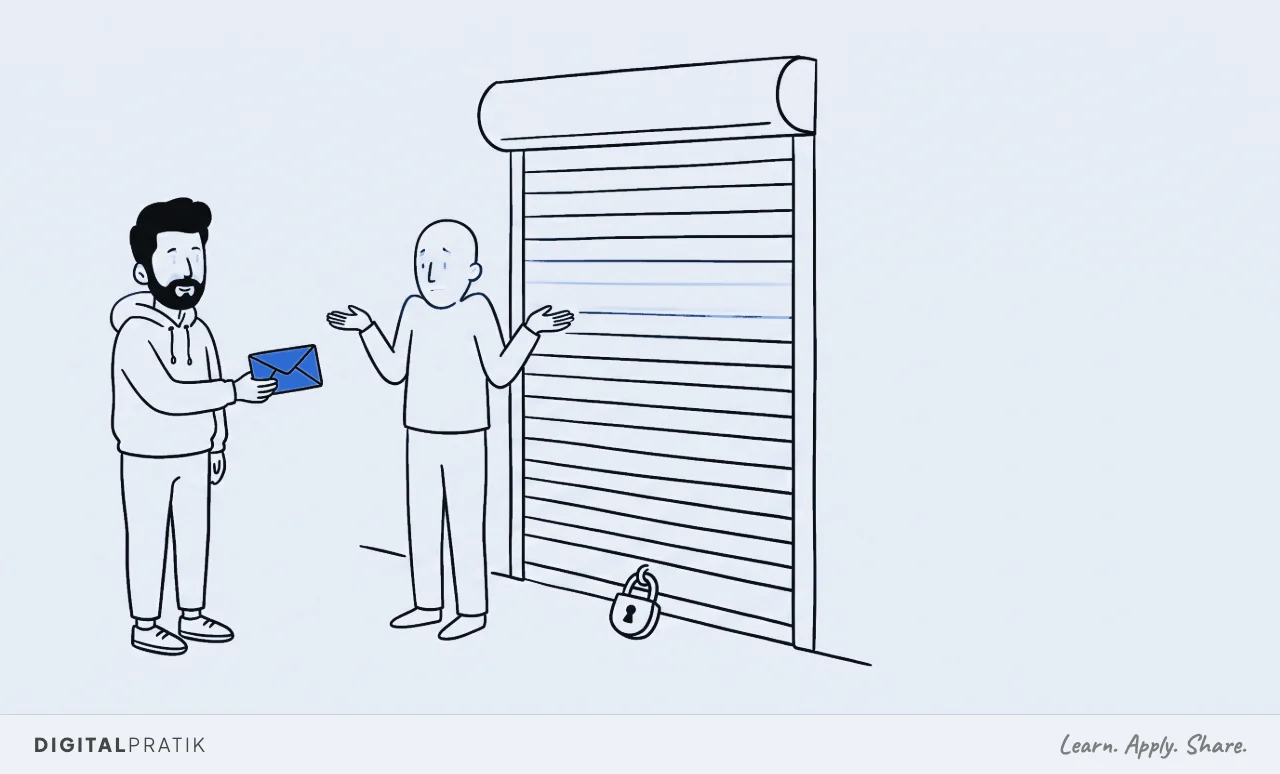
In March 2021 Apple released iOS 14, which asked users directly whether apps could track them across other companies' apps and websites, with opting out as the easy path. The overwhelming majority declined.
The effect was larger than it sounds, because the opt-out was applied to a person rather than to a device. Data from somebody who declined gets dropped even when it arrives from a device that was never an iPhone.
Add widespread ad blocking and browsers that restrict third-party cookies by default, and a substantial share of everything a website tries to report never lands. That is the environment every ad account now runs in.
What the Conversions API does differently
The Conversions API, usually shortened to CAPI, creates a direct connection between your own server and the advertising platform. Your site tells the platform what happened, rather than asking the visitor's browser to pass the message along.
That single change removes the failure point. A browser cannot block a message it is not carrying.
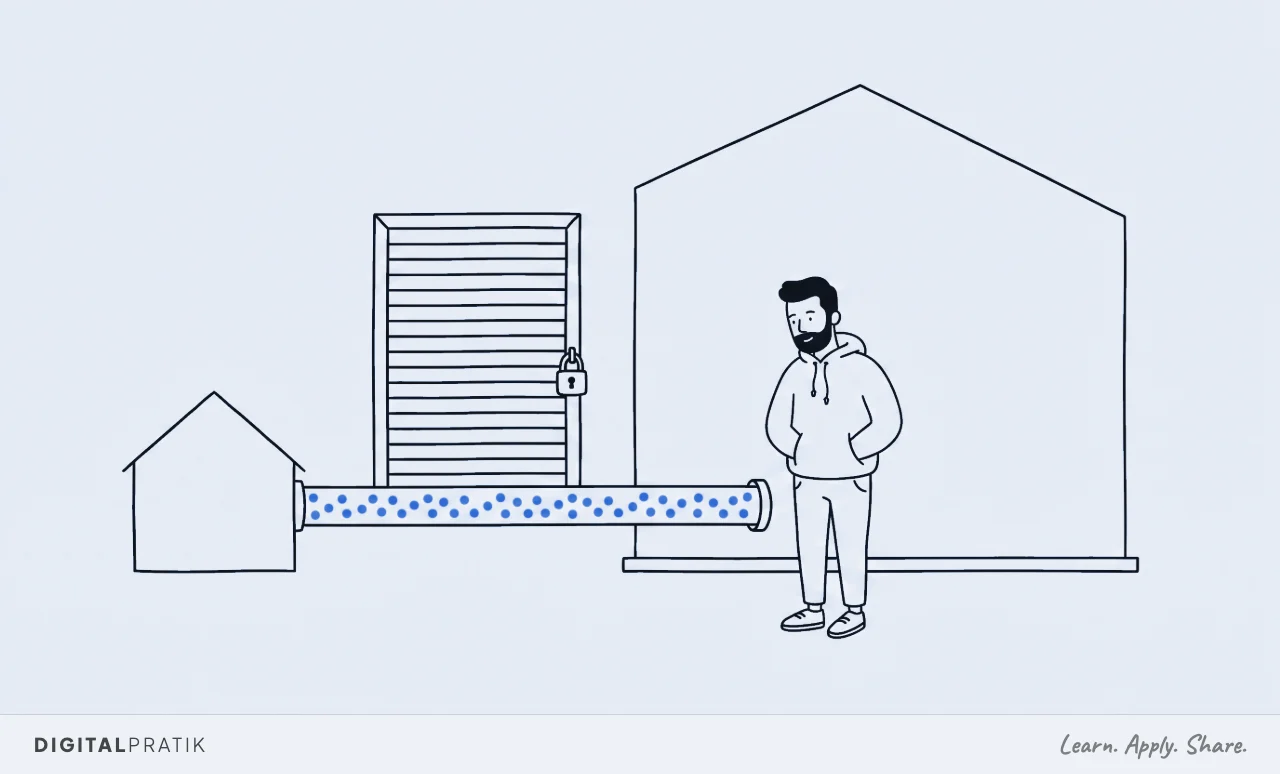
- It is not blocked. Server-to-server traffic is out of reach of ad blockers and browser privacy settings.
- It carries more. Order value, product details and hashed contact details can travel with the event.
- It is immediate. Events are sent in real time rather than waiting on a page to load correctly.
- It deduplicates. Events carry identifiers so the platform can tell the pixel and the server are describing the same purchase, not two.
Why this matters more than a tidier report
It is easy to read all this as an accuracy problem, something that annoys the person doing the reporting on a Monday. That undersells it considerably.
Ad platforms find more buyers by studying the buyers you already got. If half of those never make it back, the machine is learning from half a picture and looking for more people like an incomplete sample.
Feed it better data and it finds better people, faster.
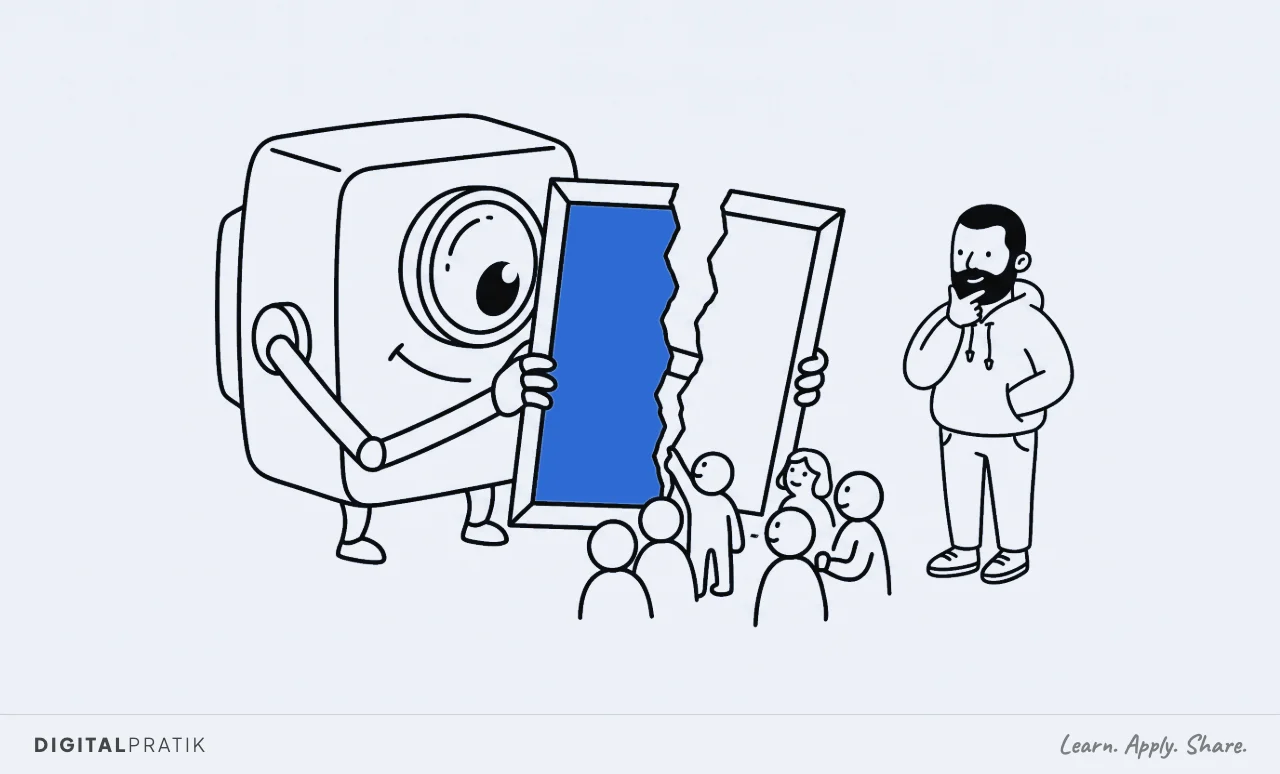
So the real return is not the report. It is the optimisation, and it compounds.
That loop is the subject of feeding the pixel back.
Reading about a system and running one are different jobs. If you are a founder doing $50k a month or more, this is what a working session looks like.
It is not a replacement for the pixel
This is the most common misunderstanding. CAPI runs alongside the pixel, not instead of it.
The pixel still catches useful browser-side signals, and the server connection fills in what the browser loses.
Which is exactly why deduplication matters. Both channels report the same purchase, and without matching identifiers the platform counts it twice, and you end up optimising toward a number that is inflated in a way nobody notices for a month.
The three ways to set it up
| Route | What it involves | Suits |
|---|---|---|
| Build it yourself | Your developer works against the platform documentation | Custom-built sites, in-house technical capacity |
| The platform gateway | The ad platform's own guided setup | Teams with some technical comfort |
| A third-party tool | A service handles the connection and the matching | Most service businesses, if the spend justifies it |
Not all connections are equal, which is the part that gets skipped. A CAPI setup that sends thin or badly structured data delivers a fraction of the benefit while giving everybody the comfortable feeling that tracking has been sorted out.
Do you actually need it yet?
Honest answer: not necessarily. At small spend the data loss is real but the absolute cost of it is small, and your time is better spent on the offer and the creative, which are still where most of the outcome lives.
It becomes worth the effort when spend is meaningful enough that a percentage of misattributed revenue is a real number, when you are trying to scale and the platform keeps making decisions you disagree with, or when the gap between your dashboard and your bank has grown too large to ignore.
What it will not fix
It will not fix a business where the sale happens on a call weeks later. Server-side tracking improves what gets back to the platform, but a conversation that closes in a meeting room is still not an event on your website.
It will not fix last-click logic either. The platform still credits whichever ad was touched last, so the ads that opened the loop still look poor. Attribution when the sale happens on a call deals with that case specifically.
And it will not fix a weak offer. Better data on a bad offer gets you to the truth faster, which is genuinely useful and is not the same as growth.
Plenty of accounts have gone through a careful tracking project and discovered, with much better numbers than before, that the thing being sold was the problem all along.
What to do about it this month
- Measure the gap. Compare conversions in the ads manager against your payment records for the same period. That percentage is your data loss.
- Decide whether it is material. Apply that percentage to your spend. If the number is small, leave it and go fix the creative.
- Pick the lightest route that works. Most service businesses are better served by a tool than by a build.
- Check deduplication before you trust anything. If conversions suddenly double the week you switch it on, they did not.
- Re-measure the gap afterwards. If it did not close, the connection is sending thin data and needs fixing rather than celebrating.
The whole point is a shorter, more honest feedback loop between what actually happened and what the machine buying your traffic believes happened. Everything else you do to the account is downstream of that.
Frequently asked questions
The Conversions API, often shortened to CAPI, is a direct server-to-server connection between your website and an advertising platform. Instead of relying on browser code to report what happened, your server sends the event itself. Because it never runs in a browser, it cannot be blocked by ad blockers or browser privacy settings.
No, it runs alongside it. The pixel still captures useful browser-side signals and the server connection fills in what the browser loses. Because both report the same events, the setup has to include deduplication identifiers, or the platform will count the same purchase twice and you will optimise toward an inflated number.
It did not stop working, its environment changed. Since iOS 14 arrived in 2021, most users decline app tracking, ad blockers are common, and browsers restrict third-party cookies by default. The pixel is browser code, so every one of those changes reduces how often it reports successfully, and none of them are under your control.
No. At small ad spend the data loss is real but the money it costs you is not, and your effort is better spent on the offer and the creative. It becomes worth doing when spend is large enough that a percentage of misattributed revenue matters, or when the gap between your dashboard and your bank has grown too big to ignore.
Both, and the performance side matters more. Ad platforms find new buyers by studying the buyers you already converted, so when a large share of conversions never make it back, the system is learning from an incomplete sample. Feeding it complete data improves who it goes looking for, not just what it tells you afterwards.
Install this in your business
An article gives you the map. A working session gives you the system, built around what you actually sell and who actually buys it.