
DCTOC: Testing Creative Inside One Campaign Instead of Twenty
 Digital PratikGrowth Marketing Consultant
 DCTOC is Dynamic Creative Testing inside One Campaign, using dedicated creative tests rather than a separate campaign per idea.
You sort by amount spent, descending, because the platform pushes budget toward what is working.
A winning test is one that consumes the majority of the spend while still beating the KPIs you agreed before launching.
Both halves of that sentence matter.
Most testing structures I get shown are twenty campaigns, each with a theory, none with enough budget to prove anything. Here is what I run instead.
What the structure is
Dynamic creative testing inside one campaign. Rather than spinning up a campaign per idea and splitting your budget into portions too small to learn from, the tests live together and the campaign decides where the money goes.
The practical benefit is that you stop babysitting twenty things and you stop starving every one of them. A test with a trivial budget produces a result you cannot trust, and twenty untrustworthy results is not data, it is noise you paid for.
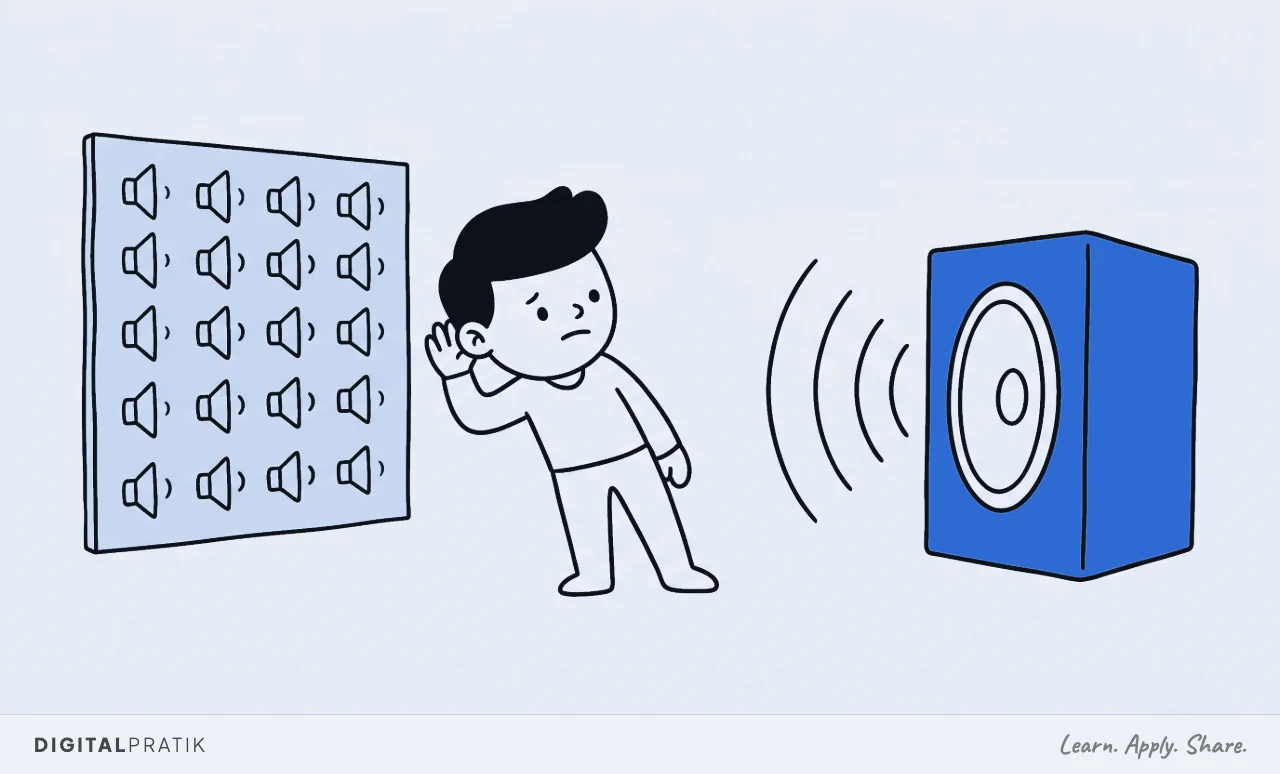
Sort by spend, descending
The first thing I do when reviewing is pull the last seven days and order by amount spent, highest first. That is not an aesthetic preference.
The delivery system pushes budget toward whatever it is finding traction with. So spend is a signal in itself, and sorting that way puts the candidates for winners at the top of the screen immediately, rather than making you hunt for them.
It takes seconds and it is the fastest read available on an account you have not looked at in a week.
The definition of a winner
This is the part people get wrong, and it is worth stating precisely.
A winning creative test is one that consumes the majority of the spend while beating the base KPIs.
Both conditions, together. High spend on its own just means the system found it cheap to deliver, which is not the same as it working.
Beating the target on a tiny spend just means you got a small, unrepresentative sample. Neither is a winner.
The thing you are looking for is a creative that took real money and still performed.
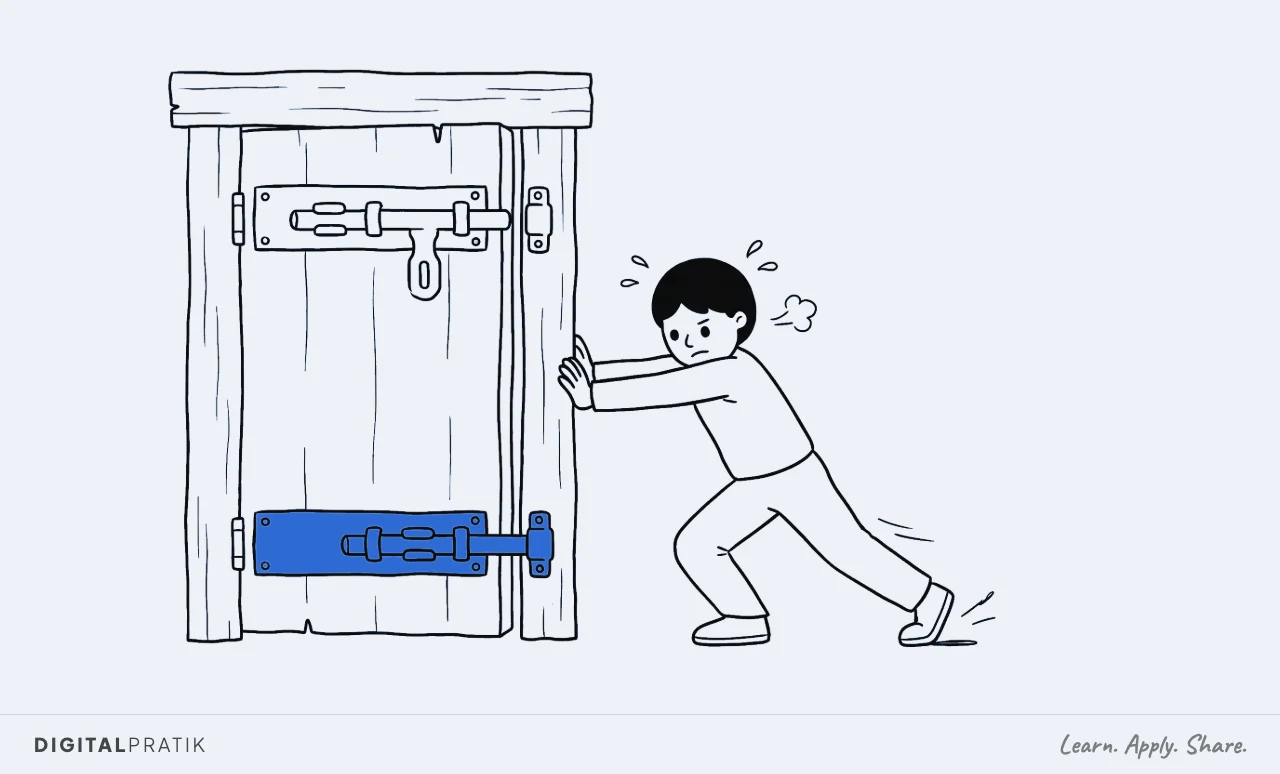
Base KPIs, and when to set them
Base KPIs are the numbers an account has to hit, agreed before anything launches. Three components, and all three are required for the target to mean anything.
- A cost ceiling. The most you can pay for a new customer lead. Derived from your own economics, not from a benchmark. That calculation is here.
- A return floor. The minimum acceptable return, measured on new customers rather than blended with everything else.
- The daily spend it must hold at. The level at which both of the above have to remain true. Without this the other two are meaningless.
That third one is the piece almost everybody omits, and it is the one that makes the target honest.
New customer return, not blended
Blended return combines all revenue, which means it quietly includes your repeat customers, your existing list and anybody who was going to buy anyway.
That number will always look better and it will not tell you whether the advertising is acquiring anyone. New customer return isolates the thing you are actually paying to do.
When someone shows you a return figure, the first question worth asking is which of the two it is, and the answer is frequently the flattering one.
The broader version of this argument is true ROI versus reported ROAS.
Reading about a system and running one are different jobs. If your business does AED 10 million a year or more, this is what a working session looks like.
Why the spend level is part of the target
Results at ten dollars a day and results at three hundred dollars a day are different results, and treating them as comparable is one of the more expensive misunderstandings in this business.
At a small budget the system serves your warmest, cheapest, easiest audience. Everything looks good.
As you scale you reach colder, more skeptical people, costs rise, and the account that looked wonderful stops working. Nothing broke.
You just left the easy pool. What that does to an account is covered in what actually breaks when you increase the budget.
So a target has to name the spend level. Hitting a cost target at a trivial budget is not evidence you can hit it at a serious one, and any target that does not say at what scale is not really a target.
A word on the screenshots you have seen
Return-on-spend screenshots circulate constantly and they are almost always missing the three things that would let you evaluate them: the actual product, the daily spend, and the fluctuation across a real period.
What gets posted is the best day. It is a photograph of somebody at their absolute peak presented as though it were how they look every morning.
It is not dishonest exactly, it is just not information, and building your expectations on it is how founders end up believing their own perfectly healthy account is broken.

Ask for the spend level and the time period. The answer, or the absence of one, tells you everything.
What this looks like in practice
- Agree the three base KPIs from the real economics, in writing, before launch.
- Run dedicated creative tests inside one campaign rather than one campaign per idea.
- Review on a seven day window, sorted by spend descending.
- Identify creatives taking real spend and still beating target. Those are your winners.
- Scale those, and leave the rest running long enough to know whether they were opening the loop rather than closing it.
That last point matters more than it sounds, because a creative showing no direct return is often doing the work that lets another one convert. Before you cut anything, read when to kill an ad and when to leave it alone.
The reason this structure holds up
Media buying skill has largely collapsed into the platform. What is left for you to control is the creative, the message, and the honesty of the numbers you judge them against.
DCTOC is just a way of keeping those three things clean: enough budget on each test to learn something, a clear definition of what winning means, and targets set before the results could influence them. That is unglamorous and it is most of the job.
Frequently asked questions
Dynamic Creative Testing inside One Campaign, using dedicated creative tests. Rather than launching a separate campaign for each idea and splitting the budget into portions too small to learn from, the tests run together inside one campaign and the delivery system allocates budget toward what is gaining traction.
It must consume the majority of the spend while still beating the base KPIs agreed before launch. Both halves are required: high spend alone only means the system found it cheap to deliver, and beating a target on a tiny budget only means the sample was too small to trust.
The numbers an account must hit, agreed before anything launches. There are three parts: a cost ceiling for acquiring a new customer, a minimum acceptable return measured on new customers, and the daily spend level at which both must remain true. Omitting the third makes the other two meaningless.
Blended return combines all revenue, including repeat customers and people who would have bought anyway, so it always looks better. New customer return isolates what the advertising is actually acquiring, which is the only figure that tells you whether the spend is working.
Because a small budget serves your warmest and cheapest audience first, so everything looks efficient. Scaling reaches colder and more skeptical people, costs rise, and an account that looked excellent appears to break when in fact it simply left the easy pool. Any target must therefore state the spend level it applies at.
Install this in your business
An article gives you the map. A working session gives you the system, built around what you actually sell and who actually buys it.