
Contextual Messaging: Why the Same Person Needs a Different Ad at 9pm
 Digital PratikGrowth Marketing Consultant
 A cohort is not a demographic.
It is a specific person, at a specific awareness level, at a specific moment, and all three of those move.
The same human being seeing your ad at eight in the evening over dinner is not the same audience as that person at nine, and someone on their fourth encounter with you is at a different level from where they were on their first.
When people hear "know your audience" they think of a demographic. Thirty-five to forty-five, business owner, urban, this income band.
That is a description of a category of human, and it is almost useless for writing an ad.
Three things move, not one
The demographic is the only one people account for, and it is the one that moves least.
- Who they are. Role, stage, situation. Fairly stable.
- What they already know. Their awareness level. Moves every time they encounter you.
- What state they are in right now. Moves hour to hour.
Before an event I run, everyone in that room has spent their day doing something completely different. Some came from a client crisis, some came from a quiet morning, some are half thinking about something at home.
Same room, same demographic, entirely different receptivity. That is true of your feed at every hour of every day.
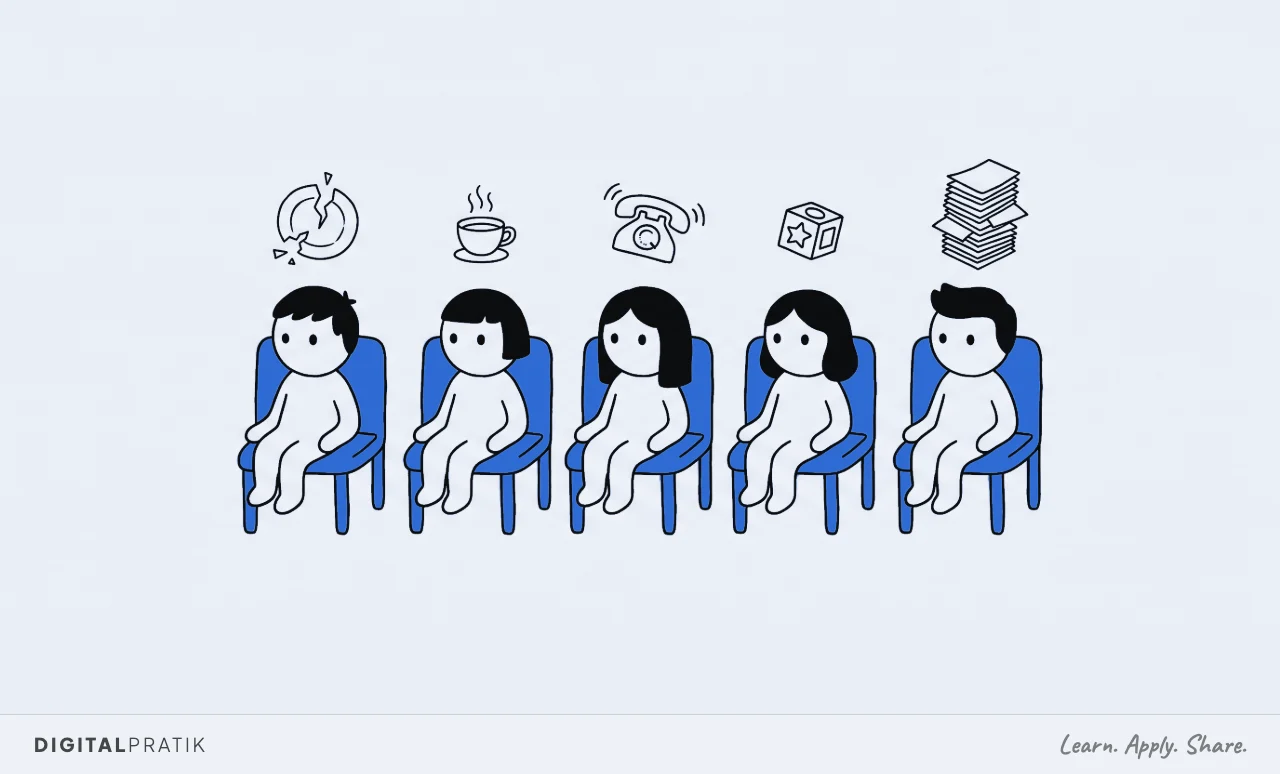
The 8pm and 9pm problem
Someone seeing your ad at eight in the evening might be at dinner with their family, or out with friends. The same person at nine, on the sofa, phone in hand, is in a different mindset toward exactly the same message.
You cannot control which moment you catch. What you can do is stop writing every ad as though it is being read by someone sitting at a desk with a notepad, ready to evaluate a business proposition.
Touchpoints move the level
This is the part that connects context back to awareness. Every time somebody encounters you, they move.
First encounter, they might be problem aware and have never heard of you. Fourth encounter, they are solution aware and know your name.
Same person, one month apart, and the ad that was right the first time is now condescending.
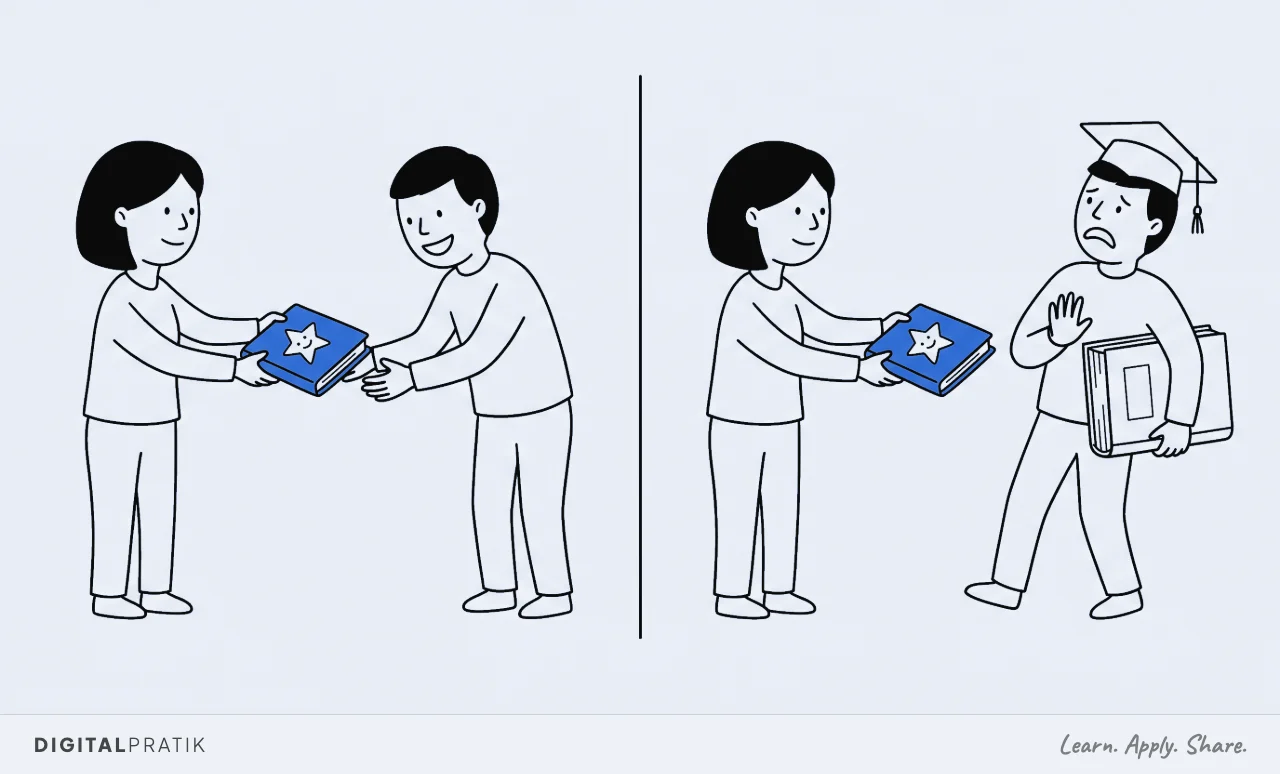
So the question is not only "which awareness level is this cohort at". It is "which awareness level are they at given how many times they have already seen me".
The five levels are covered properly in the awareness levels article.
Reading about a system and running one are different jobs. If your business does AED 10 million a year or more, this is what a working session looks like.
You cannot target a moment, so write for one
There is no setting for "people who are receptive right now". Which is fine, because the answer is not targeting, it is coverage.
Run enough messages at enough levels that whoever is receptive at any given moment finds something that fits them. That is the real argument for creative volume, and it is a better argument than the usual one about fatigue.
You are not making fifteen ads to avoid boring people. You are making fifteen ads because fifteen different states of mind are scrolling past you tonight.
| Moment | What lands | |
|---|---|---|
| A | First ever encounter, distracted | One line that names their problem |
| B | Third encounter, curious | Why your approach is different |
| C | Actively looking, focused | Proof, then the offer |
How many versions this actually implies
If three things move independently, the number of contexts is not three, it is all of them multiplied. That sounds unmanageable until you count it properly.
Say you have 5 kinds of buyer, and each one can arrive at any of 5 awareness levels. That is 25 combinations before you have considered mood or time of day at all.
Nobody is making 25 ads.
| Combinations | What you make | |
|---|---|---|
| In theory | 5 buyers x 5 levels = 25 | Nobody does this |
| In practice | 5 buyers x 3 levels | 15, and 12 of them are one line changed |
| Starting out | 2 buyers x 3 levels | 6 |
The reason the practical number is manageable is that you are not building 15 ads. You are building one body and changing the opening for each combination, which is why the modular structure matters so much here rather than being a production nicety.
And you can drop two of the five levels early on. Most aware needs almost no work, because those people convert on a plain offer.
So the real spread is across the three in the middle, and that is where the fifteen comes from.
Start at six. Two kinds of buyer you genuinely understand, three levels each.
That is a fortnight of work and it will teach you more than a year of rewriting one ad.
The assumption that ruins it
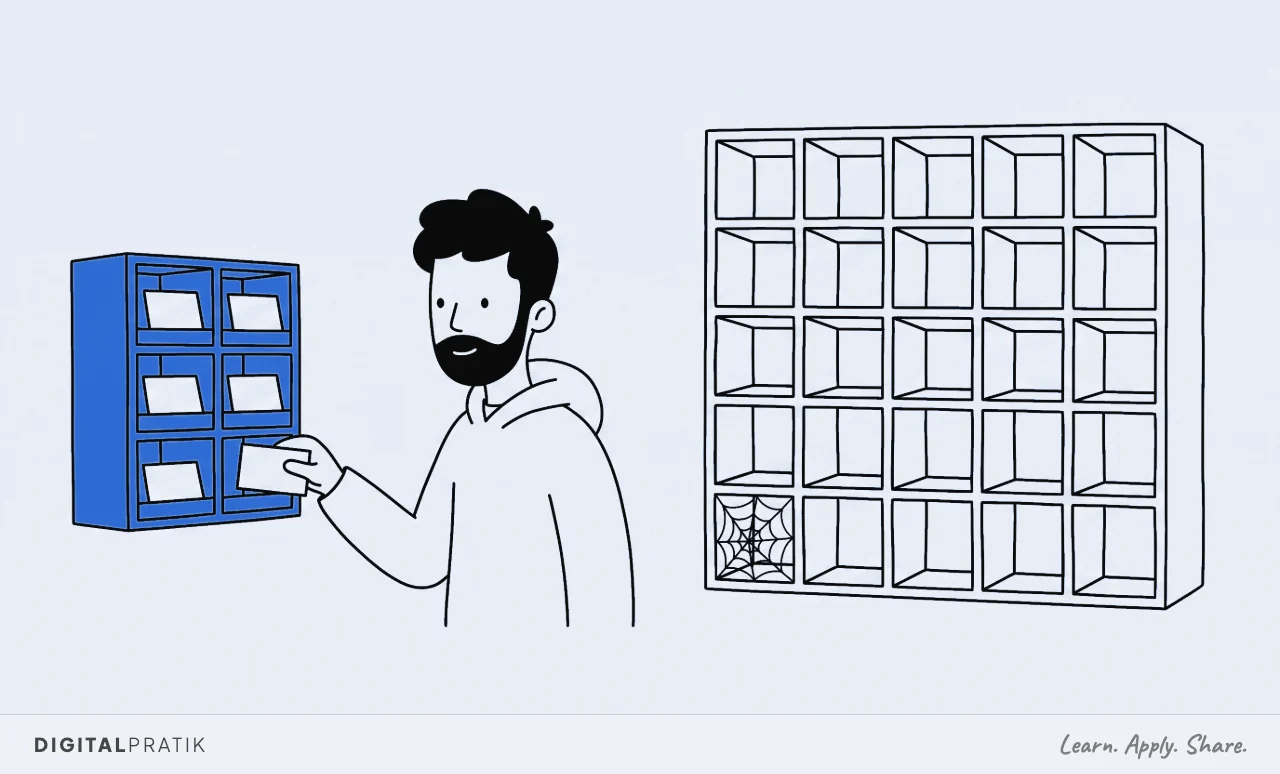
The default mistake is to write as though the person watching already knows you and already has the problem. Both assumptions, at once, on every ad.
Say you are selling a microphone. "This is our new model, buy it." "This is the black variant, our latest, buy it." "Listen to that sound quality, buy it." Every one of those assumes brand knowledge and an existing microphone problem.
Most people scrolling have neither, and they are not being rude when they scroll past. They were never addressed.
How to use this without overthinking it
Two practical habits, and they are enough.
First, before writing anything, ask what this person already knows and what state they are likely in. Not their age.
What they know.
Second, make sure your account contains messages for people at different distances from you, rather than fifteen variations aimed at the same place. Variations of one message is not coverage.
It is the same ad in different clothes, and it meets exactly one moment.
Frequently asked questions
Writing for the person's actual state rather than their demographic. A cohort is a specific person, at a specific awareness level, at a specific moment, and all three move. Someone at dinner at eight and the same person on the sofa at nine are effectively different audiences.
It changes receptivity, which you cannot target directly. The practical consequence is that an ad requiring concentration only works on the minority of impressions where someone had concentration to give, while an ad that lands in one line works across far more moments.
Every encounter moves someone along the awareness levels. Somebody on their first encounter may be problem aware and not know you exist. By the fourth they are solution aware and know your name, so the ad that was right the first time now reads as condescending.
No, there is no setting for receptivity. The answer is coverage rather than targeting: run enough messages at enough awareness levels that whoever is receptive at any given moment finds something written for them.
That is the usual argument and it is the weaker one. The better reason is that many different states of mind are scrolling past you tonight, and fifteen variations of the same message only meets one of them. Coverage across levels beats variations within one.
Install this in your business
An article gives you the map. A working session gives you the system, built around what you actually sell and who actually buys it.