
Building a CEO Command Center: What a Founder Should See on One Screen
 Digital PratikGrowth Marketing Consultant
 A CEO command center is one screen that shows the state of the business and the decisions waiting on you, and nothing else.
The founder opens it in the morning, understands where things stand in about a minute, and approves what needs approving with one tap.
The discipline is starting narrow, with the one or two things that hurt most, and expanding only as it earns trust.
Most founders run a serious business off their gut and a dozen open browser tabs. Sales lives here, delivery lives there, the numbers live in a spreadsheet somebody updates when they remember, and capacity is anybody guess.
The two jobs a command center has
It does two things and everything else is decoration that will quietly kill it.
First, it tells you the state of the business. Not everything measurable, the handful of things that would change what you do today.
Second, it surfaces the decisions that are waiting on you, in one place, ready to be answered.
That second job is the one people leave out, and it is the difference between a dashboard and a command center. A dashboard informs you.
A command center hands you the work only you can do and then gets out of the way.
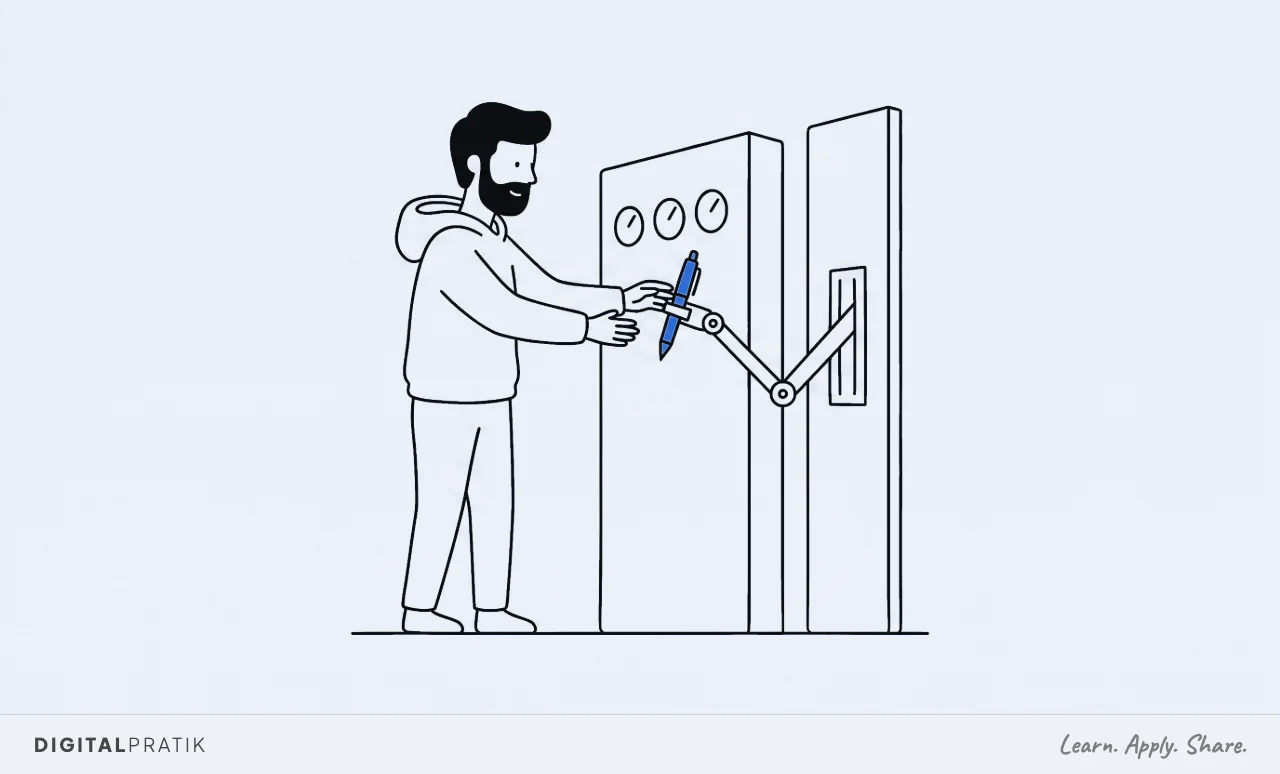
What belongs on it
The specifics change by business, but the shape is consistent. Six things, and I would fight to keep it at six.
- What came in. New enquiries, new work, new revenue. The top of the machine.
- What is in flight. Where things stand in the pipeline, and what has gone quiet.
- What is owed. Money out the door that has not come back yet. The number founders avoid.
- Capacity. Whether the team can actually take on what is coming. The most ignored number in a service business.
- The handful of real numbers. Not thirty. The ones that would change a decision.
- Decisions waiting. Approvals, flags, borderline calls. One tap each.
On the numbers, resist the urge to include everything you can measure. I have written the short list separately in the five numbers a founder should see every morning, and the principle is that a number earns its place by changing behaviour rather than by being available.
What does not belong on it
Just as important and much harder to enforce, because every one of these is genuinely interesting and none of them changes what you do today.
- Anything you would not act on. The test for every metric: what would I do differently if this number moved? No answer means it comes off.
- Vanity numbers. Followers, impressions, total leads with no quality attached. They feel like progress and they are weather.
- Historical detail. A command center is about today and this week. Deep analysis belongs somewhere you go on purpose, not on the screen you open every morning.
- Anything updated by hand. One stale figure poisons trust in every accurate one next to it.
The rule that survives contact with reality: if adding something would make the screen take longer than a minute to read, it needs to displace something rather than join it.
The sixty second test
Here is how I judge whether one of these is finished, and it is deliberately a test of the screen rather than of the technology behind it.
Hand it to the owner cold, with no explanation. If they cannot tell you within a minute whether the business is having a good week or a bad one, and cannot say what the single most pressing decision is, it is not done.
Not because they are slow. Because the screen is doing the wrong job.
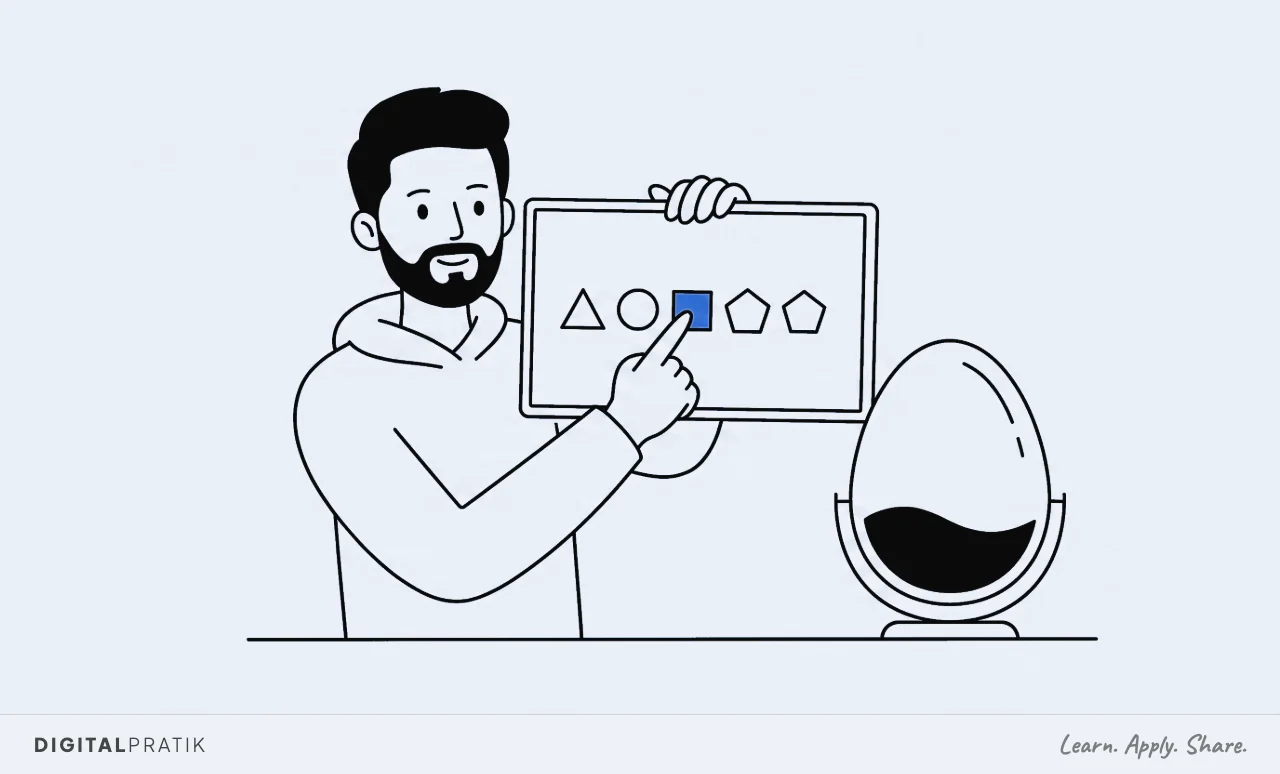
Almost every failure I see at this stage is a screen that answers "what happened" beautifully and never answers "so what should I do". Those are different questions and only the second one gets a founder to open it every morning without being reminded.
Start narrow. This is the whole discipline
The failure mode is building the complete picture first, and it fails for a boring reason: nobody trusts a screen with twenty numbers on it that they did not watch get built. They glance at it for a week, spot one figure that looks wrong, and quietly go back to the browser tabs.
So start with the one or two metrics that hurt the most right now. Whatever the owner is genuinely anxious about.
Get those exactly right, from real data, updating on their own. Let it be trusted.
Then add the next thing, and the next, and expand as the trust grows rather than ahead of it.
Build it on real data or do not build it
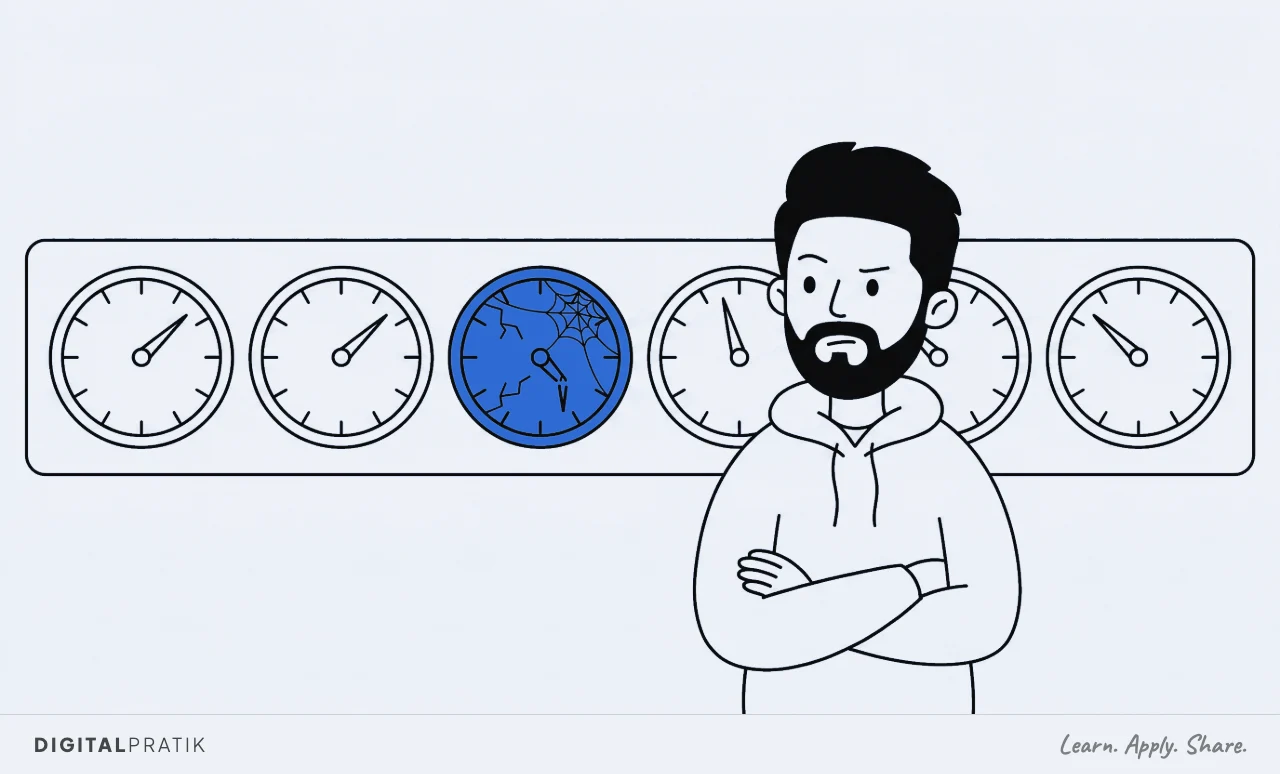
Nothing destroys one of these faster than a number that is nearly right. Manual entry, weekly imports, a figure that lags reality by four days, a spreadsheet somebody has to remember to update.
Each of those introduces a moment where the owner sees something they know is stale, and after two of those moments the screen is dead.
It has to pull from the systems where the work actually happens. That is what the connections between an AI and your tools are for, and it is why they matter more than the model choice: what an MCP is covers the plain English version.
Reading about a system and running one are different jobs. If your business does AED 10 million a year or more, this is what a working session looks like.
The agents work overnight, the screen shows the result
This is where a command center becomes something other than a reporting tool. Underneath the screen, the work is being done rather than merely counted.
The agents run overnight. They read, sort, draft, chase, prepare, analyse.
Anything reversible completes on its own. Anything that touches money, reaches a real person or cannot be undone stops and joins the queue of decisions.
In the morning the founder sees the state of the business and a short list of approvals, and clears it in a couple of minutes.
That is the shape: agents do the work, the command center surfaces only what needs a human, and the human makes the calls. Without the gate you have an unsupervised system with a nice screen on it, which is a worse position than having no system at all.
Do not build this first
A command center is the fourth thing to build, not the first, and I say that knowing it is the thing founders most want to start with because it is the most satisfying to look at.
A dashboard over a broken process only tells you faster that the process is broken. Fix intake, then documents, then follow up and collections, and build the screen once there is something real and consistent underneath it to display.
The order is in what to automate first.
The exception is the narrow version: one or two numbers the owner is already anxious about, built early, purely to establish that the data can be trusted. That is not really a command center yet, it is a proof, and it is a good use of a first week.
Why this actually gets bought
If you build these for clients, understand that the arithmetic is not what closes it. The hook is emotional.
You are selling clarity and control to somebody who is quietly drowning in fragments. An owner who has not felt on top of their own business in three years opens one screen and understands everything in a minute.
They sleep better. That feeling is worth considerably more than the fee, and it is what they will describe to other people when they recommend you.
The framing that works is short. Your whole business in one screen, every decision in one tap.
Owners do not want another tool to log into, they have twenty already. They want to feel on top of it again the way they did when the business was small enough to hold in their head.

And be honest about the ceiling on this: it is the highest one available in this kind of work, because a command center makes you the layer the business runs on rather than a supplier of a service. That is a serious responsibility as much as it is a commercial position, and it should be priced and delivered like one.
One screen, one tap
Show the state. Surface the decisions.
Keep it to the things that change behaviour. Build it on real data, start narrow, and let it earn the right to hold more.
If a founder cannot understand their business in sixty seconds and clear the decisions in two minutes, it is not finished yet.
Frequently asked questions
It is a single screen showing the state of the business and the decisions waiting on the founder, and nothing beyond that. The owner opens it in the morning, understands where things stand in about a minute, and approves whatever needs approving with one tap, rather than assembling the picture from a dozen browser tabs.
Six things: what came in, what is in flight, what is owed, whether the team has capacity, the handful of numbers that would actually change a decision, and the list of decisions waiting for approval. A metric earns its place by changing behaviour, not by being available to measure.
Because trust is the real product. Nobody relies on a screen full of numbers they did not watch get built, and one figure that looks wrong is enough for the whole thing to be abandoned. Getting one or two painful metrics exactly right from live data earns the right to add the rest.
After the operations underneath it are real and consistent, which usually means after intake, documents and follow up have been sorted out. A dashboard built over a broken process only tells you faster that the process is broken. The exception is a narrow two metric version built early purely to prove the data can be trusted.
A dashboard informs you and a command center also hands you the work only you can do. The second job, surfacing the pending approvals and borderline decisions in one place ready to be answered, is what makes it something a founder opens every morning rather than something they check occasionally.
Install this in your business
An article gives you the map. A working session gives you the system, built around what you actually sell and who actually buys it.