Why Service Businesses Built on One Person's Knowledge Always Stop Growing
 Digital PratikGrowth Marketing Consultant
 Service businesses stop growing when every decision, document, and process lives inside one person's head. That person becomes the single point of failure. Marketing cannot fix a capacity problem.
The real path out is writing down what you know, turning it into clear SOPs, and layering AI on top of those systems so the business can run without you in the room.
Most founders come to me thinking their problem is leads. They want better ads, a stronger funnel, or more content.
I listen. Then I ask one question: if you took two weeks off tomorrow, what would break?
The answer is almost always the same. Everything.
That is not a marketing problem. That is a systems problem.
And no amount of ad spend fixes it.
The Business That Cannot Run Without You
There is a version of success that feels like growth but is actually a trap. You are busy.
Clients are happy. Revenue is coming in.
But every quote needs your approval. Every new hire's question comes to you.
Every client call goes through you. You are not running a business.
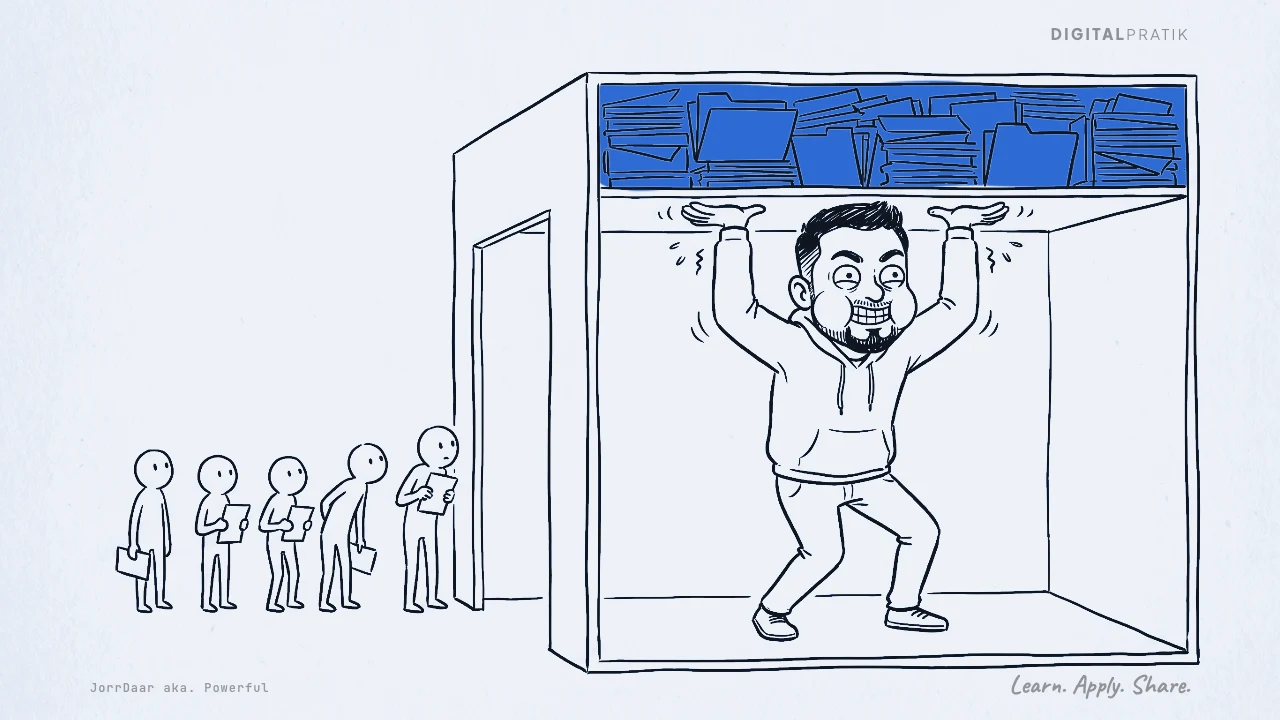
You are the business. And when you are the business, the ceiling is exactly as high as your personal capacity.
What Knowledge in One Head Actually Looks Like
It is not always obvious. The founder does not think of it as hoarding information.
They just answer questions faster than anyone else. They just know what a good proposal looks like.
They just have a feel for which clients are worth taking. That instinct took years to build.
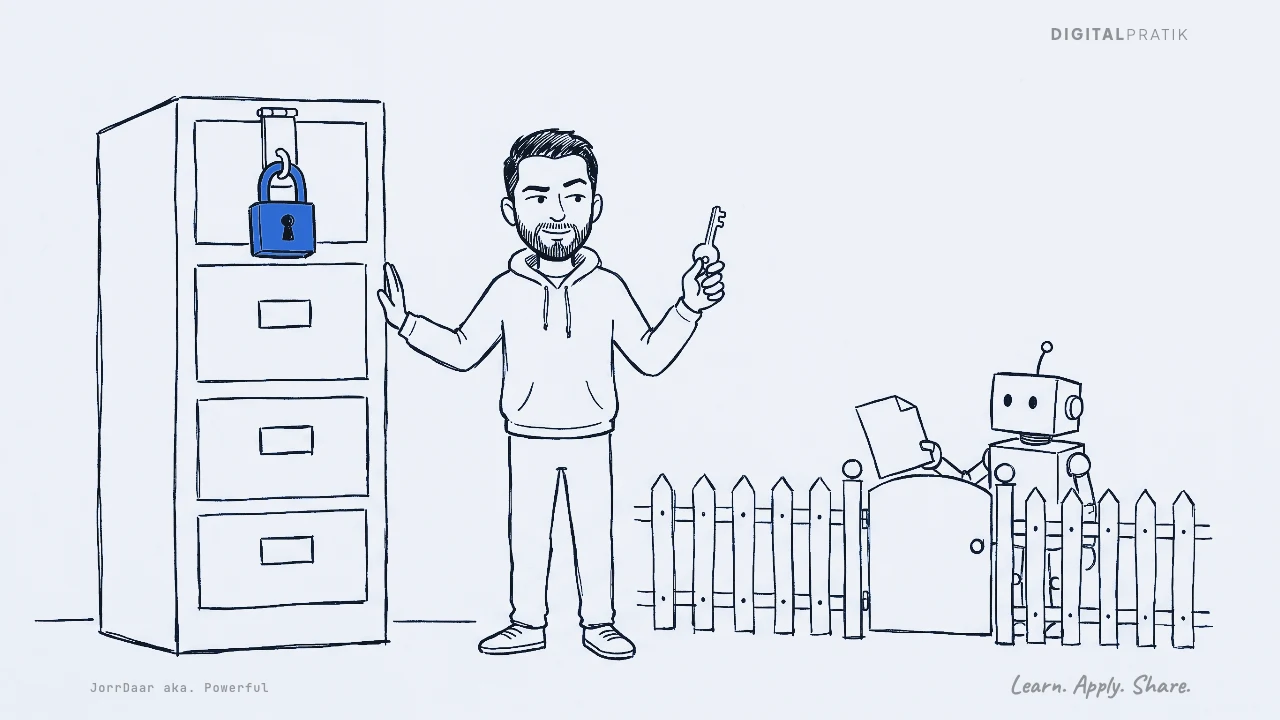
The problem is it exists nowhere except inside their own mind.
- Unwritten pricing logic. You know what to charge based on experience. Your team guesses and either loses deals or undercuts your margins.
- Undocumented quality standards. You know what good work looks like. Nobody else does, so everything comes back to you for a final check.
- Informal client rules. You know which clients need hand-holding and which ones just want results. New team members find out the hard way.
- Process that lives in your habits. You have a way of onboarding, delivering, and closing out projects. It has never been written down because it feels too natural to need documenting.
Why Better Marketing Is Not the Fix
I see this pattern often. A business hits a wall and the owner's first move is to run more ads or hire a marketing agency.
More leads come in. The owner is now more stretched.
Response times slow down. Delivery quality drops.
The leads convert at a lower rate. The business grew its pipeline and exposed the real leak, which was always operational.
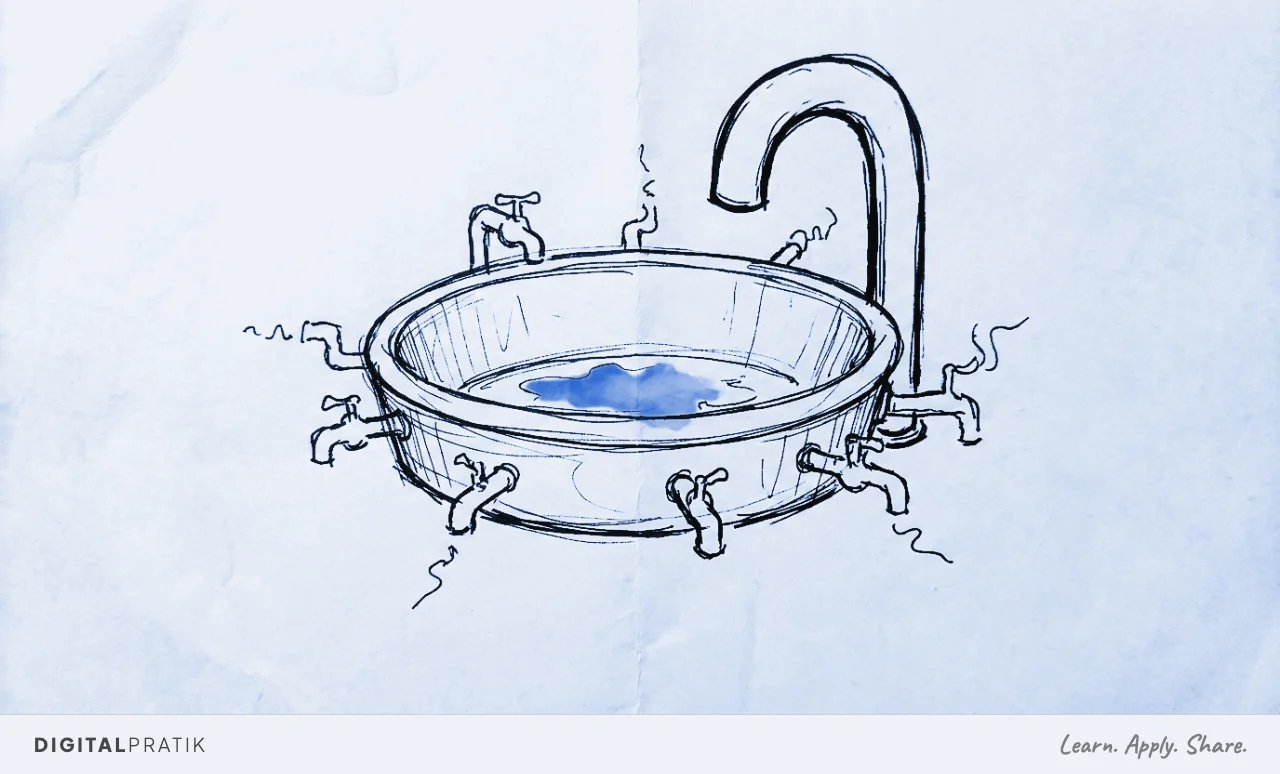
Filling a leaking bucket faster is not a growth strategy.

Three Things That Break When You Are the System
- Delivery slows down. Every task that needs your sign-off is a task sitting in a queue. When that queue is you, bottlenecks multiply across the whole business.
- Your team cannot develop judgment. People cannot build real capability when the answer to every hard question is to ask the founder. You end up with staff who execute but never think.
- You cannot step away. A holiday, an illness, or a big new opportunity that needs your full attention. Anything that takes you out of the day-to-day puts the whole operation at risk.
What a Documented Business Looks Like
A documented business has clear written answers to the questions people keep asking. It has an onboarding flow that a new hire can read and follow without a walk-through.
It has pricing logic that does not live in the founder's memory. It has delivery standards specific enough for the team to self-check their own work.
None of this is glamorous. All of it is what makes a service business actually transferable and worth building into something that runs without you at the center of every decision.
If you want help building that foundation, here is how we work together.
Reading about a system and running one are different jobs. If you are a founder doing $50k a month or more, this is what a working session looks like.
SOPs Are Not About Your Team, They Are About You
Most founders resist writing SOPs because it feels like bureaucracy. They built the business by moving fast and trusting their gut.
Writing it all down feels slow. Here is the reframe.
An SOP is not for your team. It is for you.
It is how you take what is locked in your head and make it exist in the world. The moment it is written, it stops being tied to your availability.
That is not a constraint on your role. That is the definition of real operational freedom.
Where AI Fits In
AI tools can draft, organize, respond, and surface information at a speed no human matches. But they do not know how your business works unless you have already written that down.
When you layer AI on top of clear documented processes, you get a real multiplier. Your team can use AI to execute faster because there are clear standards to run against.
Without those standards, AI just speeds up the confusion. A force multiplier pointed at chaos gives you faster chaos.
Document First, Automate Second
The order matters. Step one is documenting what you do, how you do it, and what good looks like.
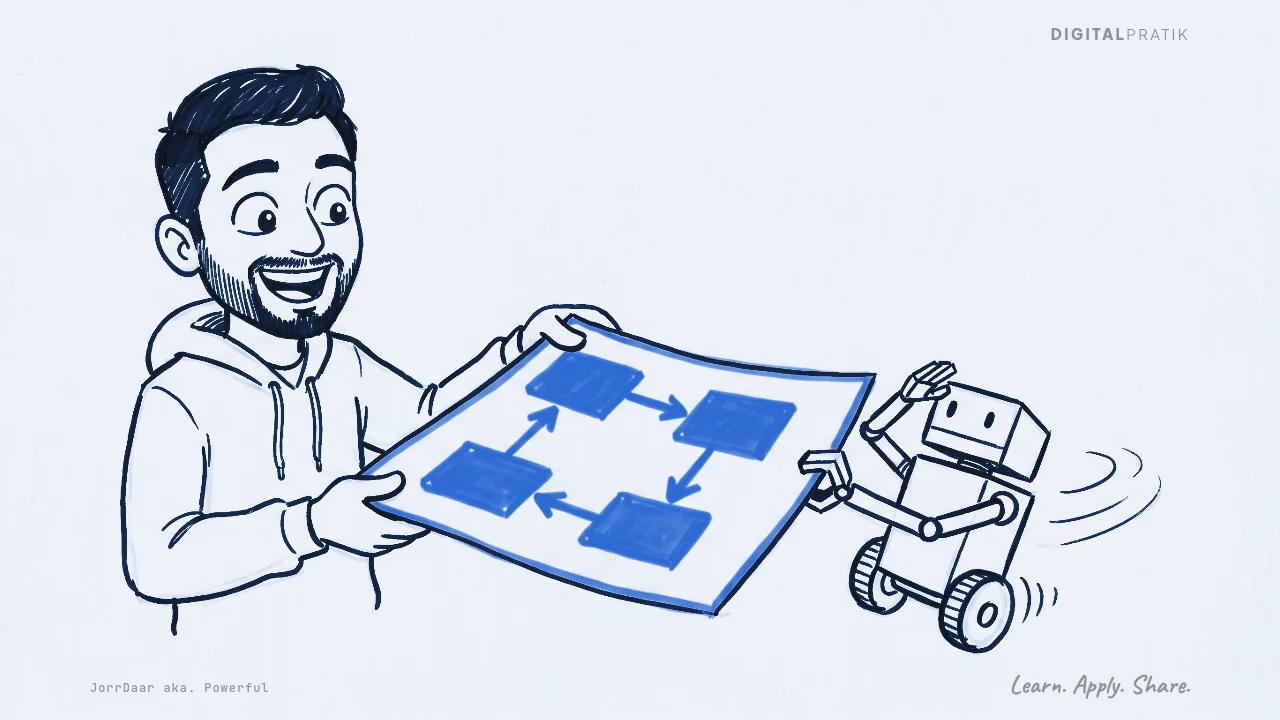
Step two is turning those documents into repeatable SOPs your team can follow without you in the room. Step three is finding which parts of those SOPs can be handled by AI tools or automations.
Most businesses try to jump to step three and wonder why nothing sticks. You cannot automate a process that does not exist in writing yet.
The Mental Bandwidth Problem
One of the most honest things I hear from business owners is that handling all the operations themselves leaves them with no mental bandwidth to actually grow. Every question that lands on your desk, every decision only you can make, every approval sitting in your inbox.
It all draws from the same finite mental pool. When that pool is drained by daily operations, there is nothing left for the strategic thinking that moves the business forward.
Documented systems give that bandwidth back. And when the bandwidth comes back, the speed of the whole business changes.
The Real Ceiling Is Not Your Headcount
Hiring more people does not solve a knowledge-transfer problem. It adds more people who need the same undocumented answers from the same one person.
The ceiling in a knowledge-bottlenecked business is not how many staff you have. It is how much of your own expertise you have managed to get out of your head and into a system others can follow.
That is the only number that changes your actual capacity to grow.
Where to Start This Week
You do not need a full SOP library to get moving. Pick one process that runs through you right now.
Write down every step, including the judgment calls you make automatically. Share it with one person on your team and ask them to follow it without coming back to you with questions.
See where they get stuck. Fix those gaps.
That is your proof of concept. Do it for the next process, then the next.
That is how a knowledge-dependent business starts becoming a system-dependent business. And when the systems are solid, that is when we add AI on top to make growth actually stick.
Frequently asked questions
A single point of failure is any part of the business that causes everything to slow down or stop if that one part is unavailable. In most service businesses, that single point is the owner or a senior person who holds all the knowledge, makes all the decisions, and approves all the work. The business cannot run at full capacity without them, which caps its growth at that one person's personal bandwidth.
The clearest sign is that questions always come back to you. If your team cannot make a pricing call, handle a client objection, or deliver a service without checking with you first, the knowledge is stuck inside one head. Another sign is that quality or response time drops noticeably whenever you are not available, even briefly.
Start with the process you explain out loud most often. Write down every step, including the judgment calls you make by instinct. Then have a team member follow it without asking you questions, and note exactly where they get stuck. Fixing those gaps gives you your first real SOP, and from there you build one process at a time.
Yes, but only after the processes are documented. AI is a multiplier, and multipliers need something solid to multiply. If your team has clear SOPs and quality standards to work from, AI tools help them execute faster and more consistently. If there are no documented processes, adding AI just speeds up the confusion. Document first, then automate.
No. Removing yourself from operations means making the quality standard explicit enough that someone else can consistently meet it. If quality only exists in your head, it is not a documented standard yet. Writing it down and training your team to hit it is how you protect quality as you grow, not how you dilute it.
Install this in your business
An article gives you the map. A working session gives you the system, built around what you actually sell and who actually buys it.