
Turn One Real Process Into a Lead Magnet People Actually Want
 Digital PratikGrowth Marketing Consultant
 Start with something you genuinely already do, record yourself doing it once, then use AI to expand that recording into a proper guide.
The order matters: the proof exists first and the asset is built from it.
A lead magnet invented from nothing reads like it was invented from nothing, and the people who download it were never going to buy.
Most lead magnets fail at conception, not at design. Someone decides they need one, thinks up a topic, and writes a document about a thing they do not actually do.
You can feel it reading them.
Start with the thing you already do
The version I ran most recently started as a seven minute video of me setting something up inside my own business. Not a tutorial I designed for an audience.
A recording of an actual process we use, made because we use it.
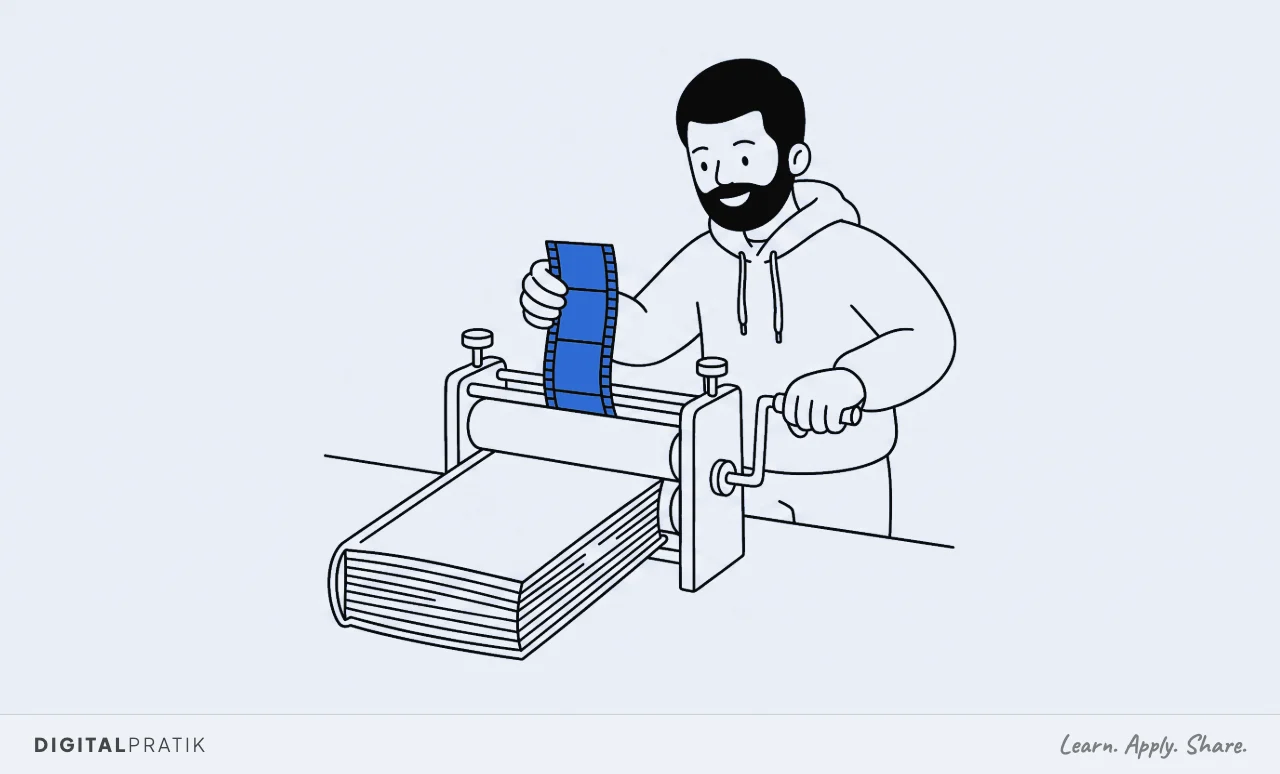
That is the whole trick and it sounds too simple. The asset has authority because it documents something real, and everything after it inherits that authority.
Reverse the order, invent a topic and then try to make it feel real, and no amount of design rescues it.
Expanding it without diluting it
Seven minutes of video is not a lead magnet. It is the seed.
I hand the recording to AI along with the context of who it is for, and ask it to turn the demonstration into a proper written guide, in detail, for the specific kind of business I want to reach.
The output was around thirty pages. That is a real asset, and it took an evening rather than a fortnight.
But it only worked because the source material was a genuine process with genuine detail in it. AI expands what you give it.
Give it nothing and it expands nothing, at length.
Name it so people can say it
I spend real time on the name, and most people spend none. The test is not whether the name describes the contents.
It is whether someone can repeat it after hearing it once.
Think about how brand recall actually works. Someone says toothpaste and one brand appears in your head unbidden.
Someone says bottled water and the same thing happens. That is what you are aiming at: one word, or two, or at the outside three, easy to say, easy to repeat.
A descriptive name is safe and forgettable. A memorable one gets said out loud to other people, and being said out loud is distribution you do not pay for.
Where to look for the format
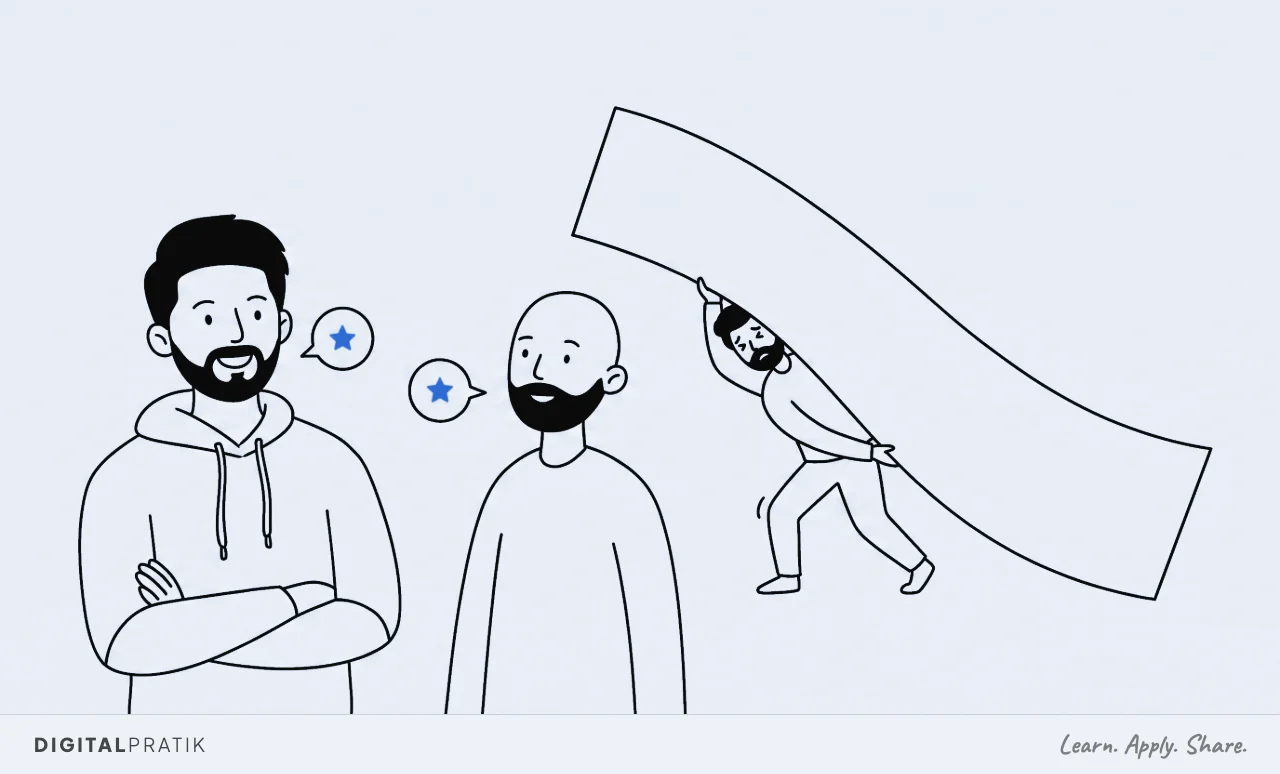
I look at the advertising of people who are doing what I am trying to do at ten to a hundred times my scale. Their ad libraries are public.
I read them constantly.
What I take is structural, never literal. Their business model is different, their margins are different, their budget is different, so copying their execution directly would be stupid.
What transfers is the shape: how the offer is framed, what the promise looks like, how the thing is packaged.
Then I reverse engineer that shape into my own business and my own voice, against the one problem I have decided to sell against. Inspiration at the structural level, adaptation at every level below it.
Anyone who tells you they invented their format from nothing is either lying or has never looked.
Reading about a system and running one are different jobs. If your business does AED 10 million a year or more, this is what a working session looks like.
Test it organically before you pay to show it
This is the step almost everybody skips and it costs them the most money.
Before I put any budget behind the thing, I take the same idea, strip out every call to action, and post it organically as pure value. No link, no offer, nothing to click.
Then I watch what happens.
What I am buying with that is a free read on whether the message is relatable to actual humans. If it lands organically, paid distribution amplifies something that works.
If it dies organically, paid distribution amplifies something that does not, and you find out much later and much more expensively.
The feed is the cheapest testing environment that exists. Use it before the auction, not after.
Strip out the AI voice
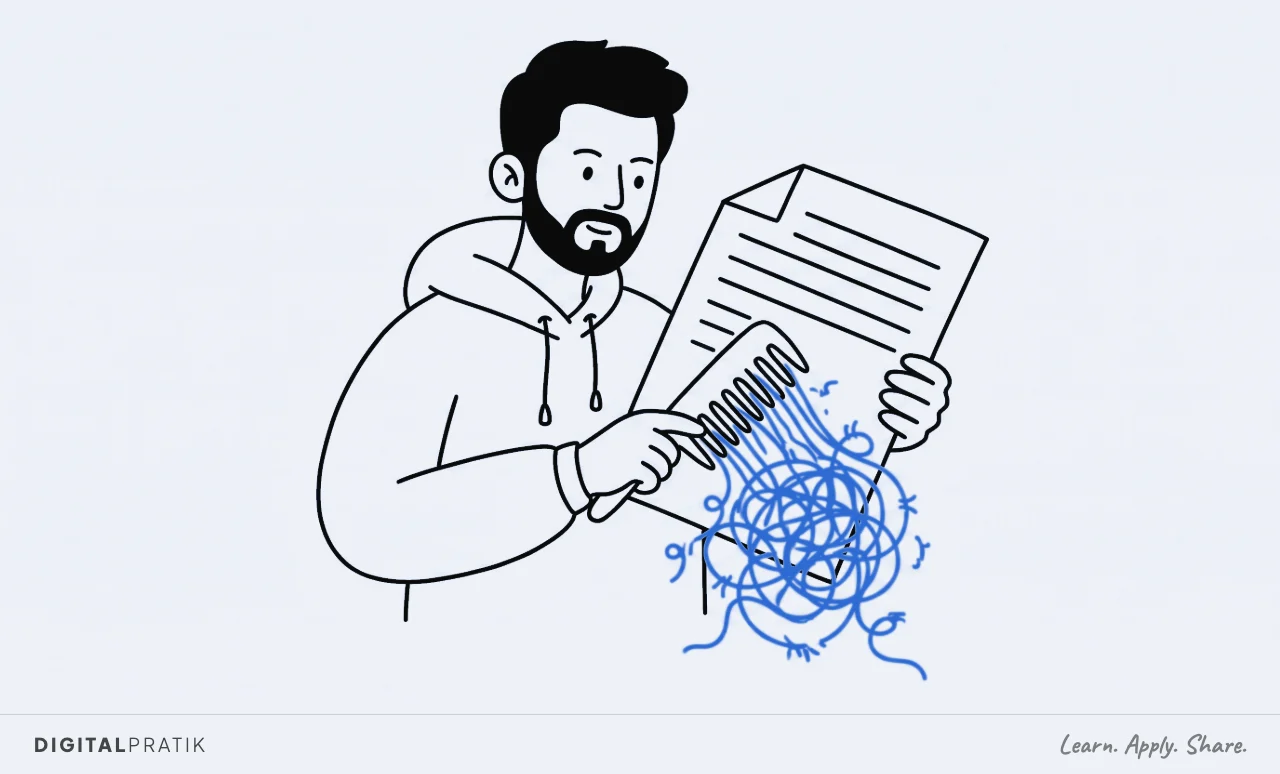
The first draft of anything AI expands will read like AI wrote it, because it did. Publishing that is how you undo all the authority the real process gave you.
I run everything through a dedicated pass whose only job is removing unnatural language: the stock openers, the hollow connectives, the words nobody says out loud, the rhythm where every sentence is the same length. It is a specific step in my process with a specific name, not a vague intention to edit later.
Build that step into your workflow rather than trusting yourself to notice. You will not notice, because by the fourth read everything sounds fine.
How long it should be
Long enough to be genuinely useful, short enough that somebody finishes it. Thirty pages sounds intimidating and reads quickly when it is mostly process rather than padding.
The failure mode is a document that is long to signal value. Readers can tell within two pages whether they are being given a process or being made to feel like they received something substantial, and the second one costs you the credibility the recording bought.
If in doubt, cut everything that is not the actual method. Nobody has ever complained that a free guide was too direct.
Give it away properly
Once it exists, stop treating it as precious. The instinct is to hold back the best part in case someone takes the knowledge and leaves.
They will, some of them, and it does not matter. The people who can execute it alone were never going to hire you, and the people who read it and realise how much work it represents are exactly the ones who will.
Holding back the useful half produces a guide that convinces nobody of anything, which is a much worse outcome than being copied.
What you have at the end
One real recording, expanded into a real guide, named so people can repeat it, structured on a format proven at scale, validated organically before a penny of spend, and edited so it sounds like a person.
Then it needs somewhere to live, which is two pages and no more than two. That is the landing page and the thank you page.
Frequently asked questions
One that documents something you genuinely do rather than a topic you invented for the purpose. Real process carries detail and authority that readers can feel, and everything built on top of it inherits that credibility. Invented lead magnets read as invented no matter how well designed.
It can expand one, which is not the same thing. Give it a recording of a real process plus proper context about your business and it will turn seven minutes into a substantial guide in an evening. Give it only a topic and it produces generic material at length, which is worse than nothing.
For recall rather than description. The test is whether someone can repeat the name after hearing it once, which usually means one to three words that are easy to say. Descriptive names are safe and forgettable, and a name people repeat out loud is free distribution.
Yes, and organically. Post the same core idea as pure value with no call to action and see whether it resonates. That gives you a free read on the message before you pay to amplify it, and paying to amplify something that does not land is the most common and most expensive mistake in this process.
Make removing unnatural language a distinct step in the process rather than an intention to edit later. Cut the stock openers, the hollow connectives, the vocabulary nobody uses out loud and the uniform sentence rhythm. Relying on yourself to spot it on a later read does not work because it all sounds fine by then.
Install this in your business
An article gives you the map. A working session gives you the system, built around what you actually sell and who actually buys it.