
Consumer vs Customer: The Distinction That Fixes Your Messaging
 Digital PratikGrowth Marketing Consultant
 The consumer uses the thing and the customer pays for it, and they are frequently not the same person.
Babies consume nappies, parents buy them, so every nappy advert is written for the parent.
If your research is accurate but aimed at the wrong one of the two, everything downstream is precisely wrong, which is harder to spot than being vaguely wrong.
This is a small distinction that quietly ruins a lot of marketing, and it is easiest to see with something completely outside your business.
The nappy example
Who is the consumer of a nappy? The baby.
Who is the customer? The parent.
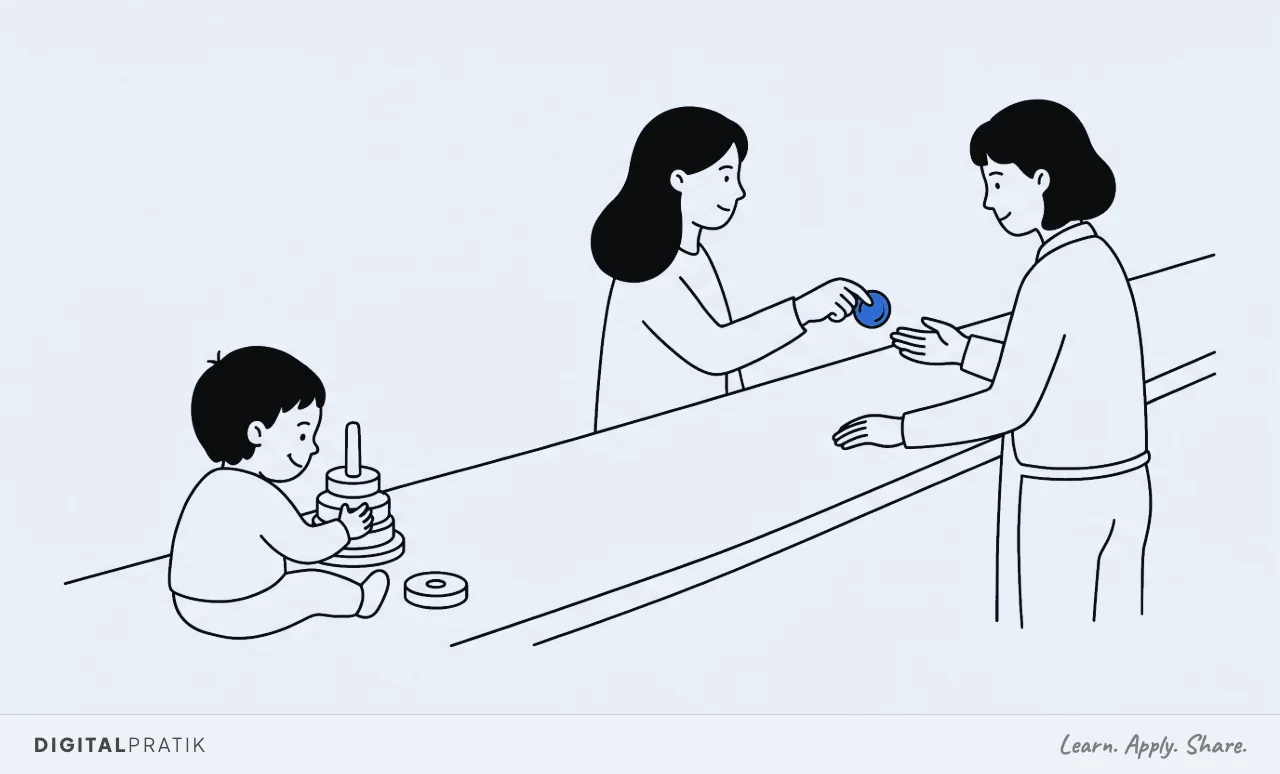
The baby cannot be marketed to at all. They do not shop, they have no idea the product exists as a product, and their entire feedback mechanism is crying.
Every single thing in that market, the packaging, the ad, the claim, the price, is aimed at a parent.
Obvious when it is nappies. Much less obvious when it is your own business, where you have usually collapsed both roles into one imaginary person.
The version that caught me out
A lapel microphone. Am I a customer for one? No. I have one, and my voice carries well enough that I often do not bother with it in a room.
But could I be a consumer for one? Yes, easily.
My team runs workshops, and not everyone on the team projects the way I do. So I might end up buying one, but nothing in a microphone ad written for "people who need better sound" is speaking to my actual situation, which is "somebody on my team is inaudible at the back of a room".
Different role, different pain, different ad entirely. And an ad about bass and treble reaches neither version of me.
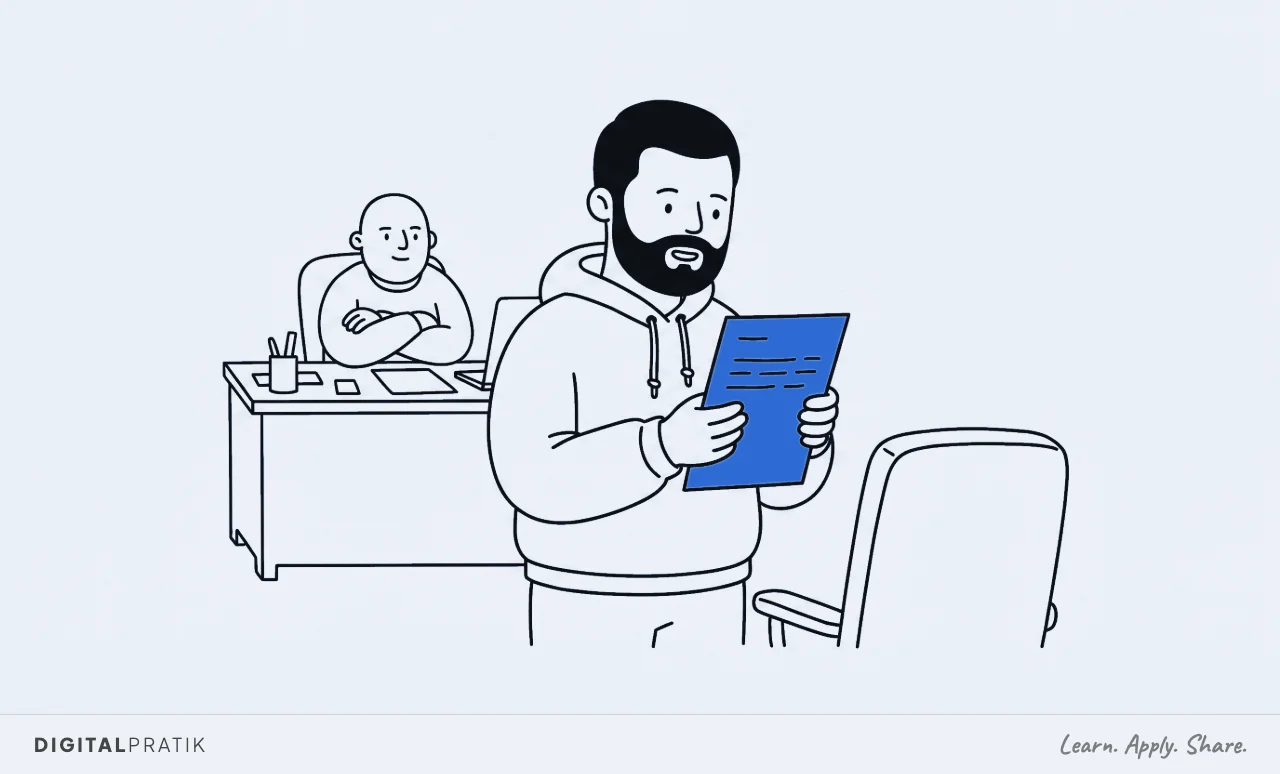
It is almost always two people in B2B
In service businesses this shows up constantly and people design around it far too rarely.
The person who will use what you build is often not the person who signs for it. An operations lead lives with the system daily.
A founder pays for it. They want genuinely different things, and they are frightened of different things.
| The consumer | The customer | |
|---|---|---|
| Who | Uses it every day | Signs for it |
| Wants | Their day to be easier | A number to move |
| Fears | Learning something new | Wasting money and looking foolish |
| Kills the deal by | Quietly not adopting it | Never signing |
That bottom row is the expensive one. A customer who never signs is a lost deal you know about.
A consumer who quietly does not adopt is a churned client six months later, and you will blame something else.
Reading about a system and running one are different jobs. If your business does AED 10 million a year or more, this is what a working session looks like.
What to do about it
Three things, and none of them are complicated.
- Write both down. Who uses this, who pays for this. If they are the same person, say so explicitly rather than assuming it.
- Run your research on both. Pains, desires and benefits, separately for each. They will not match and the differences are the useful part.
- Aim the ad at whoever decides, and the delivery at whoever uses. The ad wins the deal, the experience keeps it.
The five research inputs behind that are in the research article, and this distinction sits underneath all of them.
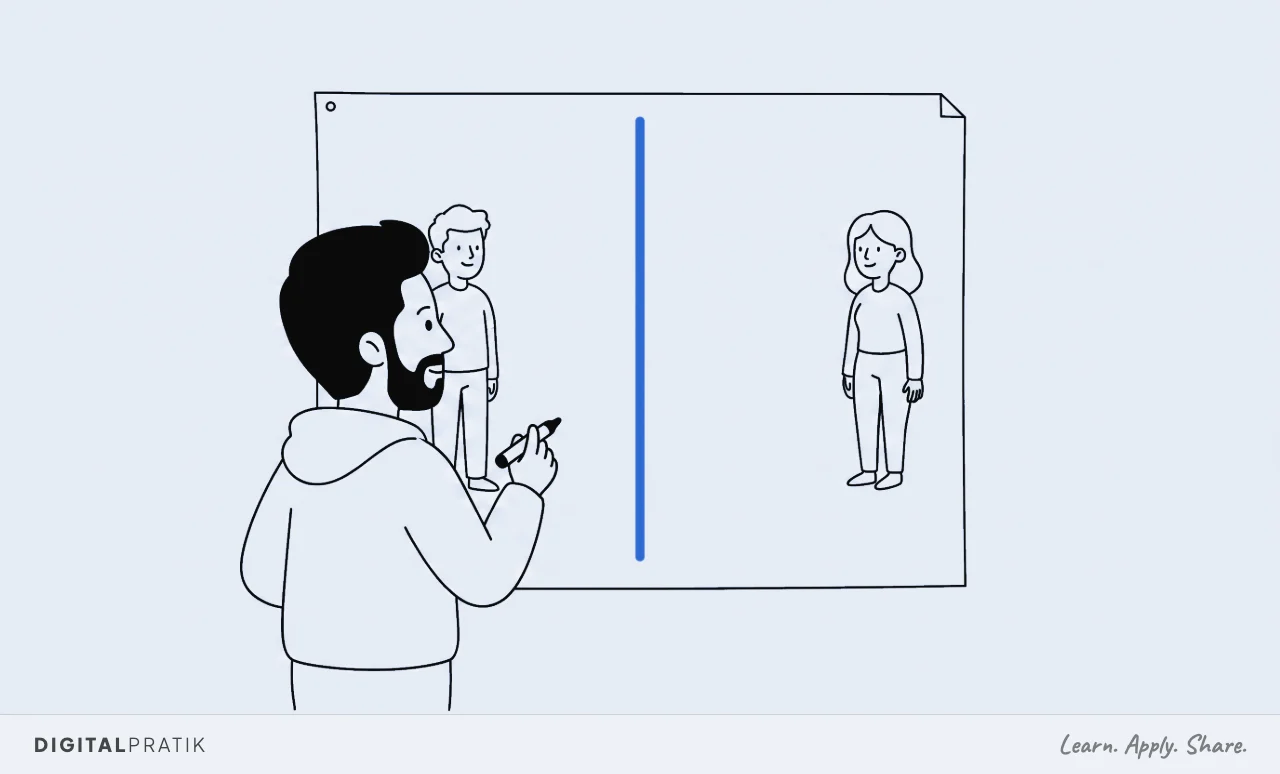
Write it out as a two-column sheet
The fastest way to stop getting this wrong is to stop holding it in your head. One sheet, two columns, ten minutes.
| The consumer | The customer | |
|---|---|---|
| Who they are | Lives with the problem daily | Signs off the money |
| What they feel | The friction, personally | The cost of the friction |
| What they want | The day to get easier | The number to move |
| What convinces them | It works and it is not a hassle | It pays back and it is not a risk |
| What kills it | "More work for me" | "Cannot justify it" |
Now count how many of your current ads, pages and first messages speak to the right column. In most businesses the answer is close to all of them, because the customer is the one holding the card and that is who founders picture.
That is the leak. The consumer is usually the one who raises it internally, and if nothing you have written makes their day sound easier, the conversation never starts.
You did not lose that deal on price. It never reached the person with the budget, because the person sitting next to them never brought it up.
Two things you can act on this week. Write one asset for each column rather than one for both.
And when a deal stalls, work out which of the two people has gone quiet, because the fix is completely different depending on the answer.
The awkward case: when they disagree
Sometimes the person who signs wants something the person who uses it does not want. A founder buying automation that a team reads as a threat is the obvious example.
Pretending that tension is not there does not make it go away, it just moves it to month three. If you know both roles, you can address it in the sale rather than discovering it during a failed rollout, and addressing it openly tends to make the customer trust you more rather than less.
The one-line test
Before writing anything, ask: is the person reading this going to use it, pay for it, or both?
If you cannot answer that in one sentence, you are not ready to write the ad yet, and no amount of clever copy compensates for aiming at the wrong human.
Frequently asked questions
The consumer uses the product and the customer pays for it, and they are frequently different people. Babies consume nappies while parents buy them, which is why every nappy advert is aimed at a parent rather than at the person actually wearing it.
Because accurate research aimed at the wrong role produces confidently wrong marketing. You end up with real pains in real words belonging to the wrong person, and it reads plausibly enough that nobody catches the error for months.
Almost always as two people. The person who uses what you build lives with it daily and wants their day to be easier. The person who signs wants a number to move. They fear different things, and they kill deals in different ways.
Aim the ad at whoever decides and the delivery experience at whoever uses. The ad wins the deal, the experience keeps it. Ignoring the user does not lose you the sale, it loses you the renewal six months later, and you will usually blame something else.
That tension is real and pretending otherwise just delays it. A founder buying automation that the team reads as a threat is the classic case. Naming it during the sale tends to increase trust, and it beats discovering it during a failed rollout.
Install this in your business
An article gives you the map. A working session gives you the system, built around what you actually sell and who actually buys it.