
Attribution When the Sale Happens on a Call, Not on a Page
 Digital PratikGrowth Marketing Consultant
 Almost every attribution tool assumes money is made at checkout, but a service business makes it on a call weeks later.
That gap is why marketing data and revenue data disagree.
Closing it means carrying the source through to the CRM, recording the deal outcome and its value against that source, and sending the result back so the platform learns from real revenue rather than form fills.
Every attribution product is fundamentally built for ecommerce. Someone clicks, someone buys, the tool draws a line between the two.
It is a clean model and it does not describe your business at all.

The gap, precisely
Someone sees an ad in January. They read two articles.
They come back in February through a search for your name. They book a call.
The call happens a week later. They think about it, talk to a partner, and sign in March.
Your ad platform sees a click in January. Your booking tool sees a booking in February.
Your bank sees money in March. Nothing connects those three events, so each system tells you a confident and partial story, and none of them is describing what happened.
What you are actually trying to build
One unbroken thread from first touch to money, that survives the handoffs. Three pieces.
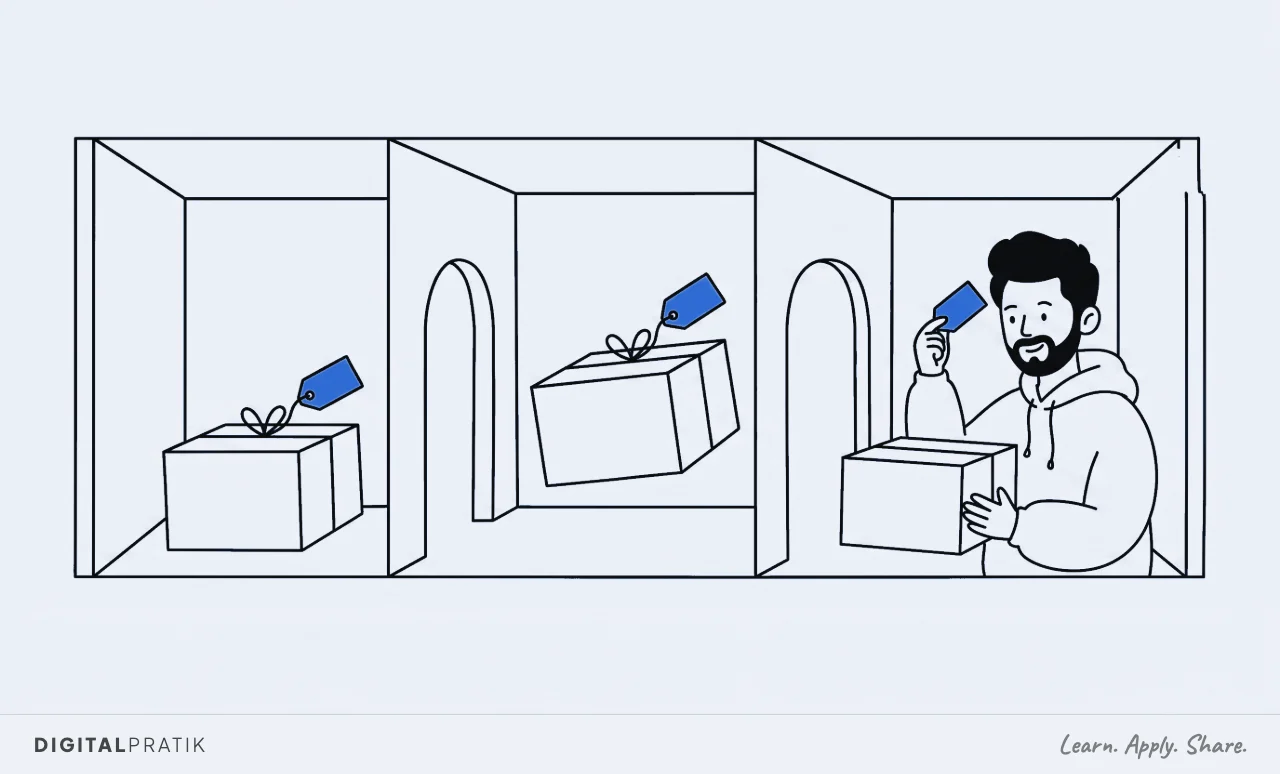
- Capture the source at the booking, and carry it into the CRM record rather than leaving it in the ads dashboard.
- Record what happened to that specific person. Did the call happen, did it close, for how much, over what term.
- Send the outcome back to the platform as a conversion with a real value attached.
That third step is what most setups are missing entirely, and it is the one that compounds. I go through the full four-layer setup in the measurement article.
Why the third step matters more than it sounds
If you only tell the platform that a form was submitted, it optimises for people who submit forms. It is very good at that and it will find you a great many of them.
If you tell it which of those became a client and what they were worth, it starts finding people who resemble buyers. Same budget, same creative, materially different audience, because you finally asked it the right question.
Reading about a system and running one are different jobs. If your business does AED 10 million a year or more, this is what a working session looks like.
What the platform does with a real journey
Here is a shape I see constantly. One buyer, seven days, five clicks across four different ads before they book.
- Day one. They see a top-of-funnel ad that names a problem they had not put words to. They click, read, leave.
- Day three. A second ad, different angle. They click again. Still not ready.
- Day five. A third ad, this one proof. They watch most of it.
- Day seven. A fourth ad says book a call. They click and they book.
Under last-click reporting, ad four gets credited with one sale. Ads one, two and three get credited with nothing at all.
| What the dashboard says | What actually happened | |
|---|---|---|
| Ad 1 (problem) | 0 sales | Started the whole thing |
| Ad 2 (angle) | 0 sales | Kept them warm |
| Ad 3 (proof) | 0 sales | Did the convincing |
| Ad 4 (offer) | 1 sale | Collected the booking |
So a sensible person doing sensible things opens the dashboard, sees three ads with zero return, and switches them off. For a fortnight the account looks better, because all the spend is now on the ad with the good number.
Then it collapses, and nobody connects the two events. Ad four never converted anybody on its own.
It closed people that ads one to three had spent a week warming up, and now there is nobody arriving for it to close.
The self-reported question
One free text field on your booking form: how did you first hear about us. Read the answers yourself, do not chart them.
It is unfashionable because it is not technical, and it is genuinely imperfect. People misremember, people say "Google" when they mean they searched your name after seeing a reel.
But it catches the thing no pixel can: the podcast, the recommendation, the friend who sent your article.
On more than one occasion the free text field has told me the real story while the dashboard was confidently telling me a different one. Run both.
| What the dashboard says | What the field says | |
|---|---|---|
| Source | Direct traffic | "Saw your reel, then a friend sent your article" |
| Touches | 1 | At least 3 |
| Credit given | Nothing | Two channels doing real work |
The hardest part is not technical
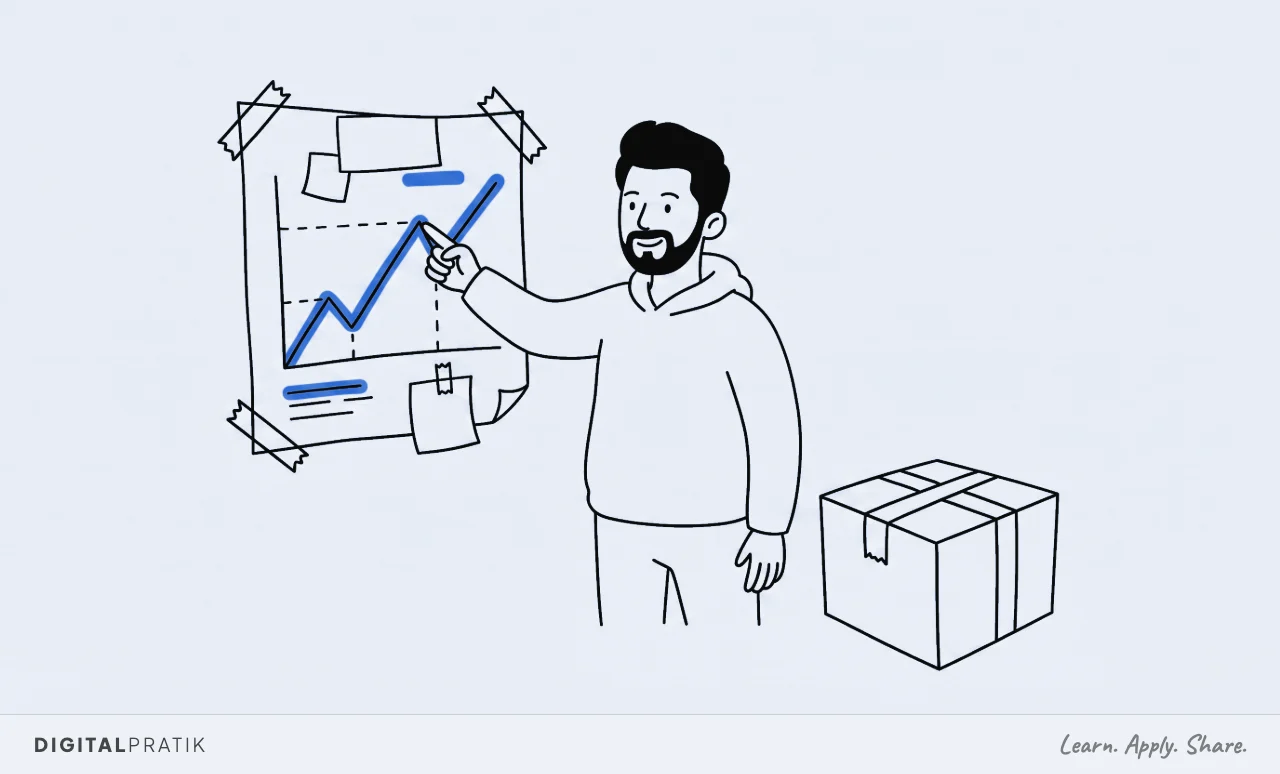
It is that somebody has to update the record when a deal closes. Every time.
Including the ones that quietly die.
Attribution setups do not usually fail because the tooling is wrong. They fail because after three weeks nobody is marking outcomes any more, and the data becomes worse than useless because it is confidently incomplete.
So make it a single field, make it part of closing rather than a separate admin task, and check it weekly for the first month. If it is more work than that, it will not survive contact with a busy quarter.
What good enough looks like
You do not need perfect. You need to be able to answer, for last quarter: where did our clients come from, what did each source cost, and what did each source produce in actual revenue.
If you can answer those three, you can allocate budget properly, which is the entire point. Everything beyond that is refinement, and refinement is a much better problem to have than a confident dashboard describing a business that is not yours.
To see what a full journey looks like once you are tracking it, read reading a real customer journey.
Frequently asked questions
Carry the traffic source into the CRM record at the point of booking, record what happened to that specific person including whether it closed and for how much, then send that outcome back to the ad platform as a conversion with a real value attached. The last step is what most setups are missing.
Because they are measuring different events weeks apart. The platform sees a click, your booking tool sees a booking, your bank sees money, and nothing connects the three. Each system then reports a confident partial story, and none of them describes what actually happened.
Yes, and it catches things no pixel can, such as a podcast, a recommendation or a friend forwarding an article. It is imperfect because people misremember, so run it alongside proper tracking rather than instead of it. Read the answers rather than charting them.
Almost never the tooling. They fail because after a few weeks nobody is marking deal outcomes any more, which makes the data confidently incomplete and therefore worse than no data. Make it one field, make it part of closing rather than separate admin, and check it weekly at first.
Good enough to answer three questions about last quarter: where clients came from, what each source cost, and what each source produced in real revenue. If you can answer those, you can allocate budget correctly, which is the whole point. Everything beyond that is refinement.
Install this in your business
An article gives you the map. A working session gives you the system, built around what you actually sell and who actually buys it.