
Stop Announcing Your Plans: Why the 'I'm Gonna' Trap Is Killing Your Growth
 Digital PratikGrowth Marketing Consultant
 The 'I'm gonna' trap is what happens when announcing your plans starts to feel the same as executing them.
It does not. Real credibility is built through messy, visible execution, not polished strategy sessions that never ship.
Every time you post 'big things coming' instead of shipping the thing, you are training your audience to tune you out.
The fix is simple, not easy: prioritize execution, then let perfection follow through the doing.
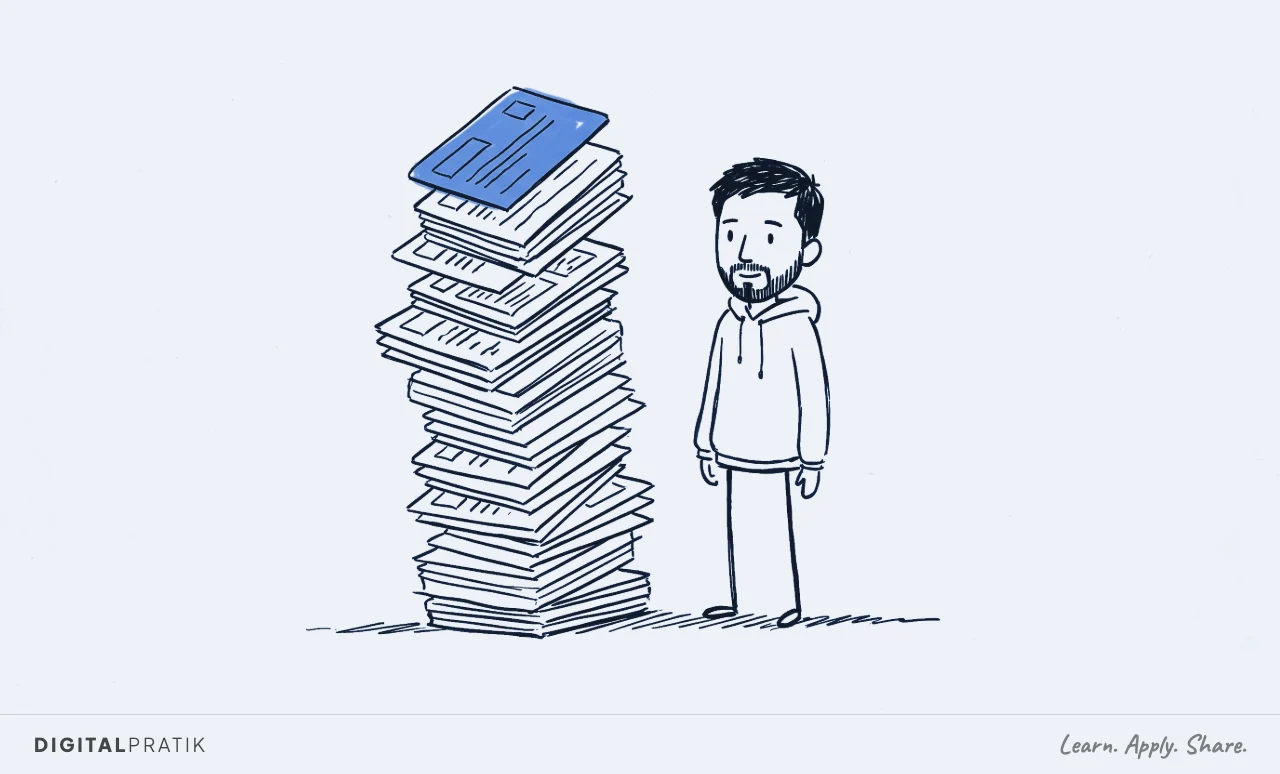
There is a very specific type of busy that produces nothing. You know what I mean.
You spend two hours planning your content calendar. You write three paragraphs of your launch email and save it as a draft.
You tell your friends you are about to drop something big. You feel the energy of momentum without any of the output.
That is the 'I'm gonna' trap. And if you are a business owner or a content creator, it is one of the most expensive habits you have.
The Trap Has a Specific Shape
The 'I'm gonna' trap is not laziness. Lazy people do not spend hours planning.
The trap is more subtle than that. It works like this: you think about the thing so thoroughly, and you tell enough people about it in enough detail, that your brain registers it as partially done.
The thinking is done. The announcing is done.
The strategy exists. Now the actual shipping feels like extra credit instead of the main event.
It is not extra credit. It is the only thing that counts.
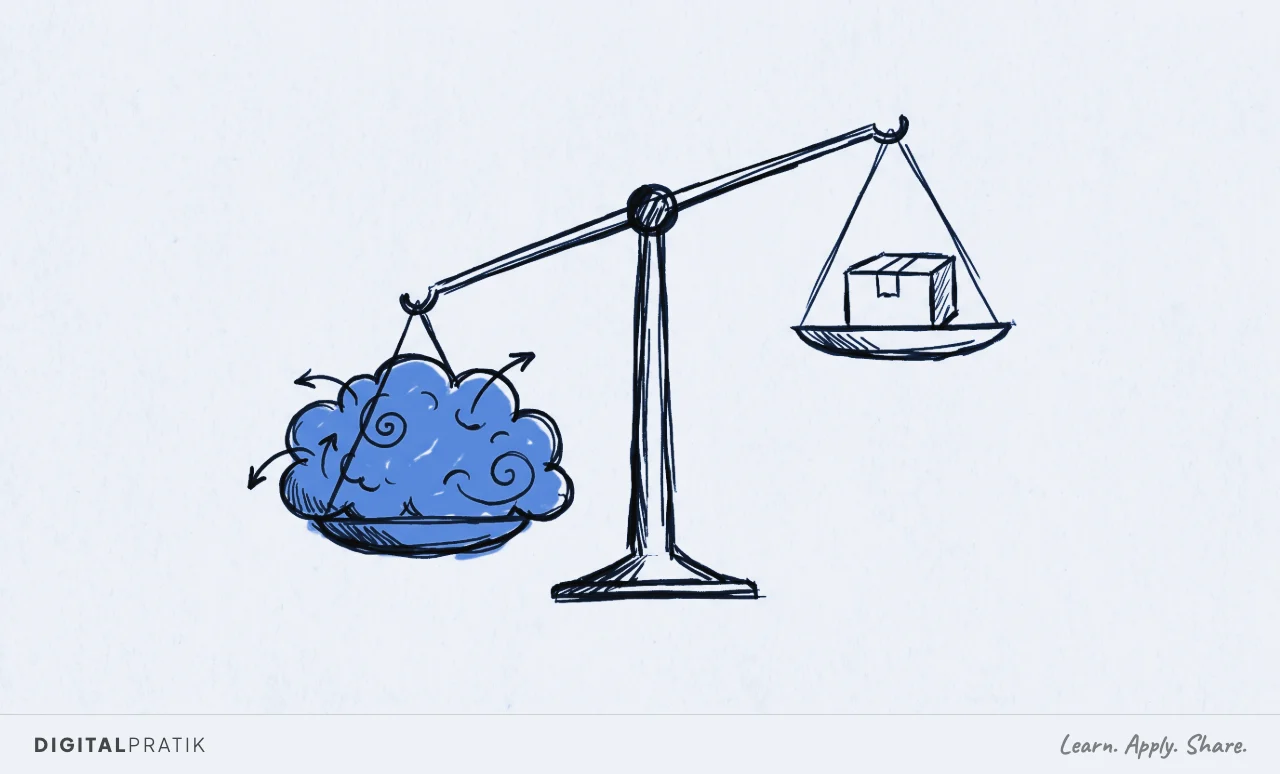
Why Announcing Feels Like Progress
Because it gets a reaction. You post 'something big is coming' and three people comment 'can't wait.' Your brain fires the same reward signal it would fire if you had actually shipped the thing.
The feedback loop that should only activate after you deliver real value now activates after you tease it. Your motivation drops.
You got the hit without doing the work. This is not a character flaw.
It is a mechanic. But once you see it clearly, you have to choose: keep farming reactions for plans, or start farming reactions for real output that actually lands.
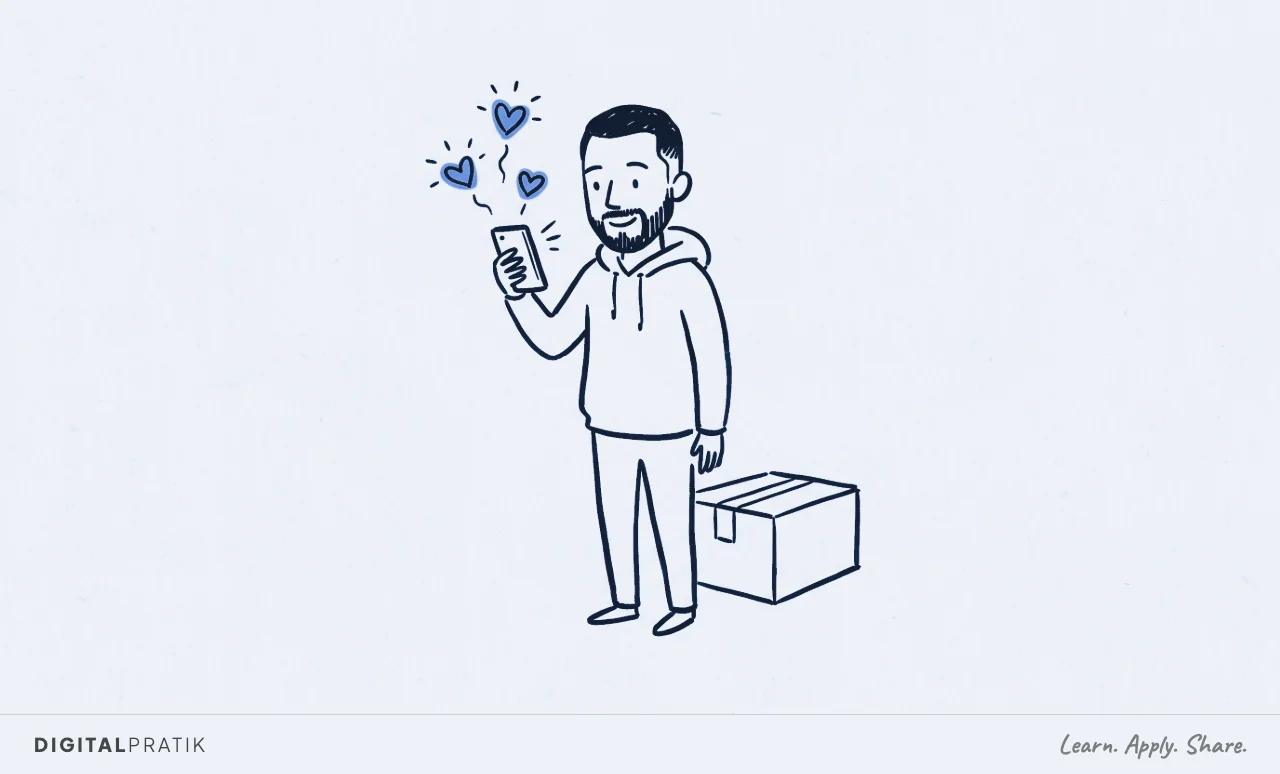
The Practitioner and the Planner Are Not the Same Person
I will tell you plainly where I stand. I am a practitioner.
I have always been a faster executor than a planner. There is a real difference between someone who is creating a volume of content and someone who is preparing to create a volume of content.
Both people can talk about content strategy all day. Only one of them has an archive that proves they understand it.
The practitioner has receipts. The planner has a roadmap that keeps getting updated.
Audiences follow receipts. They scroll past roadmaps.
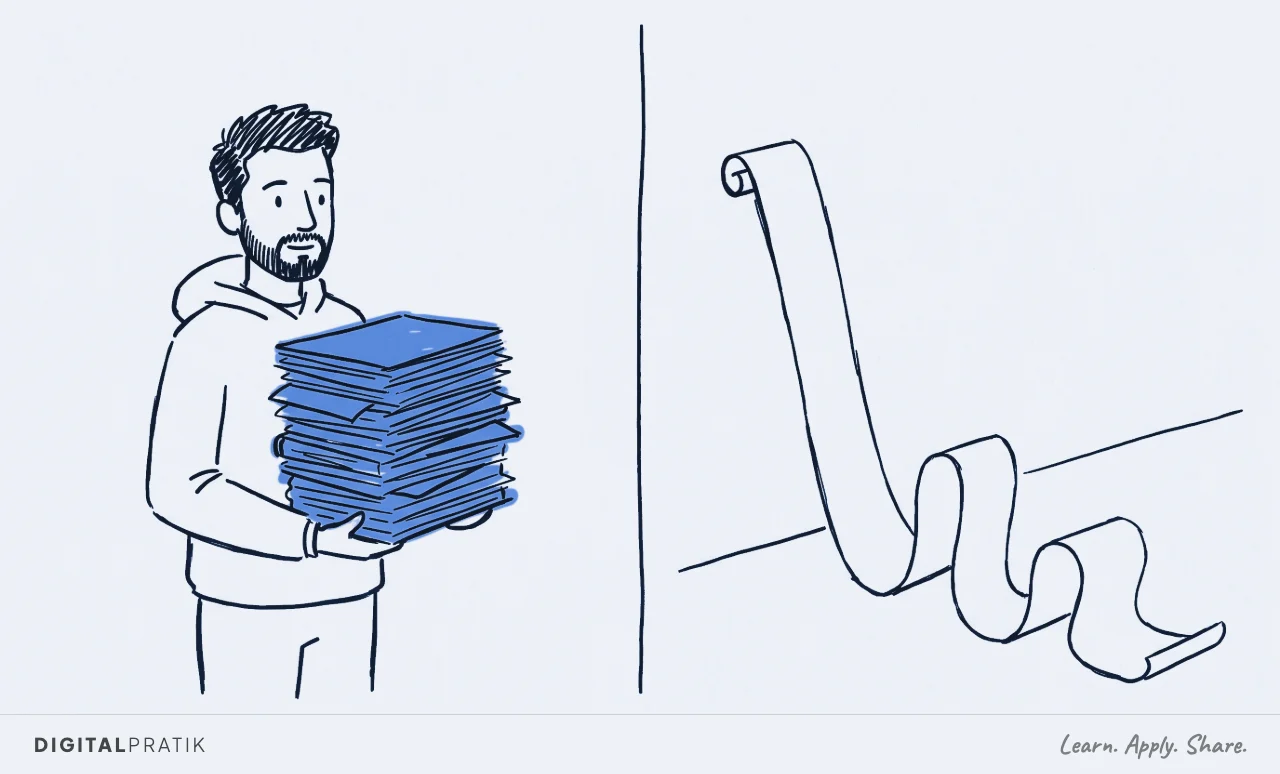
Chasing Perfection Before You Ship Is Just Delayed Execution
Here is something I have said for years that I still stand behind. When you chase the best version first, you will always chase perfection.
And that chase will actually ignore the part of execution entirely. You delay your execution process, and you frame that delay as high standards.
It is not high standards. It is fear with a professional explanation.
The honest move is to prioritize execution first and let perfection follow through the doing. You do not arrive at a great version by thinking harder.
You arrive at it by shipping a rough version and improving through repetition.
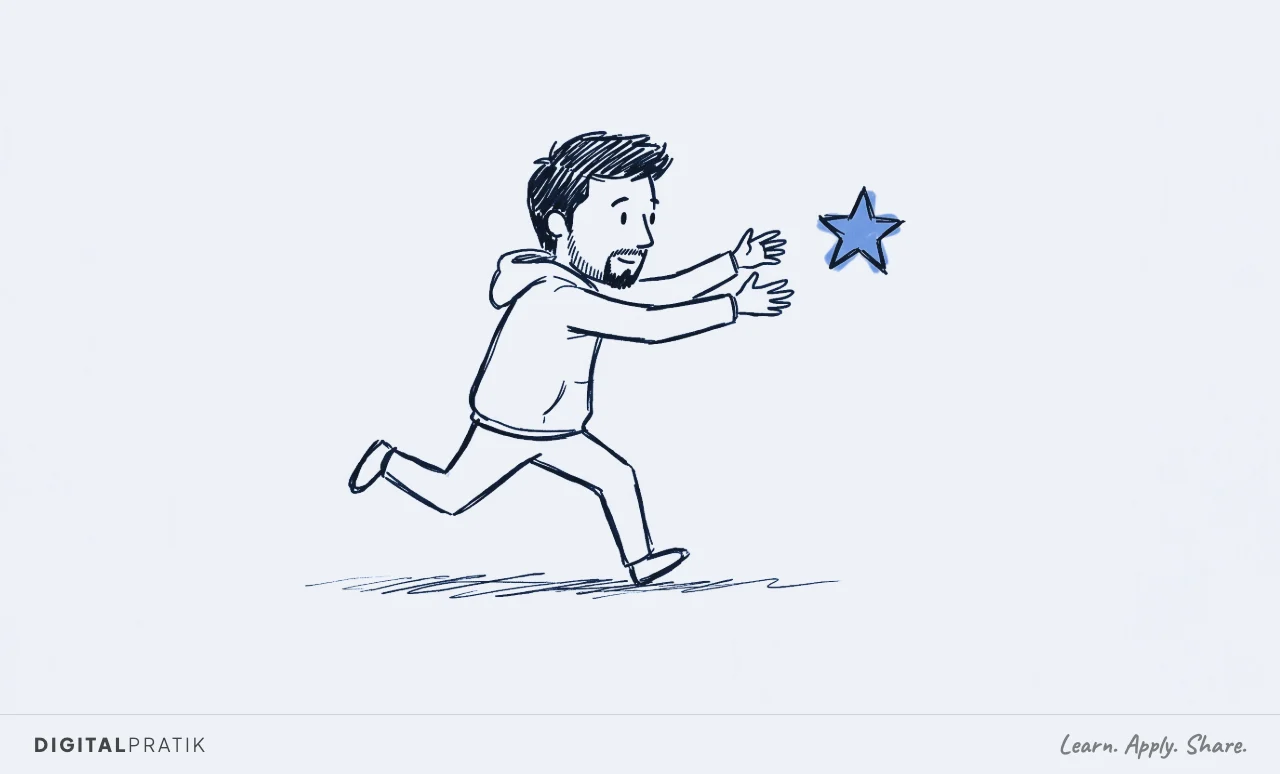
The Volume Principle
There is a direct connection between the volume of content you produce and the quality of your reputation as a creator or business owner. Not because every piece is perfect.
Because the volume itself signals something to your audience: this person is in the work, consistently, not just talking about it. Volume is also how you get better.
You cannot improve a piece of content that does not exist yet. You can only improve the one you already shipped.
The more you ship, the more data you have, the faster you grow. Planning does not give you that data.
Only shipping does.
Reading about a system and running one are different jobs. If your business does AED 10 million a year or more, this is what a working session looks like.
What Messy Execution Actually Looks Like
Messy execution does not mean careless work. It means you ship before you are fully ready, and you learn from the response.
It looks like posting a video that is not perfectly edited. It looks like sending an email before the landing page is polished.
It looks like offering a service before the full system is built, and then building the system as people sign up. None of that is irresponsible.
That is how most real businesses grow. Here is what messy execution does not look like:
- Three months of preparation before the first post. At that point you are not preparing. You are avoiding.
- Waiting until you have ten pieces done before you publish one. Batching is a tool. Hoarding is a stall.
- Getting feedback from five people before the audience ever sees it. The audience is the feedback. Ship and listen.
- Redesigning the same landing page four times without running a single ad to it. Data beats opinion every time.
The Credibility Gap Nobody Talks About
Every announcement you make and do not follow through on creates a small credibility withdrawal. The first one costs you almost nothing.
The second one is a little more expensive. By the fifth 'big thing coming' that never came, your audience has quietly categorized you as a planner, not a builder.
They may still follow you. They may still like your posts.
But they have stopped expecting delivery. And once an audience stops expecting delivery from you, selling to them becomes very hard.
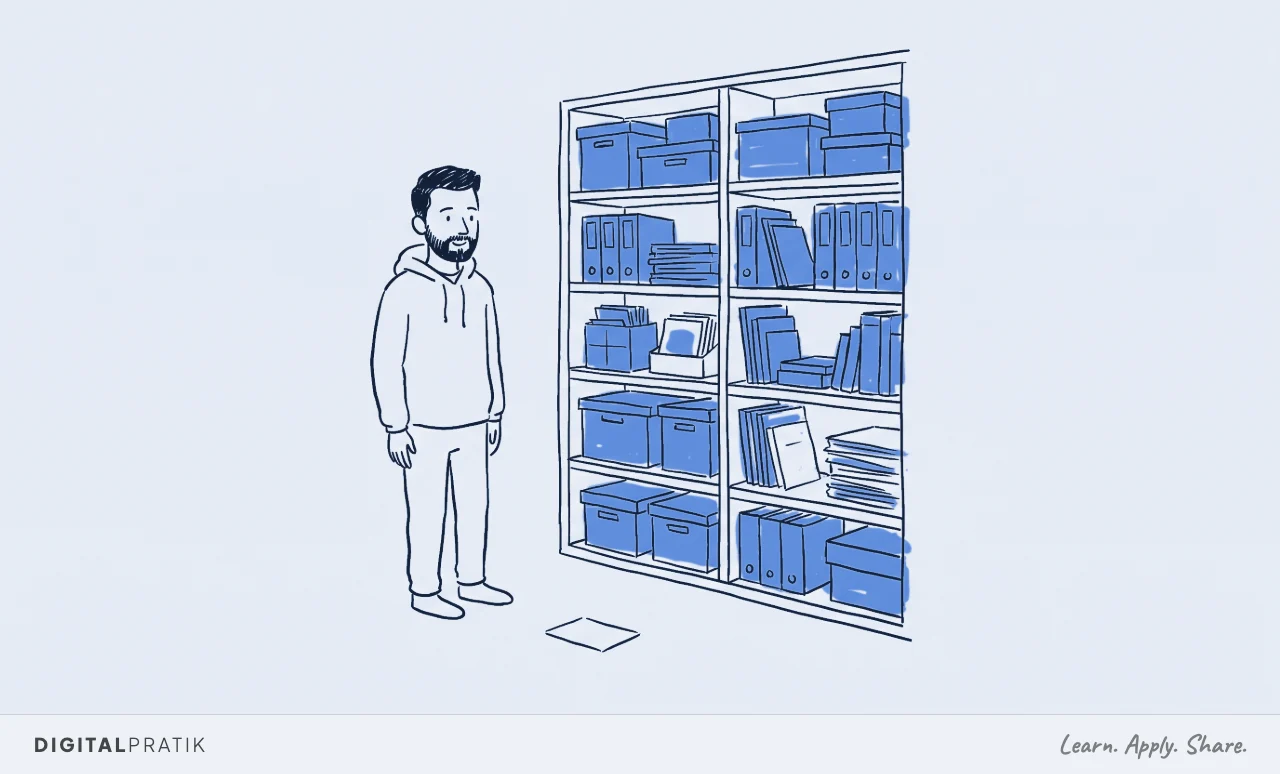
Because the first thing a buyer does before handing over money is look for evidence that you finish things. Your content archive is that evidence.
The Real Question to Ask Yourself Right Now
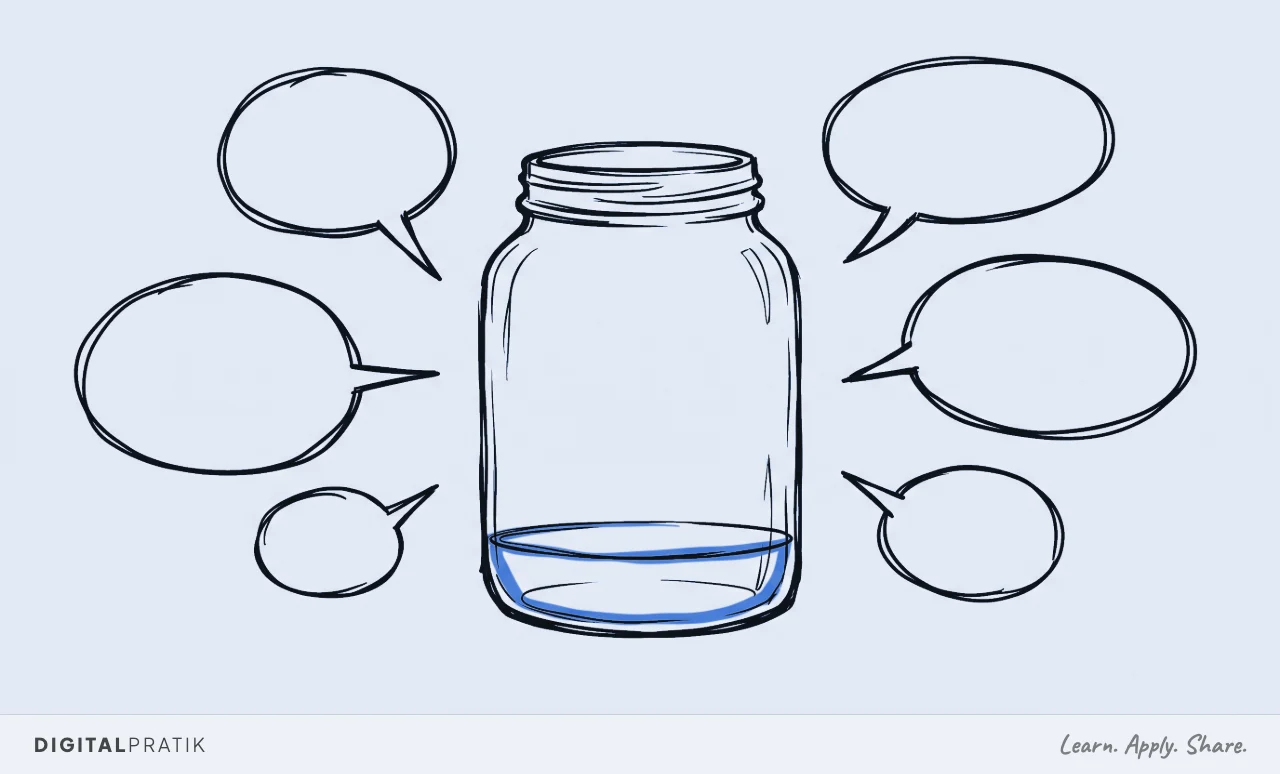
Not 'is this ready?' The answer will almost always be no, because nothing is ever fully ready. The real question is: 'Is this good enough to ship and learn from?' If yes, ship it.
If no, ask yourself one more thing: 'Am I protecting the quality or protecting myself from feedback?' That second question is the honest one. Most of the time, when something sits in drafts for weeks, it is not because the quality is not there.
It is because shipping it makes it real. And real things can be judged.
A plan that never ships has already failed. It just failed quietly, where no one could see it.
How to Break the Trap Starting Today
This is practical, not motivational. Here is the actual shift:
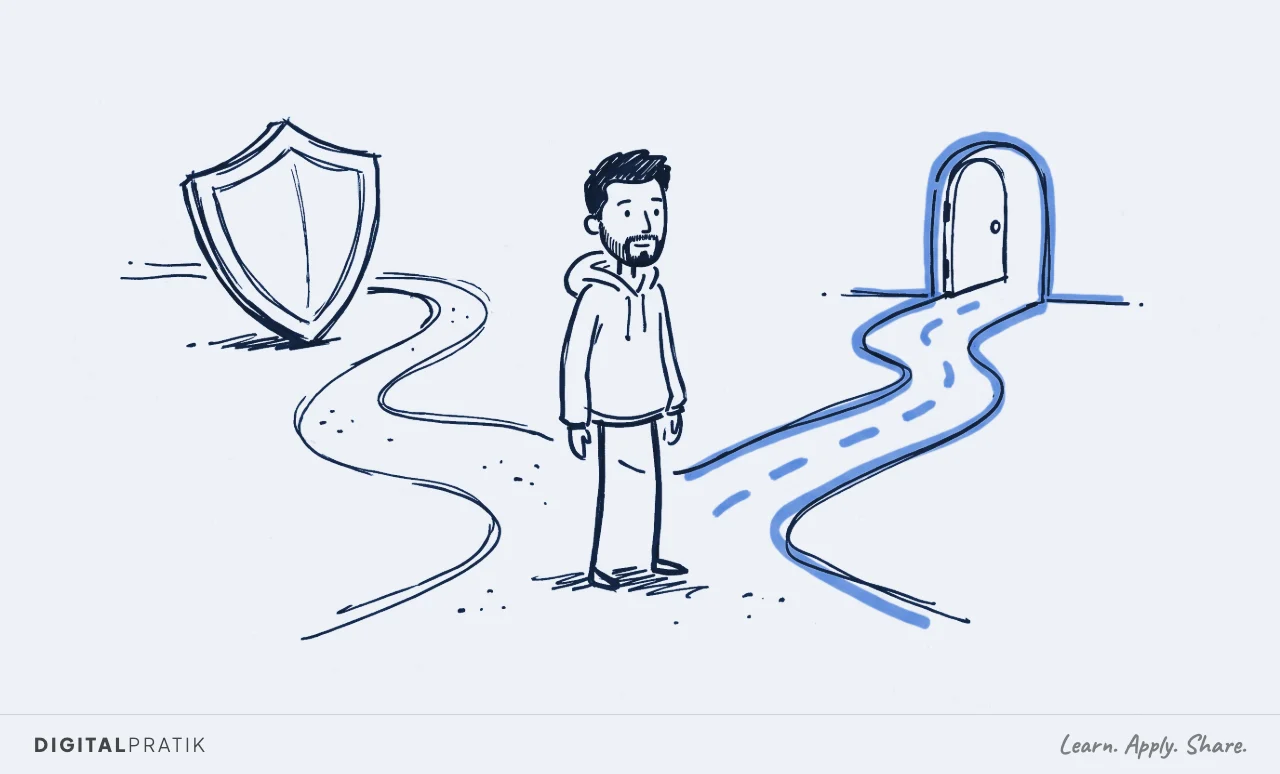
- Stop announcing things you have not started. If you have not taken one real action toward it yet, do not tell anyone. The announcement is borrowing credibility you have not earned.
- Set a ship date before you set a quality bar. Deadlines create output. Quality bars create editing loops with no exit.
- Publish the roughest version that still delivers real value. Not garbage. The minimum version that genuinely helps someone.
- Use the reaction to improve the next version. Your audience will tell you what to fix. Let them do that job.
Ship It. Then Fix It.
The people who win at personal brand and business over the long run are not the ones with the best plans. They are the ones with the most reps.
Every piece of content you ship is a rep. Every product you launch is a rep.
Every email you send is a rep. Reps compound.
Plans do not. The 'I'm gonna' version of you has a great idea, a clear vision, and a solid strategy.
The version of you that ships has an archive, a track record, and an audience that trusts what you say next. If you want to build that track record, the only place to start is the next thing you ship.

Frequently asked questions
Announcing a plan releases a feeling of progress that is almost identical to actually making progress. The brain does not always distinguish between the two. Once you understand that every announcement is borrowing against credibility you have not yet earned, the habit starts to lose its appeal and execution becomes the obvious move.
Set a ship date before you set a quality bar. Deadlines force output. Quality bars create endless editing loops. The simplest rule is to publish the roughest version that still delivers real value to the person reading or watching. Then improve the next version based on real feedback, not internal opinions.
Planning has a place. The problem is when planning replaces shipping instead of supporting it. You need enough of a plan to move, not a perfect plan to launch. Prioritize execution first and let perfection follow through the doing. That is the honest order of operations for anyone building a real business or personal brand.
It means publishing a video that is not perfectly edited, sending an email before the landing page is final, or posting a thought before you have fully polished the framing. Your audience gives you data that no amount of internal review can match. Ship it, listen to the reaction, and improve the next one.
Every piece of content you ship is visible proof that you finish things. Buyers look for that evidence before they hand over money. A plan lives in your head or your notes app. An archive is public and searchable. Over time, volume of output builds far more trust than quality of intention ever could.
Install this in your business
An article gives you the map. A working session gives you the system, built around what you actually sell and who actually buys it.