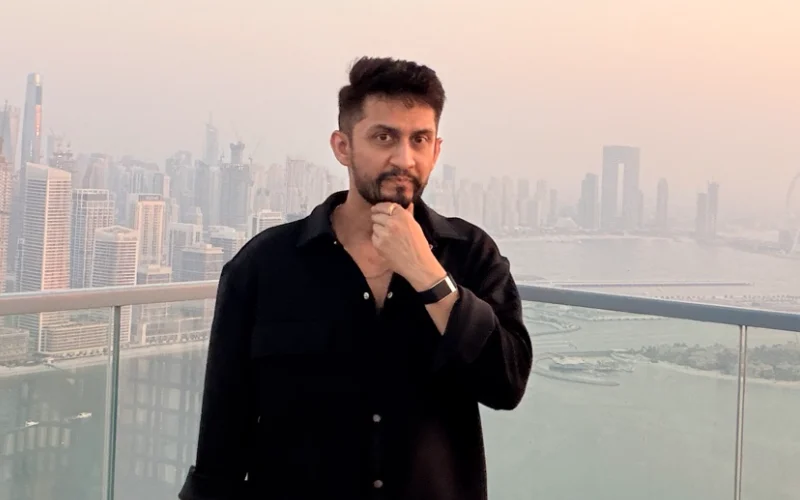
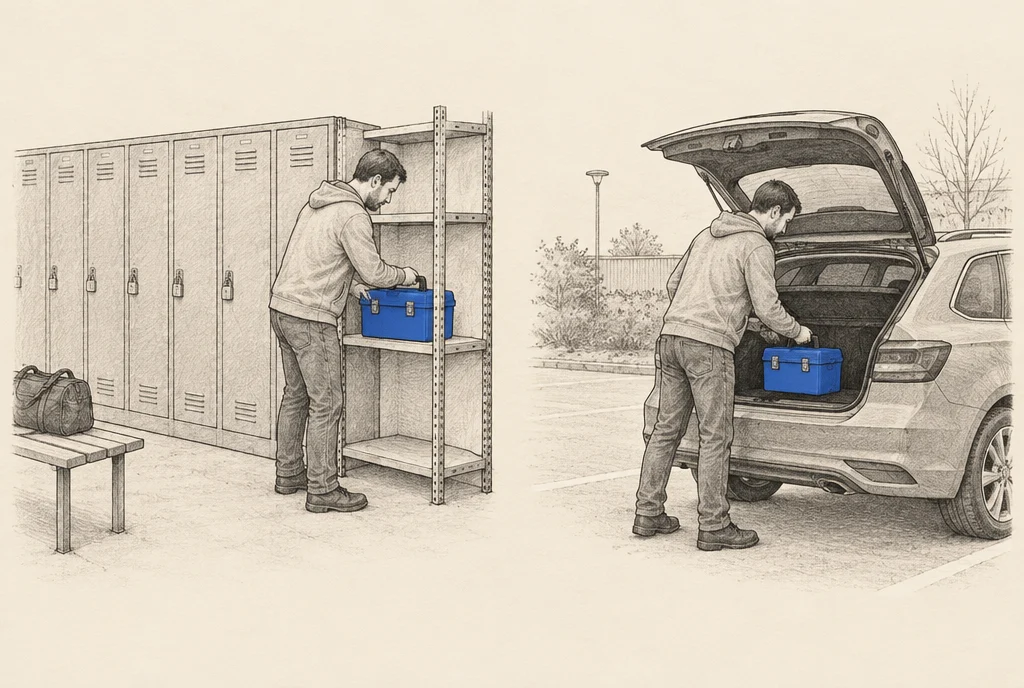
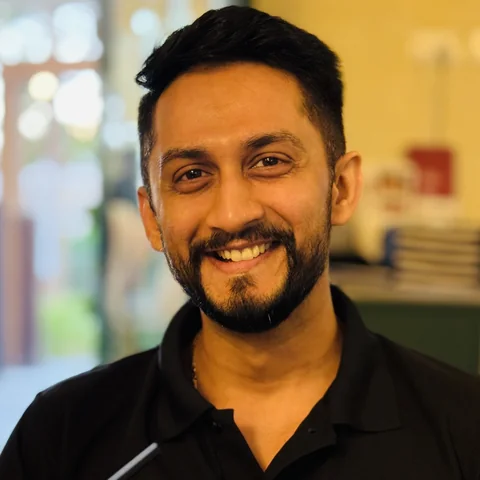
3 types of founders in front of a camera. Only 1 of them needs a script.
Some founders need a full script. Some only need the questions a day early. Some need nothing at all. All 3 work.Some founders need a full script. Some need the questions early. Some need nothing. All 3 work.
- There are 3 types of founders in front of a camera, and each one needs a different setup.
- Type A needs the script, and some of them also need the teleprompter.
- Type B needs no script, only the questions a day before the shoot.
- Type C needs nothing. Ask the question and he talks.
- My job is not to make everyone spontaneous. It is to find what makes that person sound like himself.
In this article
I filmed 2 founders in the past 2 months. Same job, same camera, 2 completely different people in front of it.
One was slow. He thought about the lighting, the angle, how polished the final video would look and how much work would happen after the shoot. He needed more preparation before he could speak. The other one was raw. He did not want a script at all. He just wanted to talk.
For a long time I thought the second kind was the better kind. I was wrong. The slow founder is not a worse founder. He needs a different setup. So now I sort every founder into 1 of 3 types before I plan anything.
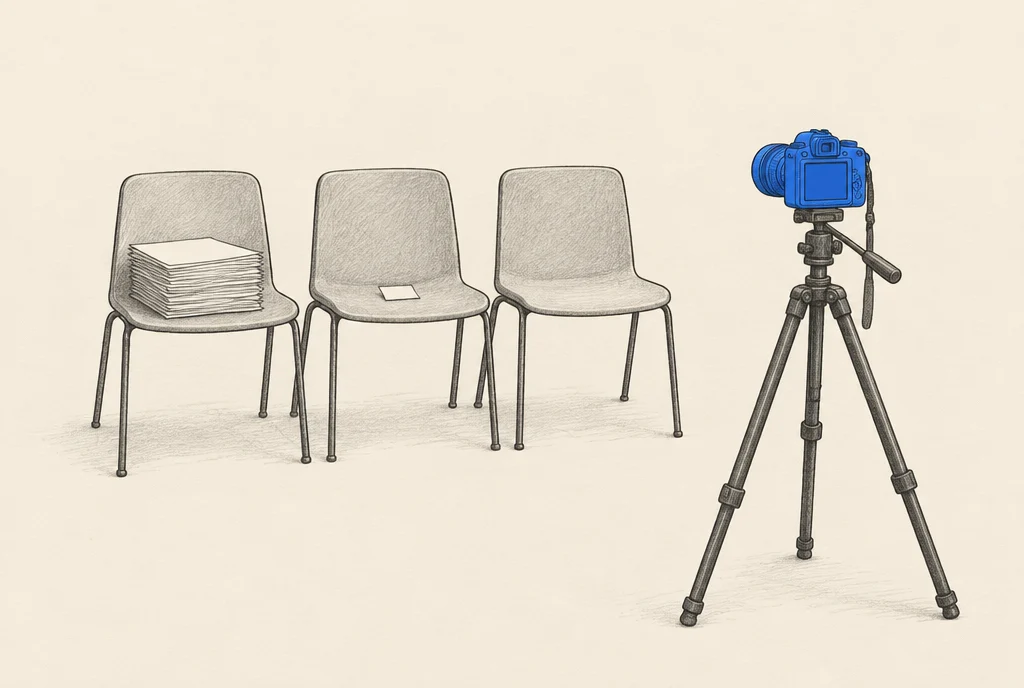
01The mistake I used to make
Most shoots start with the same bad line. Relax. Just be yourself. Talk like you talk on a phone call. Then the camera starts, the founder goes stiff, and the rest of the sitting is painful for everybody.
A founder does not sound fake because he used a script. He sounds fake because he was handed the wrong setup.
I work with founders who run real businesses. The starting point for the kind of founder I am talking about here is at least 10 million dirhams a year in revenue. These are not shy people. They sell, they lead teams, they handle hard rooms every week. Put a camera in front of them and some of them still freeze.
So the first thing I check is simple. Does this person have a lot of stories and experiences that he can speak about easily? If yes, my job is lighter. If not, he needs help, and that help has a shape.
How I plan a founder shoot
Push everyone to be spontaneous
Work out the founder's type first
Nobody gets one
Only the founder who needs one
A surprise on the day
Sent early if that helps him
A polished performer
A founder who sounds like himself
02The 3 types, in 1 look
Read these 3 and you will know which one you are in about 10 seconds. Most founders recognise themselves straight away.
Which one are you?
- ANeeds the script
He wants the words written and rehearsed before the camera starts. Some in this group also want the teleprompter.
- BNeeds the questions
No script. Send him the questions before the day so he can think about what he wants to say.
- CNeeds nothing
No script, no questions. Ask him anything and he talks.
None of the 3 is better than the others. The only mistake is treating a type A like a type C, which is what most people do.
03Type A. He needs the script
Type A wants to know what he is going to say before he says it. He wants to rehearse it well. That is not weakness. That is how he protects his own standard.
Inside type A there is a smaller group. They also want the teleprompter. They are not comfortable moving around. They want to sit in front of the camera and read the whole script out, and that is enough. Ask that founder to walk and talk and you break him.
The slower founder I filmed is close to this. He thinks about the lighting. He thinks about the angle. He cares about how polished the video looks and about the work that happens after the shoot. He needs more preparation before he can speak. There is nothing wrong with him. He just cannot be handed a question and a camera and be expected to fly.
You are type A if
- You want to see the words written down before the camera starts.
- You feel safe only after you have read the lines out loud a few times.
- You would rather sit still than walk and talk.
- You care a lot about the lighting, the angle and how polished the final cut looks.
- A surprise question in the middle of a shoot makes you go blank.
What to prepare: get the script written in your own words, not in marketing words. Read it out loud a day before, not on the shoot day. Then set the teleprompter, sit down, and stay sitting.
04Type B. He needs the questions, not the script
Type B is the one people get wrong, because from the outside he looks like he needs nothing. He does not want a script. A script actually makes him worse, because then he is reading instead of talking.
But he does want the questions in advance. A founder told me this in the middle of his own shoot. He is a raw creator, he does not need a script, and he said that next time he would like to have the questions ahead of the shoot so he can prepare even more. That 1 line changed how I plan every sitting.
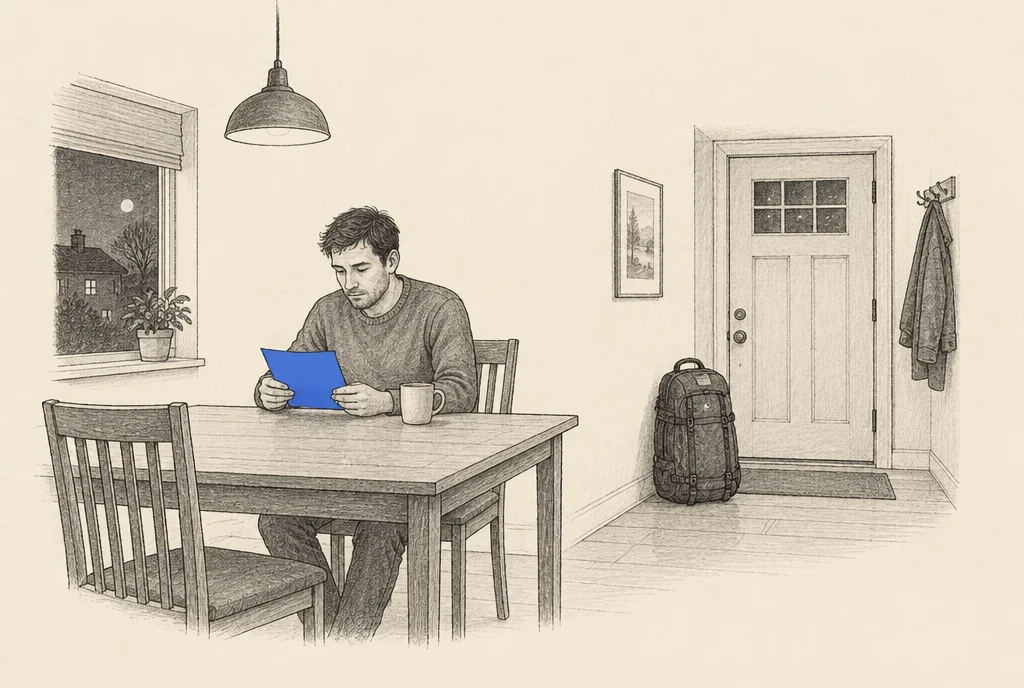
It is a small ask with a big result. Questions a day early do not make him sound rehearsed. They give his brain time to pick which story to tell.
You are type B if
- A script makes you sound like a bad actor, but a blank question makes you ramble.
- You speak best about things you have lived through.
- You want to know the subjects, not the sentences.
- Given 1 day, you turn up with better stories.
What to prepare: ask for the question list before the day. Do not write answers. Next to each question write 1 story you could tell. 1 line each is enough.
05Type C. He needs nothing at all
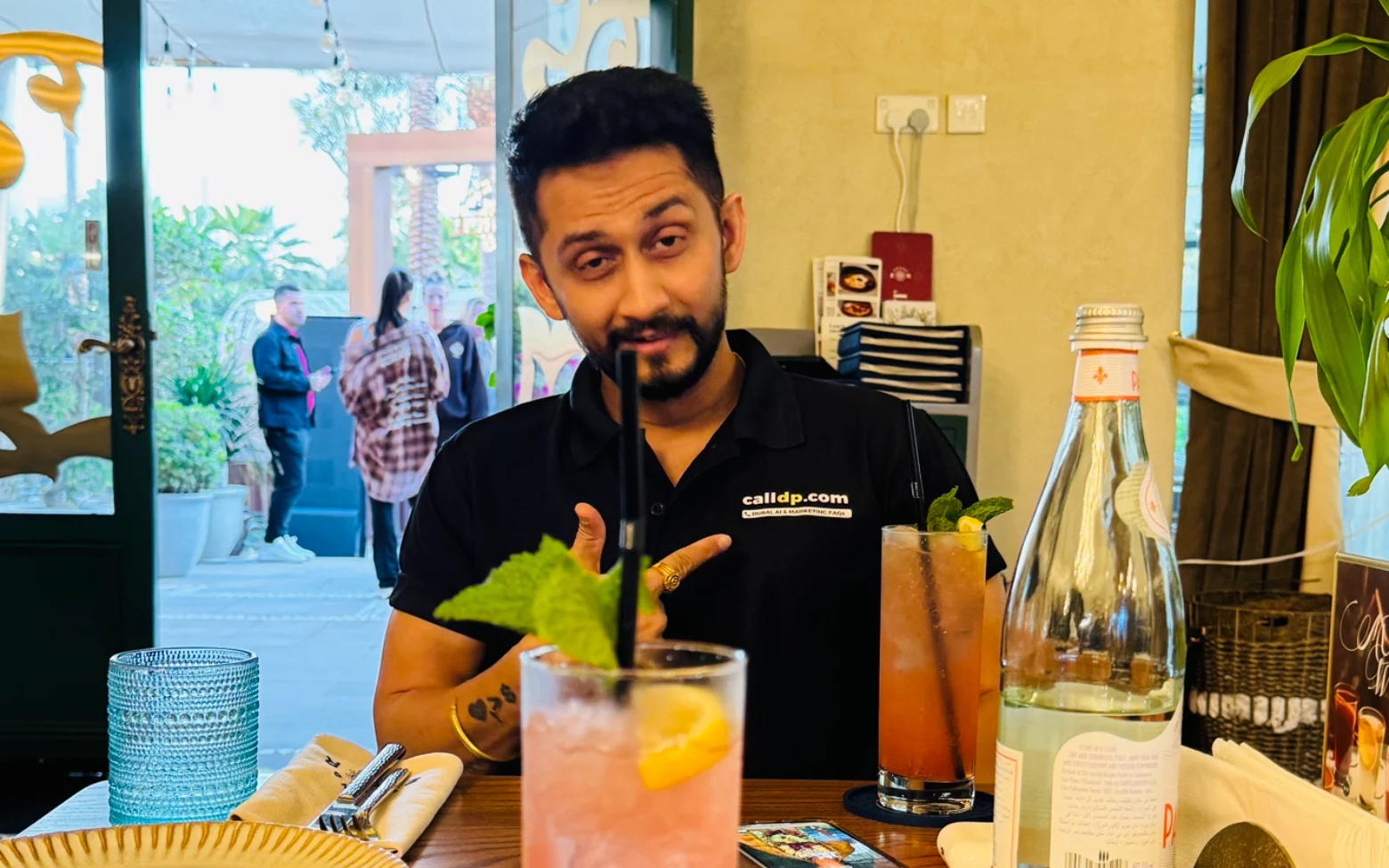
Type C is me, Digital Pratik. I do not want questions in advance. I do not want a script.
The only time I want a script is a quick ad, where an exact thing has to be said out loud in front of the camera. Even then I read it once or twice, I know what is coming, and I act naturally in front of the teleprompter instead of reading off it.
When my assistant asks me something on WhatsApp, I have no idea what the question will be. The moment it lands I reverse engineer it inside my own head and self audit my past. Past 1 hour, past 10 hours, past 10 years. I skim all of it in my head and speak in the rawest form, without thinking about whether this is a 1 minute answer, a 10 minute answer or a 1 hour answer.

Same on stage. My keynotes have no presentation. I take a starting point and carry the conversation forward from there.
You are type C if
- A question is all you need, and you would rather not see it early.
- You stop watching the clock once you start talking.
- You can speak on stage without a single slide.
- A script slows you down instead of helping you.
What to prepare: nothing on paper. Just do not assume everyone else in your company is like you.
06How I run the sitting
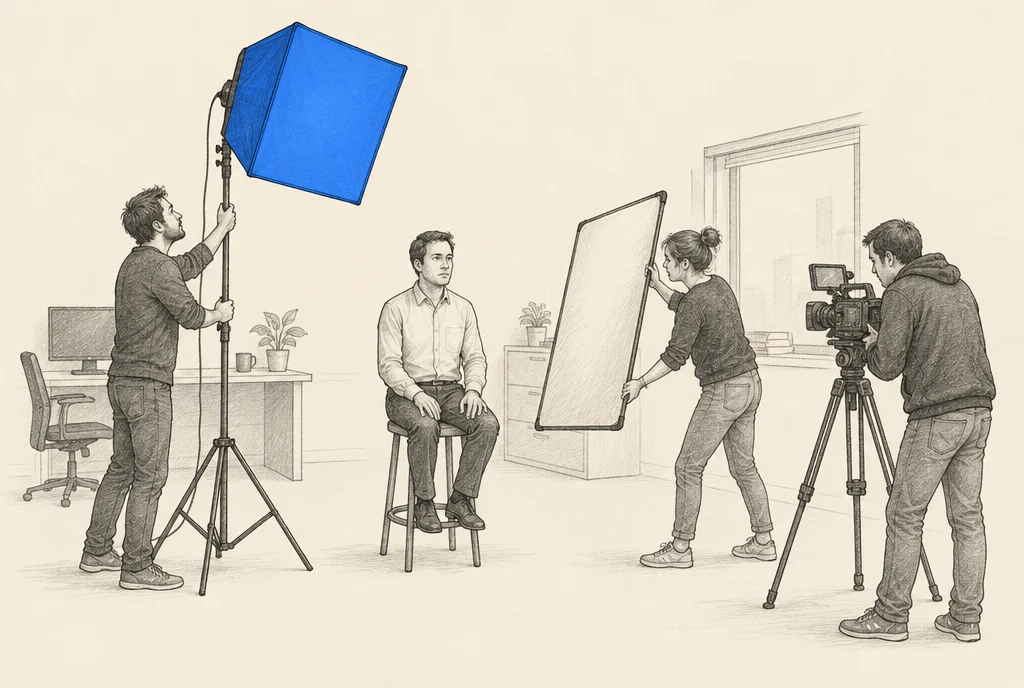
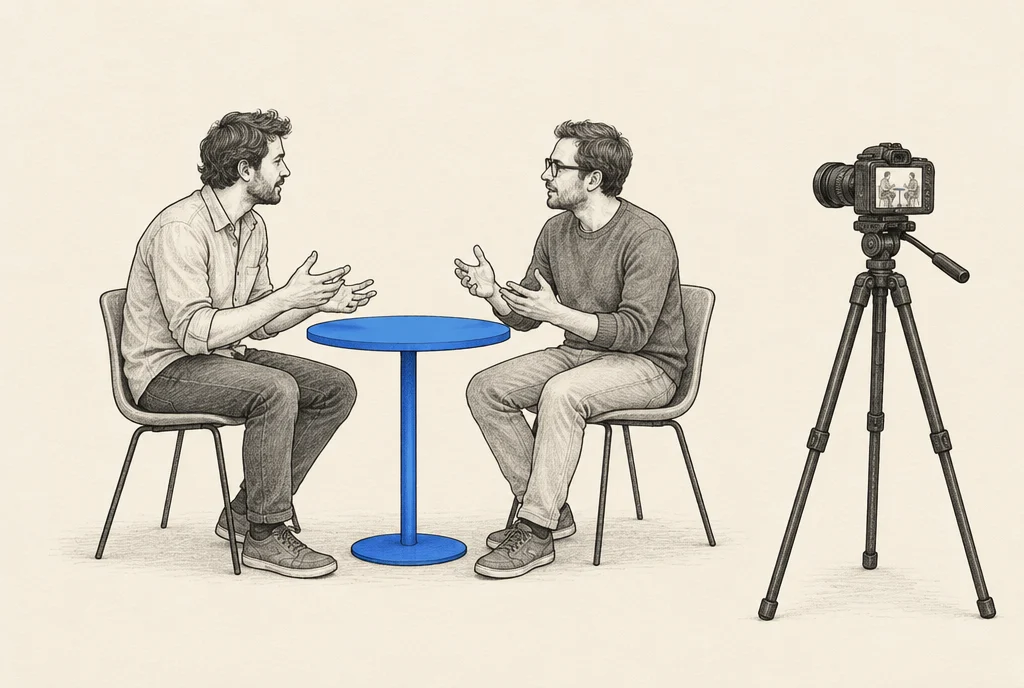
Here is the setup from the shoot that worked. I asked the questions. We recorded on an iPhone with the Blackmagic camera app. The founder was not looking at the camera. He was having a conversation with me, which makes it look like a podcast setup even though there is no podcast.
That is the whole trick. The camera stops being the audience and I become the audience. He is talking to a person, not to a lens.
What happens before and during
- 01Find the type
Before I plan anything, I work out whether this founder is A, B or C.
- 02Write the questions
For a sitting like this I prepare 10 questions built around the topics he should be known for.
- 03Share them or hold them
Type A gets the script. Type B gets the questions early. Type C gets nothing.
- 04Set the room so he can talk
iPhone on the Blackmagic camera app, him facing me instead of the camera, 1 real conversation.
- 05Record 30 minutes with the founder
On a shoot day I record a 30 minute conversation with the founder. That 1 conversation is the content mine for the month.
- 06Chop it wide
Reels, carousels, image posts, quote cards and a b-roll bank all come out of the same sitting.
The first shoot with a new client is also a discovery. You cannot plan the perfect shoot before you have seen the office, met the people and found out who can actually talk on camera. So shoot 1 maps all of that, and from shoot 2 you build the system.
All of this sits inside what I call STORM. Strategic, Targeted, Organic, Relevant Media. From now on, before I film, direct, ideate or strategize for any founder's STORM, the first thing I answer is which type he is.
- 3types of founder in front of a camera
- 2founders filmed in 2 months that showed me this
- 10questions I prepare for 1 sitting
- 30 minutesof founder conversation that feeds a month of content
Decide which type you are, A, B or C, and send that 1 letter to whoever is filming you next.
07Questions, answered
Do I need a teleprompter for my videos?
Only if you are type A and you want to sit and read. If you need the exact words and you are not comfortable moving around, a teleprompter helps you. If you can talk from a question, it will only make you sound flat.
What do I say on camera as a business owner?
The things you already say on sales calls and in client meetings, and the answers to the questions buyers keep asking you. You do not need new material. You need your real material recorded.
Can I move from 1 type to another?
Yes. A founder who needs a script on his first shoot may only need the questions by his third one. The type is where you are today, not a label for life.
How many questions should be ready for a founder shoot?
For a sitting like the one I ran, I prepare 10 questions around the topics the founder should own. Long questions that pull out stories, never yes or no questions.
Should the founder look at the camera?
Not always. In the setup that worked best for me, the founder looked at me and talked to me while the camera recorded from the side. It looks like a podcast and he sounds like himself.
If you want to know how much content your business can actually carry right now, and what your first sitting should be, take the Capacity Diagnostic.

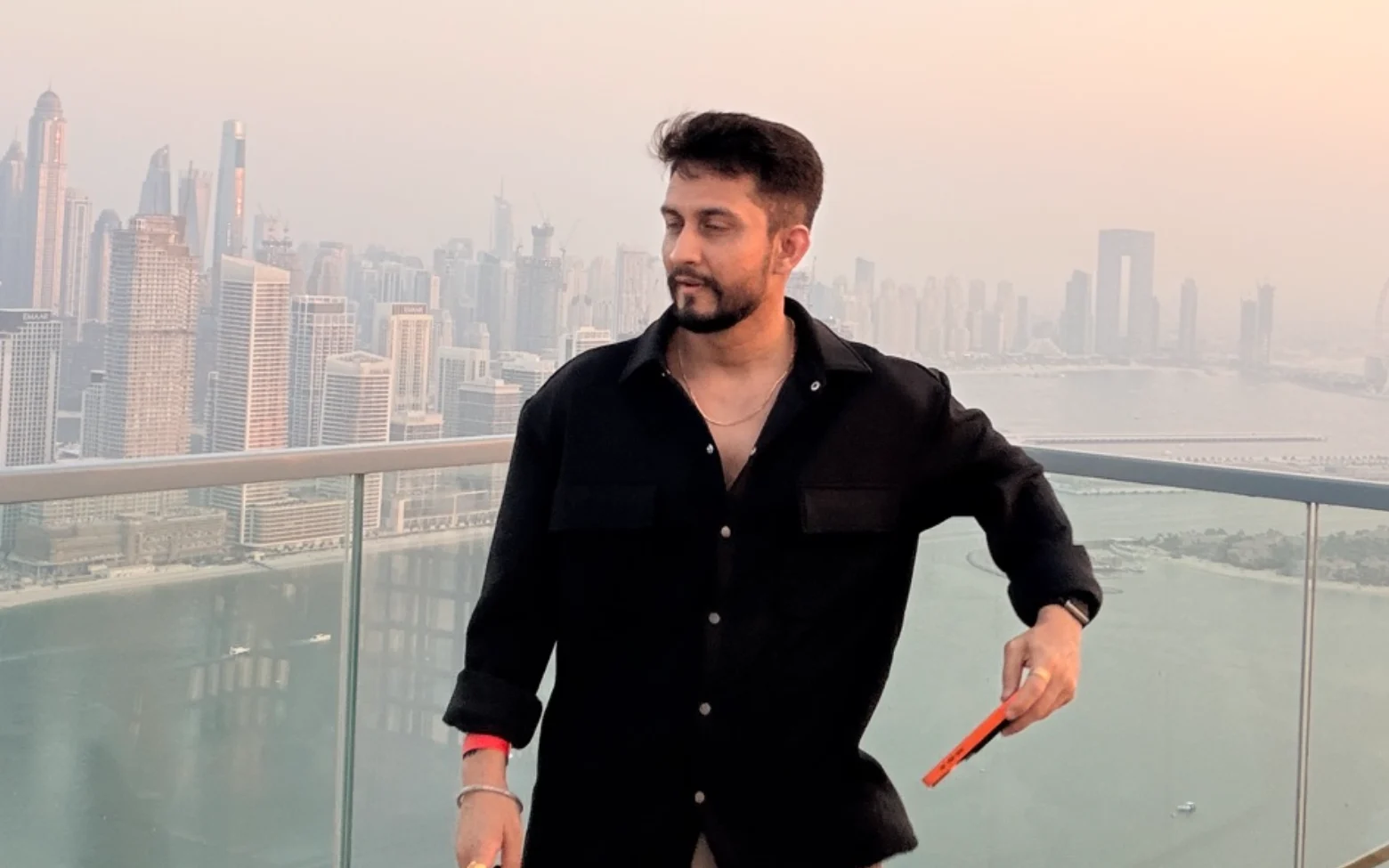
Digital PratikA 37 year old, smiling, practical Gujarati, a Kathiyawadi businessman. Founder of JorrDaar LLC, Dubai.