Your client only sees the pool. Show them the 40 days before it.
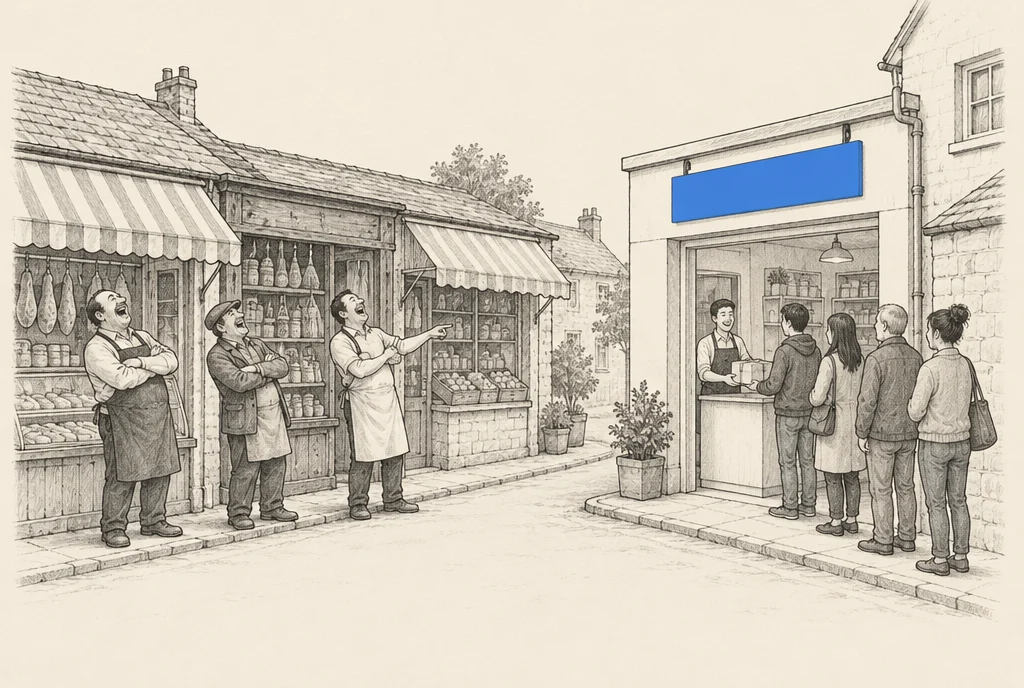
Your client sees the finished pool, the new licence or the signed audit. They never see the weeks before it. So it looks easy, and easy looks cheap.Your client sees the finished pool, not the weeks before it. So it looks easy, and easy looks cheap.

- A buyer only sees the finish. They never see the digging, the forms or the checks.
- Work they cannot see looks easy. Easy looks cheap, so they argue the price.
- Show the work while it runs: short updates, pictures, a plain log and a 30 second video.
- The same clips build trust, bring referrals and fill your page. The work is the content.
In this article
Say a pool takes 40 days to build. That is only an example. It could be 30 days or 60.
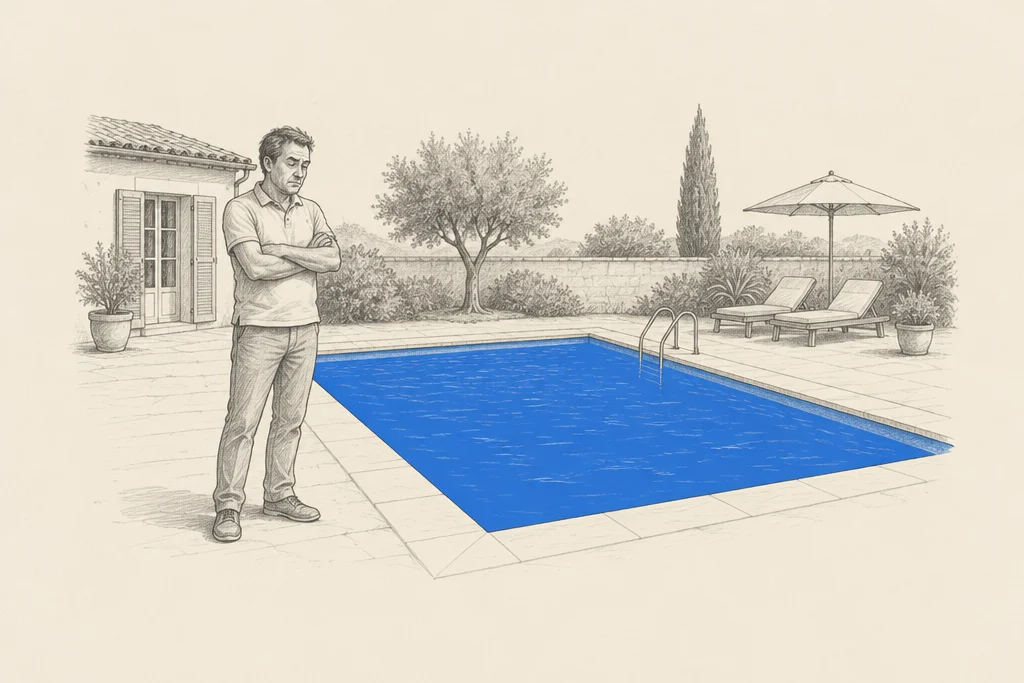
For most of those days, there is no pool. There is a hole, a pile of mud, pipes in a trench and a team checking levels in the Dubai heat. The client is at work. They see none of it.
Then the water goes in. The client looks at a blue rectangle and thinks: that is it? When the final bill comes, they want to talk about the price.
01Easy looks cheap
This is not only a pool problem. It is every firm that does weeks of work and hands over 1 thing at the end. The client holds that 1 thing for a second and forgets the weeks behind it.
What they see, what they miss
Blue water
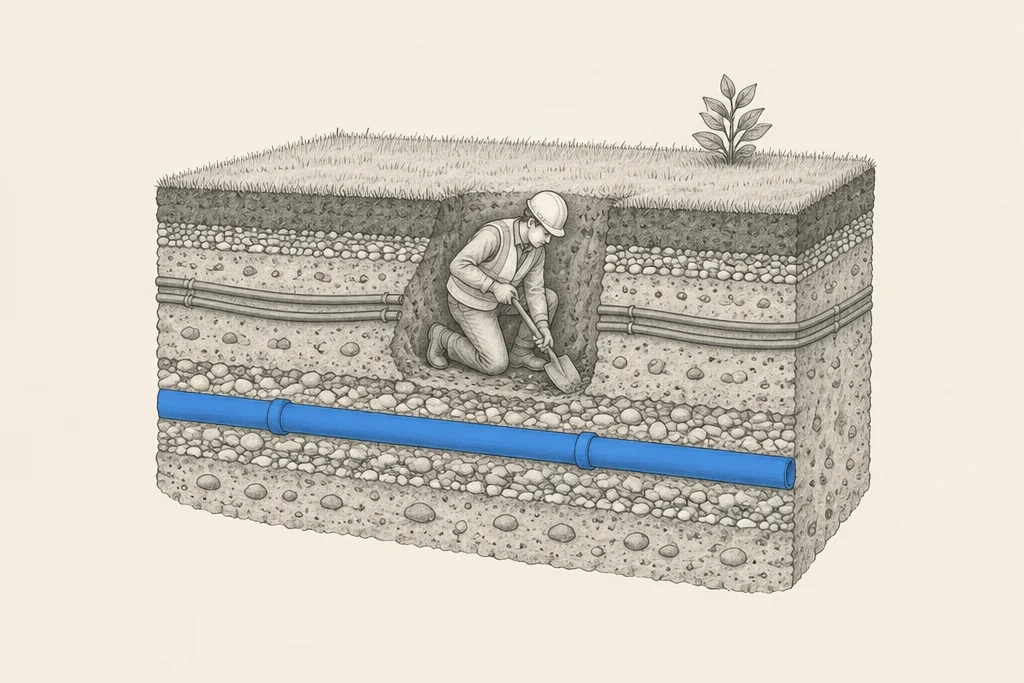
The digging, the pipes, the checks
A licence
The forms, the calls, the fixes
A signature
Every invoice checked against the bank
Green grass
The levels, the wires, the soil
People value work more when they can see it. A 2011 Harvard Business School paper ran 5 experiments on travel and dating websites. People liked a site more when it showed them the work it was doing, even when they had to wait longer for the very same result.
The pool is the result. The 40 days are the reason.
021/4 Send a short update while the job runs
The easiest way to show the work is to send it to the client while it happens. Not a report at the end. A short message, often, on WhatsApp.
When the client hears from you on day 5, day 12 and day 20, they feel the care before they see the result. And they stop asking the question every owner hates: why is it taking so long?
What 1 short update says
- What we did today, in 1 plain line.
- A photo or a short clip of it.
- What happens next, and when.
- Who to call if they have a question.

Keep it short enough to read in 10 seconds. The client should never have to reply.
032/4 Take pictures before and during
Everyone posts the finished job. And every finished pool looks like every other finished pool. The work before it is yours alone, and nobody else can show it.
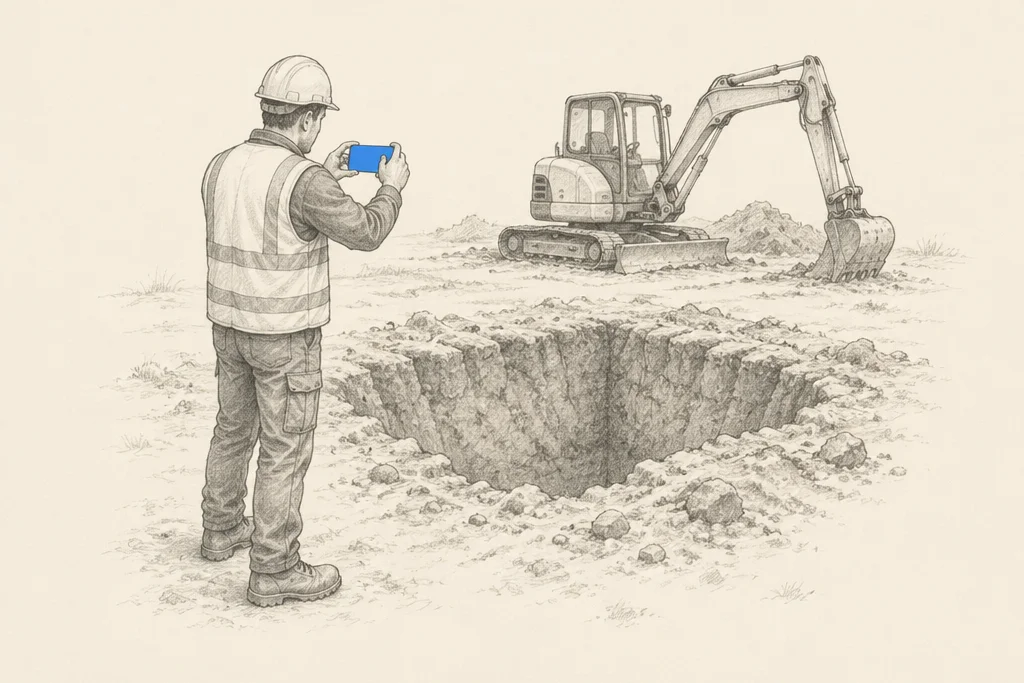
You do not need a camera team. 1 person on site with a phone is enough. The boring parts show the care, so film those too.
From the first day to the last
- 01The before
The bare plot or the empty office. Nothing to be proud of yet, and that is the point.
- 02The plan on site
The drawing held up in front of the real ground.
- 03The checks
The levels, the tests, the second look. This is where the care lives.
- 04What disappears
The pipes and wires before they go under the ground forever.
043/4 Keep a simple progress log
Some work has no site to film. A company setup, a tax filing, an audit. The work happens on screens and in calls. So write it down instead.
Keep a plain list while the work runs. Not the technical notes. The plain version, 1 line each. Then turn it into 1 page and send it with the result.

The 1 page "what we did for you"
- 01Keep a plain list
"We checked every invoice against the bank." "We found 2 payments entered twice." 1 line each, as the work happens.
- 02Turn it into 1 page
A title, the lines, and the things you caught. No trade words. The owner reads it in 2 minutes.
- 03Send it with the result
Every time, before they ask. The result is the work. This page is the reason for the invoice.
Over time, this page is why they do not shop around next year.
054/4 Film 30 seconds from site
Once a week, film 30 seconds. 1 person on your team, explaining 1 thing they are doing, in their own words. Why this pipe goes here. Why this form needs a second check.
No music, no script. A real person who knows the job, talking plainly, beats any polished advert.
Show your work. Do not pitch your work.

I have been telling owners that line for years. And save 1 more clip for the end: the client's face the first time they see the finished job, if they say yes to being filmed.
06The work is the content
Here is the part most owners miss. The updates you send the client are also the posts for your page. You do not need ideas. You need a phone at the job.
This is how I work too. I document, I do not create. It is the heart of STORM, my way of making strategic, targeted, organic, relevant media. 1 job, shown stage by stage, becomes many posts.
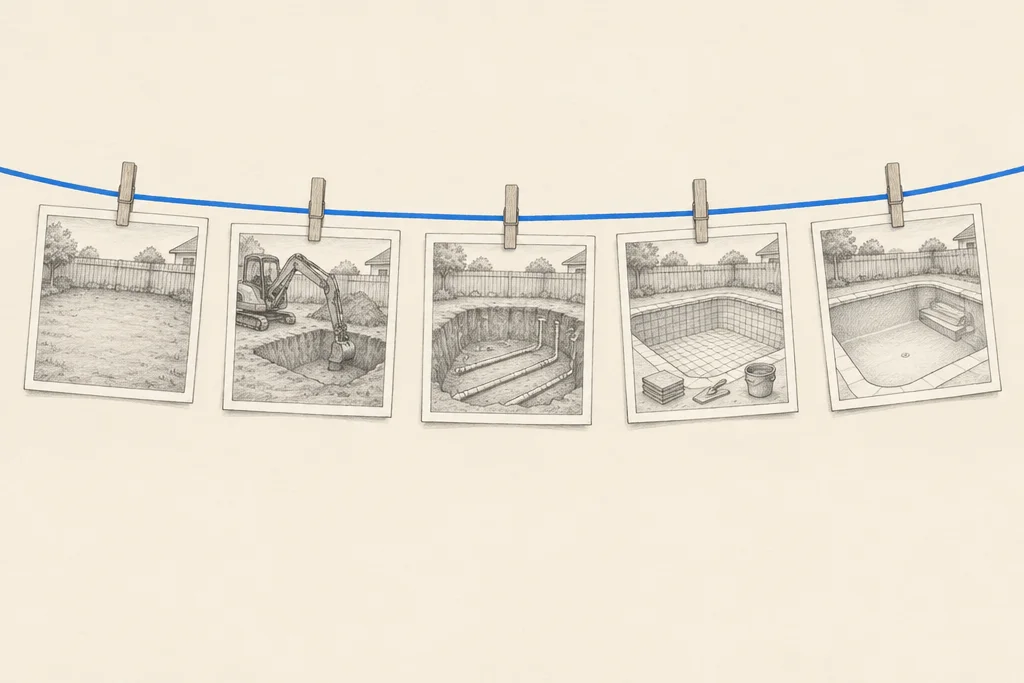
What showing the work gets you
- 01Trust
The client feels the care while the job runs, so the bill makes sense.
- 02Referrals
When the water goes in, the finish feels earned. People share that.
- 03Content
The next buyer sees how much goes into the work before they ask for a price.
07Start with 1 job this week
Do not try this on every job at once. Pick 1, and do it well from start to finish.
Show the work on 1 job
- 01Pick 1 job that is just starting
Tell the client you will send short updates. Ask if you may also post the work, without their name.
- 02Give 1 person the phone
Their job is 1 photo or clip a day, and 1 plain line about it.
- 03Send it, then post it
The client gets it first. Your page gets it after, with their name and address left out.
Look at your last 5 posts. Count how many show the work, not the finish. If the answer is 0, your next job is your next month of posts.
08Questions, answered
Will my client get annoyed by all these updates?
Not if they are short and never need a reply. Silence worries a client more than a short message does. A quiet job feels like a stuck job.
What if something goes wrong on site?
Show the fix too, calmly. A problem you caught and solved shows care better than a perfect story. Tell the client first, before it goes anywhere else.
Do I need a video team for this?
No. 1 person with a phone is enough. No editing, no music, no script. Plain and real works better here than polished.
Can I post a client's job online?
Ask first. Leave out their name, face, address and anything that shows who they are, unless they say yes. Most will, when they see the work.
If you want to see which parts of your work your buyers never see, that is one of the things the Capacity Diagnostic looks at.

Digital PratikA 37 year old, smiling, practical Gujarati, a Kathiyawadi businessman. Founder of JorrDaar LLC, Dubai.