
Break Your Tasks Down Once, and Let AI Run Them Forever
 Digital PratikGrowth Marketing Consultant
 The way to automate repetitive work with AI is to manually break the task into steps first.
Most people skip this.
They expect AI to figure it out.
It cannot.
But once you map a task clearly, AI can run those steps for you on demand, without you being in the loop every time.
Most people try AI for a week and give up. They say it did not save them time.
And they are right, it did not. But the problem is not the AI.
The problem is they handed over a vague job and expected a precise result. You cannot automate a blur.
AI needs a map before it can drive, and most people never draw the map.
Why AI Does Not Save You Time by Default
Everyone talks about AI as if picking up a tool is enough. Open the app, type a prompt, get output.
Done. But that is not how it works in practice.
When you hand a task to AI without structure, you get a generic output. You edit it.
You try again. You spend more time than you would have spent without AI.
The tool is not broken. Your input is broken.
And the fix is not a better tool. The fix is better preparation.

The One Step Everyone Skips
Before you touch any AI tool for a recurring task, sit down and write the steps you follow when you do that task yourself. Not the category of the task.
The actual steps, in order, in plain English. If you write a weekly report, write out every decision you make while writing it.
If you respond to a specific kind of client message, write out the logic you use to form your reply. This is the map.
AI needs the map before it can work. Most people skip this step because it feels slow.
It is not slow. It is the only part that matters.
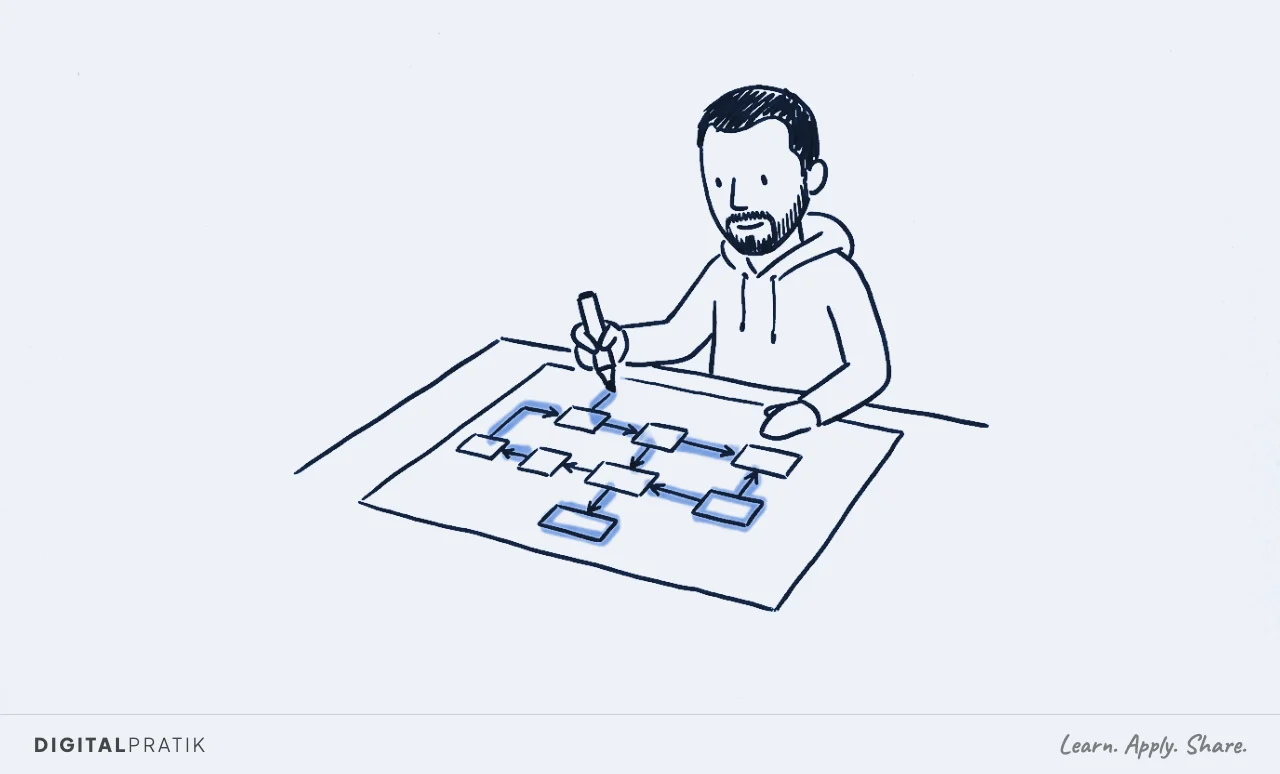
What Breaking Down a Task Actually Means
A task breakdown is not a summary. It is a step-by-step description of how you do the work.
For every recurring task, capture these five things:
- The trigger. What event starts this task? A message, a deadline, a specific day of the week?
- The inputs. What information does this task require to begin, and where does that information live?
- The decisions. What choices do you make midway through, and what changes the output depending on the situation?
- The output. What is the finished result, and what format does it take?
- The destination. Where does the output go when the task is done?
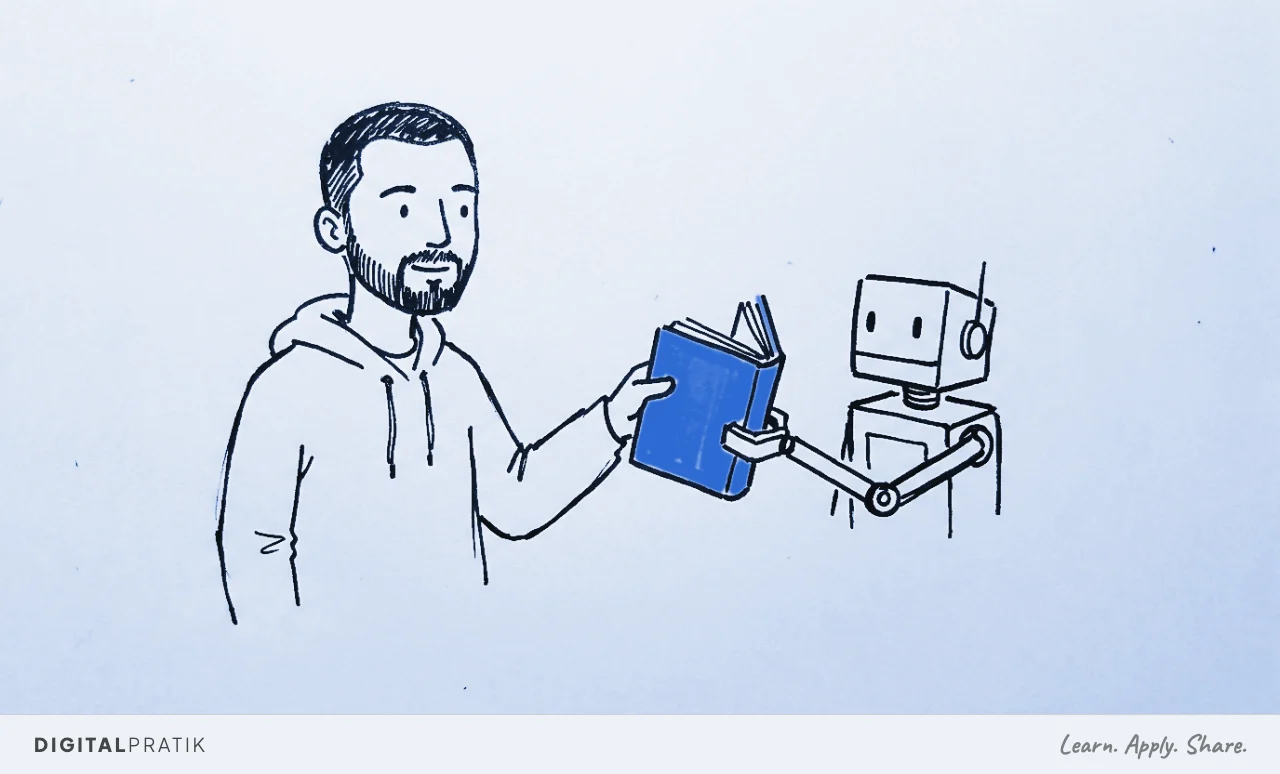
When you write this down for any recurring task, you are not just making a checklist. You are creating the instruction manual that AI can follow.
The manual does the work. You only have to write it once.
How Granular Is Granular Enough
This is where most people underestimate the work. They write three bullet points and call it a breakdown.
Then the AI output is mediocre and they blame AI. The more specific you are, the better the result.
If your task involves a decision, write the decision tree. If your task pulls data from somewhere, name the source.
If your task changes based on a condition, write both versions of it. Think of it this way: if you hired someone new tomorrow and handed them this document, could they complete the task without asking you a single question?
If yes, the breakdown is ready. If no, keep going.
This Works for Any Role, in Any Industry
People assume this approach is only for tech businesses or content creators. It is not.
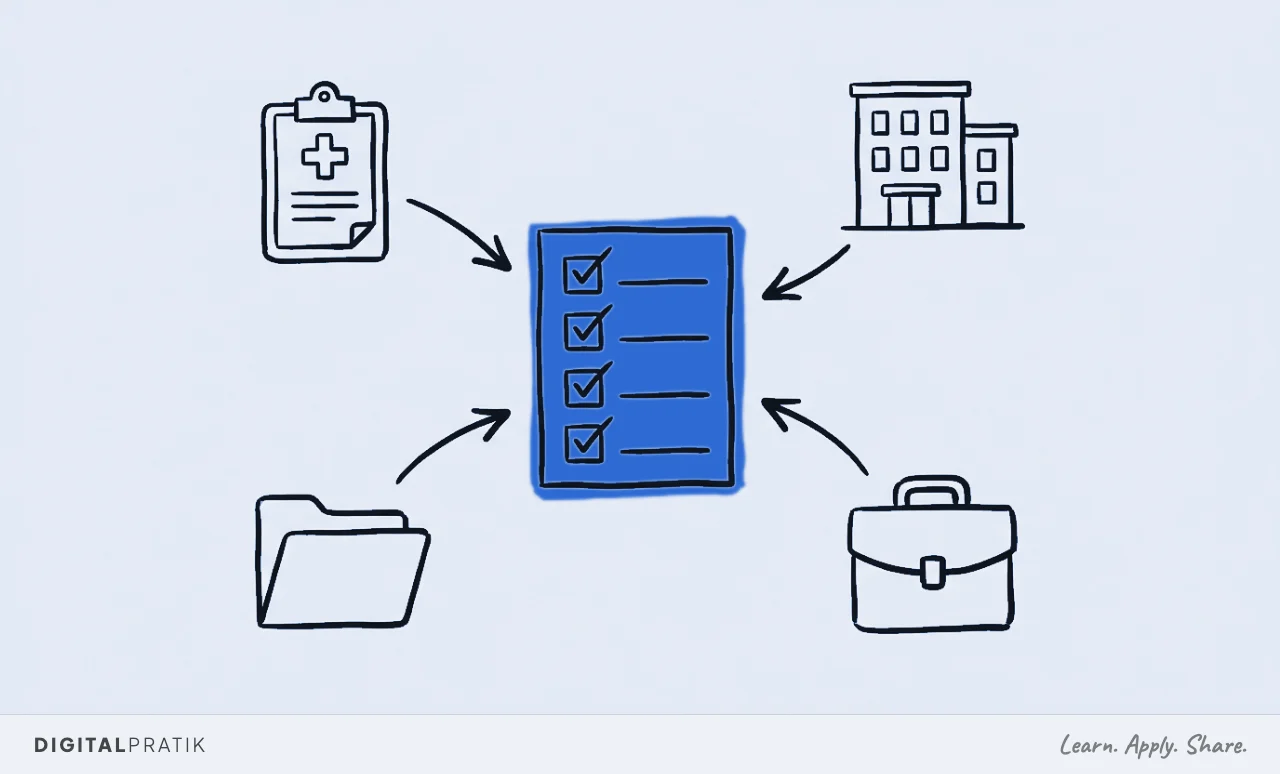
A clinic that sends appointment follow-ups. A business center that compiles weekly occupancy data.
A consultant who writes status updates for each client every month. A recruiter who formats and routes incoming applications.
Every one of these has repetitive tasks. Every one of those tasks can be broken into steps.
And every one of those step-by-step instructions can be handed to AI. The job title does not matter.
The repetition does.
The Trap That Kills the System Before It Starts
The most common mistake is trying to automate the interesting or creative parts of your job first. Do not do that.
Start with the task you dread most. The one you push to the end of the week.
The one you do on autopilot but still takes an hour. That is your first candidate.
The goal at the start is not to impress yourself. The goal is to free up real time, fast, so you believe the system actually works.
Once you believe it, you will keep building it.
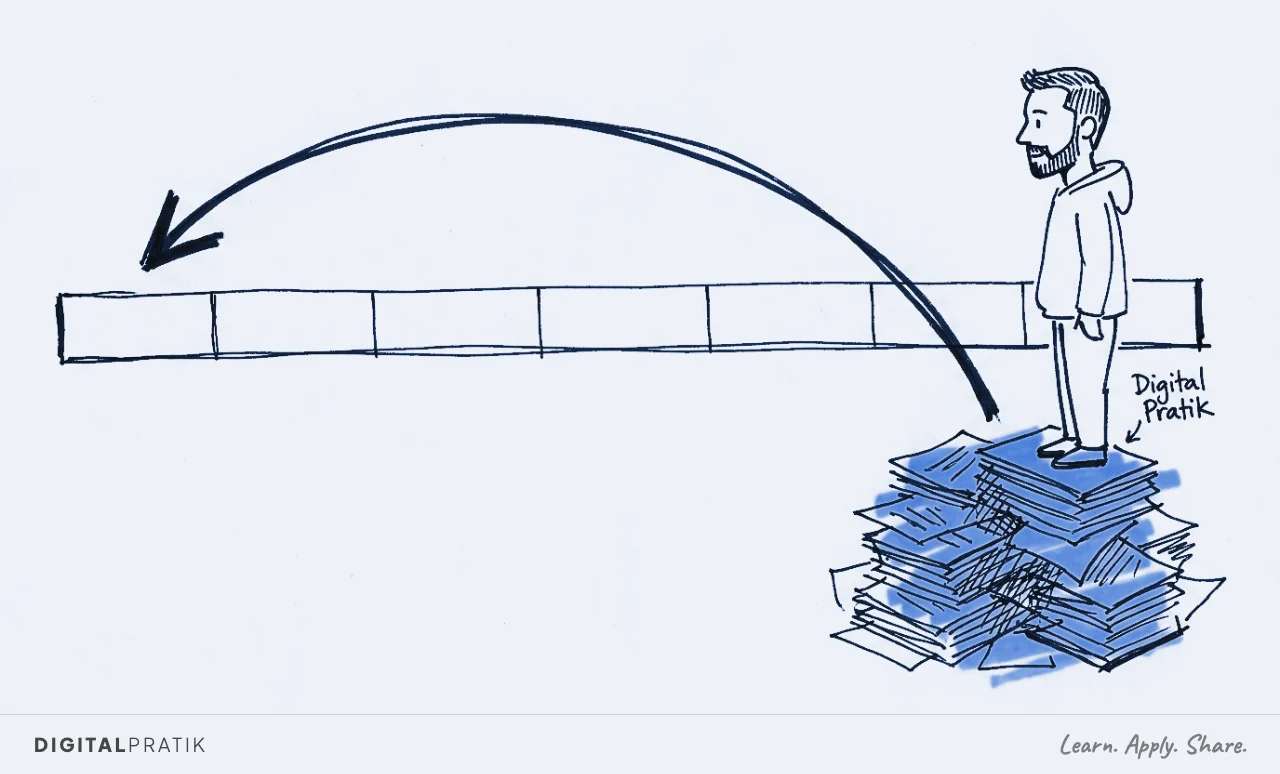
Reading about a system and running one are different jobs. If your business does AED 10 million a year or more, this is what a working session looks like.
What to Do With Your Breakdown Once You Have It
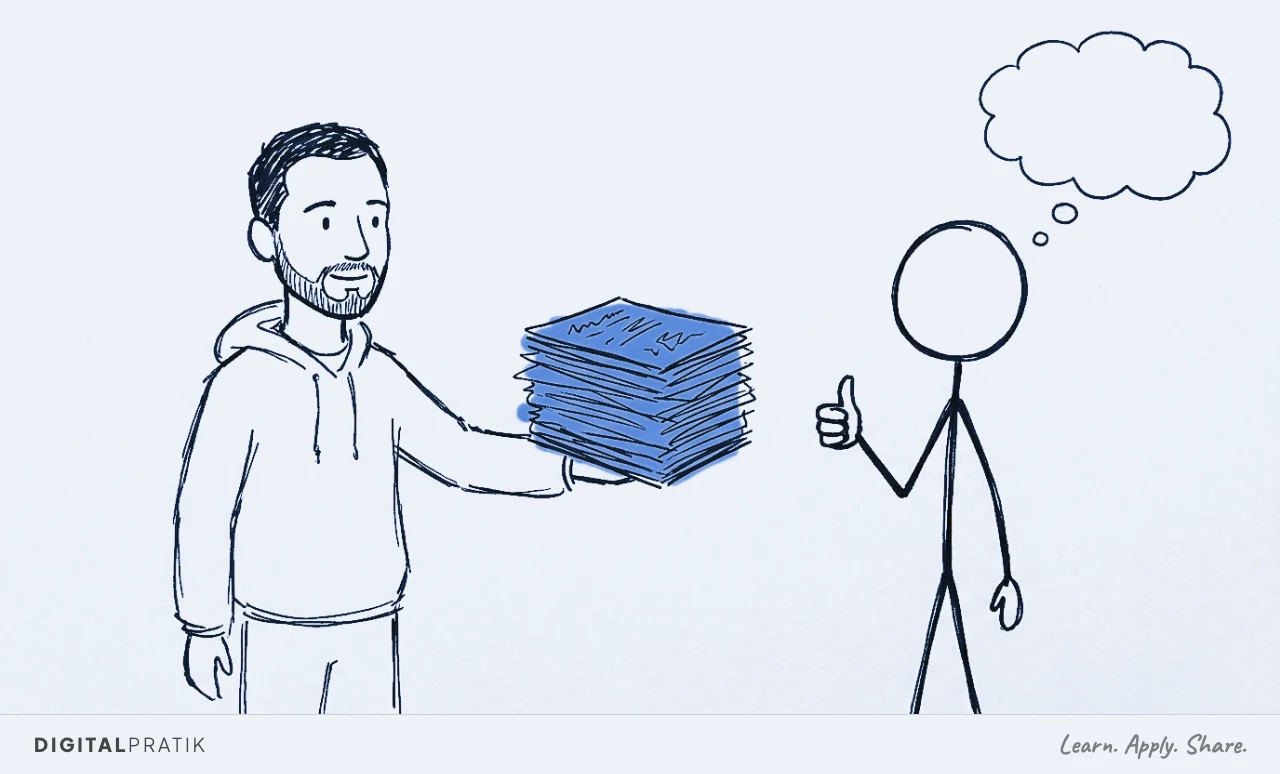
Once your task is mapped into steps, you have options. You can paste the steps directly into a prompt and ask AI to complete the task using the framework.
You can build a recurring prompt template that you reuse every time the task comes up. Or, if you want a real operating system for your work, you can set certain tasks up so they run on schedule without you initiating them at all.
The pattern I build toward is this: define a sprint cadence, a minimum spec for each deliverable, a decision tree for common judgment calls, and a recurring brief that pulls from your actual data sources. Then let AI handle the scheduling, routing, and compilation.
You step out of the execution loop. You stay in the judgment loop.
Building Your Personal Operating System
One task breakdown is a time-saver. Ten task breakdowns is a system.
When you have mapped out the things you do repeatedly every week, you have a personal operating system. Not a productivity hack.
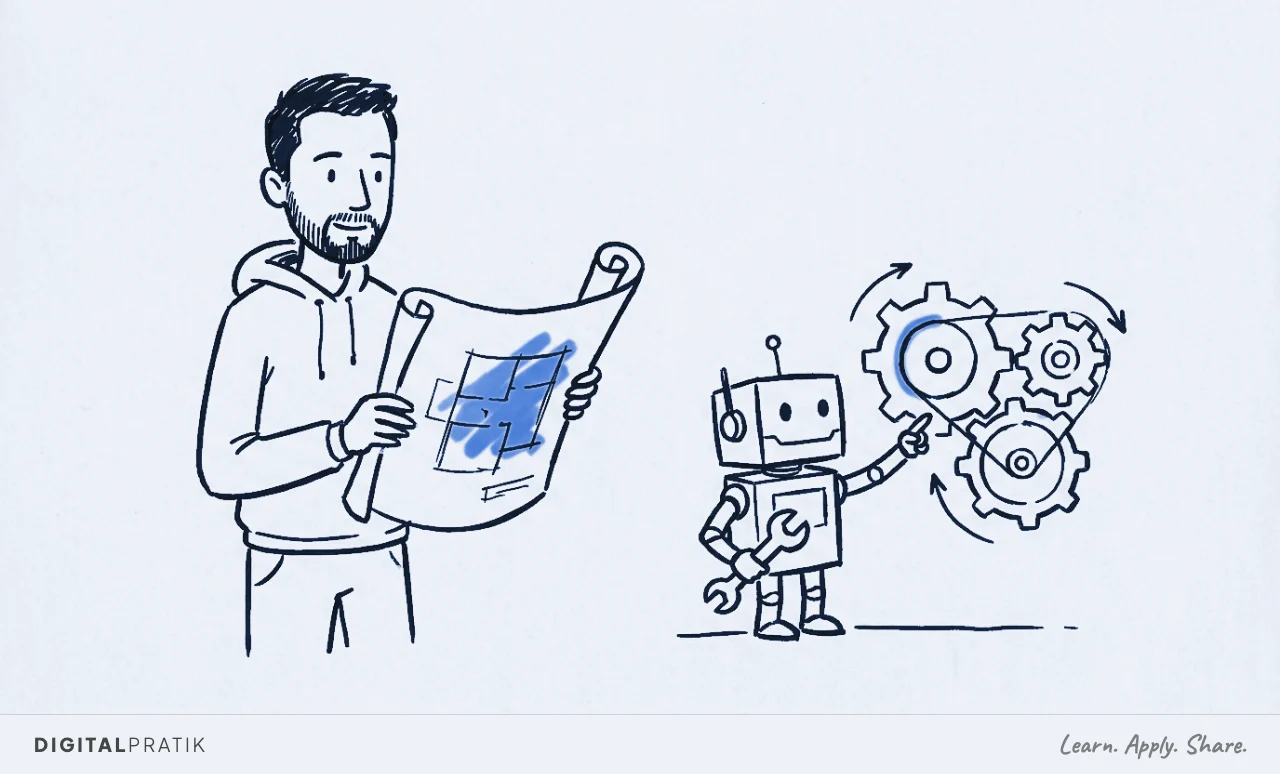
An actual system. One where you are the architect and AI is the operator.
This is the shift most people talk about but never reach, because they try to get there by buying tools instead of doing the foundational thinking. The thinking is the product.
The tools just run it. If you want help building this for your specific role or business, work with me directly.
The Compounding Effect of One Good Breakdown
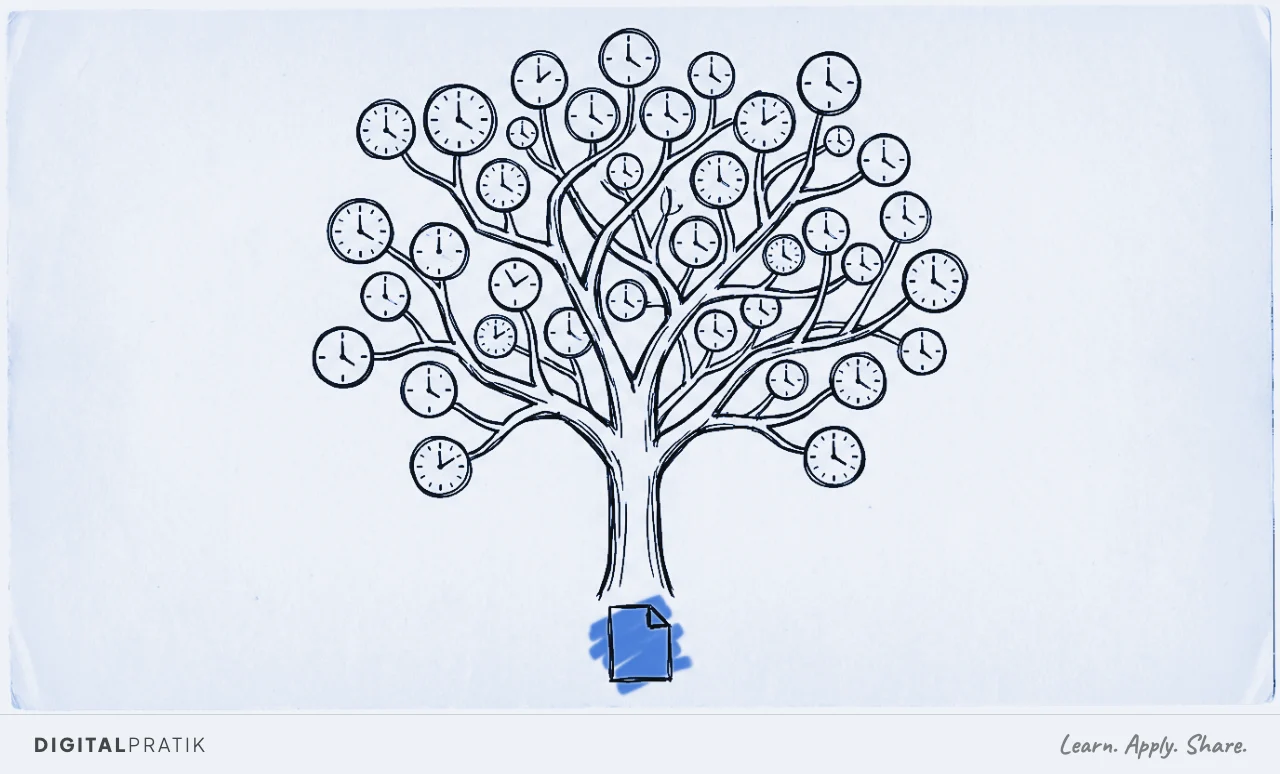
Here is what most people miss. A task you do every week, you will do dozens of times over the course of a year.
If the breakdown saves you meaningful time on each run, that time compounds across every repetition. From one task.
One document you wrote once. The more carefully you mapped the steps, the more consistent the output and the more time returns to you over months.
This is why doing the thinking carefully at the start is not perfectionism. It is the highest-leverage use of your time.
And it scales without extra effort from you.
The Mindset Shift That Makes This Work
Most people treat AI like a search engine. They ask it things.
They get answers. They move on.
That is not a system. A system means the work runs whether you are in the room or not.
Getting there requires one mental shift: your job is no longer to do the task. Your job is to define the task so clearly that something else can do it for you.
That is a different skill. It is also a learnable one.
And it starts with sitting down, once, and writing out the steps.
Start With One Task This Week
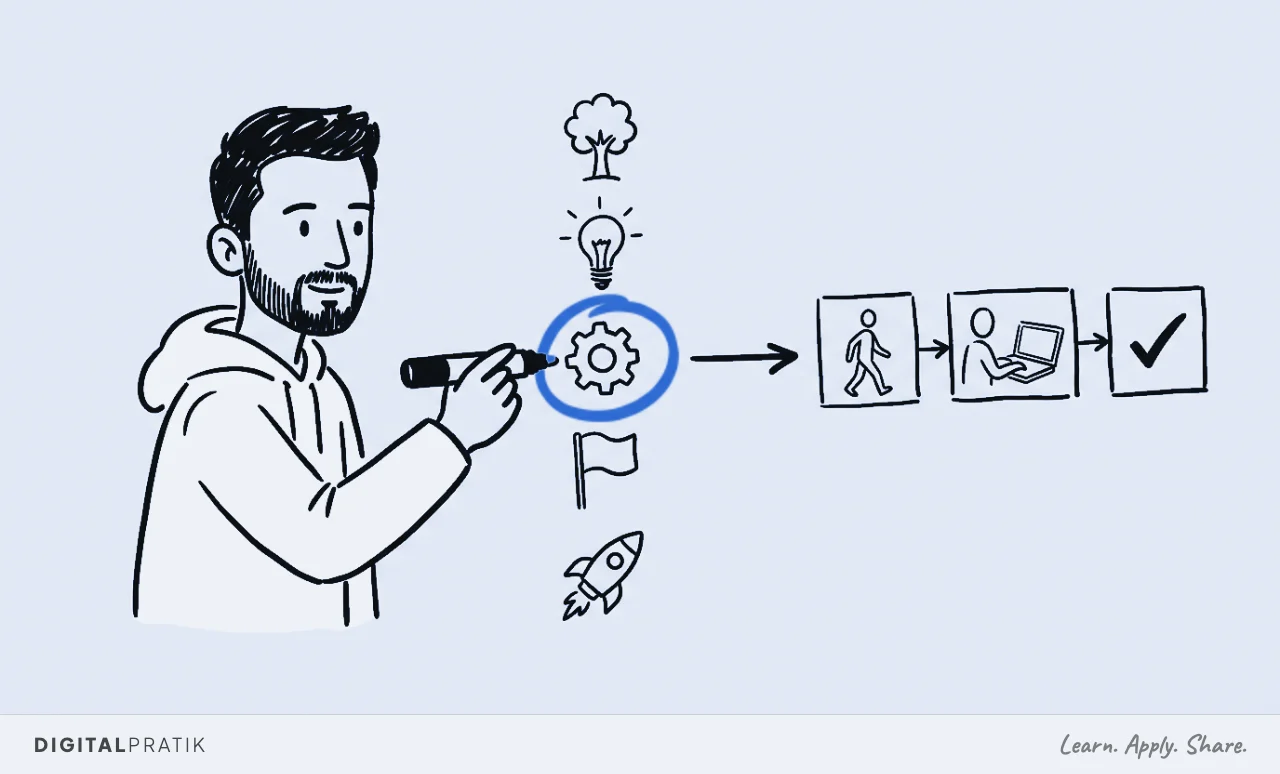
You do not need to build a full system this weekend. Pick one task, map it once, and test it.
That is the whole assignment for now. If you want to go further, explore what a proper AI automation framework looks like when it is built from the ground up with structure.
The most important move is the first one. One task.
This week.

Frequently asked questions
No technical skill is required. Task breakdown is writing, not coding. You are writing the steps you already follow, in plain English. If you can explain your job to a new hire, you can write a task breakdown that AI can use.
For a simple recurring task, one focused session is enough for a first version. The map improves over time as you notice gaps in the instructions. The point is to start, not to perfect the breakdown before you test it.
Tasks that repeat on a schedule, follow consistent logic, and produce a predictable output are the best candidates. Think weekly reports, follow-up messages, data compilation, and routing decisions. Creative judgment calls are harder to automate and should stay with you.
Build the variation into the breakdown. If the task changes based on a condition, write both versions and label them clearly. AI handles conditional logic well when the conditions are spelled out. The breakdown does not have to cover every edge case, just the common ones.
It is similar but the audience is different. An SOP is written for a human who can ask clarifying questions. A task breakdown for AI needs to be more explicit because AI does not ask questions the way a person would. Think of it as an SOP with zero assumed knowledge built in.
Install this in your business
An article gives you the map. A working session gives you the system, built around what you actually sell and who actually buys it.