
Why Your Work-Life Balance Is Nobody Else's Business (And How to Own That Decision)
 Digital PratikGrowth Marketing Consultant
 Your work-life balance is nobody else's business because nobody else carries your responsibilities, lives inside your season, or feels the weight of your specific priorities. Balance is not a universal standard. It is a personal decision that shifts depending on what phase of life and business you are in.
Own that decision without apology.
Someone is always watching your schedule. They see you on a Sunday call and say you need to rest more.
They see you take a Tuesday off and say you are not serious enough. The outside world has a version of what your personal brand and your life should look like.
It almost never matches what you actually need.
Everyone Has a Version of Your Schedule That Isn't Yours
Your parents think you work too much. Your friends think you work weird hours.
One crowd says you are grinding yourself into the ground. Another says you are not serious enough.
Everyone is projecting their own version of normal onto your life. None of them are running your business.
None of them are living your season. Their opinion is shaped by their own relationship with work, not yours.
It is noise dressed up as concern.

Balance Is Not a Fixed Point
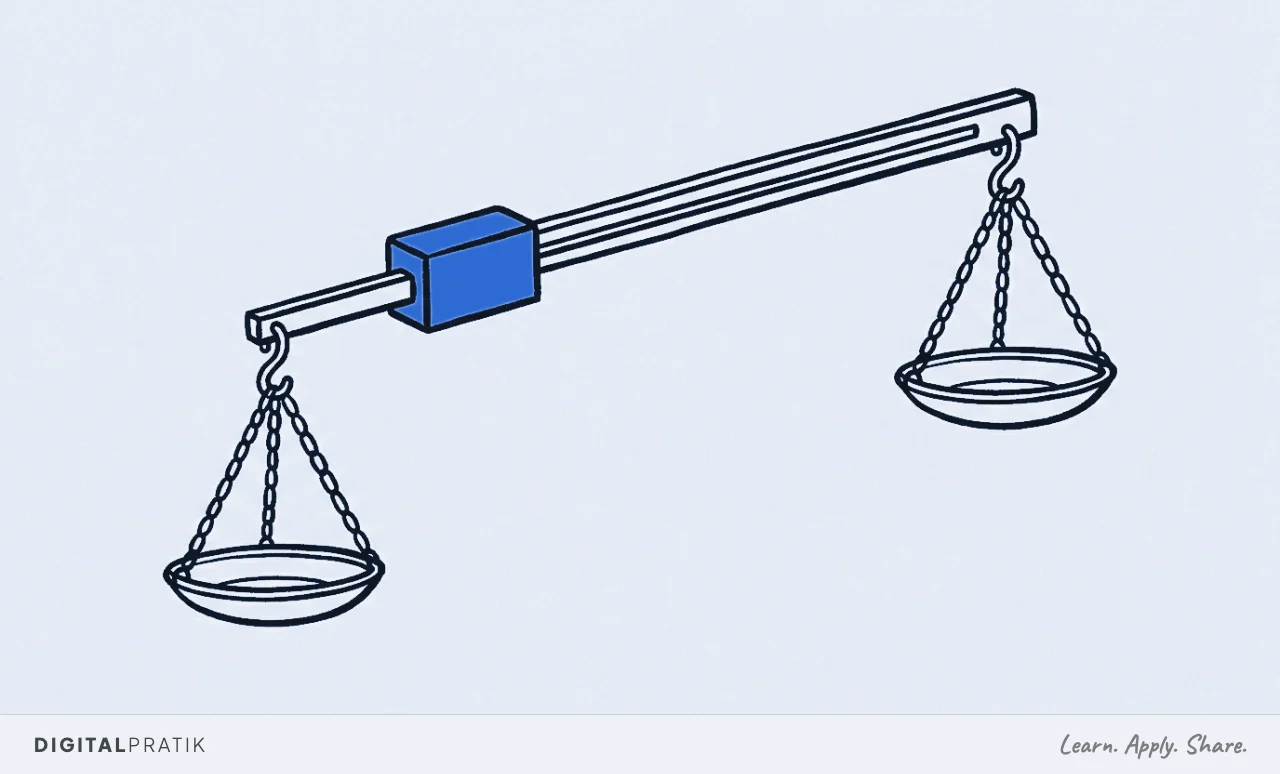
Balance moves. It is not 8 hours of work followed by 8 hours of family time followed by 8 hours of sleep.
That formula was not designed for founders. For someone building something real, balance looks different during a launch than it does during a slow quarter.
It looks different when your business is bleeding than when it is growing steadily. Treating it like a fixed standard is exactly what creates the guilt.
Not the hours themselves.
Season Over Standard
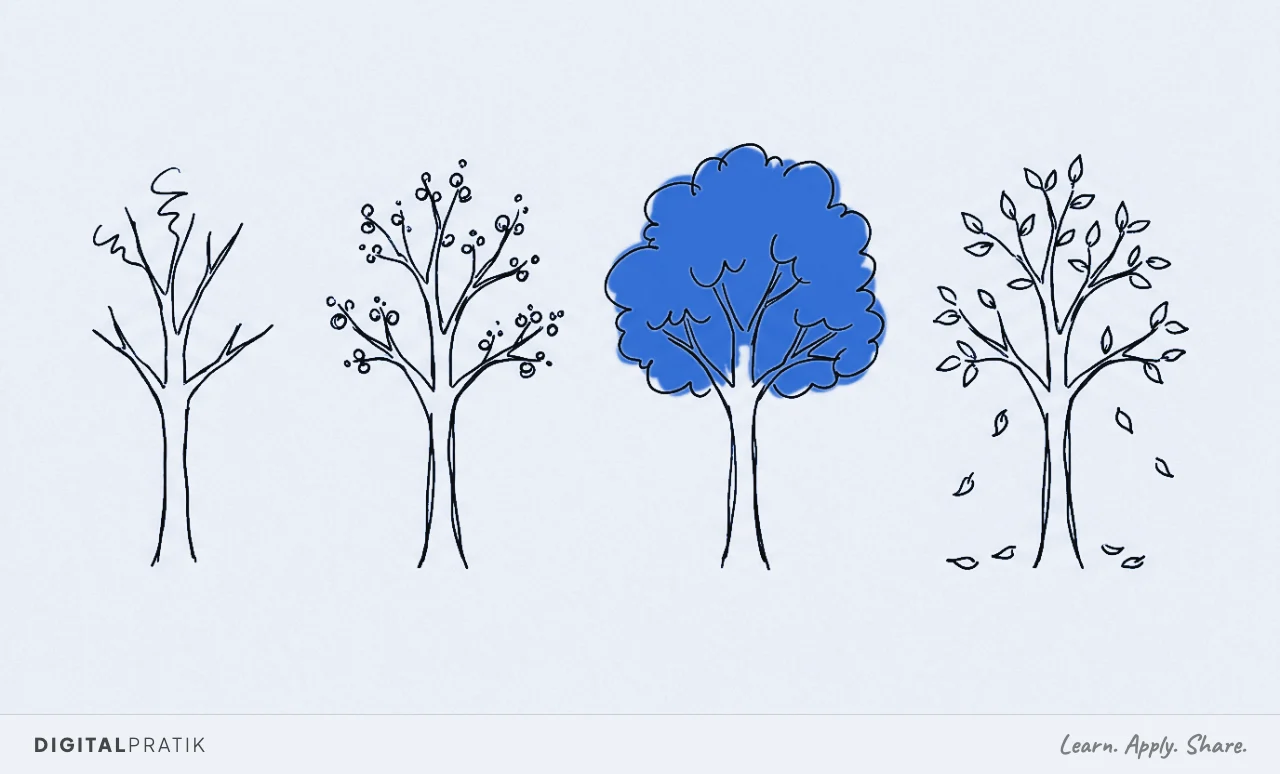
There are seasons where work takes up most of your waking life. That is not a failure.
That is what the season requires. There are seasons where family and health take the front seat and work runs in the background.
That is not laziness. That is what that season requires.
The mistake is comparing your busy season to someone else's maintenance season and deciding you are broken. You are not broken.
You are in a different phase. Phases change.
What My Wife and I Actually Live
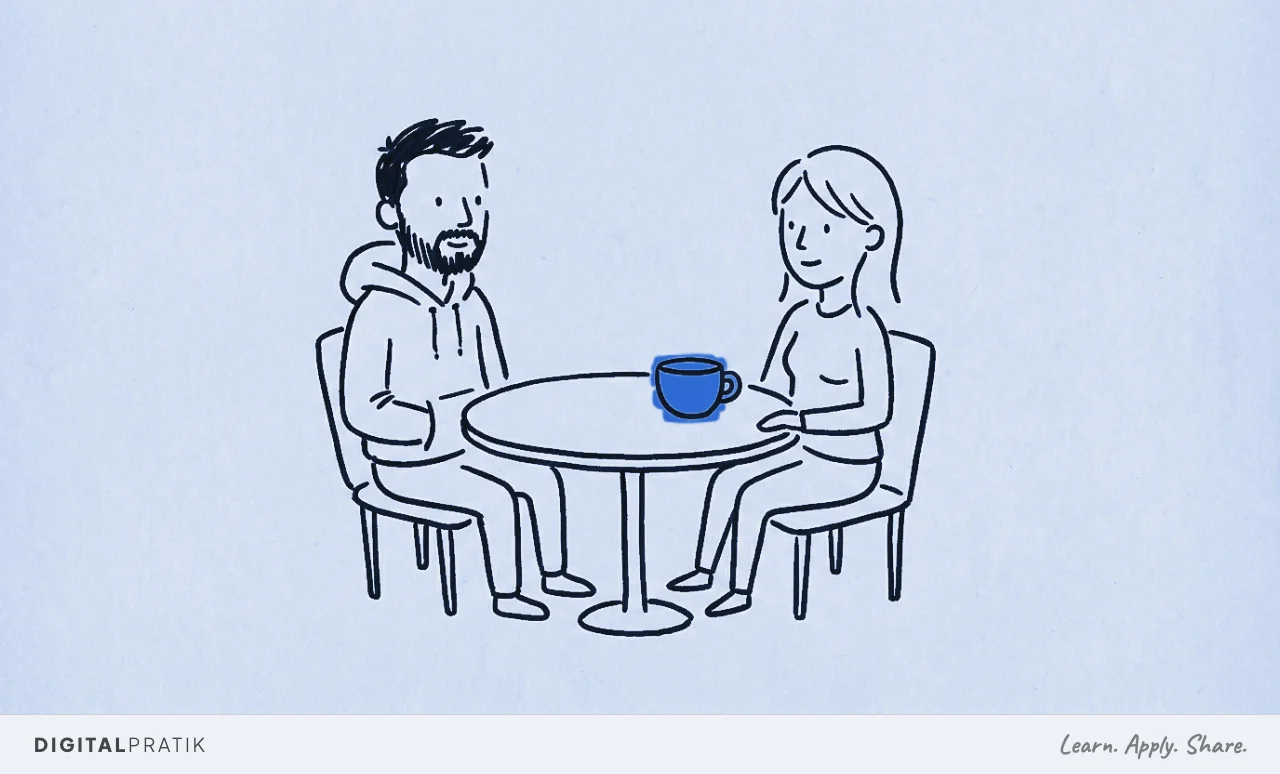
My wife Khyati and I do not chase work-life balance. That is not advice and it is not a boast.
It is just how we actually live. We built a practical life around our work.
We enjoy the moments with the people we love whenever we can, without major plans or big expectations attached to those moments. We are both in our 30s and we have grown into this version of life honestly.
It did not come from a book. It came from being real about what works for us and then building around that.
If you want to understand my story, that honesty is where it starts.
The Real Trap Is Performing Balance
Some people are not actually burned out. They are performing balance because they are uncomfortable looking like they care too much about their work.
They post the Sunday reset content. They talk about boundaries in public.
Then they stay up late doing the work anyway because deep down they know the work matters. The performance costs more energy than the reality.
Pick one and commit to it. Both are valid.
Neither one while pretending to be the other is not.
Hustle Culture Judgment Goes Both Ways
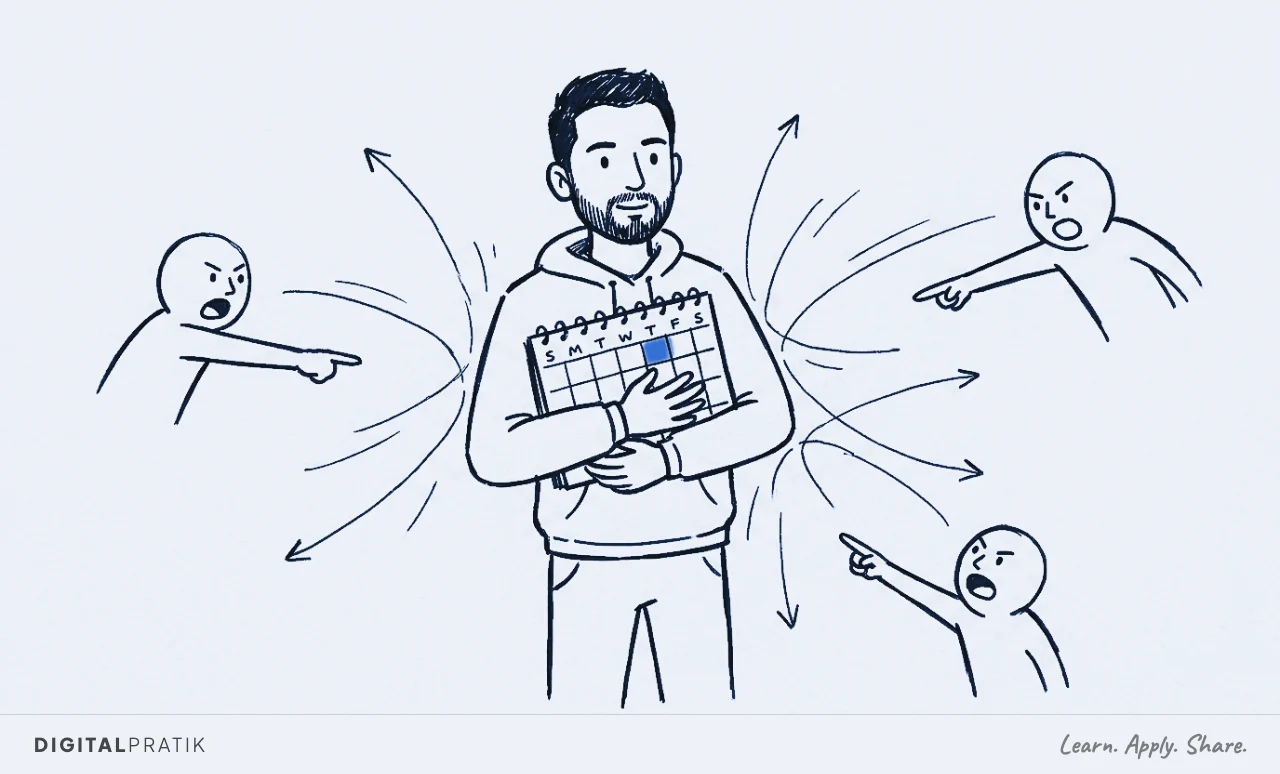
One crowd will judge you for working too much. Another crowd will judge you for not working hard enough.
Neither crowd is your business partner. Neither crowd is waking up with the weight of your goals.
Their judgment is a reflection of their own unresolved feelings about ambition and rest. It is not a verdict on you.
Observers do not pay your bills. They do not feel your priorities.
Stop letting them set your schedule.

You Do You Is the Only Real Option
The simplest piece of advice is also the hardest to actually execute. Focus on your own work.
Your own community. Your own metrics.
Not someone else's wins or someone else's schedule. Whether you win or lose in a given week, what matters is whether you are doing the work.
Whether you are showing up for the people who depend on you. Whether your effort matches your intention.
That is the only scorecard worth keeping.

- Track your own metrics. Are you making progress on what you said you would build? That is the only number worth measuring.
- Ignore season-blind advice. Any advice about work hours that ignores where you are in your business cycle is not useful advice for you.
- Stop apologizing for your schedule. You do not owe anyone an explanation for the hours you keep.
- Enjoy the moments without over-planning them. When rest comes, let it be rest. Do not turn a Tuesday off into a self-improvement project.
- Let your definition shift. Balance in year one is not balance in year five. Update it as your life updates.
Reading about a system and running one are different jobs. If your business does AED 10 million a year or more, this is what a working session looks like.
How to Define Your Balance Without a Framework
You do not need a framework for this. You need honesty.
Ask yourself two questions. Is the work I am doing moving the thing I care about most?
Are the people I care about getting enough of me in this season? If both answers are yes, your balance is working.
If both are no, something needs to shift. If one is yes and one is no, you are in a season.
That is normal. The point is to be honest about which question you are answering right now.

Practical Life Is Better Than Perfect Life
Perfect balance is a fantasy. A practical life is something you can actually build and sustain.
Practical means you work when the work needs to happen. You rest when rest is genuinely available.
You show up for the people you love in the gaps, fully, without your phone in your hand. You do not wait for a perfect schedule to be a present person.
You build presence into whatever schedule you actually have. If you want to go deeper on how I think about building your life around your work, work with me and we will get into it.

Owning the Decision Means Nobody Gets to Reverse It
When you own your definition of balance, you stop giving others the power to make you feel guilty about it. That is the whole thing.
Guilt only lives where ownership is missing. If you decided what your schedule looks like, based on your season and your people and your priorities, then someone else's opinion of it is just noise.
Let it be noise. The moment you start defending your schedule to people who did not help you build it, you have already handed them too much power.
Take it back. The decision is yours.
Keep it that way. And if you want to explore how intentional structure shows up across the work we do at JorrDaar, read about our founder mindset approach.
So decide what this season of your life actually needs, say it out loud once, and then stop explaining it. Nobody gets a vote on a life they are not living.

Frequently asked questions
It depends entirely on your season and what your life and business actually require right now. The problem is not working 7 days a week. The problem is doing it with no intention, no awareness, and no sense of when that season ends. Own the choice and revisit it regularly with honesty.
You do not need to change your schedule to manage their discomfort, and you do not need to defend it constantly either. A short honest conversation about what you are building and why this season looks the way it does goes further than repeated justification. Most people stop judging once they understand there is a deliberate reason behind it.
It looks like a practical life built around the work, with intentional presence for the people who matter whenever those gaps appear. It does not look like a rigid schedule with enforced evenings off. It shifts based on the phase of the business, and it works best when you design it yourself instead of borrowing someone else's version of it.
Guilt usually comes from comparing your season to someone else's standard. The fix is ownership. Decide what your current season requires, be honest with yourself about whether it is working, and make a conscious choice instead of drifting into it. A schedule you chose and can stand behind is a lot lighter to carry than one you stumbled into by default.
When it stops being a season and becomes a permanent default with no plan to shift. Seasons have a purpose and a direction. If you have been in the same intense mode for years with no change in sight and the people around you are consistently paying a price for it, that is worth looking at honestly. A practical life is sustainable. An unconscious one, over time, is not.
Install this in your business
An article gives you the map. A working session gives you the system, built around what you actually sell and who actually buys it.