
Who Is a Guru, and Who Can Be One?
 Digital PratikGrowth Marketing Consultant
 A guru is anyone who helps you learn and grow, and that does not require them to be a teacher, an expert, or older than you.
A friend, a colleague, a stranger, a child, a person who irritates you in traffic.
Under that definition the word describes a relationship you form rather than a status somebody claims, which is the version I find useful.
I never name other marketers in anything I write, and people occasionally read that as arrogance. It is not.
It is a view about what the word guru is for, and this is that view.
The definition I actually use
We say the word every year to our teachers and mentors, and most people assume it means the people who formally taught them. School, college, whoever held the position.
I think that is far too narrow. A guru is anyone who contributes to your learning and your growth, and the vast majority of mine were never in a teaching role.
Friends. Colleagues.
People I worked with once. Complete strangers.
The moment you accept that, your available supply of teachers goes from a handful of people to effectively everyone you meet, which changes how you move through a room. It is also the honest answer to where your material comes from when you start publishing.
A child can be one
This is the example that makes the definition concrete for people.
A small child teaching you something is a guru in exactly the sense I mean. Children demonstrate innocence, laughter, and being present in a moment, which are things most adults have actively unlearned.
They show you it is fine to make mistakes, and that most of what you are anxious about is not worth the room it occupies.
If your definition of a teacher cannot accommodate that, it is a definition about status rather than learning.
So can someone who irritates you
The driver who cuts across you in traffic is teaching you something about patience and about your own temper, and they are doing it without any intention of teaching anything.
That is the strongest version of the idea. The lesson does not require the other person to be wise, kind, or even aware of you.
It requires you to be paying attention. Which relocates the entire responsibility from the teacher to the student, where it mostly belongs.
Where the word goes wrong
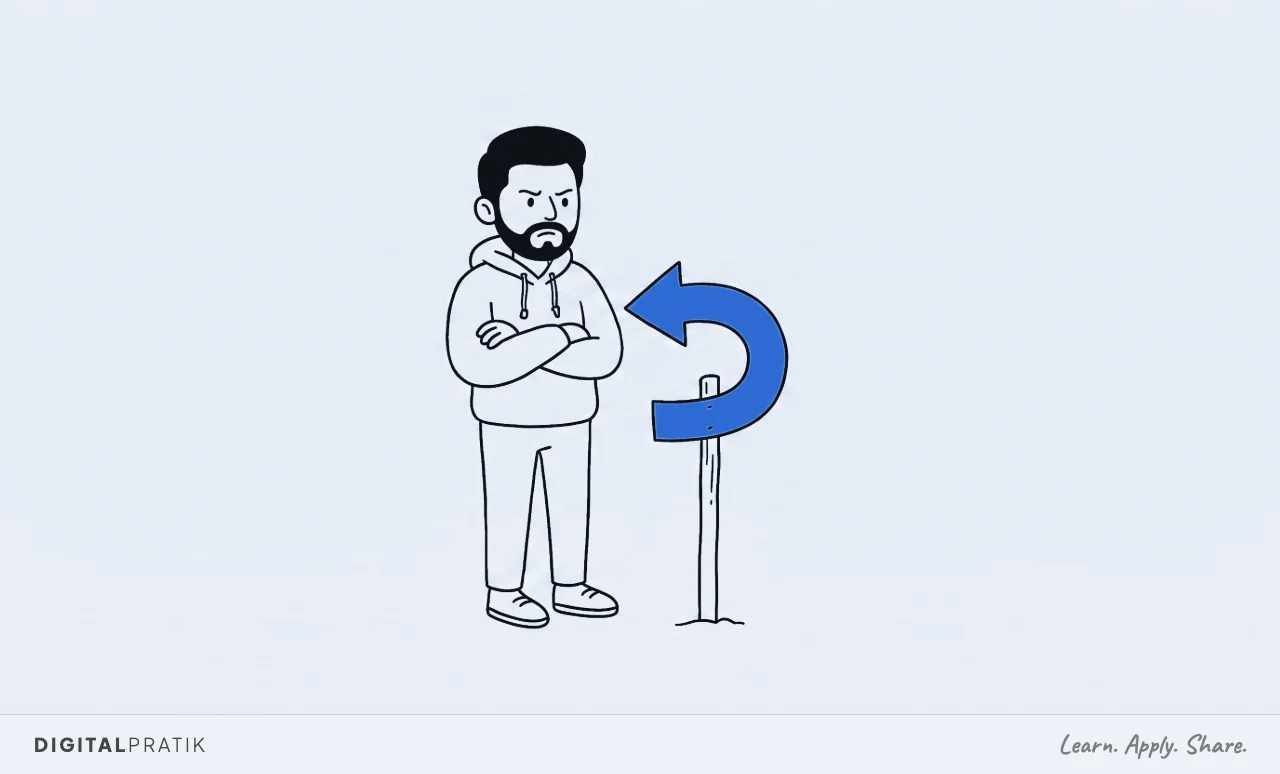
The problem is not the word, it is the direction it now travels. It has become something people apply to themselves, or something an audience awards to someone who is confident on camera.
Both of those invert it. Guru described what somebody was to you, based on what you learned from them.
It was never a rank you hold independently of any particular student. Once it becomes a title, it starts describing follower counts rather than transfer of anything.
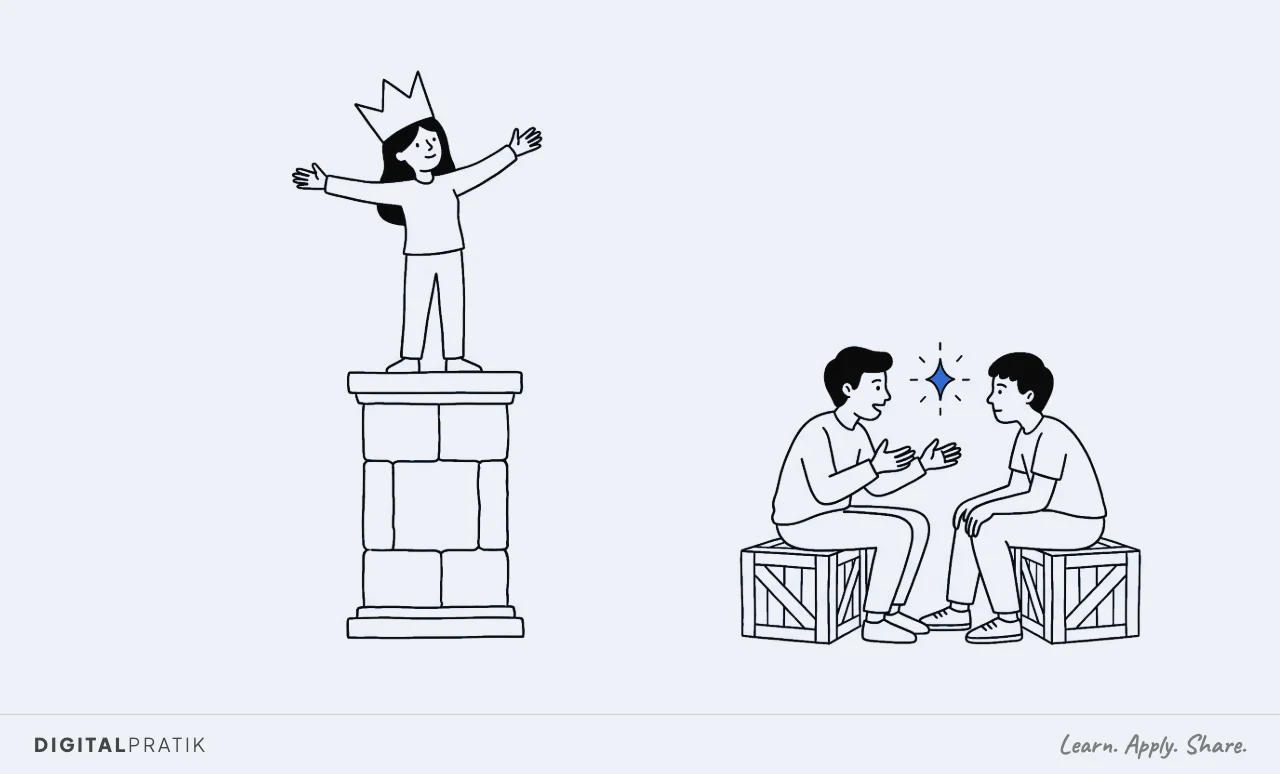
That is the practical reason I do not name people in my writing. I would rather teach a mechanic than route your attention to a personality, because the mechanic is the part that transfers.
Reading about a system and running one are different jobs. If your business does AED 10 million a year or more, this is what a working session looks like.
How to actually use this
It sounds philosophical and it has a direct practical form.
- Assume the person in front of you knows something you do not. They almost always do, and it is frequently not what you would have guessed.
- Learn from your parents deliberately. Their experience is the most accessible and least examined material available to most people.
- Take your peers seriously. Friends and colleagues teach you how to deal with people, which is most of any job.
- Notice the annoying lessons. The situations that irritate you are pointing at something, usually about you.
None of that requires a course, a subscription, or anybody's permission.
Why this matters for how you learn
The practical consequence is that your learning stops depending on access.
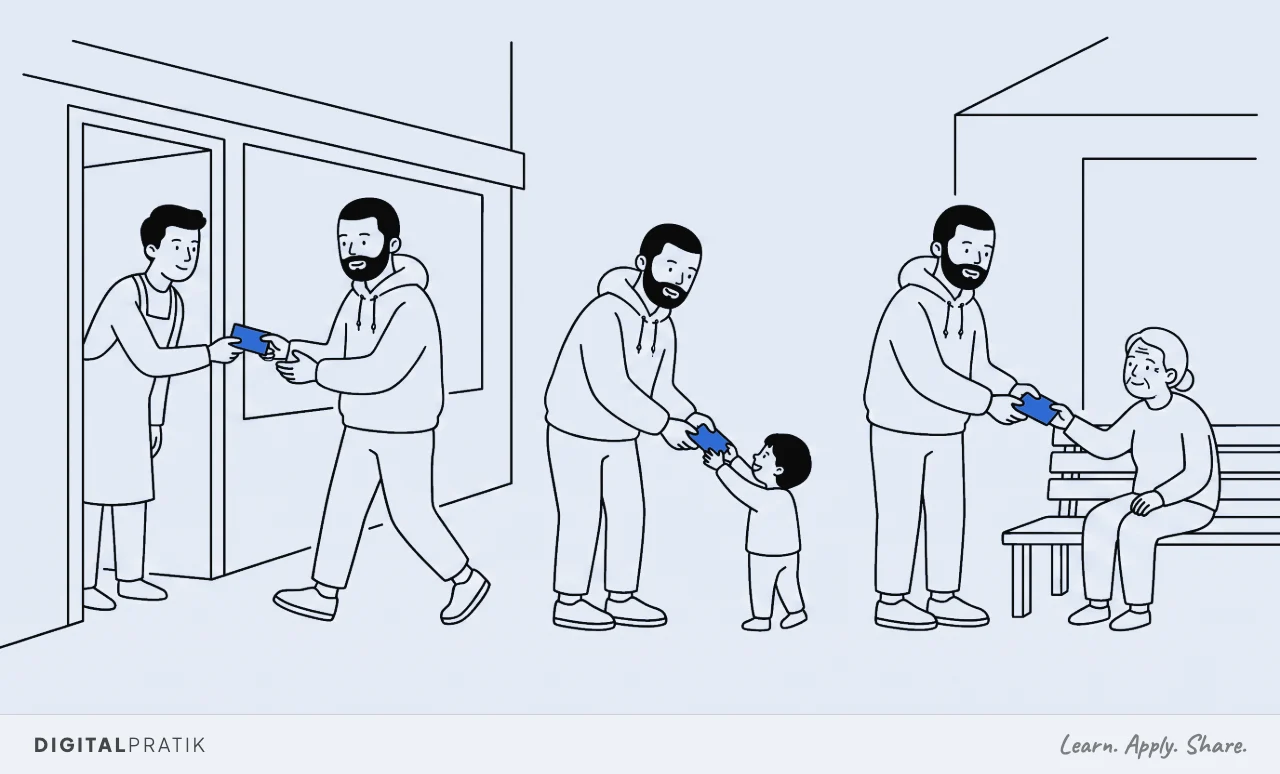
If teachers are only the credentialled or the famous, then learning is gated by who you can reach and what you can afford. If a teacher is anyone you can learn something from, the gate disappears and the constraint becomes your own attention, which is entirely yours to change.
That is a considerably more useful position to hold, and it happens to also be true.
The link to doing rather than collecting
One caution, because this idea can be misused as an excuse to consume endlessly. Learning from everyone is only valuable if you then apply what you took.
A person who learns from a hundred teachers and applies nothing is not a student, they are an audience. The step that converts one into the other is applying it, then sharing what happened.
The version of this that helps you sell
There is a commercial edge to holding the broad definition, and it is not obvious until you have sat on enough calls.
If you believe expertise only flows downward from credentialled people, you will walk into a client conversation as either the expert or the student, and both postures are bad. The expert cannot hear anything.
The student cannot lead.
Hold the broader view and you arrive assuming this person knows their business better than you ever will, while you know your discipline better than they do. That is the footing a real conversation happens on, and it is close to the posture behind the knowing call.
The answer to the question
Who is a guru? Anyone who teaches you something, regardless of who they are or what they do for a living.
Who can be one? Everybody, to somebody.
Including you, and probably without you noticing.
Frequently asked questions
Anyone who helps you learn and grow. It does not require them to hold a teaching role, to be an expert, or to be older than you, and it describes a relationship you form with them rather than a status they hold independently.
Yes, and most people's genuine teachers were never in a teaching role. Friends, colleagues, people you worked with once and strangers all qualify. Widening the definition takes your supply of teachers from a handful of people to effectively everyone you meet.
Children demonstrate presence, laughter and a tolerance for making mistakes, which most adults have actively unlearned. If a definition of a teacher cannot accommodate learning something real from a child, it is a definition about status rather than about learning.
Because the word has inverted. It once described what somebody was to a particular student, based on what was actually transferred, and it now functions as a self-applied title that tracks follower counts. Teaching the mechanic rather than pointing at a personality is what transfers.
No. Learning widely without applying anything makes you an audience rather than a student. The value only appears when you take what you learned, use it in your own situation, and then share what actually happened when you did.
Install this in your business
An article gives you the map. A working session gives you the system, built around what you actually sell and who actually buys it.