
What Happens After the Opt-In: The Sequence Most Businesses Never Build
 Digital PratikGrowth Marketing Consultant
 Almost nothing, in most businesses, which is exactly where the money leaks.
A download should trigger a short sequence that delivers immediately, proves you are worth reading, and makes one next step obvious.
The lead magnet was the cost of acquiring attention.
What follows it is where that attention either becomes a relationship or quietly expires.
People spend weeks on the lead magnet and about ten minutes on everything after it. Then they conclude that lead magnets do not work.
The moment you are actually in
Someone gave you their name and email in exchange for something. That is a small transaction, and they are watching what you do with it.
This is the highest attention they will ever pay you, and it decays fast.
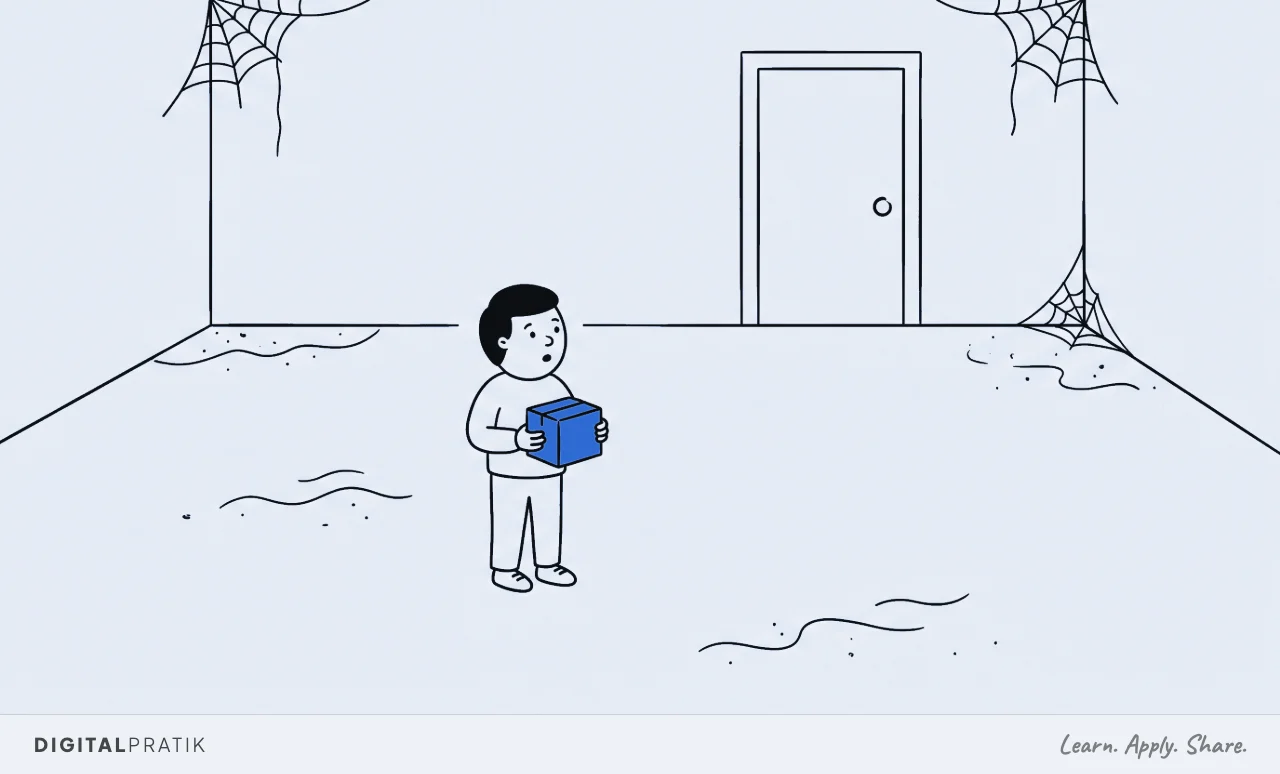
Most businesses respond to that moment with an automated delivery email and then silence for two weeks, followed eventually by a pitch. By then the person has forgotten who you are, so the pitch arrives from a stranger.
Deliver immediately, and confirm it worked
The thing they asked for should arrive at once. Not in a batch, not in an hour.
The download page shows it, the email carries it, and both work.
This sounds trivially obvious and it fails constantly, usually because the delivery depends on a chain of tools that quietly breaks. Test it yourself, from a real address, after every change.
A promise broken in the first sixty seconds is difficult to recover from and you will never hear about it.
The next few emails have one job
Not to sell. To establish that opening your emails is worth the two seconds it costs.
The way you do that is by being useful without asking for anything, twice or three times in a row. Give something genuinely helpful.
Answer the question they were going to ask next. Show a piece of the work.
Every message where you take nothing buys you the right to eventually ask for something.
Skip this and you have technically built a sequence, but what you have built is a slower pitch.
Then one obvious next step
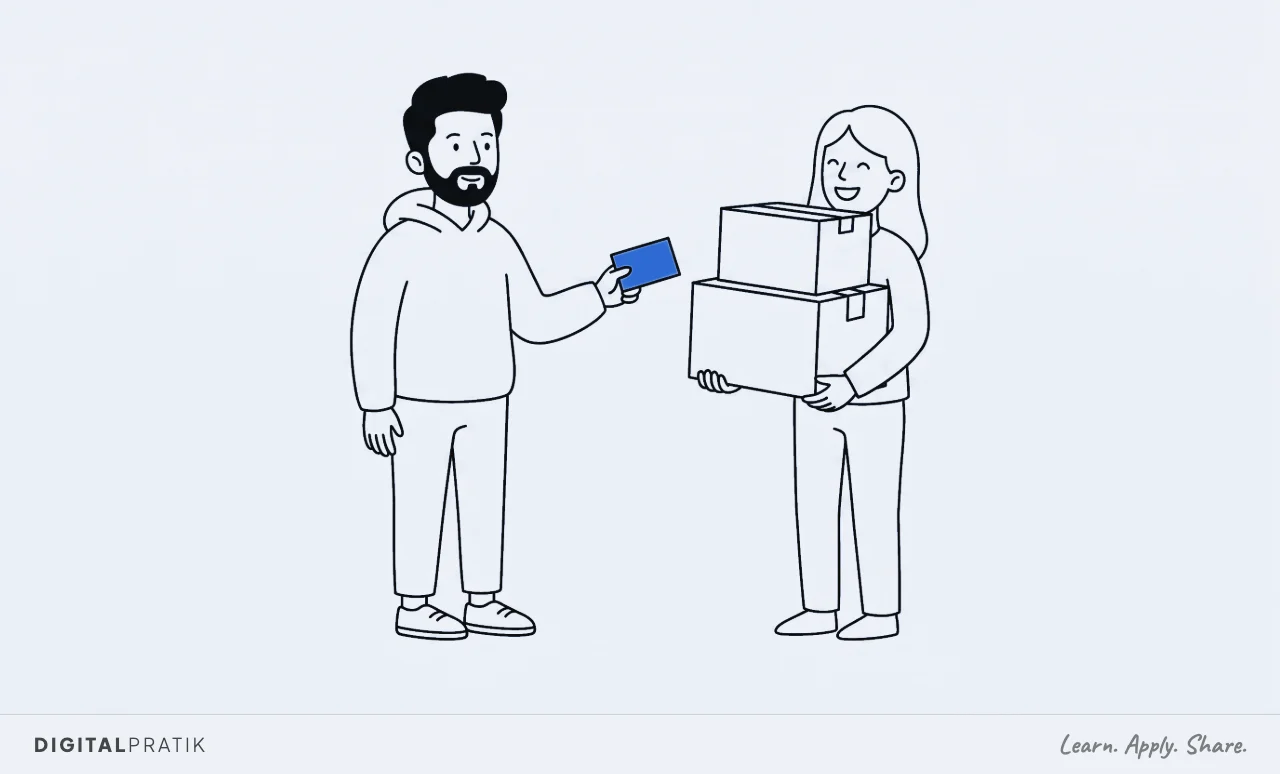
When you do ask, ask for one thing. Not a menu.
The next step should be the smallest sensible increment from where they are. Somebody who downloaded a guide is not ready to buy a large engagement, but they might be ready for a paid workshop, a diagnostic, a first conversation.
Whatever your version of the modest paid step is, that is the ask.
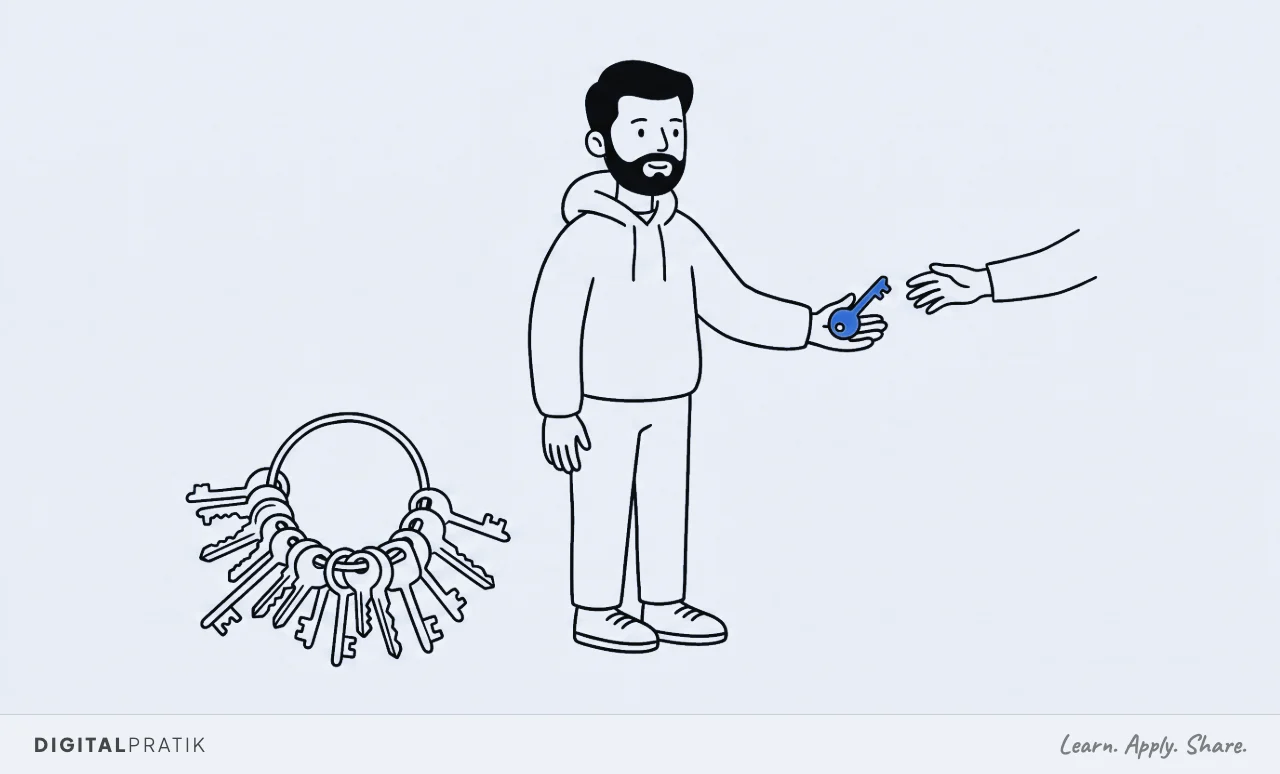
This is also where the whole thing gets interesting, because a small paid step turns a subscriber into a buyer, and buyers behave completely differently from subscribers. That transition is worth engineering deliberately: it is the entry point to the knowing call.
Reading about a system and running one are different jobs. If your business does AED 10 million a year or more, this is what a working session looks like.
Roughly what the shape looks like
- Immediately. The thing they asked for, plus who you are in two lines.
- Next day. Something genuinely useful, no ask. Ideally the thing they will hit trouble with first.
- A couple of days later. Proof. A piece of real work, a walkthrough, something demonstrable rather than a claim.
- Then. One clear invitation to the next small step, explained plainly, once.
- After that. They join the normal rhythm of whatever you send everyone.
The exact number of emails matters far less than the order: deliver, give, prove, ask. Businesses that get this wrong almost always get the order wrong rather than the count.
Do not confine it to email
Email is the default because it is cheap and it scales, not because it is the best channel. People reply on whatever they actually use.
If your buyers live on a messaging app, the sequence belongs there too. The logic is unchanged and the response rates usually are not.
What matters is that something follows the action automatically and that a human is reachable at the end of it.
Write to one person, not the list
The tonal mistake in almost every sequence is addressing a crowd. Nobody receives your email in a crowd, they receive it alone, on a phone, between two other things.
Write it as though you are sending it to the single most typical person who downloaded the thing, by name, because functionally you are. That one change does more for response rates than any amount of subject line testing.
Watch what they do, not what they open
Open rates have been unreliable for years and are getting worse, so building decisions on them is building on sand.
The signals worth watching are behavioural: who clicked through to something real, who replied, who came back to the site, who took the small paid step. Those are difficult to fake and they tell you which people are actually worth a human getting involved with, which is the only decision the data needs to support.
Why this is worth more than more traffic
It is the cheapest improvement available to most businesses, because the traffic is already paid for and the people are already on the list. You are not buying anything new, you are stopping a leak in something you already own.
Before you increase the budget, go and look at what currently happens in the seven days after somebody opts in, and check which half of email you are actually running. For most people the honest answer is nothing, and fixing nothing is the highest-return work available.
Frequently asked questions
They should receive what they asked for instantly, on the confirmation page and by email, along with two lines establishing who you are. Delivery that depends on a chain of tools breaks more often than people realise, so test it from a real address after every change.
The count matters far less than the order, which should be deliver, give, prove, then ask. Four or five messages is a sensible starting shape, but businesses that get this wrong almost always have the sequence in the wrong order rather than the wrong length.
You can, and it reliably underperforms. Attention is high at that moment, which makes it tempting, but you would be asking before giving anything, and the recipient has no evidence yet that you are worth listening to. Earn a few messages of goodwill first.
The smallest sensible step from where they are, offered once and on its own. Somebody who downloaded a guide is rarely ready for a large engagement but may well take a modest paid step such as a workshop, a diagnostic or a first conversation, and that step turns a subscriber into a buyer.
No. Email is the default because it is cheap and scales, not because it performs best. If your buyers actually live on a messaging channel, the same sequence belongs there, and response rates are usually considerably higher. What matters is that something follows automatically and a human is reachable at the end.
Install this in your business
An article gives you the map. A working session gives you the system, built around what you actually sell and who actually buys it.