
The Human Gate: The One Place You Must Never Remove a Person
 Digital PratikGrowth Marketing Consultant
 The human gate is one design choice: the AI does all the work right up to the final irreversible action, then stops and waits for your yes.
It drafts the reply, you approve the send.
Anything reversible and cheap runs free.
Anything that touches money, reputation or another human gets a gate.
The AI proposes and the human disposes, and that is what makes maximum automation safe rather than reckless.
The scariest thing about AI agents is also the most exciting. They can act.
They can send the email, move the money, message the client. Which means the difference between leverage and disaster is a single design decision.
What the human gate is
It is simple enough to explain in a sentence and most people still get it wrong. The system does everything, right up to the final action that cannot be undone, and then it stops.
It drafts the reply, you approve the send. It matches the payment, you approve the confirmation.
It builds the campaign, you approve the launch. Ninety nine percent of the work happens without you.
The final one percent, the part that touches the outside world, waits for a person.
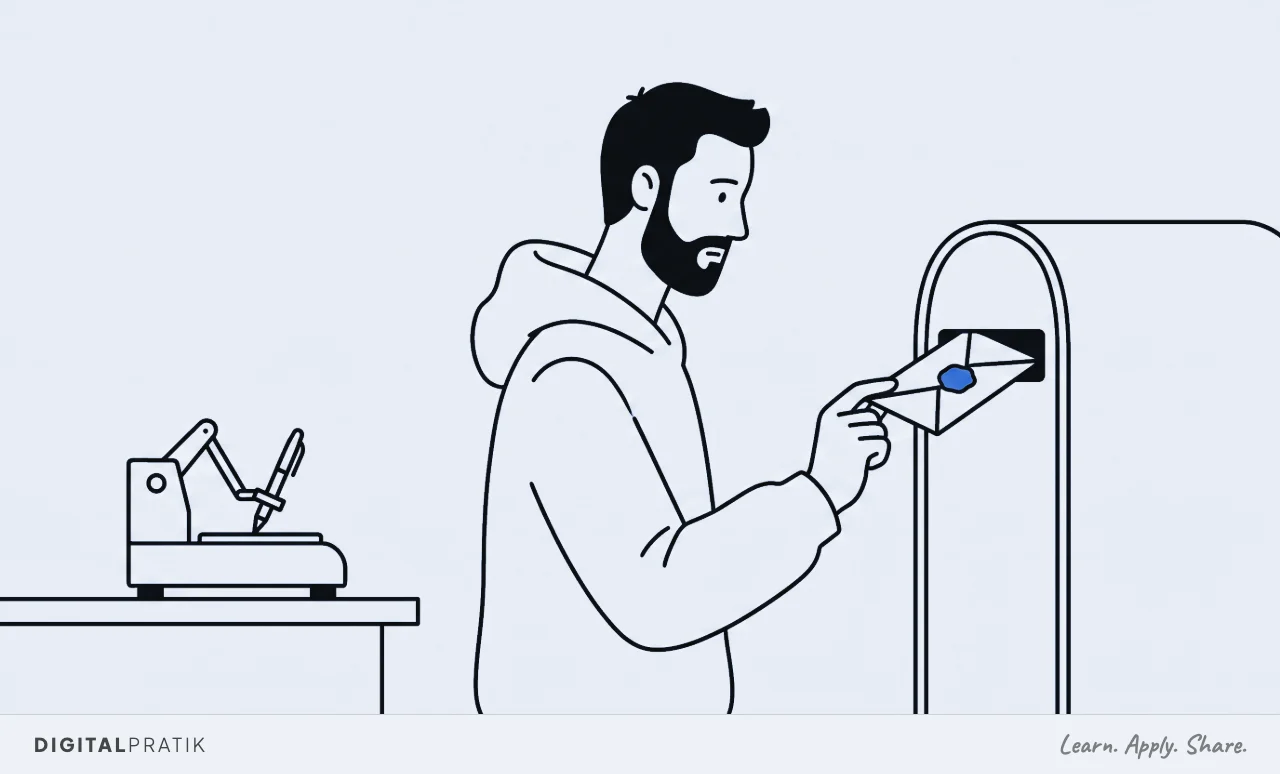
This is not a lack of trust in the AI. It is good system design, and it is the thing that lets you be far more aggressive with automation everywhere else, because the worst case is bounded.
The two opposite mistakes
People make one of two errors here and they look nothing alike, so most advice only warns about one of them.
Mistake one: full autopilot
This is the one everyone fears, and correctly. An agent firing messages at real clients with no oversight, a system moving money on a rule nobody double checked, a campaign launching against the wrong audience at the wrong budget overnight.
That is how you wake up to a mess with a paper trail, and the damage is usually reputational rather than financial, which makes it harder to fix.
Mistake two: babysitting everything
Less discussed and almost as costly. A human confirming every tiny step, approving every draft, checking every sort and route.
This kills the entire point of automation and it produces a very specific failure: after a few weeks the human starts approving everything without reading it, because they are exhausted, and now you have full autopilot with extra steps and a false sense of safety.
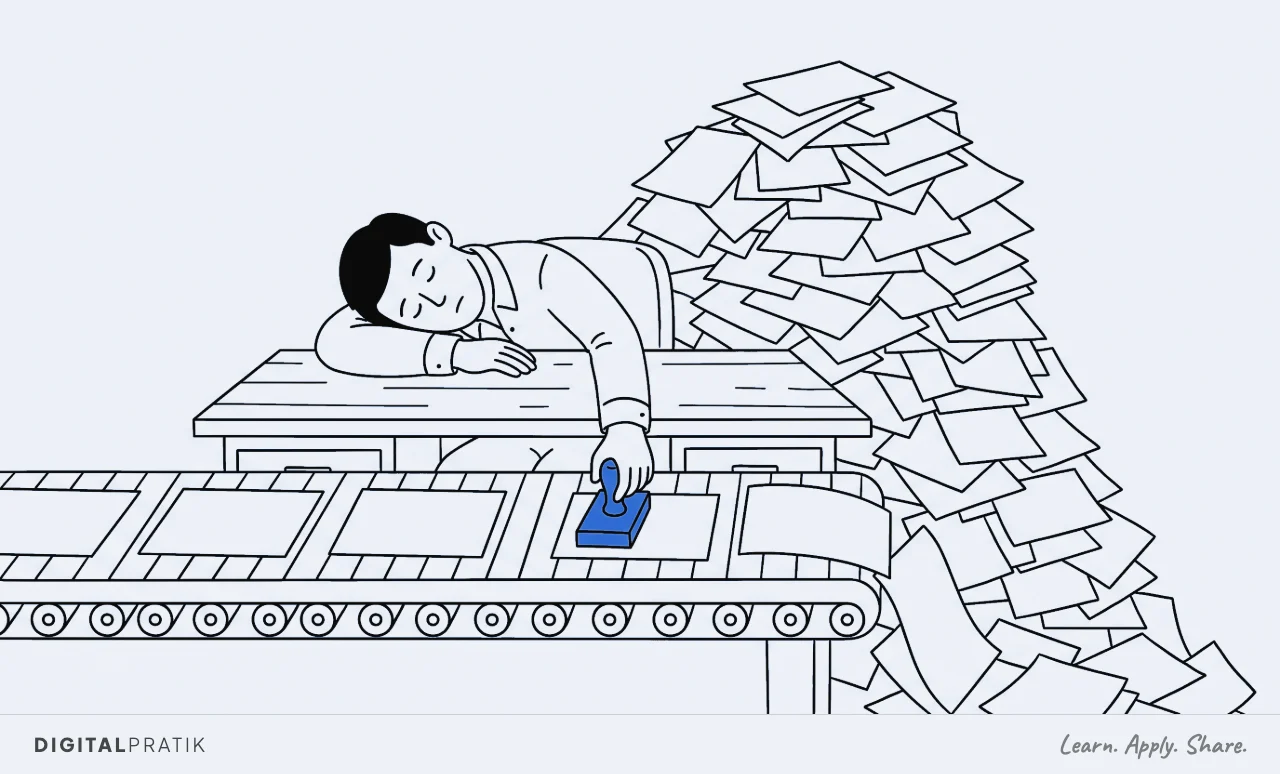
The art is knowing where the gate goes, and it is a smaller number of places than nervous founders assume.
Where the gate goes
Three tests. If a step passes any one of them, it gets a gate.
If it passes none of them, let it run free and stop thinking about it.
- Does it move money? Payments, refunds, budget changes, anything with a financial consequence.
- Does it speak to a real person? An email, a message, a comment, anything that lands in a human being day and carries your name.
- Can it be undone? If reversing it is free and invisible, it does not need a gate. If reversing it means an apology, it does.
| Runs free | Gated | |
|---|---|---|
| Reading, sorting, drafting, routing | Sending | |
| Money | Matching, flagging, reconciling | Paying, refunding, changing a budget |
| Ads | Building, analysing, recommending | Launching, raising spend |
| Clients | Research, preparing notes, drafting | Any message that reaches them |
Look at the middle column. That is the overwhelming majority of the actual work, and all of it can run overnight without anyone watching.
The gate is narrow on purpose.
Reading about a system and running one are different jobs. If your business does AED 10 million a year or more, this is what a working session looks like.
How this works in practice
This is exactly how I run my own command center. The agents work all night. They read, sort, draft, research, analyse, prepare.
They queue up whatever needs a decision. In the morning I approve with one tap, and the things I approved go out.
Maximum leverage, zero blow ups. Not because the system is prevented from doing much, but because the small number of things it is prevented from finishing are exactly the ones that would matter if it got them wrong.
The approval also has to be genuinely fast or the whole thing collapses. If reviewing the queue takes an hour, you have not built a gate, you have built a second job.
One screen, one tap, in the order of what matters. If your gate is slow, that is a design problem to fix rather than a discipline problem to endure.
A gate is not a notification
This trips people up constantly and it is worth being precise, because the two feel similar and behave completely differently.
A notification tells you something happened. A gate stops something from happening until you say so.
If your system emails you after it sent the message, you do not have a gate, you have a receipt, and receipts are only useful for things you were happy to have sent.
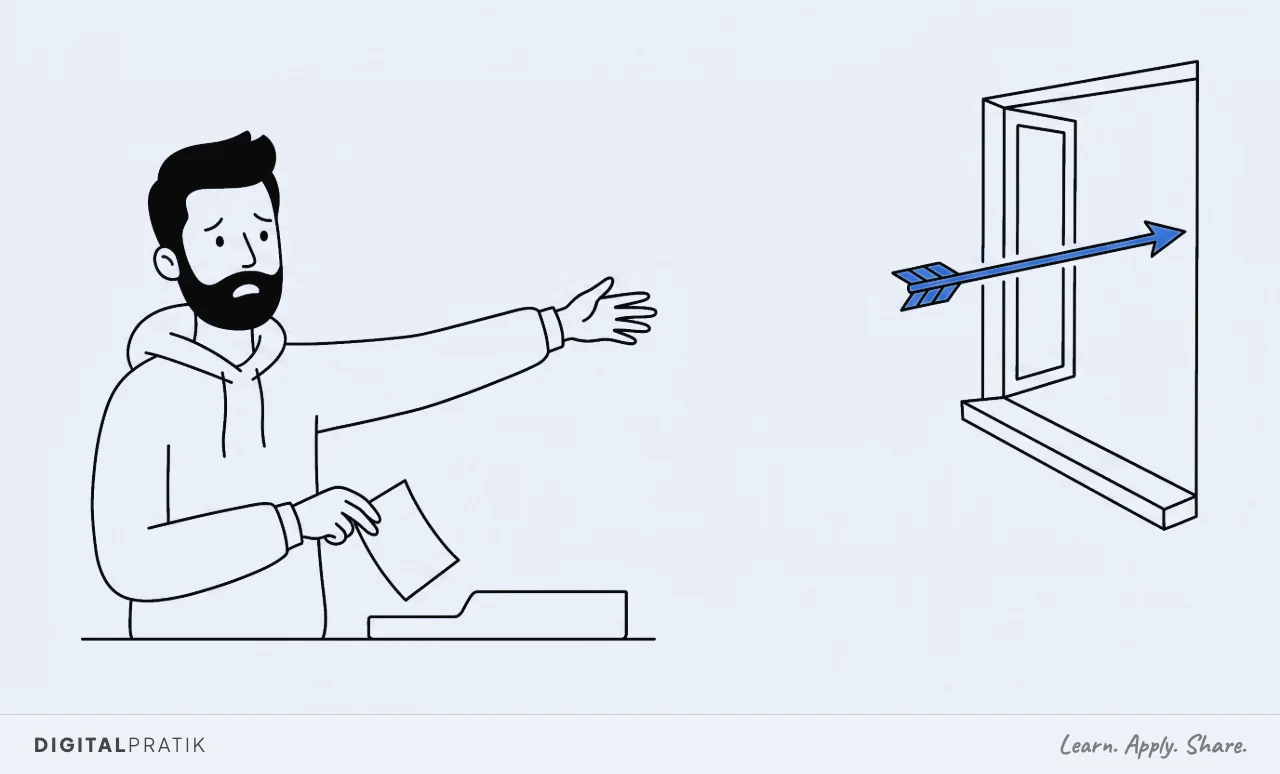
The test is whether the action is still recallable at the moment you find out about it. If you learn about it afterwards, the design decision was already made for you.
Plenty of tools market alerting as oversight. It is not the same thing and the difference only shows up on the day it matters.
What to do when the queue gets long
A real risk once this is working well: the system gets productive enough that the morning queue becomes its own chore, and you start approving on autopilot.
Three things fix it. Sort the queue by consequence rather than by time, so the things that matter are never buried under the things that do not.
Batch the low stakes approvals into a single confirmation rather than one tap each. And every few weeks, look at what you have been approving without changing anything, because a category of decision you have approved forty times unchanged is a category that probably never needed a gate.
That last habit is the one that keeps the gate honest. A gate you never disagree with is not oversight, it is a ritual, and rituals are what turn into rubber stamps.
Why conservative businesses say yes because of this
If you build these systems for other people, the gate is not a caveat you apologise for. It is the feature that closes the deal.
A professional whose licence or reputation is on the line will not hand a machine the ability to send things in their name. The moment you explain that the AI drafts and the professional approves, and nothing at all leaves without a human signature, the objection disappears.
They keep total control. They only lose the grunt work.
Lead with the gate rather than burying it. In regulated or high trust industries it is the single most reassuring thing you can say, and it happens to also be true, which makes it easy to say convincingly.
Build the gate first
The sequencing matters more than people expect. If you build the automation first and add the gate afterwards, you will add it in the wrong places, because by then you will be adding it wherever something has already gone wrong rather than wherever something could.
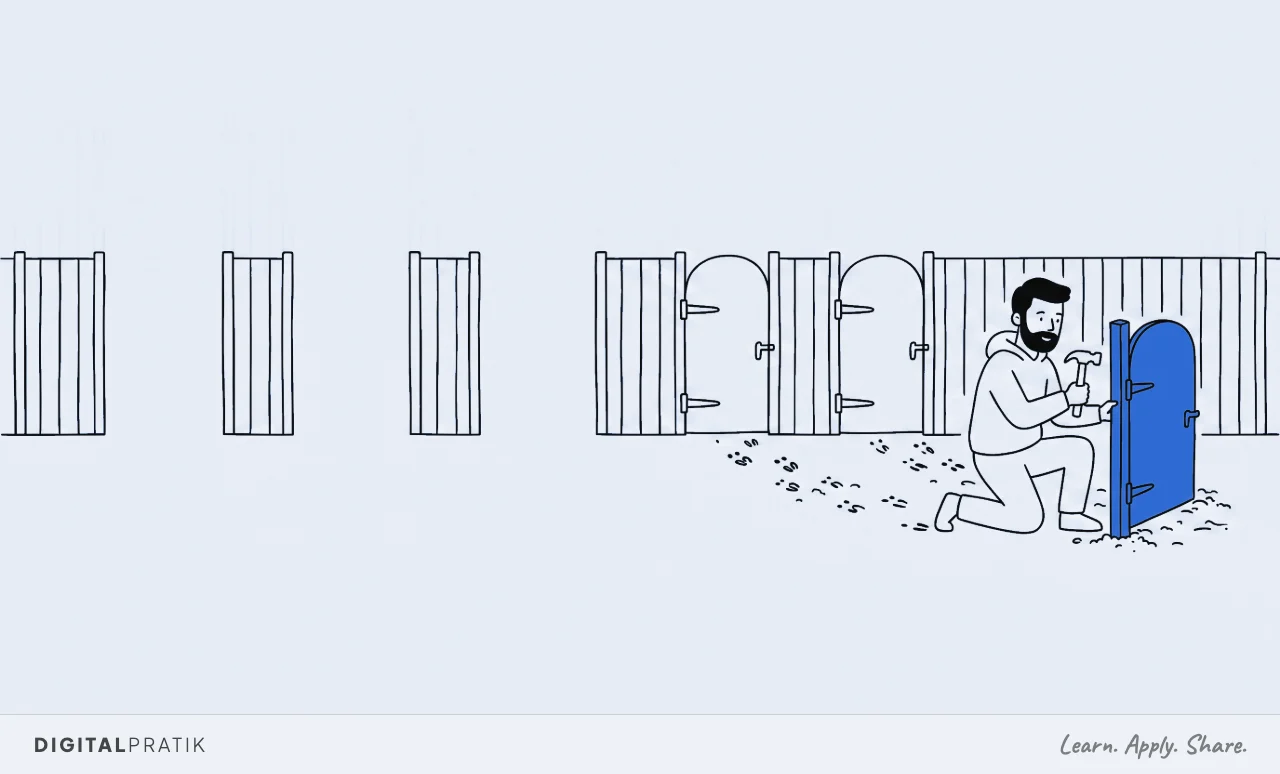
Design it at the start. Walk the workflow, mark every point where money moves, a person is contacted, or a step cannot be reversed, and put the gate there before a single thing is wired up.
Then automate everything else without hesitation, which is the reward for having done the boring part first. If you are deciding what to wire up in the first place, the order is in what to automate first.
This is the same reason automation sits in the middle of the 3A Machine rather than at the end. You are not adding safety to a finished system.
You are deciding what the system is allowed to finish.
Speed is worthless if you cannot trust it
An automated business that you are quietly frightened of is not leverage. You will check it constantly, you will second guess it, and eventually you will turn parts of it off, which is the worst of all outcomes because you paid for the build and kept the labour.
Build the gate before you build the autopilot. Then let the rest fly.
Frequently asked questions
It is a deliberate approval step placed immediately before any irreversible action. The AI performs all the work leading up to that point, then stops and waits for a person to say yes. The AI proposes and the human disposes, which allows everything reversible to run with no oversight at all.
Anything that moves money, anything that sends a message to a real person, and anything that cannot be undone. If reversing a step would be free and invisible, it does not need a gate. If reversing it would require an apology, it does.
No, and it is a real failure mode in its own right. A person asked to confirm every small step becomes fatigued and begins approving without reading, which produces unsupervised automation while creating a false sense of oversight. Gate the few irreversible actions properly and let the rest run free.
Only if it is badly designed. A well built gate presents one queue of pending decisions in order of importance and clears in a couple of minutes. If reviewing the queue takes an hour, the gate is placed too widely or presented poorly, and that is a design problem to fix rather than a cost to accept.
Because it removes the objection entirely. Professionals whose reputation or licence is exposed will not let a machine send things in their name, and the moment they understand that the AI drafts while a human approves and nothing leaves without a signature, they keep full control and give up only the repetitive work.
Install this in your business
An article gives you the map. A working session gives you the system, built around what you actually sell and who actually buys it.