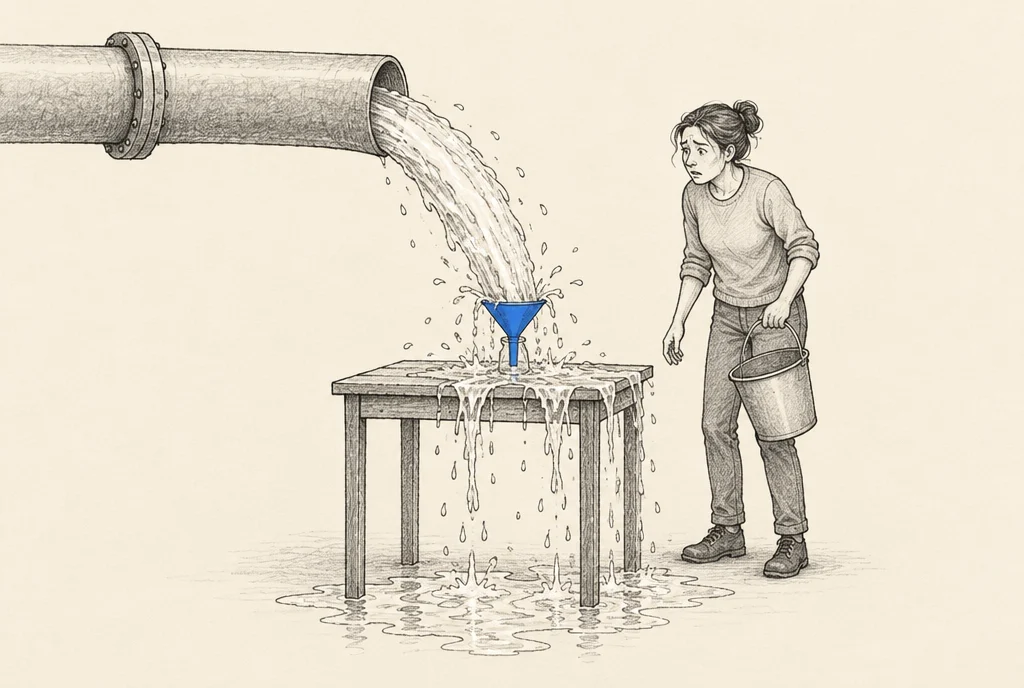
Your clinic runs at the speed of your attention. That is the leak.
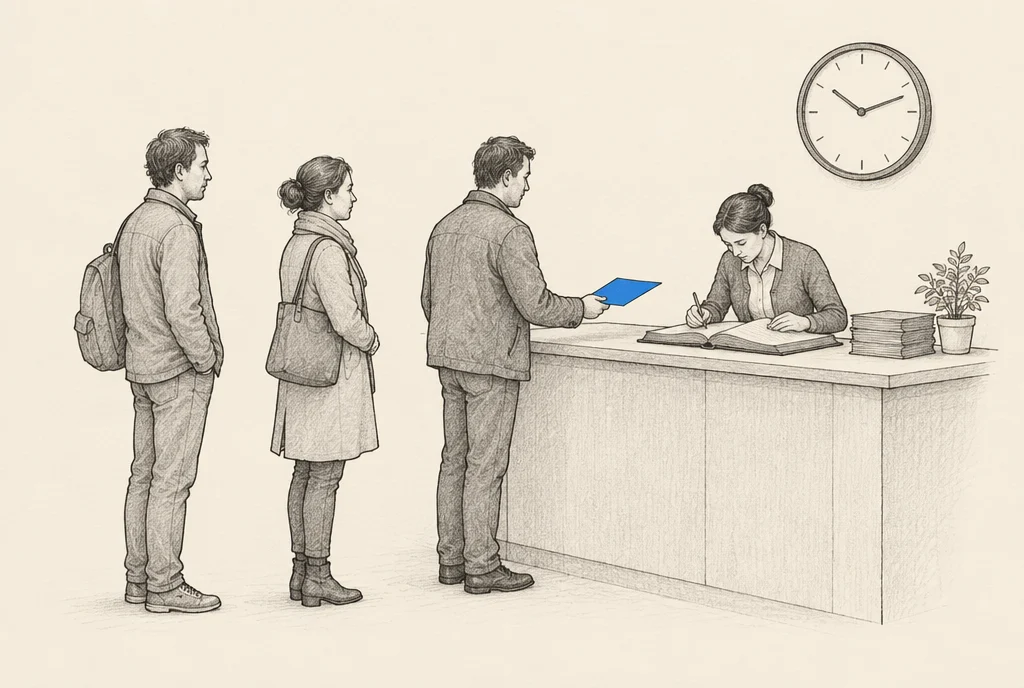
Somewhere between your first regulars and a full diary, you stopped being only the physio. You became the clinic's system.Somewhere along the way you stopped being only the physio. You became the clinic's system.
- Your clinic already does these 9 jobs by hand. The framework moves them off 1 owner.
- Do the 4 before-build steps first. Count the leaks, shadow 1 patient, write it down, agree the numbers.
- In a clinic the patient experience is the marketing. The follow up that happens is the referral engine.
- 4 safety rules: no work outside the procedure, no patient message without a yes, no guessed numbers.
- Step 9 is not training the front desk. It is removal.
In this article
Here is the part nobody says out loud to the physio who owns the clinic. Somewhere between your first few regulars and a full diary, you stopped being only the clinician. You became the system. Every referral, every "did we invoice that session", every patient quietly deciding whether to come back waits on your attention, so the clinic moves as fast as 1 owner can keep track of it.
This is the framework that hands that job to a system. 9 steps in 3 phases. 4 before you build, 3 to build it, 2 to get you out of the middle. And no, it is not AI treating patients. Assessment, diagnosis and the hands on plan stay with your qualified people. What goes is the admin around them.
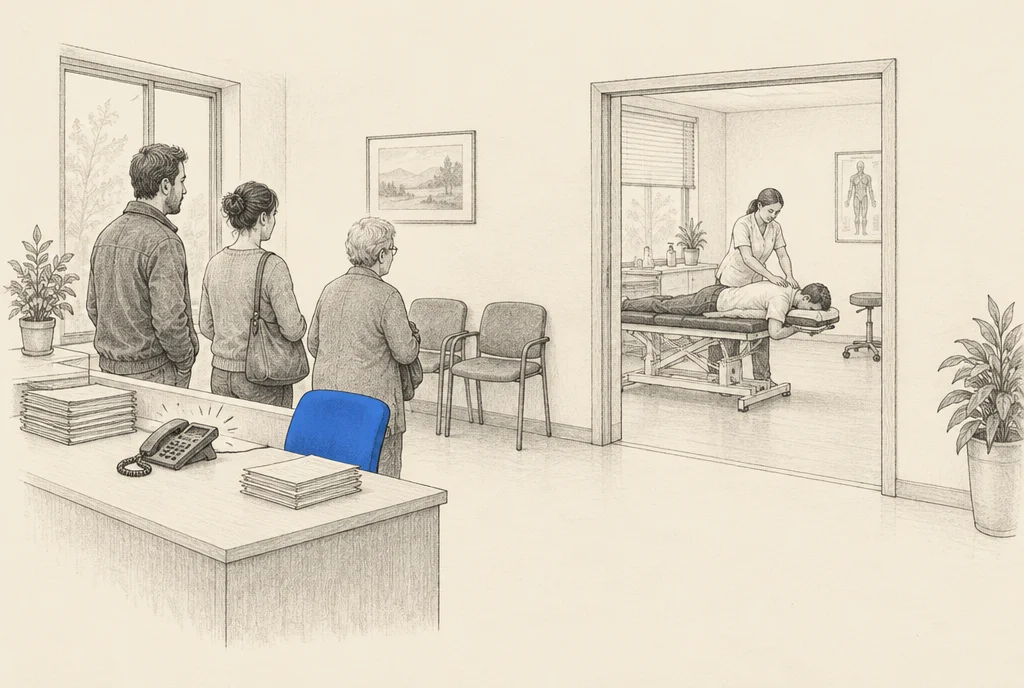
01You quietly became the system
It happened slowly, because you were good at the job. Early on you did the treatment, the phone, the rebooking and the invoicing, and held it all in your head. So you are the one who notices a post-op knee patient has not been back in 9 days, and nobody ever wrote any of it down.
3 things follow from being the system
- The clinic moves at attention speed, and the sorting is done by the person whose hands should be on a patient.
- Follow up happens because somebody remembered. Fine until the week nobody did.
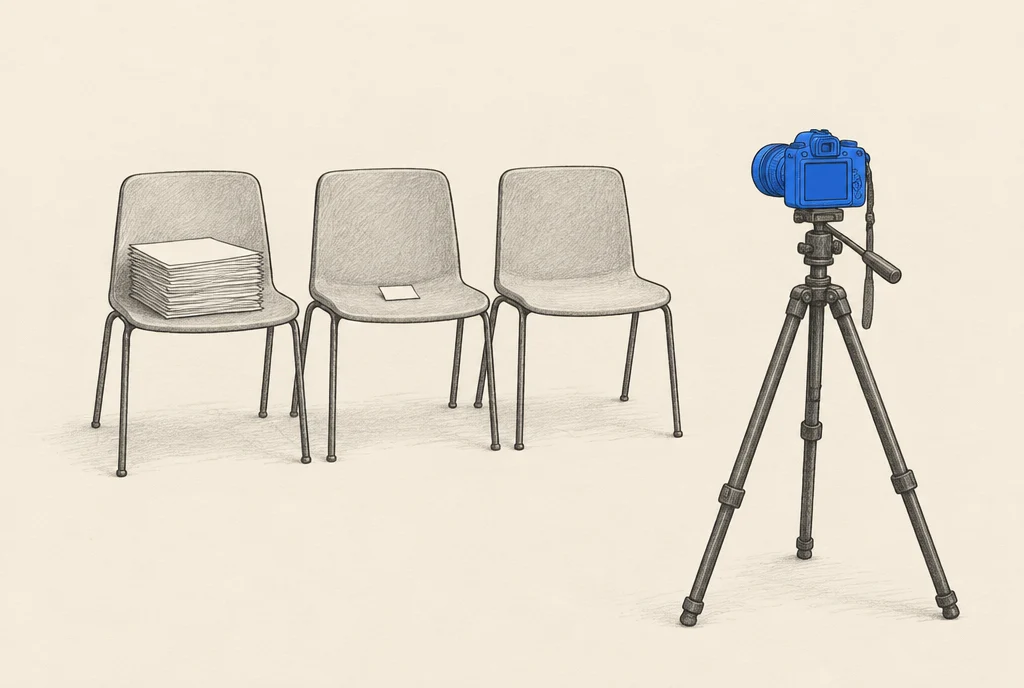
- Nothing survives your day off. Referrals sit, patients lapse, sessions go unbilled.
Hiring another physio or receptionist adds a salary and 1 more person who has to learn every unwritten rule you kept. The bottleneck now has 2 heads, and it still stops the day either of you is off.
Write the routing down and a system can run the parts that never needed a clinical brain.
02In a physio clinic, the care is the marketing
1 belief before the steps. In a clinic, the patient experience is the marketing. The follow up call that happened. The rebook offered before the patient drifted. That is what turns 1 patient into 3 referrals, and it comes out of these 9 jobs. A finished patient who never got a call is a referral you will never get.

Here is the trap. Clinics pour more money into ads while the follow up still runs through the owner. That is not growth. It is a fuller waiting room, more patients who quietly lapse, and a more tired owner. That is the capacity problem, 1 of only 3 things stuck clinics are stuck on.
The cheapest patient you will ever treat is the one who already finished with you and got better.
03The 9 steps, in 3 phases
Here is the whole map. Your clinic already does all 9 of these jobs. The framework does not add work. It names them, then decides, 1 at a time, whether a person or a system does each one.
9 jobs, and who should hold them
- 011. Diagnose
Count what is bleeding: patients never contacted, packages expiring, work unbilled.
- 022. Shadow
Follow 1 patient from referral to discharge. Dig out the unwritten rules.
- 033. SOP
Write the intake and the follow up down, plus a patient self check.
- 044. Baseline
Agree today's numbers in writing first.
- 055. Command center
1 screen: patient radar, follow up clocks, unbilled work, documents.
- 066. Procedure as data
The clinic's brain. Every protocol and rule, searchable.
- 077. Front desk employee
Filing, chasing, rebooking and drafting, under 4 safety rules.
- 088. Handover
The team approves instead of performing. Morning brief and alerts.
- 099. Removal
The owner steps out. A Monday report proves it.

4 steps happen before anybody builds anything, and skipping them is why most "let us try some AI" projects die. You get a fast tool that does not know how the clinic runs. I wrote about that in most firms bought Ai and few changed how the work gets done.
Step 1 is a count, not a survey of how busy everyone feels, and the biggest number is almost always the finished patients nobody contacted again. Step 2 is watching. Follow 1 live patient end to end, ideally a post-op case, and you learn the clinic runs on unwritten rules in your senior physio's head and in the messages with the front desk.
Step 3 writes those rules down. The intake as a hard checklist a complex patient cannot be booked past. The follow up schedule, which clinics never write down and so never do. And a short self check that sorts a bookable case from one that needs a red flag screen. Write it for a new receptionist on day 1.
Step 4 is 30 minutes. Get the owner and the lead physio to agree today's numbers: filing time, the share of finished patients who get a call, the packages and the work left unbilled. In 3 months memory rewrites history, so the baseline is your receipt.
04What you actually build
Now you build, and the first piece is the place the owner looks. We call it an AiOS command center. 1 screen with the whole clinic on it, in the order that costs money.
Build it on 1 spine, not 12 tools. Give every job its own app and a year later you have a dozen subscriptions that do not talk. On 1 foundation the next piece is nearly free, and none of the 5 AI tools I pay for work alone.
What the command center shows
- 01Patient radar
Active patients ranked by who is about to fall out of care.
- 02Follow up clocks
The rebook, the package expiry and the review due are separate clocks.
- 03Money on the floor
Sessions delivered and never invoiced. Usually the fastest payback.
- 04Document wall
It reads the records where they already live. A referral is a 2 second answer.
The board is owner-locked, with read-only logins for the team, scheduled backups, and a heartbeat if a morning job goes silent.
Step 6 turns that procedure into the clinic's brain. Every protocol, checklist and discharge rule, searchable, so anybody gets the clinic's own answer with the source it came from. Asked twice, a general model gives 2 slightly different answers, and in a clinic that is a risk.

Step 7 is the part people picture when they hear AI. An employee, not a chatbot. It wakes on a timer, files the referrals, drafts the follow ups and the invoices, and hands a human only what needs a human. It lives in a Telegram assistant the front desk already has open, and a critic grades its work against the procedure before you see it.
The 4 safety rules
- It refuses work outside the procedure. No post-op patient is booked until the intake checklist is complete.
- File moves stay inside the boundaries it was given, and deletes go to a recycle bin.
- Every patient message waits for a human yes. It drafts the rebook, the reminder, the invoice, then stops.
- Unclear figures and dates come back empty, never guessed. A confident wrong number does real damage.
05Handover, then removal
Now it stops being the owner's tool and becomes how the clinic works. People approve instead of performing. A person says yes or sends it back, and the same team holds far more patients in proper care.
The piece everyone feels first is the morning brief. At 8, before anyone opens the diary, 1 message lands in the order that matters. The patients about to drop out of care. The packages expiring with sessions inside, reminders drafted. The work waiting to be invoiced. The referral stuck without triage.
The word removal frightens a team. If they think it means removing them, they will quietly starve the system. It means removing the data entry, the phone tag, the record hunts and the follow up guilt, and leaving people with the patients.
Step 9 is not training. It is removal.
You know you have reached it by 1 test. The owner takes a real week off and nothing leaks. Referrals get triaged, patients get their call, packages get watched, sessions get invoiced. Every Monday a proof report goes to the owner in the numbers they agreed. Then the real question: what does the owner do with the attention they got back. Treat patients with their head in the room, build the referrer relationships, open the second room.
06What it costs, and where to start on Monday
Every owner asks this inside 90 seconds. On a real clinic's volume the AI usage runs at a few dollars a day, and the hosting and database a few tens of dollars a month. Your volume will differ, so the meter is built in and shown to the owner on day 1.
- $100a month, roughly, to run the whole system
- 55 hoursa month lost to chasing, filing and rebooking by hand
- $2,000+a month of attention that buys back
Redo those with your own numbers. 55 hours a month of chasing, filing and rebooking, against roughly a hundred dollars to run the system. And it ignores the 2 biggest wins: the patients who came back because they finally got a call, and the packages that got used because somebody watched the clock.
Nobody builds all 9 steps at once. Start with the step your own count says is bleeding worst. Finished patients lapsing? The follow up clocks and the drafter. Referrals eating the front desk? The assistant and the intake gate. Delivering and never invoicing? The unbilled wall pays for the build. The same 9 jobs run in an accounting firm or a law practice, and in Dubai we run them on this shape.
Count 1 number only: how many patients finished a course with you in the last 3 months and were never contacted again.
07Questions, answered
Does this mean AI treats my patients?
No. The assessment, the diagnosis and the plan stay with your physios. The system handles the admin around the treatment.
Is patient data safe in something like this?
The board is owner-locked, the system only reaches the records you hand it, deletes go to a recycle bin, and no patient message leaves without a human yes.
How long before the owner can actually step out?
There is no fixed clock. The test is a real week away where referrals, follow ups, packages and invoices keep moving.
What if my procedure is not written down anywhere?
That is normal, and it is steps 2 and 3. Shadow 1 patient journey, pull the unwritten rules out, and write them down.
If you want me to look at where your clinic is leaking and what the first step should be, book a consulting call and we will go through it together.

Digital PratikA 37 year old, smiling, practical Gujarati, a Kathiyawadi businessman. Founder of JorrDaar LLC, Dubai.