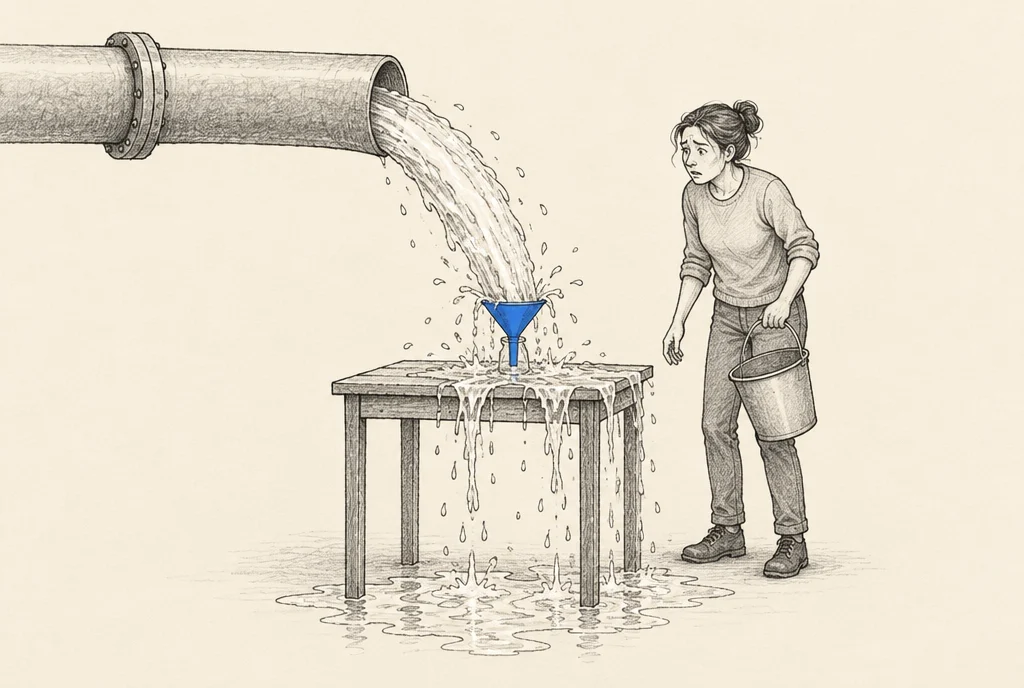
You became your clinic's operating system. Nobody warned you.
Somewhere between the first treatment room and a full book, you stopped being the practitioner. You became the system.You stopped being the practitioner somewhere along the way. You became the system.
- Your clinic already does these 9 jobs by hand. Agentic AI moves them off 1 overloaded owner.
- Do the 4 before you build steps first. Count the leaks, shadow 1 client, write the procedure down.
- In a med spa the care is the marketing. A finished course nobody rebooked is a regular walking away.
- 4 safety rules: no booking without consent, no client message without a human yes, a blank instead of a guess.
- Step 9 is not training reception. It is taking you out of every rebook, form and follow up.
In this article
Here is the part nobody says out loud to a med spa owner. Somewhere between your first treatment room and a full book, you stopped being the practitioner and became the operating system. Every consult to follow up, every form to file, every finished course that needs a rebook waits for you to remember.
This is how we deploy agentic AI in a med spa. 9 steps in 3 phases. 4 before you build, 3 to build, 2 to take you out of the middle. Who is a candidate and what is safe stays with your qualified people. What moves is the filing, the chasing, the rebooking and the invoicing.

01You quietly became the operating system
It happens slowly. You did the consults and the rebooking yourself because there was nobody else, the clinic grew, and the routing never left your head. Now you are the one who notices the client 3 sessions into a 6 session course with no visit in a week, and the top up never charged.
3 things follow, and all 3 cost money
- The clinic runs at your attention speed. The person clients came to see chases forms.
- Rebooks happen because somebody remembered. Fine until the fortnight nobody did.
- Nothing survives you being off the floor. Courses lapse and aftercare checks go unmade.
The instinct is to hire another receptionist. That adds a salary and 1 more person who has to learn the unwritten rules, and the follow ups still stop the day they are off sick. The other way is to write the routing down and let a system run it.
02In a med spa, the care is the marketing
In an aesthetics clinic the client experience is the marketing. It is the reminder that arrived before the client had to think, the aftercare check the evening of a treatment, the rebook offered at the right point in a course. All of it is made by the 9 jobs we are about to move.
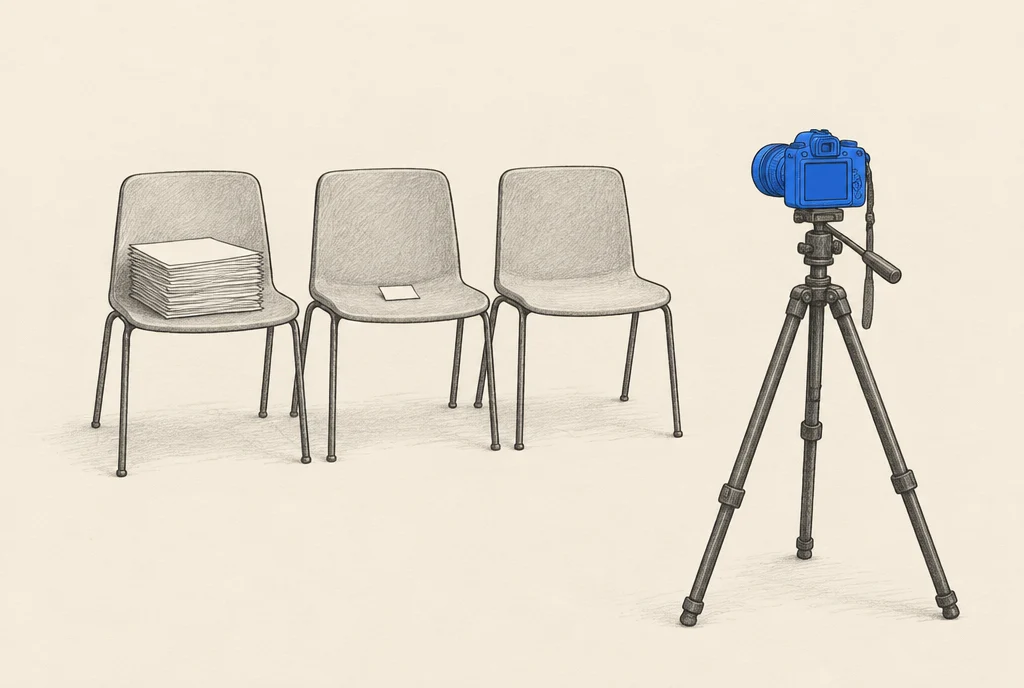
A finished course nobody rebooked is not an admin slip. It is a regular you already paid for, walking away.

So most growing clinics fall into the same trap. More ads and more new faces, into a clinic whose follow up still runs on the owner's memory. That is a leaky bucket. It is a capacity problem, and tools alone do not fix it, which is the whole point of most firms bought Ai and few changed how the work gets done.
03The 9 steps, in 3 phases
Your clinic already does all 9 of these jobs today, whether or not anyone has named them. The steps do not add work. They name each job, then decide whether a person does it or a system does it.
What each step does
- 01Diagnose
Put a number on what is bleeding: courses never rebooked, memberships lapsing, treatment never billed.
- 02Shadow
Follow 1 client from consult to rebook and dig out every unwritten rule.
- 03Write it down
A procedure, a consent checklist, and a follow up schedule a machine can read.
- 04Baseline
Agree today's numbers, in writing, before you change anything.
- 05Command center
1 screen: who is about to lapse, the follow up clocks, the unbilled treatment.
- 06The clinic's mind
Every protocol and aftercare timing, searchable, with its source attached.
- 07The front desk assistant
Filing, rebooking and reminders on time, under 4 safety rules.
- 08Handover
Reception approves instead of performing. The morning brief, the drafts, the alerts.
- 09Removal
You step out of the routing. A weekly report shows the system earning its keep.
4 steps happen before anybody builds anything, and skipping them is why most let us try some AI projects die quietly.
04The 4 steps before you build anything
Count first. Most clinics never have. Courses finished and never rebooked is the biggest and quietest leak, then memberships lapsed on a busy day, packages with sessions unused, and treatment given and never billed. The total sits in 2 or 3 places, and that is where you build first.
Then shadow 1 real client, from the first enquiry through the consult, the consent, the treatment, the aftercare and the rebook. Write down the real version, not the induction folder nobody opens. The clinic runs on 100 unwritten rules in your practitioners' heads, and they leave the day that practitioner does.

Then write it down. The procedure step by step, the pre-treatment and consent checklist, and the follow up schedule that says when the aftercare check goes out and when the rebook is offered. An assistant can only hold a gate somebody actually wrote.
What must be true before a treatment is booked
- A consultation done.
- The medical history taken.
- Signed consent on file.
- The allergy and contraindication check done.
- Before photos captured.
- The aftercare briefing given.
Then baseline. Write today's numbers down and get the owner and the lead practitioner to agree them: what share of finished courses get rebooked, how many memberships lapse in a month, how much treatment sits unbilled. The baseline is your receipt in 3 months.
05The 3 things you build
Build the screen first, 1 place that shows the whole clinic in the order that costs money. We call it the AiOS command center. At the middle is a client radar that ranks clients by who is about to quietly lapse, so the laser course 3 of 6 with no visit in 9 days sits at the top.
Around it, the follow up clocks pulled apart instead of flattened into 1 diary, the money on the floor, every treatment delivered and never invoiced, and the document wall, which reads the records and consent forms where they already live, with no migration. All of it on 1 spine, not 12 apps.
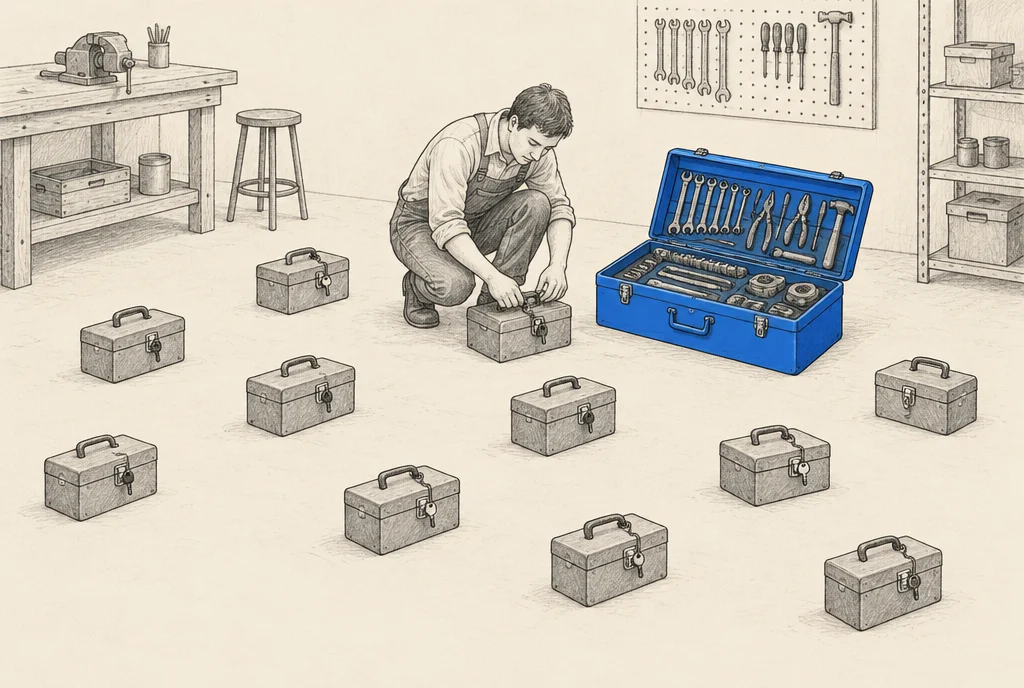
Then the clinic's mind, the company brain for your clinic. Anybody can ask in plain words what our checklist is for a treatment, and the answer comes back from your own written rules with the source attached. Change a protocol in 1 place and every answer changes with it.
Then the front desk assistant, an employee, not a chatbot. It wakes on a timer, files the photographed consent form to the right record, drafts the rebooks, the aftercare checks and the invoice for work already done, and flags what needs a human. It lives in Telegram, which the team already has open, and runs on Claude, 1 of the 5 AI tools I pay for.
The 4 safety rules
- No treatment is booked until consent and the checklist are complete. The refusal is the feature.
- Every file action stays inside set boundaries, and deletes go to a recycle bin.
- Every client facing message waits for a human yes. A person presses send.
- Anything unclear comes back empty, never guessed.
06Then you take yourself out
The build runs, and the team moves from performing the admin to approving it. At 8 in the morning 1 message lands in the order of what costs money: the 2 clients about to lapse, the memberships expiring this month with reminders already drafted, the treatment waiting to be invoiced.
Say the word removal carefully. If reception think it means removing them, they will starve the system and go back to the diary. It means removing the form chasing and the 1 at a time reminder texts.
The test of step 9 is simple. You take a real week off the floor and nothing leaks.
Forms still get filed to the right record. Finished courses still get rebooked on time. Memberships still get renewed. Treatments still get invoiced the same week. A weekly proof report tells you, in the numbers you agreed in step 4, what the system did.
- 55 hoursowner and reception time lost in a month
- 2,500 dollarswhat those hours are worth at 50 dollars an hour
- 100 dollarsroughly what the system costs to run a month
2.5 hours a day on chasing forms, texting reminders and making invoices, across 22 working days, is 55 hours a month. The system runs on a few dollars a day of AI usage and a few tens of dollars a month of hosting, with the meter shown to you on day 1.
Count 1 leak, the one you already suspect, and build only the piece that stops it.
07Questions, answered
Does this mean AI does the treatments?
No. Who is a candidate and what is safe stays with your practitioners. The system handles the filing, the rebooking, the reminders and the invoicing around that.
Can it message our clients on its own?
No. It drafts the rebook, the aftercare check, the renewal nudge and the invoice, then stops. A person presses send.
What does it cost to run?
Roughly 100 dollars a month on a real clinic's volume, a few dollars a day of AI usage plus hosting. Your volume will differ, so the meter is shown from day 1.
Which step do we start with?
The one your count says is bleeding worst. If consent or safety can be missed on a busy day, build that gate first.
If you want these 9 steps mapped onto your own clinic, with the leak counted and the first piece named, book a consulting call.

Digital PratikA 37 year old, smiling, practical Gujarati, a Kathiyawadi businessman. Founder of JorrDaar LLC, Dubai.