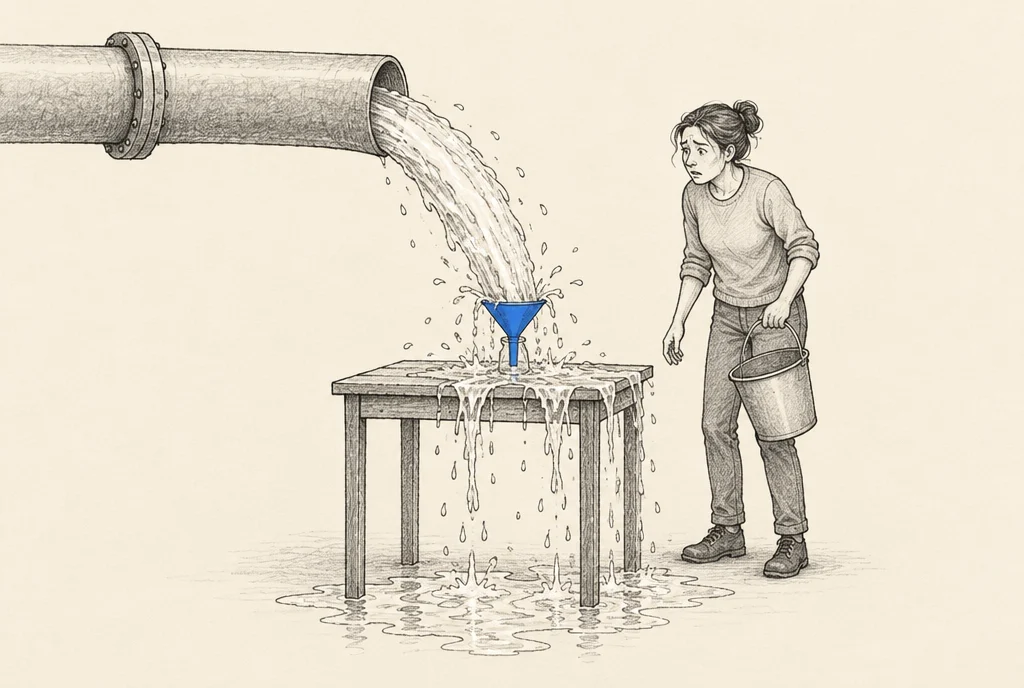
I shared what I had not done. Learn, apply, share is the fix.
For years I posted things I had learned from other people. Not things I had done. That gap is everything.For years I posted what I learned from other people. Not what I had done. That gap is everything.

- Learn, apply, share. The middle one is the one almost everybody skips.
- What you know is only worth what you can actually do with it.
- Sharing something you have not done gives you content that is correct and weightless.
- Your mistakes are the most valuable thing you can share.
- Proof beats a claim, every single time.
In this article
Years ago I was posting videos of things I had learned from other people. Not things I had done. I had watched somebody else say it, I put it in my own words, and I published it with a straight face.
The content was fine. It was correct. It was useful in a general way. And it went nowhere, because none of it was mine. I was a very excited messenger carrying other people's experience.

01What I was doing wrong
I was struggling in the early part of my career and I was doing what looked like the right thing. Read a lot. Watch a lot. Understand a lot. Then publish what I understood.
Around 2015 it finally landed. I was putting no time at all into using what I was learning. All the effort went into the learning, and then straight into the sharing, with nothing in between.
Look at your own week and you will probably find the same shape. Hours of input. A few posts. Almost no time spent actually doing the thing you just learned about.
Learn then share, with nothing in between, is the default. That is why so much correct content changes nothing for the person who wrote it.
02The line that changed how I spend my week
The knowledge you have is only as good as your ability to apply it.
That sounds like a poster on a wall until you take it seriously. Then it changes how you spend every week. It means 1 hour spent using something is worth more than 3 hours spent learning more things you will never use either.
Most people, and I was fully one of them, are collecting knowledge and calling it progress. The pile feels like work. The pile is doing nothing. The tagline on my first blog was the LAS formula: learn, apply and share. Learn something new, use it in my own life, then tell people what happened when I did.
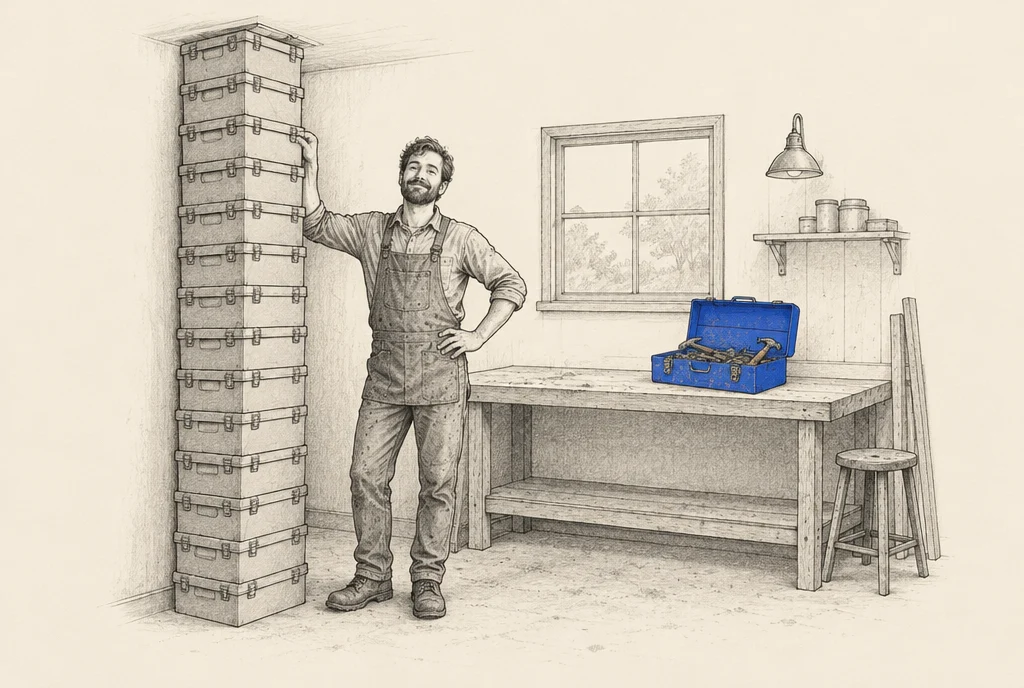
03What the apply step really does
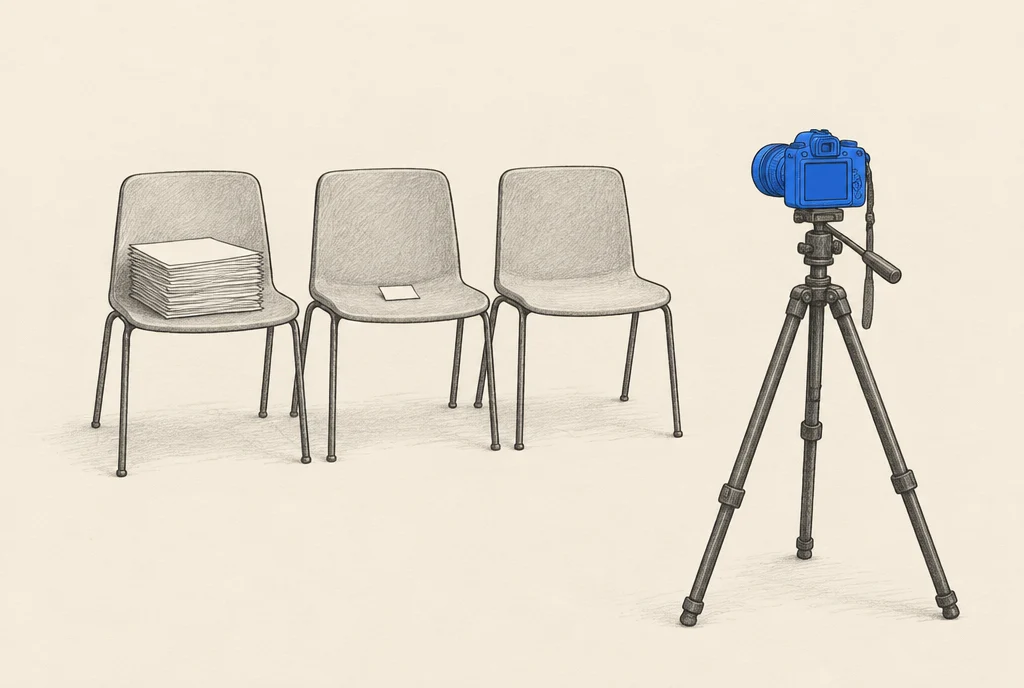
3 things happen when you actually use what you learned, and only the first one is obvious.
Why the middle one matters
- 01It shows you what is true
Half of what you learn does not survive a real situation. You only find out which half by trying it.
- 02It gives you the details
Doing it gives you detail. What broke, what it cost, what you would do differently next time. Detail is what makes people believe you.
- 03It gives you the right to say it
This is the one people miss. A reader can feel the difference between somebody reporting and somebody remembering.
Here is the tell. Content built only from learning is smooth and general. Content built from doing is specific and a little awkward, because real life is awkward. The awkward one is the one people trust.
It also shows up in the questions you can answer. If you only read about it, the first follow up question stops you. If you did it, you have 5 more stories ready, and that is where the trust gets built.
04Share it, and share the failures most of all
Once I changed the order, the thing I shared most was what I got wrong. I learned from my own mistakes and then published the lesson from those mistakes. It felt like standing outside with no shirt on. It turned out to be the most valuable material I had.
Nobody needs one more person explaining how something works in theory. There is an endless supply of that. What is rare is somebody saying I tried this, here is where it broke, here is what I would do instead.
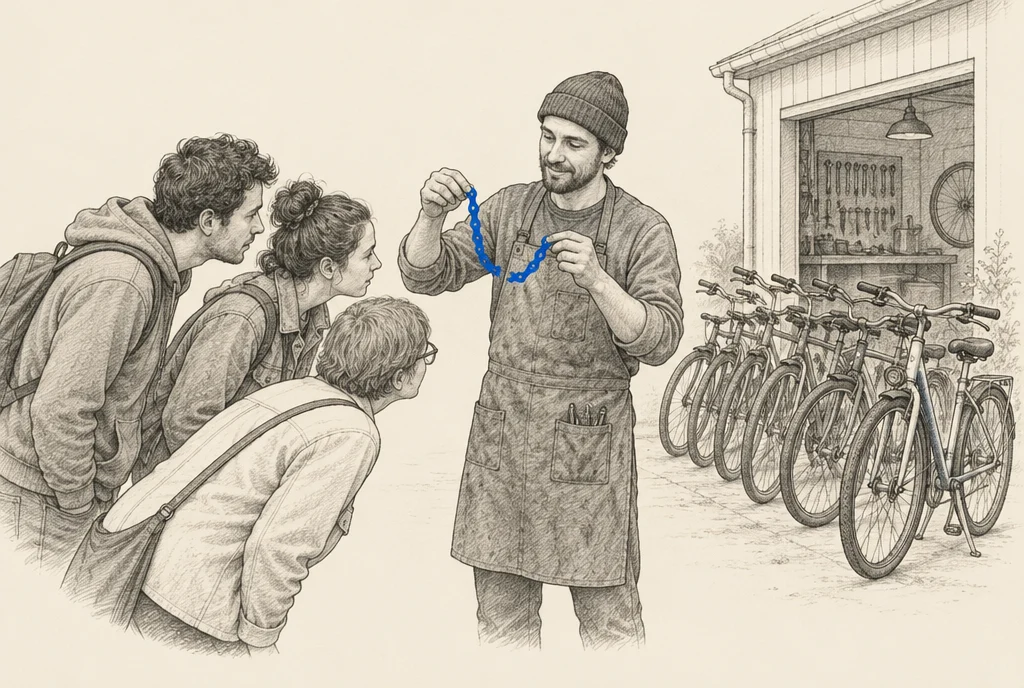
Showing the part that broke beats explaining how the machine works.
This is the same argument I make about showing a client your work. They only ever see the finished thing, so you have to show them the days before it, and I wrote about that in the 40 days before the pool. It is the same rule at a different size. The thing you did beats the thing you described, always. It is also why I published my own honest scorecard of what I had built and what I had not, instead of a clean version. Done and admitted beats claimed and unchecked.
05Why you cannot swap the order
There are only 3 ways to get this wrong, and I have done all 3.
What happens when a step is missing
Skip the doing
Correct, general, forgotten by tomorrow
Skip the learning
You rediscover old answers, at full price
Never share
Real skill, and the market cannot see any of it
The third one is the one I have the most sympathy for, and it is the most common among people who are genuinely good at their job. They have the experience and no public record of it. So a buyer cannot tell them apart from somebody who has done nothing at all.
06Doing it in private still fails
There is a version of this that still fails, and it catches the most capable people. You learn, you use it, you get good, and you never say a word about any of it. Sharing feels like showing off, or you assume everybody already knows this. 10 years later you have deep experience and nothing public to point at.

From the outside that looks exactly the same as having done nothing. Not because the work was not real. Because nobody was ever shown it. Sharing is not the show off step at the end. It is what turns private skill into something a buyer can act on.
Everything I run now came out of this loop, not out of a course. The AiOS command center a client logs into. The company brain that holds the whole business in one place. The Telegram assistants that write and file work while I sleep. The STORM content engine. The work we do out of Dubai. I built each one for myself first, broke it, fixed it, and only then talked about it in public.
Learn it. Do it. Then talk about it. Add patience and keep going and that is the whole thing.
1 cycle, this week
- 01Pick 1 thing
Choose something you learned recently and have not used. Pick the one that would change something if it worked.
- 02Use it on your own business
Not a client's. Yours, where the result is yours and you can be honest about it.
- 03Write down what happened
All of it, including the parts that did not go to plan.
- 04Share that
Not the theory you started with. What happened when you actually did it.
Pick the 1 thing you learned this month and have not used, use it on your own business, and post what happened instead of the theory.
07Questions, answered
What does LAS stand for?
Learn, apply, share. Learn something, use it yourself, then tell people what happened. It was the tagline on my first blog and it still runs everything I build.
Why can I not just share what I learned?
You can, and it will be correct. It will also carry no weight, because you have no detail and no story behind it. A reader feels that difference in the first 2 lines.
Should I really share my mistakes?
Yes. The failures turned out to be the most valuable material I had. Theory is everywhere. Somebody holding up the part that snapped is rare.
I am good at my job but I hate posting. Does this still matter?
It matters more for you, not less. If there is no public record of your work, a buyer cannot tell you apart from somebody who has done nothing.
How many cycles before this works?
1 honest cycle is worth more than a month of posting summaries of other people's ideas. Then do it again, and keep going.
If you want help turning the work you already do every day into something buyers can actually see, book a consulting call with Digital Pratik and we will look at it together.

Digital PratikA 37 year old, smiling, practical Gujarati, a Kathiyawadi businessman. Founder of JorrDaar LLC, Dubai.