Your business has only 2 money levers. Most owners pull the small one.
There are only 2 ways to make the money work. Make getting a client almost free, or make 1 client worth far more.Only 2 ways to make the money work. Cheaper to get a client, or 1 client worth far more.

- Lever 1. Make getting a client almost free, with a real brand or a thing that spreads on its own.
- Lever 2. Make 1 client worth so much that the cost to win them stops mattering.
- Great businesses go all the way out on 1 lever. They are never just okay at both.
- Your posts are not a marketing cost. They are an asset that keeps lowering what you pay for a client.
- Great numbers are not found once and kept. You keep working the model until a lever breaks open.
In this article
Ask an owner how the money works and you get a long answer. Prices, salaries, ad spend, discounts, staff. Under that noise sit 2 numbers that decide if the business is good or only busy.
Number 1 is what it costs to get 1 client. Number 2 is the profit that 1 client gives you over the whole time they stay. People call these your unit economics. A big phrase for a small idea.
Only 2 ways make those numbers special. Push the cost of getting a client toward zero. Or push the value of 1 client toward the sky. The biggest companies are extreme on 1 of the 2, never okay at both. Know which you are before you grow.
01The 2 numbers, in plain words
The cost to get a client is called CAC. Every rupee you spend to bring in 1 new client. Ads, your time on calls, the proposal, the person who follows up. Add it up, divide by the clients you won.
The value of a client is called LTV, and owners get it wrong here. LTV is profit, not what they pay you. If a client pays 2,000 and the work costs 1,200, that client gave you 800, not 2,000. The bigger number makes a weak business look strong.
CAC is what it costs you to make more money. LTV is how much you make.
Once you know both honestly, the question is how to widen the gap. There are 2 answers. Every funnel, ad angle and hook you have been sold is a tactic under 1 of them.
02Lever 1. Make getting a client almost free
There are 2 ways to get here, and both take years. That is why most people never do them.
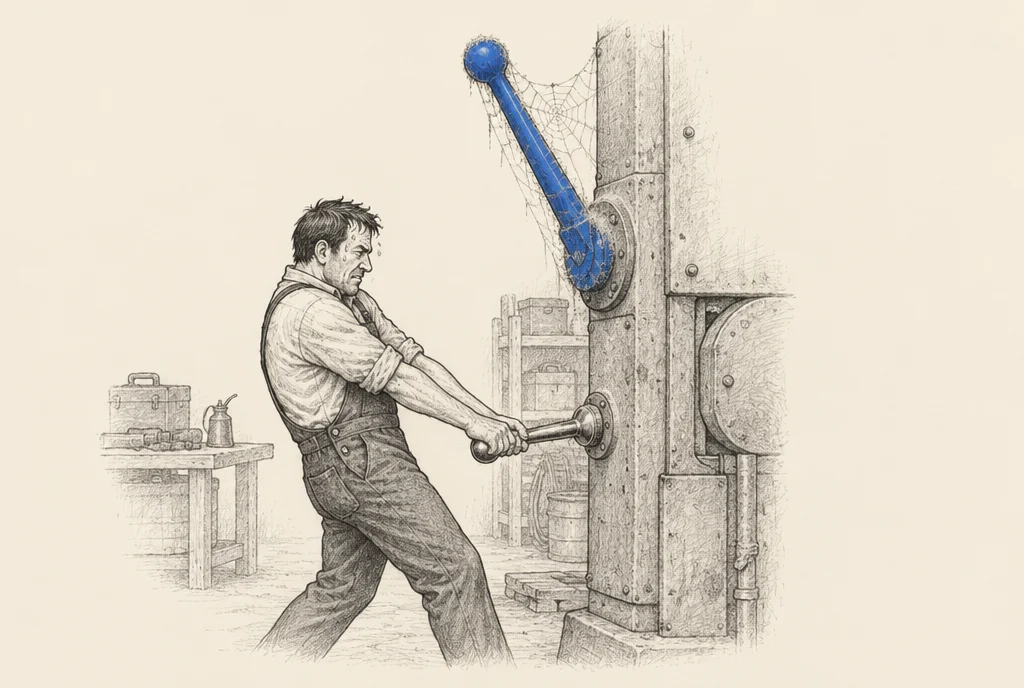
The first is a real brand. When people know you and trust you, the cost of getting them collapses. They do not arrive asking who you are. They arrive convinced. A business whose cost sits near zero can reach huge numbers of people and still make money when each 1 is worth little.

The second is building something that carries itself, bringing the next user for free. For a service business like mine, brand is the real route, and it changes what posting is. A post is not marketing with a fuzzy return. It is an asset that keeps lowering what you pay for a client, long after you made it. STORM is my name for that work. Useful media, every week, for the buyers you want.
A post is not a marketing cost. It quietly lowers the price of your next client.
That is the honest reason I pour so much into content. Not because posting is fun. A brand is the machine that lowers what a client costs, 1 of only 2 ways to great numbers. A money decision in a creative costume.
Is lever 1 working for you?
- People arrive already knowing what you do, and you spend less time convincing them.
- Clients say they have been watching you for months before they called.
- Work you posted 2 years ago still brings you leads today.
- You can stop spending on ads for a month and the phone still rings.
03Lever 2. Make 1 client worth far more
Now the opposite play. You accept that winning a client costs real money and real months, then make each client worth so much that the cost stops mattering.
Big enterprise businesses live here. 1 customer can be worth many times what it cost to win them, and nobody pretends it was cheap. Competitors, a long sales process, lots of meetings, free work. None of it mattered next to what that customer became.
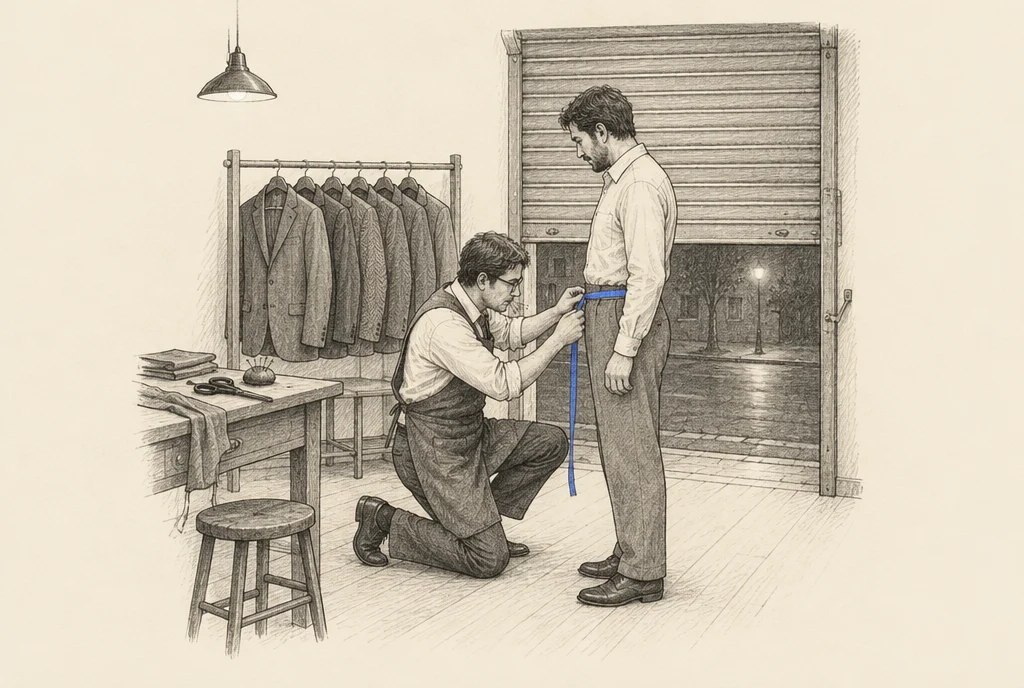
For a service business this is the high ticket and retainer route. Fewer clients, each worth far more. It is the lever I run on the agency side, and why my offers are priced where they are, not to fill a calendar. The selling has to be sharper too, which is why nobody reads your 20 page proposal. A bigger number needs a clearer conversation, not a fatter document.
In 2026 this lever looks different for me. We build a client an AiOS command center, with their company brain and Telegram assistants in it, and that job does not end on delivery day. They use it every week, so the relationship keeps going. Lever 2 in real life is not a bigger invoice. It is a longer reason to stay.
How to raise what 1 client is worth
- 01Something to buy next
Have a real second thing, so the first sale is the start and not the end.
- 02A monthly relationship
Turn 1 project into something they keep paying for because they keep getting value.
- 03A bigger scope
Do more of their problem, not more clients with the same small problem.
04The numbers, so you can see which lever is bigger
Round numbers, put your own in after. Say 1 client is worth 3,000 and costs 600 to get. You keep 2,400.
Work the cost side hard. Cut 600 to 300, a genuinely good year of work. You keep 2,700. You gained 300.
Now the value side. Make that same client worth 6,000, through a second piece of work, a retainer or a bigger scope. You keep 5,400. You gained 3,000.
1 lever at a time
3,000
6,000
300
600
2,700
5,400
300
3,000
- 600the most the cost side can ever give you
- 3,000what doubling 1 client's value gave you
- 10times the gain, from the lever people touch second

See why the gap is wide. The cost of getting a client can only fall to zero, no further, so that lever is worth 600 to you, not 1 rupee more, ever. The value of a client has no end. Keep raising it as long as you can deliver.
So why do people work the small lever first? Because they can see it. Cost per lead sits on a dashboard and moves this week. The value of a client is invisible for months, in a file nobody opens. The visible number wins, not the bigger one.
05Go all the way out on 1 of them
This part should change your Monday. A business moderately good at both levers has moderate numbers, no matter how hard everybody works. You cannot out work average economics.
Standing in the middle, decent at both, is the spot that gives you an average business.
The companies with silly good numbers were not sensible on both sides. They pushed 1 side all the way out and accepted being nothing special on the other.
Which lever is your game
Make getting a client almost free
Make 1 client worth far more
Brand, content, a thing that spreads
High ticket, retainers, bigger scope
Years
Months
You stop before it adds up
You cannot deliver the value
Mostly your market picks for you. If what you sell is worth a lot per client and needs a real sales process, lever 2 is open now and lever 1 is a 10 year project in the background. If it is modest per client but reaches very many people, lever 1 is your only route.
What you can never do is run an expensive, high touch sales process for a client worth little. That is not a lever, it is losing money slowly. It is common, because businesses slide into it while competing on price.
06Keep working on the model
The last part, and the one everybody skips. Great numbers are not found once and kept in a drawer. They are worked on.
The founders who found the rare windows, a client cheap to get and worth a lot at once, kept cranking on the money model. Changing the offer, testing a price, refusing to settle, until 1 lever broke open. That is why I put the real numbers on 1 screen inside the command center. A number you see every week gets worked on. One in a file gets forgotten.
So treat your minimum as something to earn, not a finish line. A business at the lowest number that keeps it alive is safe. It is not interesting yet.
The Monday version. Name 1 thing that would lower what a client costs you, and 1 thing that would raise what a client is worth. The first is usually content, proof, or referrals. The second is a better offer, a longer relationship, or something worth buying after the first thing. Then put everything into the 1 that is genuinely your lever, instead of splitting your effort politely.
Write down what it really costs you to get 1 client and what 1 client gives you in profit. Then pick 1 lever and give it the whole month.
07Questions, answered
What is CAC and LTV in simple words?
CAC is what it costs you to get 1 new client. LTV is the profit that 1 client gives you over the whole time they stay. Profit, not the amount they pay you.
Can I work on both levers at the same time?
A little, but not equally. Being decent at both gives you an average business. Pick the 1 your market allows and put most of your effort there.
Which lever is bigger for a service business?
Usually raising what a client is worth. The cost of getting a client can only fall to zero, so that lever runs out. The value of a client has no end.
Why does Digital Pratik post so much content then?
Because a brand is the machine that lowers what it costs to get a client, and that is 1 of only 2 ways to build great numbers. It is a money decision in creative clothes.
How do I know if my numbers are good enough to grow?
Work out the honest profit from 1 client and the honest cost of getting 1. If the gap is thin, growing faster only burns cash quicker. Fix the model first.
If you want help working out which of the 2 levers your business can actually pull this year, book a consulting call with Digital Pratik and we will look at your real numbers together.

Digital PratikA 37 year old, smiling, practical Gujarati, a Kathiyawadi businessman. Founder of JorrDaar LLC, Dubai.