
The Power of Free Work, and How to Use It Deliberately
 Digital PratikGrowth Marketing Consultant
 Free work is not inherently a sign of inexperience or desperation.
Used deliberately, it is a way of demonstrating rather than describing, and it can open a relationship worth many times what you gave away.
The conditions are that you choose the target, you size it to what you can genuinely afford, and you are good enough that the work itself makes the argument.
Have you ever done work for free? Most people have, and most of them felt slightly embarrassed about it, which is the part worth examining.
Why people resist it
The instinct is straightforward. If I give this away, how do I recover what it cost me to produce?
There is a hesitation, sometimes a slightly wounded attitude about being asked at all.
Underneath is usually the belief that free work signals you are not good enough to charge, and that clients will value it accordingly. Occasionally that is true.
Mostly it is a story people tell themselves to avoid an uncomfortable move.
The reframe
Stop thinking about the cost you are absorbing and start thinking about what it buys. Free work is not a discount, it is a demonstration, and demonstrations are the most persuasive thing available to anybody selling a service.
A prospect reading your pitch has to decide whether to believe you. A prospect who has watched you do the work does not have to decide anything, they already know.
That is a completely different and much easier position to sell from, which is the whole argument behind the show don't tell funnel.
You give the service for a defined period. They experience the standard.
Some of them like it, come back, and are willing to pay for it. That is not charity, it is a sampling strategy with a cost you chose.
Do it deliberately, not reactively
This is where it goes wrong for most people, and the difference is entirely in who initiates it.
Free work you offer, to a target you selected, for a reason you can state, is a strategy. Free work you agree to because somebody asked and you did not want to seem difficult is just unpaid labour with a story attached.
The activity looks identical from outside and the outcomes are nothing alike.
I have pitched a business with a substantial block of free work up front, on purpose, because I judged the relationship worth years rather than months. That was a calculation with a number attached, made before I offered anything, not a concession made in a moment of weakness on a call.
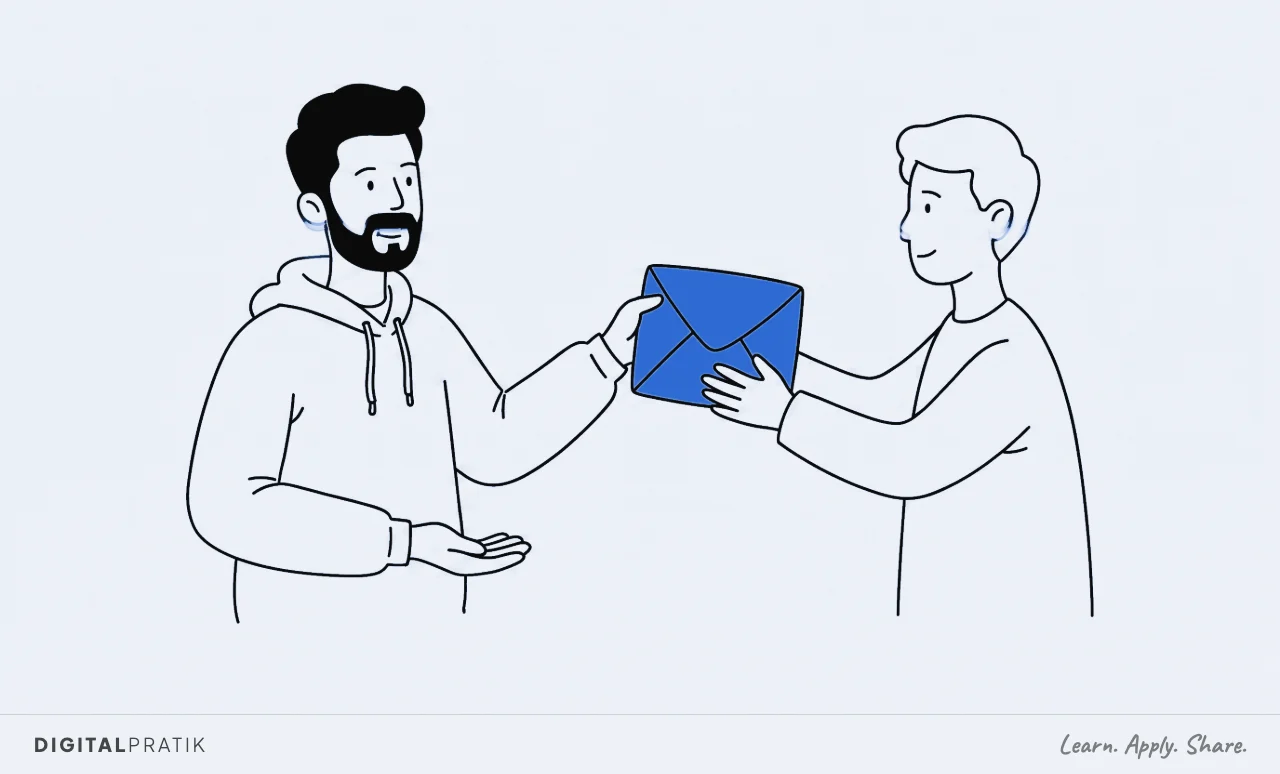
Size it to what you can afford
Free work is always available as a tool, at every level. What changes is how much of it you can responsibly give, and that is purely a function of your own financial position.
Someone with runway can offer months. Someone without should offer an afternoon.
Both are legitimate. What is not legitimate is offering more than you can absorb and then resenting the client, which poisons the exact relationship you were trying to open.
Decide the size before the conversation, in the same way you would decide a discount limit, and do not move it because the room felt good.
Reading about a system and running one are different jobs. If your business does AED 10 million a year or more, this is what a working session looks like.
Size it with arithmetic, not with feelings
Free work goes wrong when nobody decides in advance how much of it there is. So decide, in hours, before you offer anything.
Say you give an hour each to ten people over a month. That is ten hours, which you can see and plan around.
If two of them go on to work with you at 3,000, that is 6,000 of business from ten hours of giving. Judge the ten hours against that, not against the eight people who did not buy.
| Number | |
|---|---|
| People helped properly | 10 |
| Hours you spent | 10 |
| Who went on to work with you | 2 |
| At | 3,000 each |
| Effective value of an hour given | 600 |
The eight are not waste. Some of them tell somebody.
Some come back in a year. And all of them taught you how people describe the problem in their own words, which is the raw material for everything you write afterwards.
The reason to do the sum is not to prove free work pays. It is to give yourself a stopping rule.
Ten hours a month is a decision. "I help people when they ask" is not a decision, and it is how founders end up giving away a day a week without noticing.
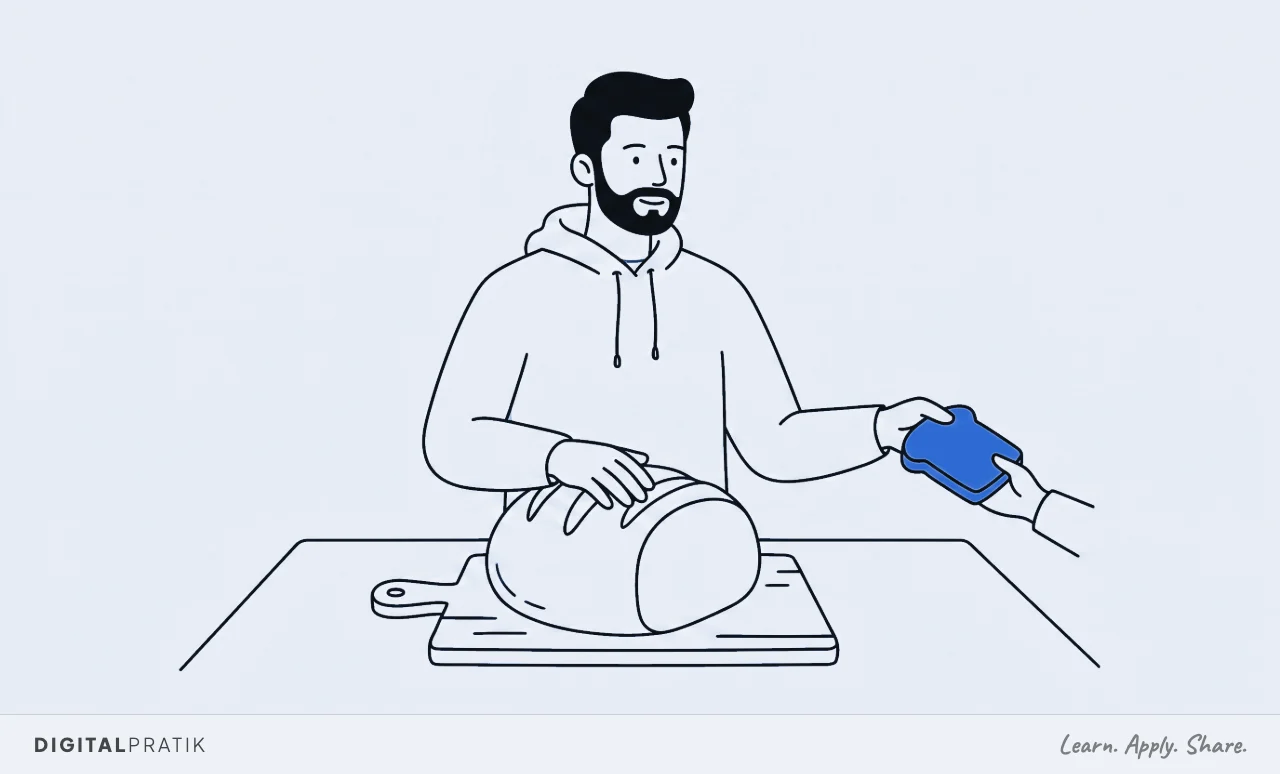
Why it works best at the beginning
When you are starting, your time genuinely has no market price, which is the same reasoning behind giving one thing ninety days. Nobody is paying for that hour, so spending it to manufacture proof is the correct trade, and it is the same reasoning as the free sessions I ran daily for a year early on.
That calculation reverses completely once the hour has a price. I do not do free work now in the way I did then, because it would be a real cost rather than a notional one, and I already have the proof it was buying.
This is not a contradiction, it is the same rule producing a different answer at a different stage. The test is always what that hour would otherwise earn.
The condition nobody says out loud
All of this assumes the work is good.
Free work is an amplifier of whatever your actual standard is. If you are genuinely capable, giving somebody a direct experience of that is the fastest route to being hired.
If you are not yet, free work distributes that fact efficiently and to exactly the people you most wanted to impress.
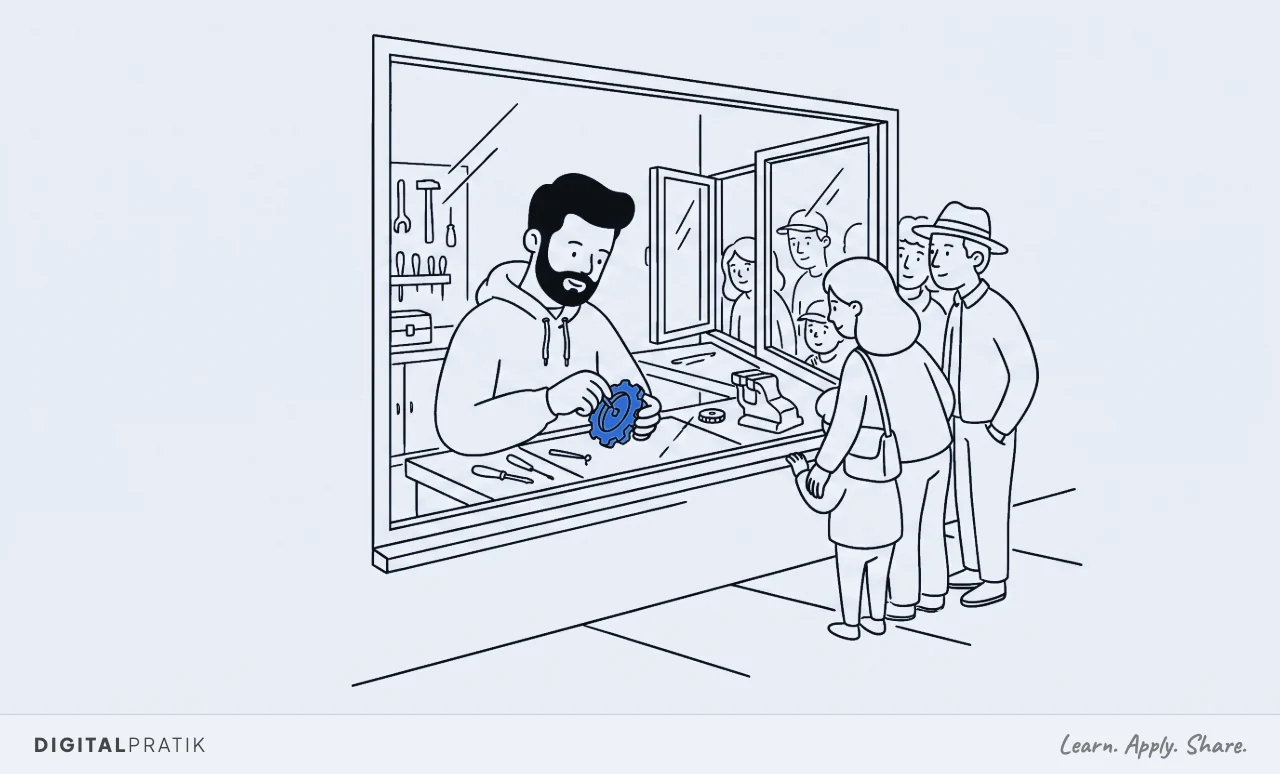
So the honest prerequisite is being good enough at the thing that the work itself makes the argument. If you are not there yet, the free work should be aimed at getting you there rather than at winning a client.
How this differs from a free trial
Worth separating, because they get conflated and they behave differently.
A free trial is a standing offer, available to anybody who asks, usually automated. It attracts volume and a good deal of it is people who were never going to buy.
Deliberate free work is targeted: you picked this business, for a reason, and the work is real rather than a limited sample.
The distinction shows up in what you learn too. A trial tells you whether someone will click.
Doing real work for one chosen client tells you whether you can actually deliver for that kind of business, which is far more useful when you are deciding who to serve.
What to ask for instead of money
Free does not have to mean you receive nothing. Agree upfront what you get if it goes well: permission to use the result publicly, an introduction, a testimonial, or the right to a proper conversation about paid work at the end.
That last one matters most. A defined end point with a scheduled conversation turns free work into a trial with a decision at the end of it, rather than an arrangement that drifts until somebody feels awkward.
Without that, plenty of good free work simply never converts because nobody ever asked.
The short version
Free work is good at every level, provided you choose the target, size it to what you can afford, do it to a standard that makes your case, and agree in advance what happens when it ends.
Do it that way and it is one of the cheapest ways to start a long relationship. Do it reactively and it is just work you did not get paid for.
Frequently asked questions
Not inherently. Free work you offer deliberately, to a target you chose, for a reason you can state, is a demonstration strategy. Free work you agree to because someone asked and you did not want to seem difficult is unpaid labour. The two look identical from outside and produce completely different outcomes.
At the start, when your time has no market price and nobody is paying for that hour anyway, which makes spending it to manufacture proof the correct trade. Once the same hour has a real price, the calculation reverses and the proof it was buying already exists.
As much as you can genuinely absorb without resenting it, which depends entirely on your financial position. Someone with runway can offer months and someone without should offer an afternoon. Both are legitimate, but offering more than you can afford poisons the relationship you were trying to open.
Agree upfront what happens if it goes well: permission to use the result publicly, an introduction, a testimonial, or a scheduled conversation about paid work at the end. That defined end point turns free work into a trial with a decision, rather than something that drifts until it feels awkward to raise.
Only if the work is not good. Free work amplifies whatever your actual standard is, so a capable person giving someone a direct experience of that gets hired faster, while someone not yet capable distributes that fact efficiently to the people they most wanted to impress.
Install this in your business
An article gives you the map. A working session gives you the system, built around what you actually sell and who actually buys it.