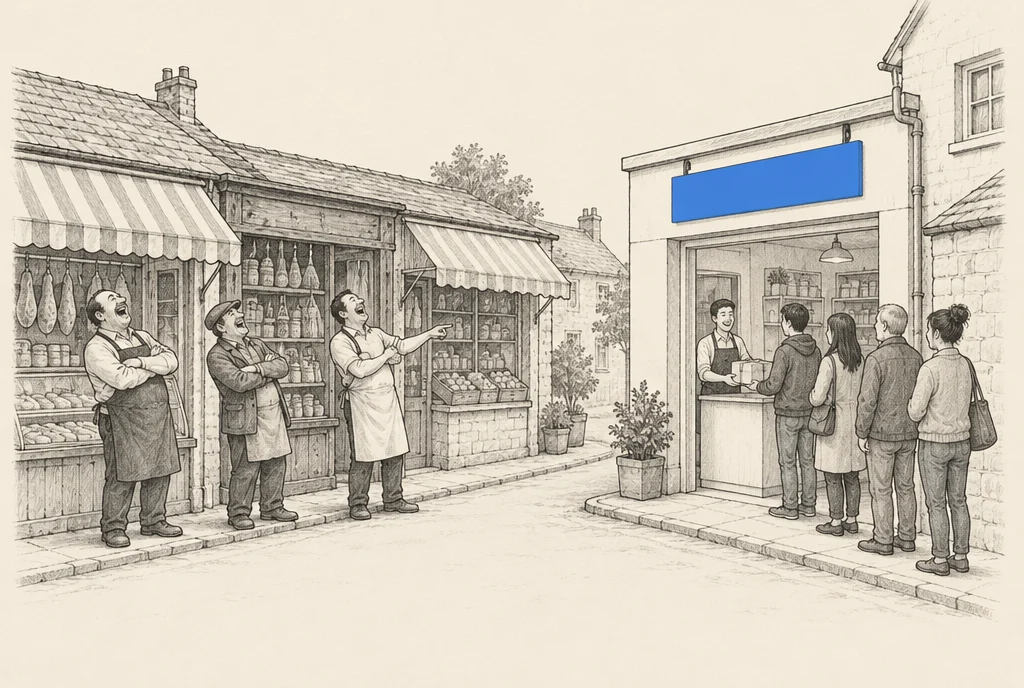
The first one to reply usually wins.
A buyer who asks 3 firms for help does not wait to hear from all 3. They talk to the one that answers first, and that talk is where the work is won.A buyer asks 3 firms for help. They talk to the one that answers first, and that is where the work is won.

- Most buyers ask more than 1 firm. The first one to answer usually gets the first real talk.
- A slow first reply is rarely about effort. It is about nobody owning it.
- Give 1 person the first reply, write it once, and keep the promise in it.
- Let machines sort the enquiry. Let a named person send the first words.
In this article
Think about the last time you needed a lawyer, a contractor or an accountant. You did not ask 1. You asked 3, maybe 4, on the same afternoon.
Then what happened? One of them called back while you still cared. You told that one your whole story. By the time the second firm replied the next day, you had already started to trust someone else.
Your buyers do exactly the same thing to you. The first one to reply usually wins. Not the best one. Not the cheapest one. The first one.

01Why the first reply matters so much
When a buyer reaches out, they are thinking about their problem right now. That is the moment they will share the most, listen the most and decide the most.
An hour later their day has moved on. A day later they have a meeting, a family dinner and 2 other replies in their inbox. Your answer lands on a person who is no longer in the mood to buy.
The fast reply gets you the talk. The kept promise gets you the client.
Here is the hard part. Most firms think they reply fast. Very few do. Workato tested 114 B2B companies by asking each one for a demo. Only 1 of the 114 sent a personal email inside 5 minutes, and the average took 11 hours and 54 minutes. Only 31% called back at all. None of them called inside 5 minutes.
- 1 of 114sent a personal email inside 5 minutes
- 11h 54mwas the average wait for that email
- 31%of the companies called back at all
Those were software companies, not service firms in Dubai. But I see the same thing when I look at service firms here. The enquiry comes in, and then it waits.
02When everyone can reply, nobody does
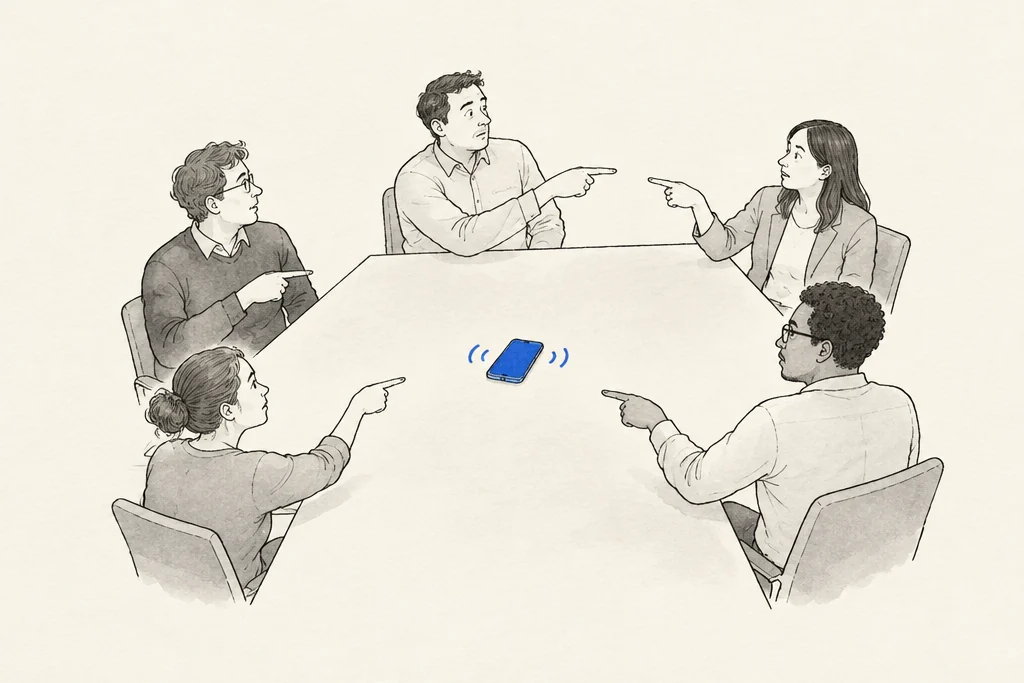
A slow first reply is rarely about lazy people. It is about a question nobody answered: whose job is this?
The enquiry lands in a shared inbox or a group chat. Sales thinks the owner will take it, because it looks big. The owner thinks sales has it. The front desk thinks it is not their place. Everyone sees it. Nobody sends anything.

033 steps to reply first
You do not need a new system to fix this. You need 3 plain decisions.
How to be the first voice they hear
- 01Give the first reply 1 owner
1 name, not the team. Write it down. That person owns every new enquiry until it has a real conversation booked.
- 02Write the first reply once
In plain words, so it can go out in minutes. No price, no brochure, no long story.
- 03Keep the promise in it
If the reply says you will call at 4, the call happens at 4. Every single time.
The first reply does not need to solve anything. It only needs to tell the buyer that a real person has read their message and has a plan.
What a good first reply says
- Hello, I am the person who will look after this.
- I have read your message.
- I will call you today at a set time.
- If that time is bad, reply with a better one.

04Make it easy to say yes in 5 seconds
In Dubai most of this happens on WhatsApp, so write for WhatsApp. A long message gets read later, and later never comes.
2 first replies on WhatsApp
A full page about the firm
5 or 6 short lines
4 at once
1 that moves things forward
Let us know a good time
I will call you at 4 today
Has to think and write
Only has to say yes

Ask 1 question, not 4. A message with 4 questions gets an answer to the easiest one, or none at all.
05Let the machine sort. Let a person speak.
This is where AI and automation earn their place. They are very good at the work behind the desk: catching the enquiry from the form, the call and the chat, putting it in 1 list, and telling the owner who it is and what they asked.
What they should not do is send the first words. Everyone now expects the first answer to be a robot. "Thank you for your enquiry, a member of our team will be in touch." So when a real person with a real name answers first, it feels rare. And rare is remembered.


06Then call back when it goes quiet
Replying first gets you into the race. It does not finish it. Most quotes never get a no. They get silence, and most owners read silence as a no.
Silence usually means busy. So set the next call before you send the price: "I will call you Thursday to go through it." Now the call is expected, not pushy. And when you call, do not ask if they decided. Ask what is still unclear.
Write down 1 name for the first reply. Write the first reply once. Then send yourself a test enquiry tonight from your phone, and time how long your firm takes to answer.
07Questions, answered
What if we get enquiries at night or at the weekend?
Decide that ahead of time. Either someone owns the first reply on those hours, or the first reply says honestly when a person will call. A clear time beats silence.
Should the first reply include our price?
No. The first reply gets you the conversation. The price comes after you understand what they need.
Can an automatic reply do this job?
An automatic reply can say we got your message. The first real reply should come from a named person, in their own words.
How fast is fast enough?
Faster than the other firms they asked. Test yourself tonight, then aim to beat your own number every week.
If you want to see where enquiries wait inside your firm, that is one of the first things the Capacity Diagnostic looks at.

Digital PratikA 37 year old, smiling, practical Gujarati, a Kathiyawadi businessman. Founder of JorrDaar LLC, Dubai.