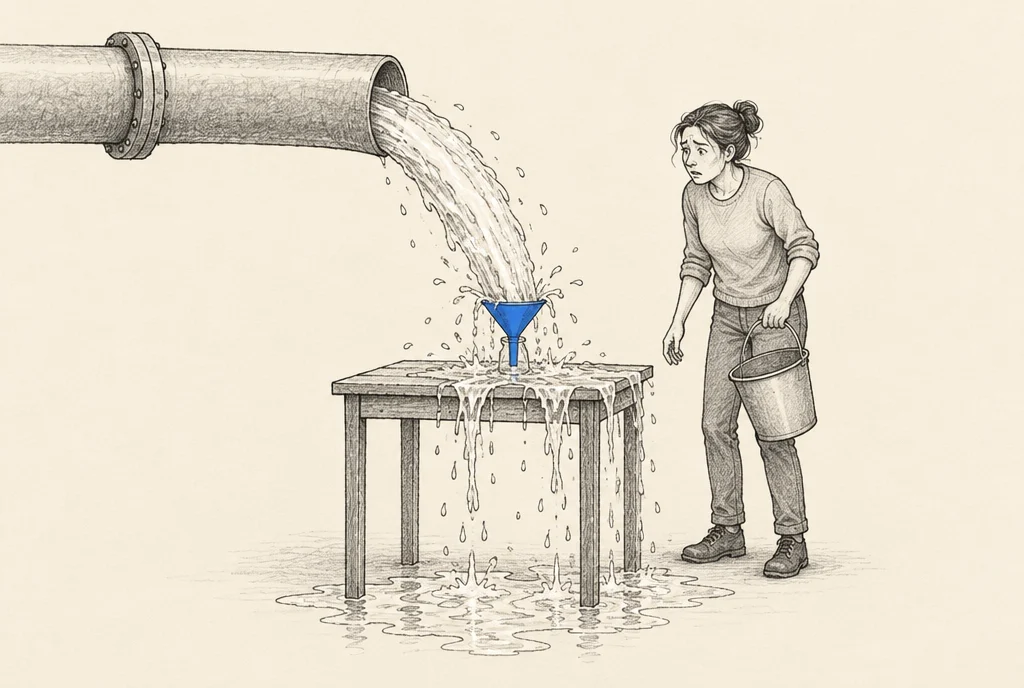
Meta told you 3 ads were dead. They were the reason the 4th one sold.
You sort the ad account by return. You pause the zeros. That looks like good sense. It is the most expensive habit I see.You pause the ads showing zero return. That looks smart. It is the most expensive habit I see.

- Meta gives the sale to the last ad a person clicked. Real buying takes many clicks.
- Some of your ads do the first hello and the trust work. They will always show zero.
- Pause a zero ad and you can remove the reason your winner won.
- You cannot see any of this inside Ads Manager. You need path level tracking.
- Judge the whole account by cost per booked client, not 1 ad by its own return.
In this article
Here is the mistake. You open the ad account on a Monday. You sort by return. 3 ads show zero. 1 ad shows a great number. So you pause the 3 and put more money on the 1. Nobody would call that reckless. It is what a careful owner does.
And in a real buying journey, that exact move takes the engine apart.
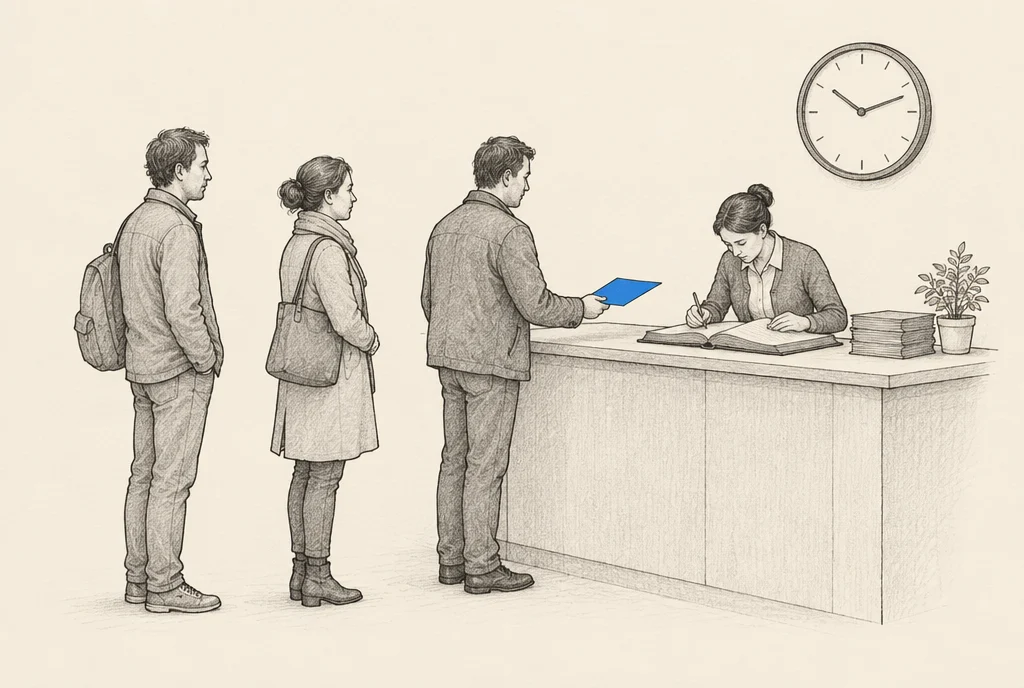
Because Meta gives the sale to whichever ad was clicked last. One ad opens the loop. One builds trust. One breaks the last doubt. One collects the cheque. The platform only credits the 4th. Kill the first 3 and the 4th now has to do all 4 jobs on its own. It will not.

01A real buying journey, step by step
Let me walk you through 1 real sale from our own campaigns, because the short version never lands.
A sale comes in. Ads Manager shows 1 sale and gives it to an ad called "04 unlock". Clean and simple. If that is all you had, you would say "04 unlock" is the winner and the rest of the campaign is dead weight.
Now open the same sale in a proper tracking tool and read the whole path. This person did not arrive that day. They came in a week earlier, through a completely different ad in a different campaign. They did not buy. 3 days later they clicked another ad, a video of real people from an earlier workshop. They did not buy. 2 minutes later they clicked that same ad again. Still nothing. 2 days after that, at 6 in the morning, they clicked a 3rd ad. Nothing. That evening they clicked "04 unlock", went to the checkout page, and bought.
4 ads. 1 purchase. All the credit to the last one.
2 very different stories
No return, pause it
First touch, opened the loop
No return, pause it
Testimonial, built the trust
No return, pause it
Broke the last doubt
Great return, scale it
Collected the cheque
In your account this looks like 3 ads at zero and 1 ad doing well. Pausing the 3 is the obvious move. It is also the move that removes the first hello, the trust and the doubt handling, and leaves 1 ad holding the whole job.
02Not every ad is a selling ad
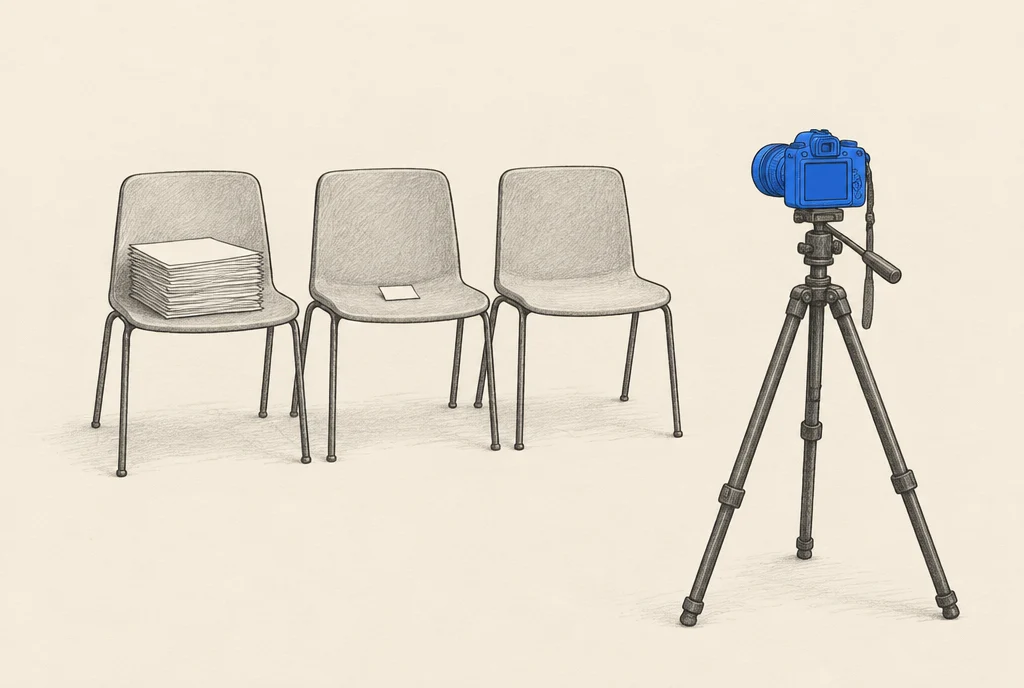
This is the part that has to sink in. A lot of your ad content is only building the name. Someone sees it, does nothing, and then weeks later wants the thing, goes to Instagram, taps the link in your bio and buys there. That sale never reaches your ad at all unless you are tracking the full path.
So in any decent account there are at least 3 jobs going on at the same time.
What your ads are actually doing
- 01Make people aware
They learn you exist. They will not buy today, and this ad will read zero.
- 02Make people believe
Real customers, proof, your face and your work. Also often zero.
- 03Close the sold
The person already decided. This ad takes the money and the credit.
Judging all 3 by the same last click number is like judging a football team by who touched the ball last before the goal.
Technically correct. Completely useless for deciding who to keep on the team.

03Why this hurts service businesses the most
If you sell a $40 product, the journey is often short enough that last click is roughly right. Someone sees it, wants it, buys it. Fine.
If you sell a $5,000 service that needs a call first, the journey is never short. Nobody books a call with a stranger to spend 5,000 dollars because 1 ad showed up on a Tuesday. They look you up. They watch a few things. They check whether other people trust you.
The higher your price, the more touches sit between the first click and the money, and the more wrong last click becomes. So the businesses with the most to lose are the ones getting the most misleading picture.
The same thing is now happening 1 step further out. People do not only check your page before they book, they ask a chatbot who is good for this job. If you want the long version of that, I wrote about whether a chatbot will say your name. Same lesson in a new place. The touch that makes the sale is almost never the touch that gets the credit.
04How to actually see it
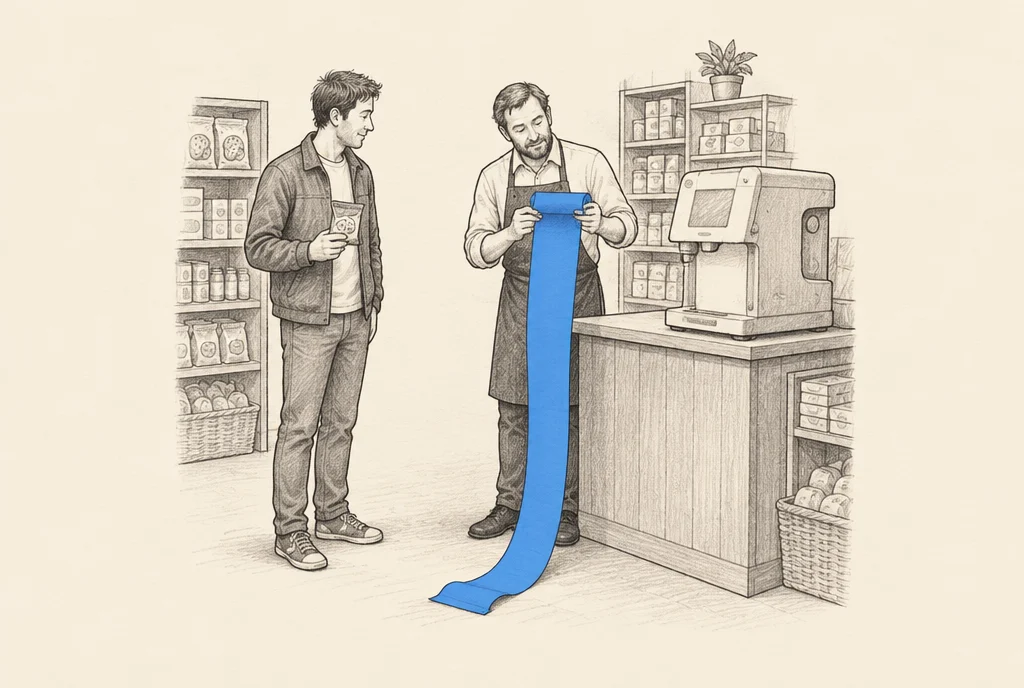
You need a tracking layer that records the full path per person, instead of trusting the platform's own report. A few tools do this well and I use 1 of them every day. The tool matters less than the ability: you want to open 1 sale and see every touch that led to it, with dates and ad names.
5 steps to the real picture
- 011/5 Install path tracking
Put it across the whole site, the checkout and the booking flow.
- 022/5 Wait for real volume
A handful of sales will not show you a pattern. Be patient here.
- 033/5 Read single sales, not the summary
Open 1 real customer and read their whole path. This is the step people skip and it is the one that changes your mind.
- 044/5 Give every ad a job
Opener, trust builder, doubt breaker, closer. Then judge each ad against its own job.
- 055/5 Send the data back to the pixel
Feed the real outcome back so the platform stops guessing from its own half view.
That last step is the one almost everyone misses. When you send the richer sale data back, the platform's own machine gets better at finding the right people. More right people means more real data, which makes it better again. It becomes a loop that builds on itself, not a report you read on a Monday.
This is also where 2026 made my life easier. I do not keep any of this in my head or in a chat with a team member. It sits in the company brain, a plain text file every one of my AI helpers reads before it does anything, inside the command center. The ad jobs, the real cost per booked client, the payback time. My Telegram assistants read the same brain. So the person who looks at the account next month reads the same rules I wrote this month, instead of sorting by return and pausing the zeros.
05The client conversation this saves
If you run ads for other people, this is also the talk that saves the account. The client opens Ads Manager, sees ads with no return, and asks why you are still spending there. "Trust me" is not an answer. Opening the tracking tool and walking them through 1 real customer journey is.
What you are really saying is this. Facebook ads are working. They only look broken if you believe last click. Then you show the 4 touches on screen. I have never had that conversation go badly, because the proof is not an argument, it is a screen.
The proof is not an argument. It is a screen you both look at.
The same habit runs through the Dubai work and every client account I touch. Show the real path first, then talk about money. Nobody argues with their own customer's journey.
06What to do before you have the tools
Not everyone can install path tracking this week. Until you can, 2 habits give you most of the protection.
2 habits that protect you now
- Ask every person who books how they first heard of you, in a free text box, and read the answers yourself. It is rough and self reported and it will still surprise you.
- Stop judging any single ad by its own return. Judge the account. If total spend is producing an acceptable total cost per booked client, the account is working, even when single ads look ugly.
Here is the blunt version. You pause ad 1 because Meta says zero. You just killed the thing that was growing the account, and you will spend the next 3 months wondering why the winner stopped winning.

The bigger point is simple. The platform is not your source of truth. It is 1 player reporting on its own work, using a method that suits it. That is not a plot against you, it is a limit, and the fix is to own your own measuring.
Once you do that, a lot of other decisions get easier, because you finally see what a client is really worth and how long they take to pay you back. That is the ground everything else in a paid account stands on, and the order you build it in is the 3A Machine.
Open 1 real sale from last month and write down every ad and page that person touched before they paid. 1 customer is enough to change how you read the account.
07Questions, answered
Why does Meta show zero return on an ad that is actually helping?
Because Meta gives the sale to the last ad the person clicked. An ad that made them aware of you a week earlier gets nothing, even though the sale would not exist without it.
So should I never pause an ad?
Pause ads, but not on last click numbers alone. Give each ad a job first, opener, trust builder, doubt breaker or closer, and judge it against that job and against the account's total cost per booked client.
Can I see the full buying path inside Ads Manager?
No. Ads Manager reports on its own clicks with its own method. You need a path level tracking layer across your site, checkout and booking flow to see every touch per person.
Does this matter if my product is cheap?
Less so. On a $40 product the journey is often short enough that last click is roughly right. On a $5,000 service that needs a call, there are many touches before the money and last click is badly wrong.
What is the fastest fix if I have no tracking tool yet?
Ask every person who books how they first heard of you in a free text box and read the answers yourself. Then judge the whole account by cost per booked client instead of judging single ads.
If you want me to look at your account and show you the real buying path behind your sales, book a consulting call and we will read it together.

Digital PratikA 37 year old, smiling, practical Gujarati, a Kathiyawadi businessman. Founder of JorrDaar LLC, Dubai.