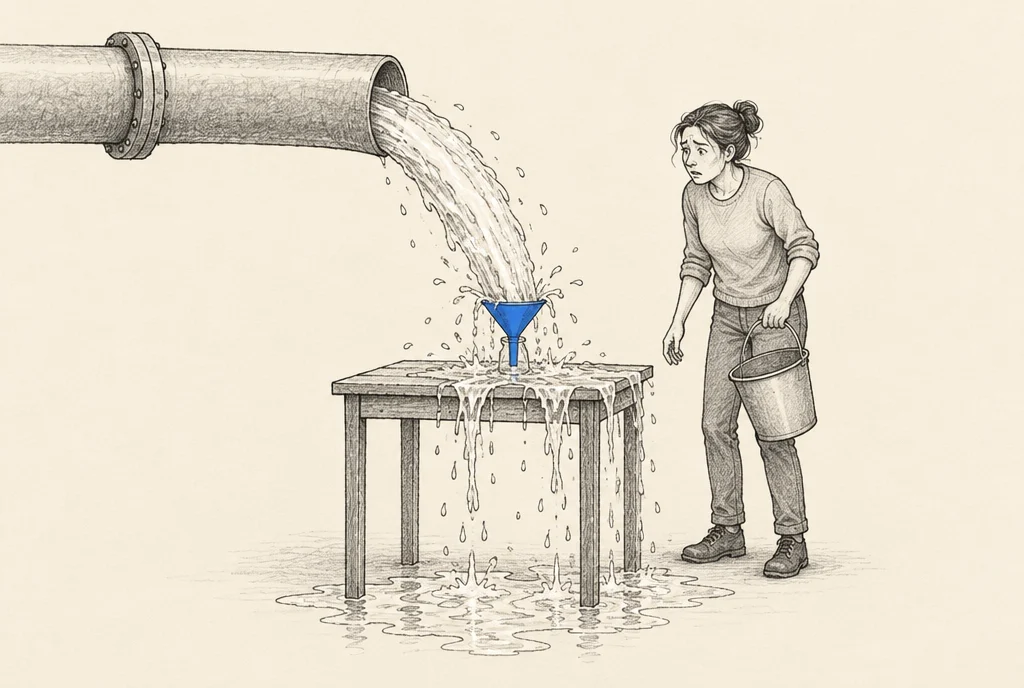
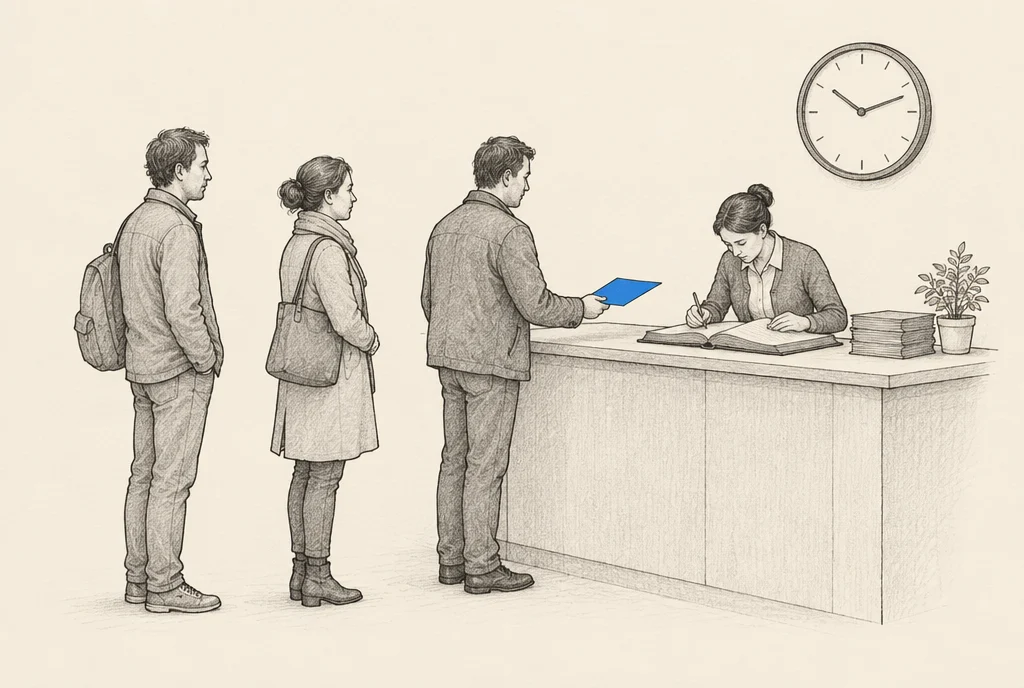
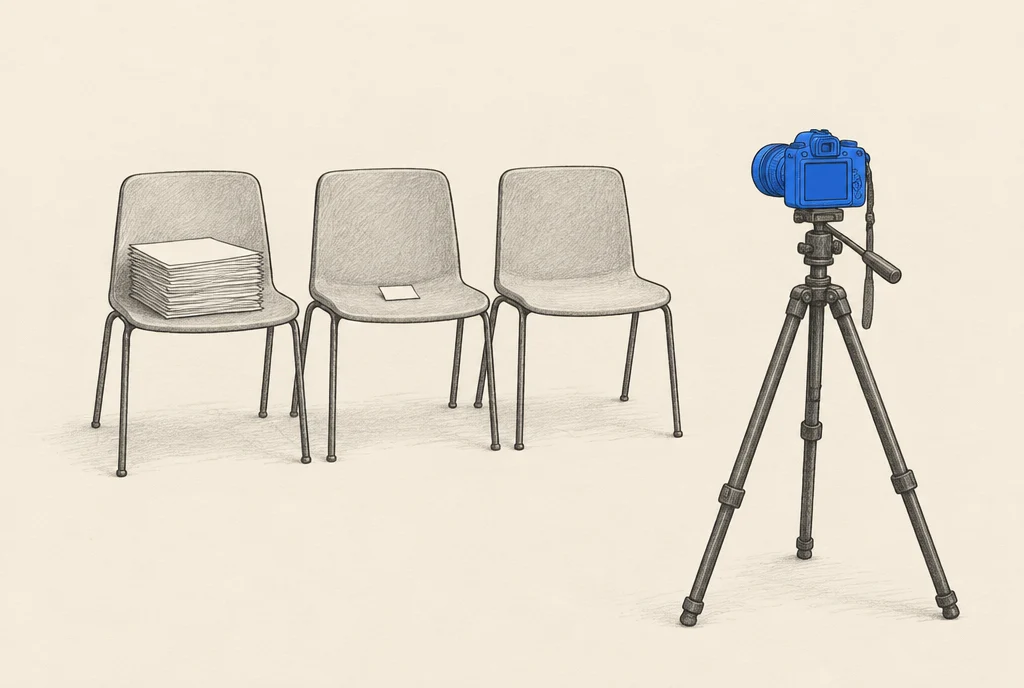
I could not talk my way into high ticket clients. Showing the work sold them.
I spent a year learning you cannot talk your way into high ticket clients. What worked was showing the work.I could not talk my way into high ticket clients. Showing the work is what sold them.

- High ticket buyers do not buy descriptions. They buy something they can see.
- No case study yet is not a blocker. A proof of concept counts.
- Do the work in the open and record it. The recording becomes the funnel.
- When you are starting, your time is the cheapest thing you own, so spend it.
- 1 real proof asset is enough to build the whole thing on.
In this article
In 2018 I left a full time job and went straight after high ticket clients. For about 3 months I failed at it, completely. I knew the work. I could explain the work. Nobody was buying.
It took me those 3 months to see the real problem. I was describing what I could do, to people who needed to see what I could do. Those are 2 different things, and at a high price only one of them works.
A show don't tell funnel is the fix. You put something a buyer can look at and judge for themselves at the front, instead of claims about yourself. If you have client results, the result is the proof. If you have no case study yet, you make proof out of your own work. You do the thing in the open, you record it, and the recording goes and sells for you.
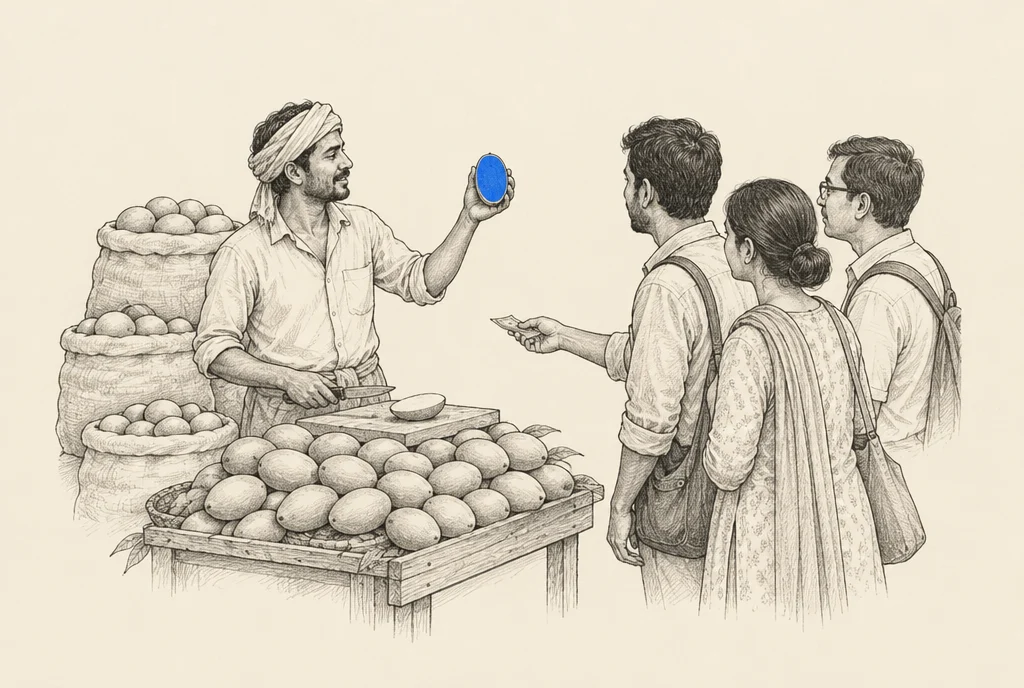
01The year I got this wrong
I worked a job from 2010 to 2018 and freelanced on the side. The freelance money was decent. So when I went full time on my own business, I decided I only wanted high ticket clients, because I had left a product manager salary and did not want to earn less than that.
It went badly. I had freelance proof. None of it was high ticket proof, and those are not the same thing at all. A small job done well tells a buyer you can do small jobs. It does not tell them you can carry something big.
So I kept talking. Better words, better decks, more confidence. It changed nothing. The thing that would have closed those buyers was standing behind me the whole time with a sheet over it. The work itself. I had just never shown it.
I was describing what I could do, to people who needed to see it.
02What I did instead
I started working for free. Not the way people usually mean it. I did not go begging for unpaid client projects. I built proof in the open.
I promoted a free question and answer session, every weekday, and let anybody book time with me. Whoever showed up, I helped them properly, like a paying client. And I recorded the calls.
Over a year that was more than 300 booked calls. Maybe 150 people actually turned up. The no shows did not matter, and I will come back to why. What mattered is that I now had a big and growing pile of recordings of me solving real problems for real people, and I could cut pieces of that and put them anywhere.
- 300+calls booked over 1 year
- 150people who actually showed up
- 50,000dollars, my first high ticket contract
Here is the part most people miss. The ones who saw that material and hired me were mostly not the people on the calls. They were the ones watching the clips. I helped 1 person on a call, and the recording went and worked on everybody who was never in the room.

In 2019 I closed my first genuinely high ticket client, a year long contract worth about 50,000 dollars. More came the year after, and more the year after that. Proof builds on proof.
03Your time is the cheapest thing you own
The obvious complaint is that 150 no shows is a lot of wasted hours. It was not wasted, and the reason is worth getting exactly right, because people get this wrong in both directions.
Your time is only wasted if somebody is paying you for that hour. When you are starting, nobody is. Your time is the cheapest thing you own, which is exactly why it is the right thing to spend heavily. Later, when the same hour has a price on it, the maths flips completely.

I do not do free calls now. If I did, that would be a real waste, because I have proof, I have clients, and the hour costs something. That is not me changing my story. It is the same rule giving a different answer at a different stage.
Should you spend this hour on proof?
- Ask what this hour would earn if you did not spend it this way.
- If the honest answer is nothing, spend it on building proof.
- If the honest answer is a real number, spend it on the client paying that number.
- Ask again every few months. The answer changes as you grow.
04What counts as proof and what does not
People hear the word proof and reach straight for testimonials, which are the weakest kind there is. Here is the whole ladder, strongest at the top, down to the thing that is worth nothing.
From strongest proof to worthless
- 01A recording of the real work
The buyer watches you do it and judges it themselves. Nothing to believe.
- 02A result with the method shown
Not only that it happened, but how it happened, step by step.
- 03A written walkthrough
The full process on paper, with the real details left in.
- 04A testimonial
Somebody says you were great. It asks a stranger to trust a stranger.
- 05Adjectives about yourself
Everybody has those and they cost nothing to write.
That ladder is really a ladder of how much the buyer has to take on faith. Less faith needed means more convincing, every time. And it matters in a new place now. Plenty of buyers never start with a search any more, they ask an AI who is good for this job, and the answer gets built out of what you have shown in public. That is the whole point of whether a chatbot will say your name.
Proof is anything that lets a buyer stop guessing about you.
05If you have no case study yet
You almost always have something sitting right next to proof, and it is usually 1 of 2 things.
How to make proof from nothing
- 01Show the skill on your own business
Do the thing on something real that you own, and record it. A process that works on your own business is a fair proof of concept.
- 02Do 1 job properly for free or cheap
One. Not 10. The result of that 1 job becomes the proof, and you never have to do it again.
If you do already have client results, this is easier, and most people still barely use it. Take the thing you actually do for clients, the process you would run tomorrow morning, and record yourself doing it properly once. Not a testimonial. Not a claim. The work.

A short walkthrough of a real process beats a page of adjectives, because the buyer can weigh it up with their own eyes instead of deciding whether to believe you. That 1 recording then becomes the raw material for everything after it: the guide, the landing page, the ads, the posts.
Both routes land in the same place. You end up with 1 thing you can show. That thing is the funnel. Everything else is packaging around it.
06The trap of waiting until it looks impressive
The most common reason people never build any of this is that their proof does not feel good enough yet. They are waiting for the big flagship result before they show anything.
That wait is usually permanent, because your standard rises with your ability. Whatever you have today is already enough to move you 1 bracket up from where you are, and moving 1 bracket is the whole job. You are not trying to convince the biggest buyer in the market. You are trying to convince the next one.
At a low price a buyer will risk being wrong about you. At a high price they will not, and no amount of clever copy changes that. Showing takes the leap of faith away. The same offer, described or shown, sells at completely different rates. It also keeps you out of the worst race in this market, which is competing on who describes themselves best. That race is won by whoever is most comfortable overstating, and it is not worth entering.
None of this got old. It got faster. The work I show now is the AI command centers we build for owners, and the way I show it has not changed: record the real thing once, then let STORM cut that 1 recording into posts, clips, carousels and articles for months. My company brain holds everything I have ever said, and a Telegram assistant turns a voice note into finished pieces while I am sitting in a car in Dubai. The tools are new. The rule underneath is the one from 2018.
Record yourself doing 1 real process properly, start to finish, and put the first 60 seconds of it in public.
07Questions, answered
What is a show don't tell funnel?
It is a funnel that puts something a buyer can see and judge at the front, instead of claims about you. A recording of the real work, a result with the method shown, or a walkthrough of your own process.
Can I sell high ticket work with no case study yet?
Yes. You make a proof of concept instead. Run your process on your own business, or do 1 job properly for free, and record it. That recording does the job a case study would.
Is free work a waste of time?
Only if somebody is already paying you for that hour. Early on nobody is, so free work that you record is the cheapest proof you will ever get. Once the hour has a price on it, stop.
What kind of proof works best?
A recording of you doing the actual work, because it asks the buyer for the least faith. Testimonials are the weakest kind, and adjectives about yourself count for nothing.
How much do I need before I start?
1 thing. One recording of one real process, done properly. Everything else is packaging around it.
If you want help turning 1 real process into the proof your next buyer can judge with their own eyes, book a consulting call and we will look at what you already have.

Digital PratikA 37 year old, smiling, practical Gujarati, a Kathiyawadi businessman. Founder of JorrDaar LLC, Dubai.