5 Market Awareness Levels for Scaling Meta Ads
 Digital PratikGrowth Marketing Consultant
 Your service ads are not failing, your sequence is.
One book-a-call ad speaks only to the most aware buyer, so the other four levels never hear anything they recognise.
Fix it by sequencing: an unaware or problem-aware ad that names the pain, a solution-aware ad that shows the mechanic, and a most-aware ad that makes the offer.
Three ads in that order beat nine random ones, because each one hands the buyer to the next.
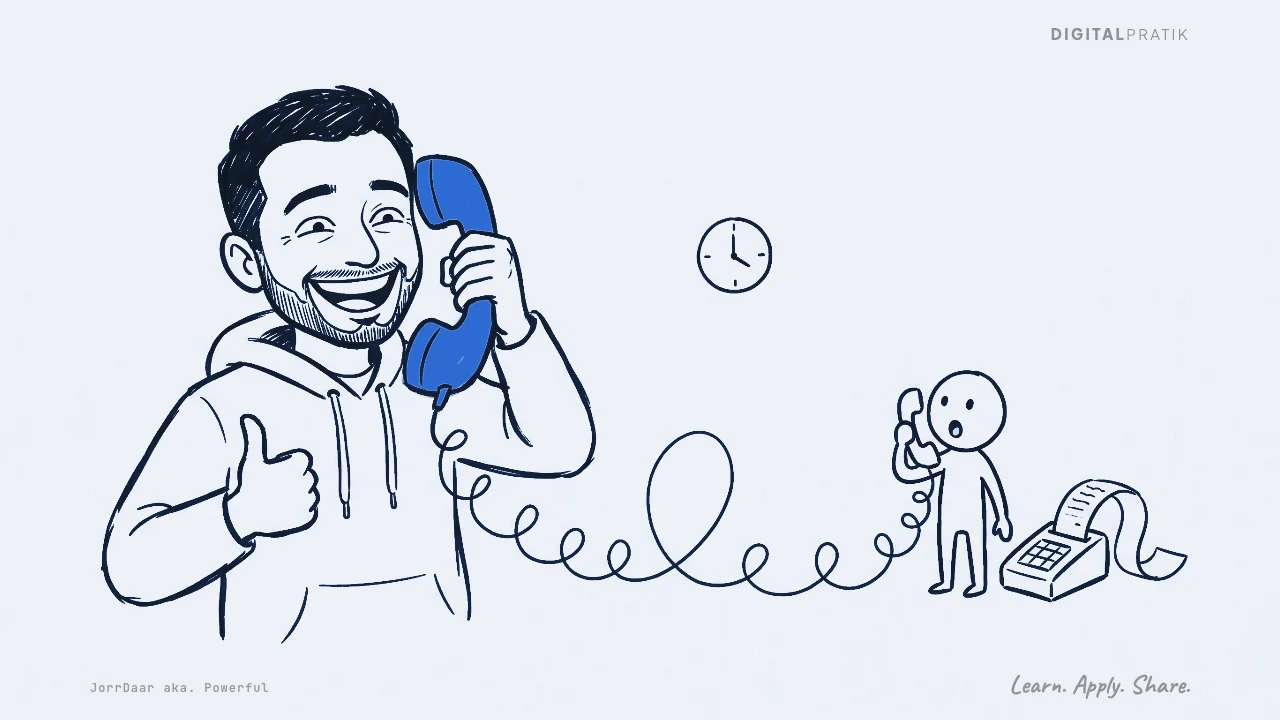
Most service business owners come to me with the same sentence. "We ran ads, they did not work." Then I ask to see the ads.
There are six of them. All six say some version of book a free call.
Different colours, different hooks, same message pitched at the same person: someone who already knows they have the problem, already knows a service like yours exists, already knows your name, and is sitting there deciding. That is one buyer out of five.
You built your entire ad account for the smallest room in the building. The platform is not the problem.
Your creative is not the problem either, at least not yet. The order is the problem.
What are the five awareness levels, in the order a buyer actually moves through them?
This is the backbone of everything I teach about contextual messaging. Hooks, cohorts, ad fatigue, retargeting, all of it sits on top of these five.
Here they are in the order the buyer moves, not the order that flatters your offer.
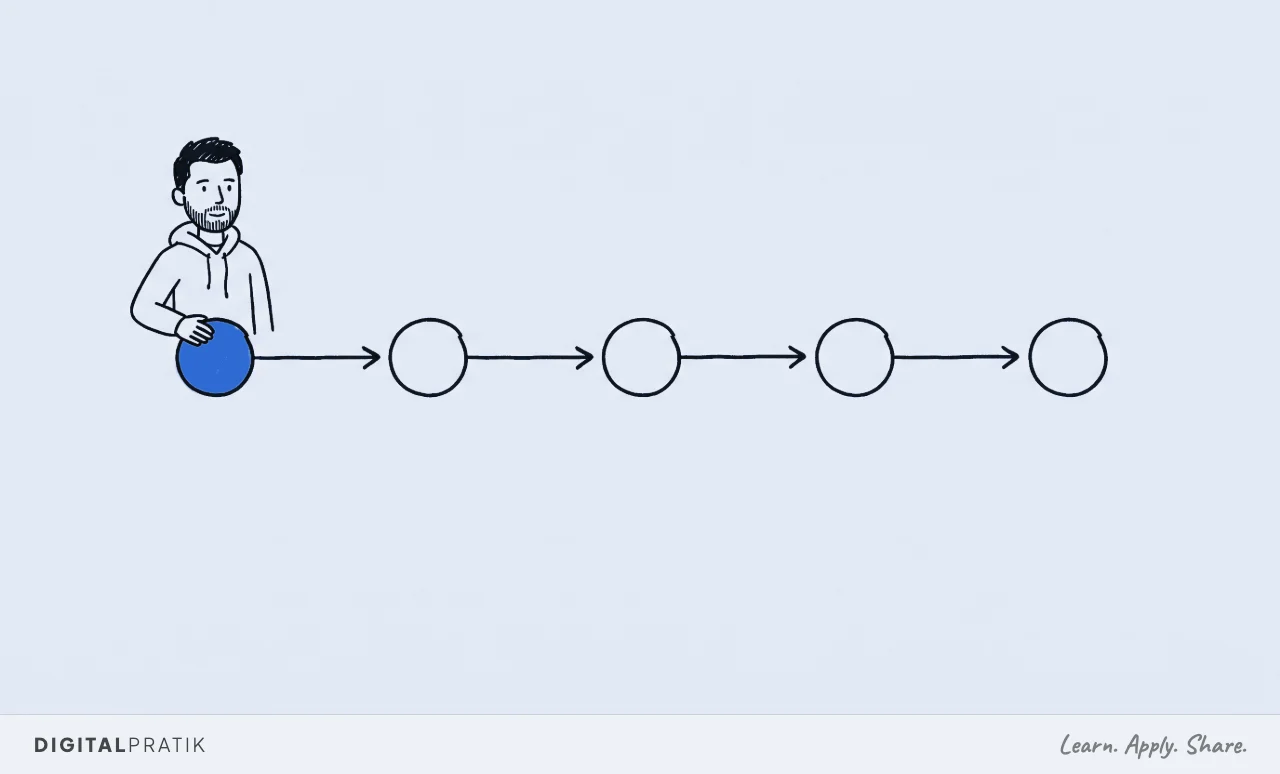
- Unaware. They do not know they have a problem. In my workshops I say it plainly in Hinglish: लोगों को मालूम ही नहीं है। They are not shopping, not comparing, not searching. They are living with something and have never labelled it.
- Problem aware. They feel the pain. They can describe it. They do not know a solution exists, so they are not looking for one.
- Solution aware. They know solutions exist. They do not know yours does. This is where they start comparing categories, not brands.
- Product aware or brand aware. They know you specifically. They have seen your name, your face, your content. They are deciding whether you are the one.
- Most aware. Ready. They need the offer and a reason to move now. That is it. No education, no persuasion, just terms.
I have written about why the unaware level is the highest leverage place a service business can play, and the mechanics of that are in the five stages of market awareness. Read that one for the case on going wide.
This article is the other half of the job. Not which level to target, but what order to hand a buyer through, and what specifically each ad in that order has to do.
Knowing the five levels changes nothing on its own. Sequencing them is what changes the cost per result.
Why does one book-a-call ad reach only one buyer out of five?
Because a call booking ad is written in the language of a decision. "Book a free strategy call." "Limited slots this week." "Get your custom plan." Every one of those sentences assumes the reader has already accepted three things: that they have a problem, that the problem is solvable, and that a person like you solves it.
The most aware buyer has accepted all three. The product aware buyer has accepted the first two and is checking you out.
Everyone below that is being asked to skip steps they have not taken. They scroll past, and the algorithm reads that as the ad not working.
It is not the ad. It is a good ad handed to the wrong room.
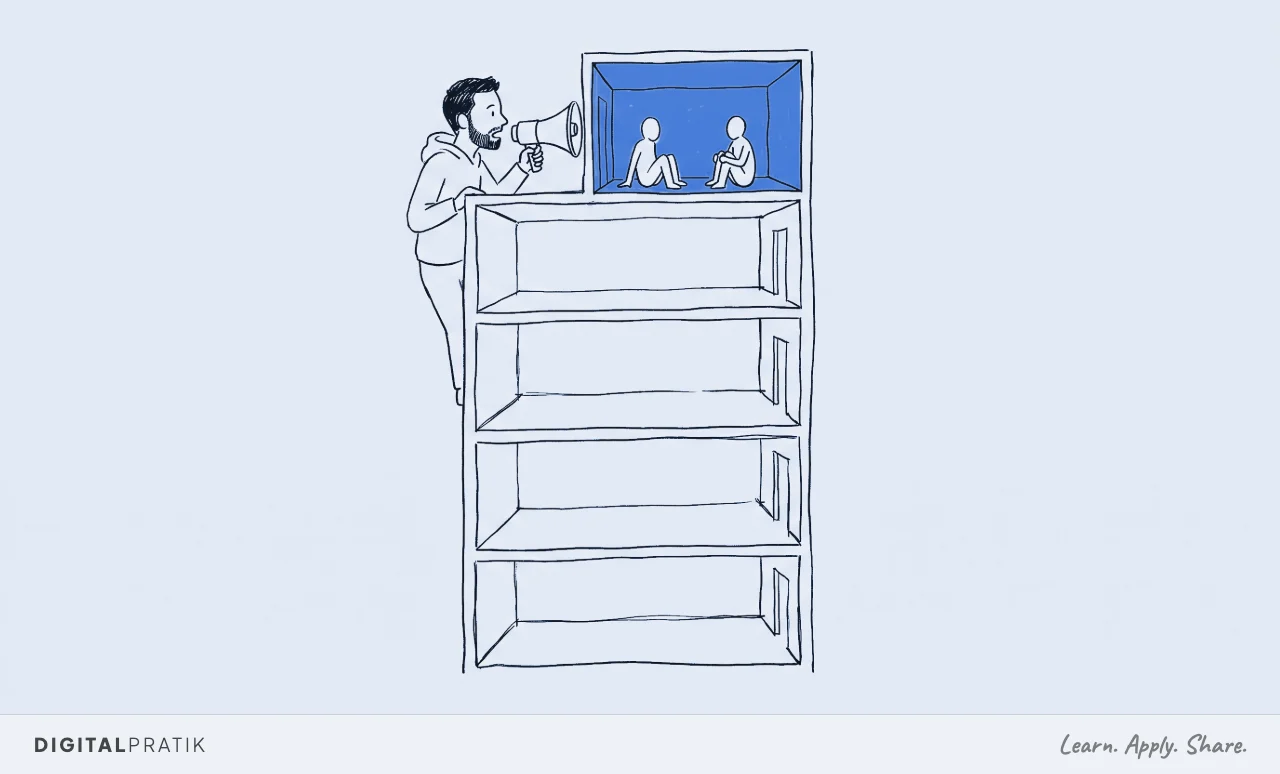
Here is what most owners do next, and it is the expensive mistake. They make a new creative.
New hook, new colours, new video. Same message, same level, same tiny audience.
Nine ads later they conclude that ads do not work for service businesses. What they actually proved is that the same message repeated nine times to the same small pool stops performing.
Which was always going to happen.
Is fatigue a creative problem or a funnel concentration problem?
It is a funnel concentration problem almost every time, and this is the single most useful thing I can hand you. The number one reason ads fatigue quickly is that you only ever make bottom of funnel ads.
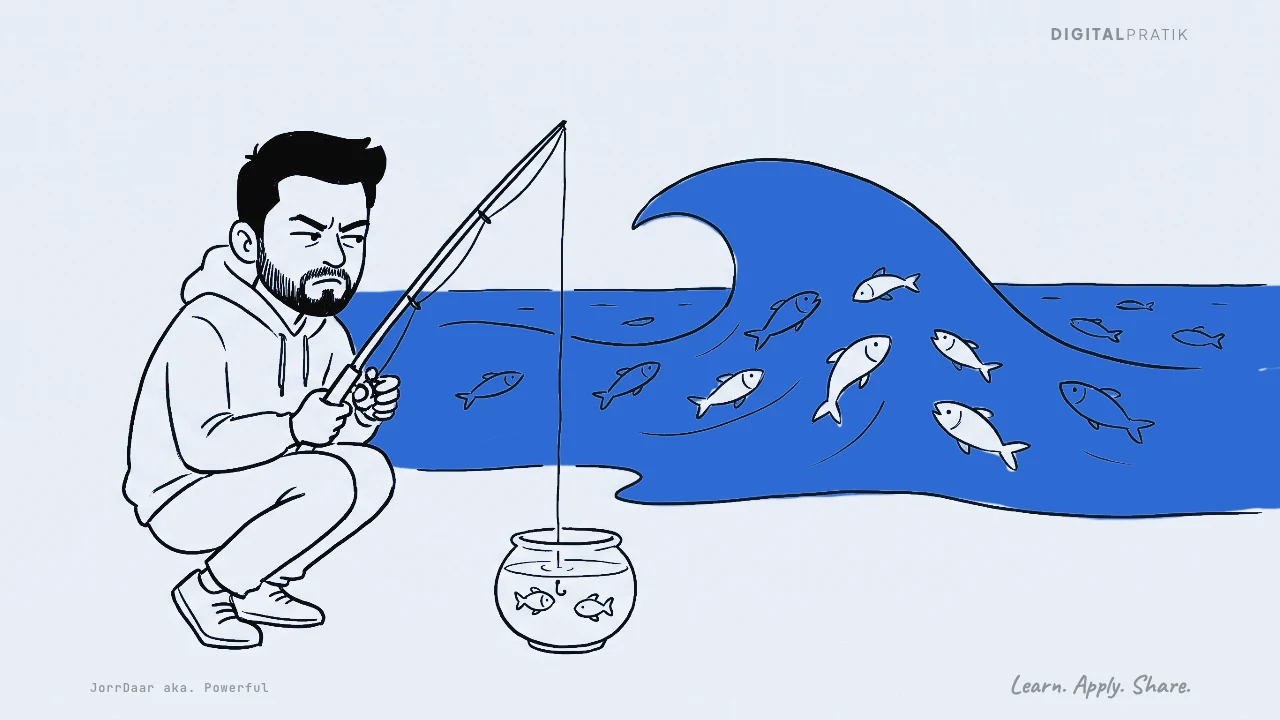
When every ad in the account is pitched at the most aware buyer, you are circling the same small pool over and over. Frequency climbs, cost climbs, results fall, and the fix looks like it should be a fresh creative.
It is not.
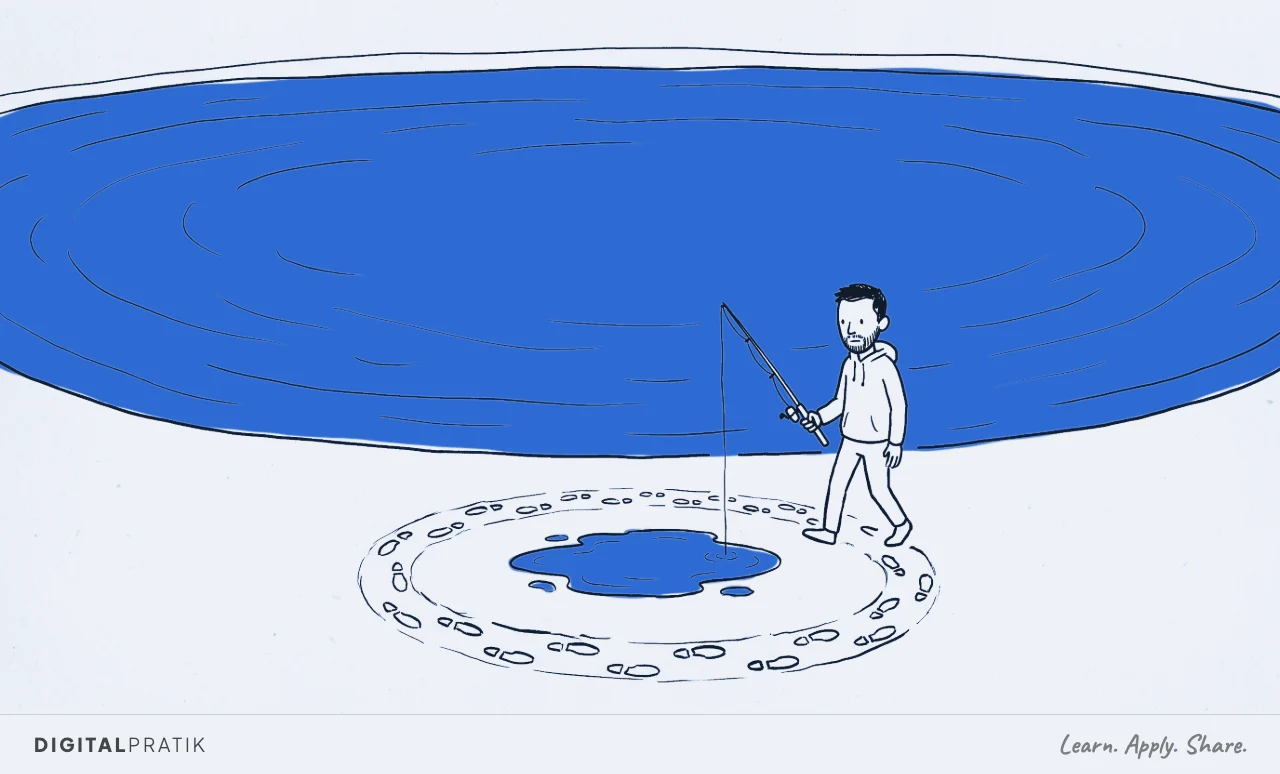
The fix is messaging pitched at the unaware and problem aware levels, because that messaging reaches people who have never encountered you at all. That is a different pool, not a different picture.
A fresh creative for the same bottom of funnel audience buys you a few days. A new ad written at the unaware level opens a room you have never been in.
There is a second thing hiding in that untapped pool, and it catches people out. Someone in there might have the problem, but be the wrong role for your current messaging.
The consumer and customer distinction. The person who feels the pain is not always the person who signs.
If your messaging is written for the signer and the pain sits with the user, you are reachable and still invisible. Naming the right role is part of the angle, not an afterthought.
What ad angle actually fits each awareness level?
An angle is not a hook. A hook is the first line.
An angle is the argument the whole ad is making, and the argument has to match what the buyer has already accepted. Here is the mapping I use, level by level.
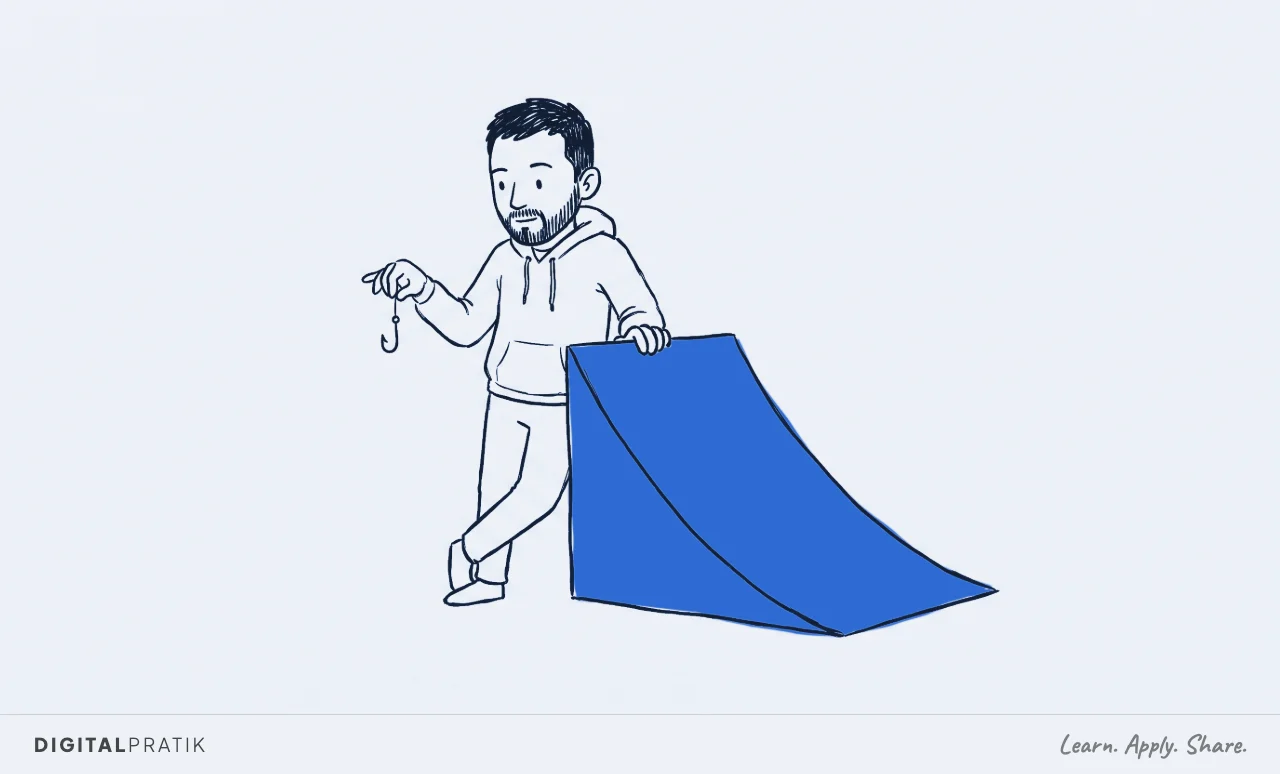
- Unaware, name the pattern. Do not sell, do not even mention the category. Describe a situation they are living in so precisely that they stop and think, that is me. Ads are not just for selling, they are also for building awareness. This ad's only job is to hand someone a label for something they have felt and never named.
- Problem aware, put a cost on it. They already feel it. Your job is to show what it is quietly costing, and that other people have this exact same thing. The turn at the end is that this is solvable, which is the sentence that promotes them to the next level.
- Solution aware, show the mechanic. They know solutions exist. Show how yours works, not how good it is. The mechanic is what separates you from a category. This is where a real example does more than any claim.
- Product aware, remove the doubt. They know you. Now handle the specific thing stopping them. Proof, process, what happens after they say yes, who this is not for.
- Most aware, make the offer and the reason. Terms, next step, and a real reason to move now. Short. No education. This is the ad you already have.
Why do three sequenced ads beat nine random ones?
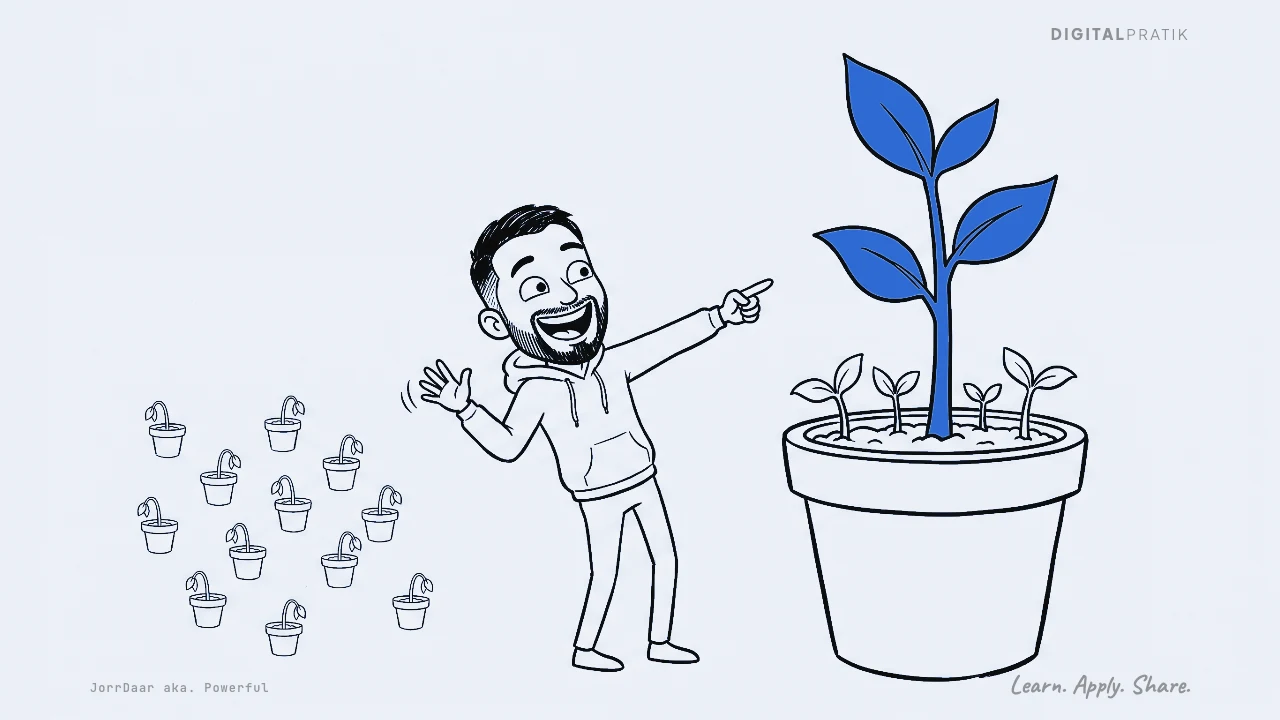
Because a sequence compounds and a pile does not. Three ads sequenced across unaware, solution aware and most aware do three separate jobs, and each one delivers a warmer audience to the next.
The unaware ad creates a pool of people who now recognise the problem. The solution aware ad meets those same people and shows them the mechanic.
The most aware ad closes people who have been through both. Every impression at the top makes the impression at the bottom cheaper, because the person seeing your offer has already accepted the two things the offer assumes.
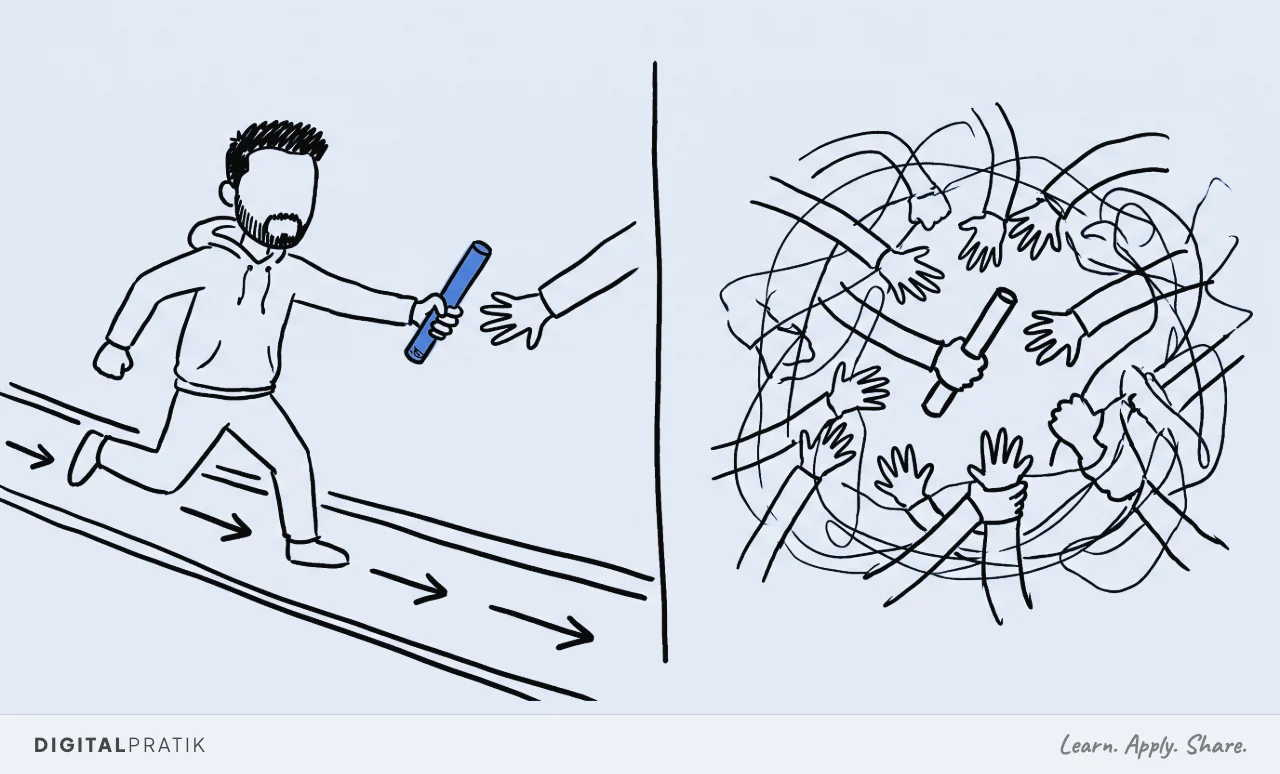
Nine ads all pitched at the bottom do not compound. They compete.
They share one small audience, they fatigue together, and they teach you nothing about which argument is working, because they are all making the same argument. You end up optimising colours.
If you only have budget for three ads, run one at unaware or problem aware, one at solution aware, and one at most aware. Three levels, three arguments, one path.
Do not run three variations of the same level and call it a test.
How do you test ad creative properly without burning the budget?
Run several contextual angles at once and give the test about ten days before you judge it. Not three days, not until it feels bad.
Then read the signal in cost per result by angle. For a local service business that means cost per appointment, per angle, not blended account ROAS.
Blended numbers hide the exact thing you are trying to learn.
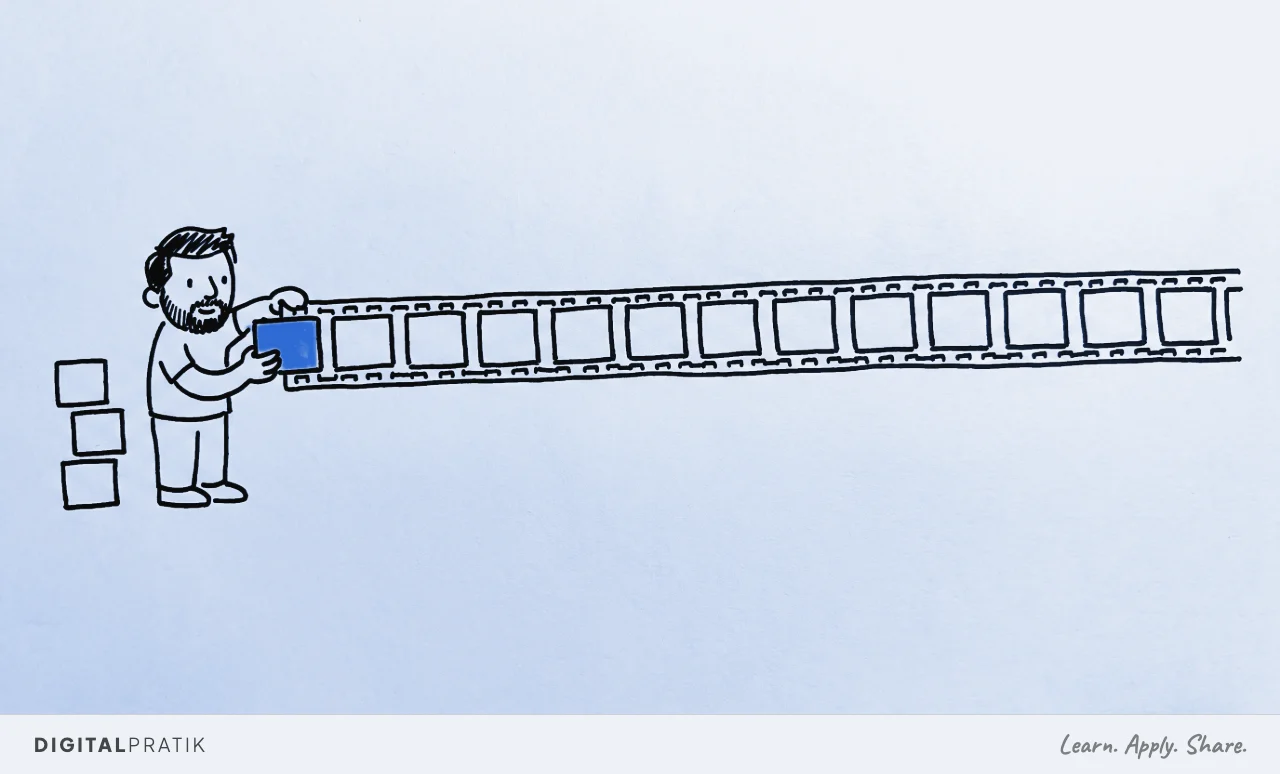
The reason people cannot afford to test properly is that they think a new test means a whole new ad. It does not.
In the structure I use now, the opening story is real and real time, taken from an actual call that week, and the body of the ad, the part that is common for everyone, is recorded once. So a new cohort costs one new 5 to 7 second opening, not a new ad.
That is what makes testing cheap enough to actually do. You can run several angles at the same real cost as one.
The opening story has to be real. Never fabricated.
On call, the co-founder of a hospitality insurance provider who had this specific problem. On call, the MD of a Dubai based company.
Then the on screen framing that names the room: service business owners in the UAE. Real detail is what makes the unaware buyer stop, and fabricated detail is what makes the whole ad collapse the moment someone asks about it.
Reading about a system and running one are different jobs. If you are a founder doing $50k a month or more, this is what a working session looks like.
What do you do with the winning angle after ten days?
You hand it to the organic side. This is the loop most people never close.
When the signal says one angle is pulling, that is a validated message, and validated messages are too valuable to leave inside the ad account. Go test more variations of that angle organically.
The organic tests produce new hooks and new angles, helped by per slide carousel data, and the organic winners go back into ads. Then it becomes an infinite loop.
Neither side is guessing, because each side feeds the other.
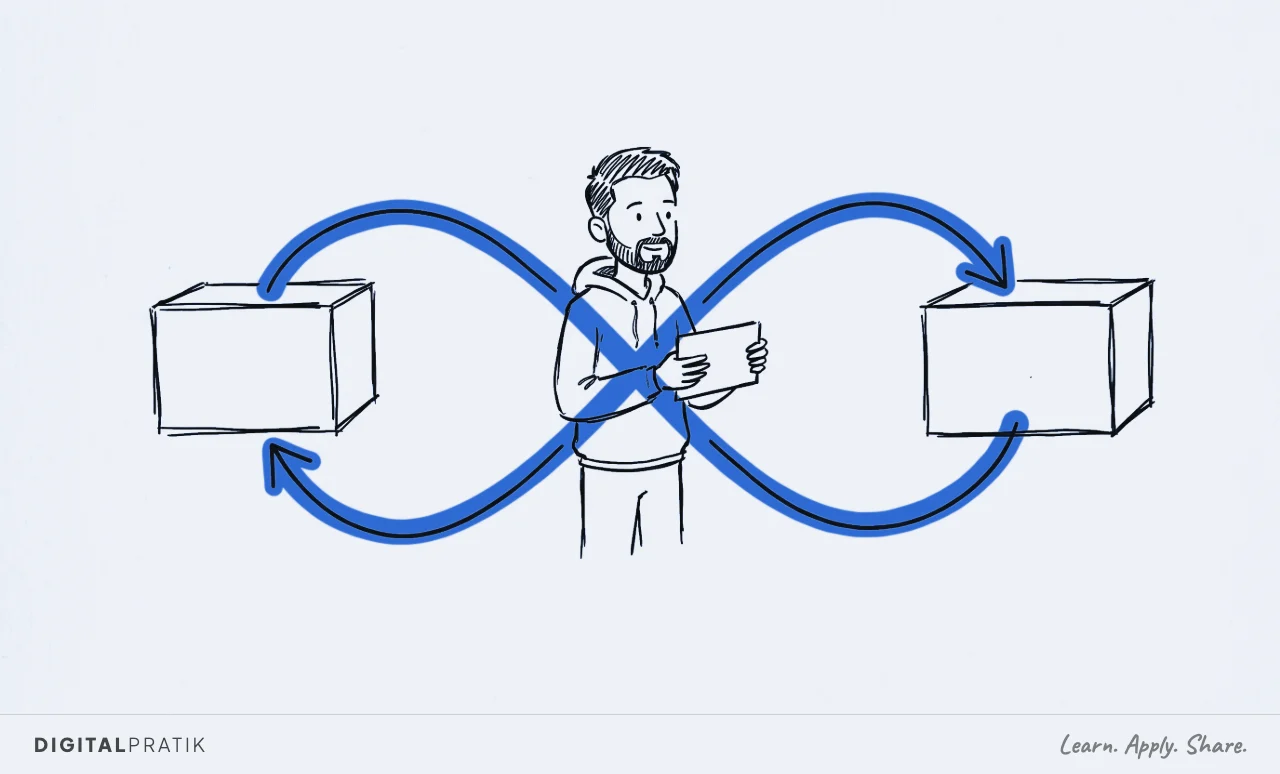
I have seen this run on a live local service account, where the read was cost per appointment by angle, the winner went organic, and the organic variations came back as new ad angles. The point is not any one number.
The point is that ads and organic stop being two departments that ignore each other.
Where do cohorts and consumer segments fit into this?
Awareness levels tell you what argument to make. Cohorts tell you who to make it to.
You build them on top of each other. Based on market awareness levels and sophistication stages, you then build ten to twenty new consumer segments around specific pain points, desires, outcomes and lifestyle.
A segment is not a demographic, it is a person with a described life. Health conscious millennial parents, twenty five to forty, yoga, organic food.
That is a cohort you can write an opening line for.
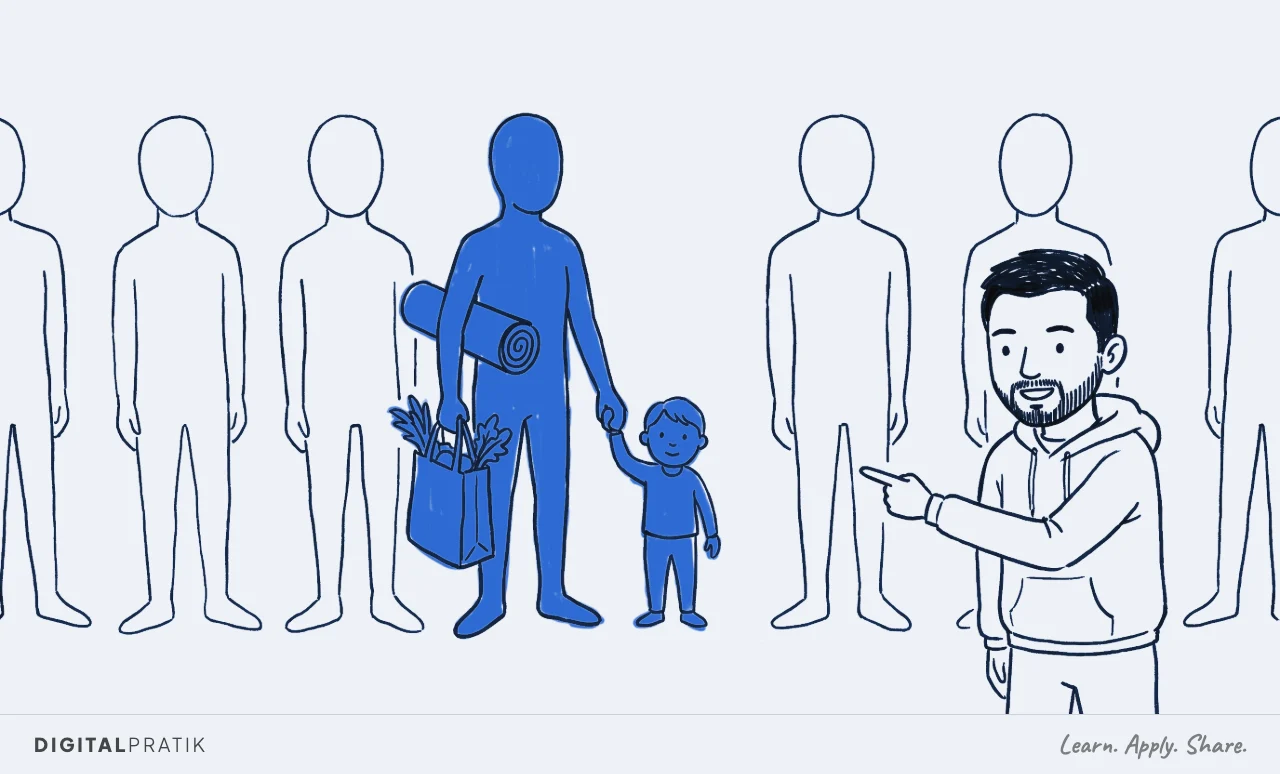
And this is exactly why the sequencing matters more than the targeting. The same cohort needs a different ad at each level.
Twenty cohorts times one bottom of funnel message is still one message. Three cohorts times three levels is nine genuinely different arguments, and you will learn something from every one of them.
Where does retargeting actually belong in the sequence?
Retargeting belongs at levels four and five, and nowhere else. It is the closing half of the sequence, never the whole thing.
My own pattern has always been branding first, then leads, then retarget the leads. Branding, branding, branding, get them into something free and useful, and only then run the retargeting layer at the people who raised a hand.
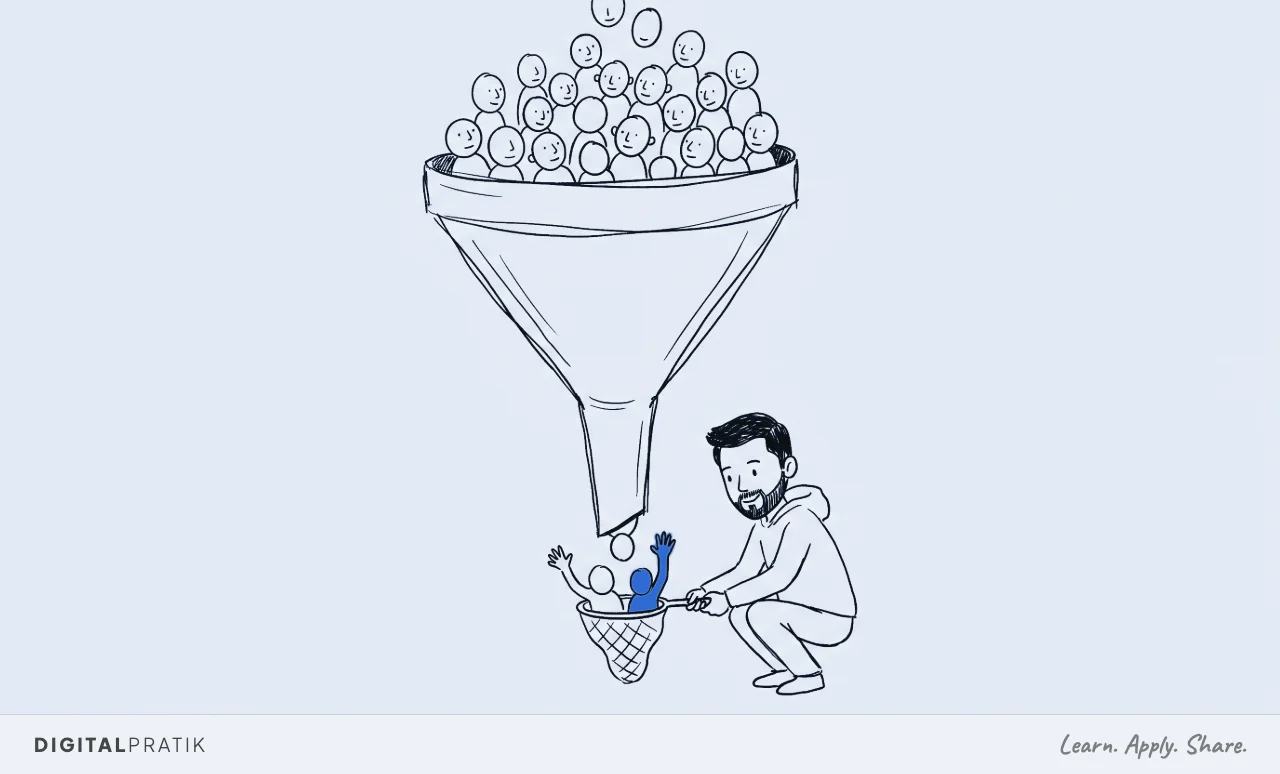
When retargeting is your entire strategy, you are re-selling the same small pool, which is the fatigue problem wearing a different name. Retargeting has nothing to work with if nothing above it is running.
It is a multiplier on the top of the funnel, not a replacement for it.
What does a three ad sequence look like for a real service business?
Say you sell an operations service to business owners. Ad one, unaware: a real thirty second open about a founder on a call last week describing their week, and the specific quiet chaos in it, with no offer at all.
Ad two, solution aware: here is the mechanic, here is what gets automated, here is what the owner sees on Monday morning instead. Ad three, most aware: the offer, what happens on the call, the reason to move now.
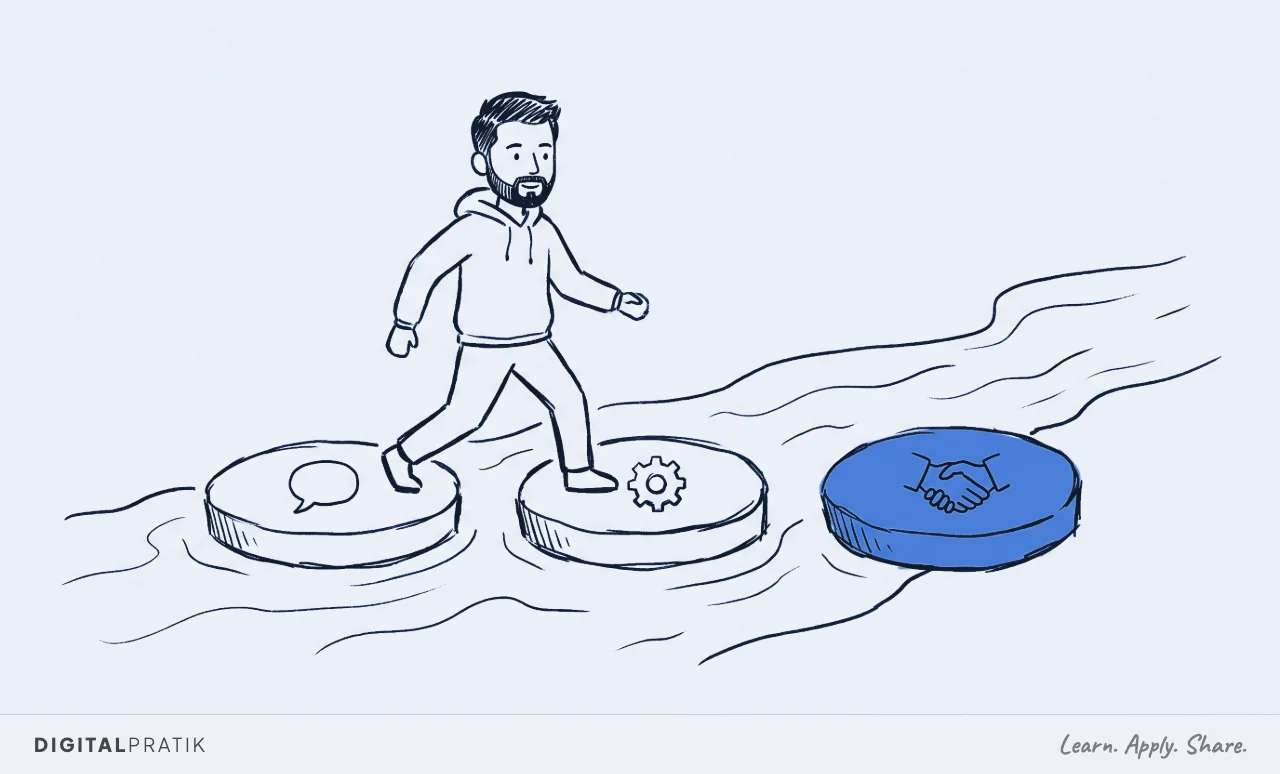
Three ads. One path.
Then you read cost per result per angle after about ten days, keep the angle that pulls, swap the 5 to 7 second opening to test a new cohort, and hand the winning angle to organic. That is the whole system.
It is not more work than what you are doing now. It is the same work in the right order.
If you want this built and run properly for your business, that is exactly what I do, and you can work with me on it.
So is it the platform, the creative, or you?
It is almost never the platform. It is rarely the creative in the way people mean it.
It is the sequence, and the sequence is entirely in your control. Five levels, five arguments, and a buyer who can only move one step at a time.
Build ads for the steps, not just the finish line. That is the difference between an account that fatigues in three weeks and one that keeps opening new rooms.
Digital Pratik
Frequently asked questions
The five levels are unaware, problem aware, solution aware, product or brand aware, and most aware. Unaware means the person does not know they have a problem at all. Problem aware means they feel the pain but do not know a solution exists, solution aware means they know solutions exist but not that yours does, product aware means they know you specifically, and most aware means they are ready and just need the offer plus a reason to move now.
In most accounts the ads are all pitched at the same level, the bottom of the funnel, so they only speak to the one buyer out of five who is already ready. The other four levels scroll past because the ad asks them to skip steps they have not taken. The fix is not a fresh creative for the same audience, it is adding messaging written at the unaware and problem aware levels, which reaches people who have never encountered you at all.
Give a test about ten days before you judge it, and read the signal as cost per result by angle rather than blended account numbers. For a local service business that means cost per appointment for each angle separately, so you can see which argument is actually pulling. Judging at three days tells you about the algorithm's learning phase, not about your message.
The number one reason ads fatigue quickly is funnel concentration, meaning every ad in the account is a bottom of funnel ad. That circles the same small pool of already-ready buyers over and over, so frequency climbs and results fall no matter how many new creatives you make. Adding unaware and problem aware messaging opens a different pool entirely, which is a coverage fix rather than a creative fix.
Structure the ad so the body, the part that is common to everyone, is recorded once, and only the opening 5 to 7 second story changes per cohort. Then a new test costs one short new opening instead of a whole new ad, which makes running several angles at once genuinely affordable. The opening story must be real and taken from an actual call that week, never fabricated, because real specific detail is what makes an unaware buyer stop scrolling.
Install this in your business
An article gives you the map. A working session gives you the system, built around what you actually sell and who actually buys it.