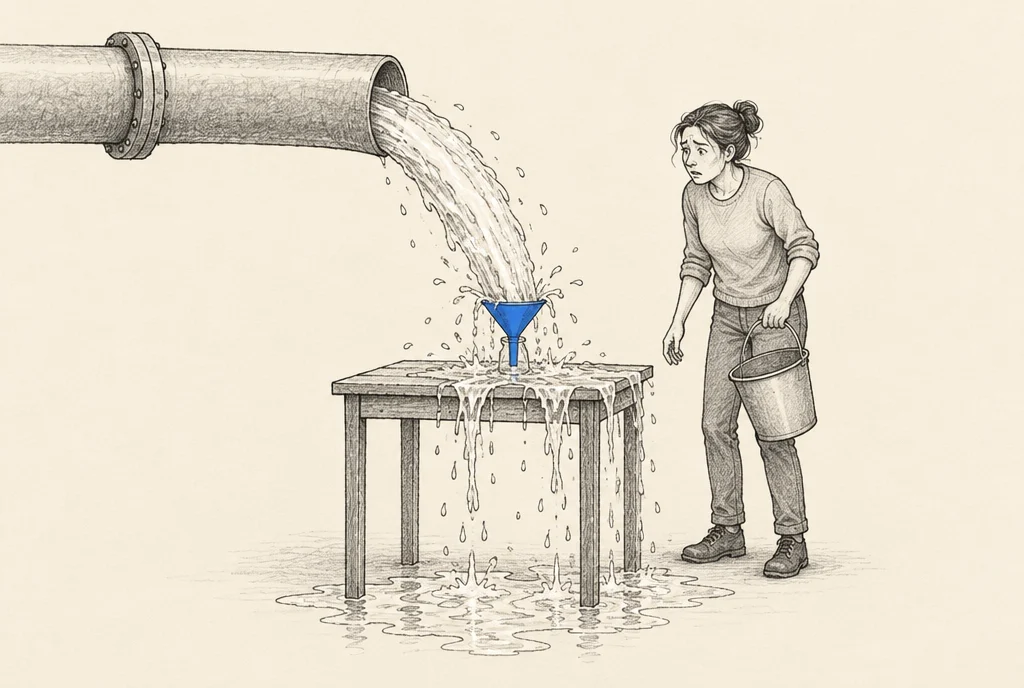
Your ads only talk to people who are ready. That is 1 buyer out of 5.
Most of the people who could pay you do not know they have the problem yet. Your ads have to meet them there.Most buyers do not know they have the problem yet. Your ad has to meet them there.

- The 5 stages are unaware, problem aware, solution aware, product aware and most aware.
- Most service businesses run ads only at the bottom 2 stages, fighting over a tiny slice of the market.
- The unaware and problem aware groups are the biggest, and almost no competitor speaks to them.
- Ad fatigue is usually not a money problem. The message is pitched at the wrong stage.
- Growth comes from going up the ladder, not spending more on the same warm audience.
In this article
Here is what I see in almost every service business running Meta ads. The campaigns are built for people who already want what they sell. Website visitors. Lookalikes of past buyers. Page followers.
The ads work for 3 weeks. Then they slow down. Then I hear that the algorithm changed, or Meta got expensive. It is neither. The problem is which slice of the market the ads talk to.
Speak only to people who already know they want your service and you are fighting over a small, costly group that runs out. A much bigger game sits right next to it, and almost nobody is playing it.
01The 5 stages every buyer stands in
Every person who could pay you is standing in 1 of 5 places right now. This is the backbone of everything I teach about writing ads. Hooks, testing, ad fatigue, retargeting, all of it sits on these 5 stages.
Where a buyer can be standing
- 01Unaware
They do not know they have a problem. The pain is there, but it has no name yet, and they are not searching.
- 02Problem aware
They feel it. Something is off. But they do not know a service like yours exists, so they are not looking.
- 03Solution aware
They know help exists. They have heard of the category. They have not heard of you.
- 04Product aware
They know you. They have seen your site, your content, or your name.
- 05Most aware
They are ready. They just need the right offer and a reason to move now.
Your job is to work out where a person is standing and write for that spot, not the one you wish they were in.
An ad does not fail because it looks bad. It fails because it is talking to the wrong stage.
02Where most service businesses actually run their ads
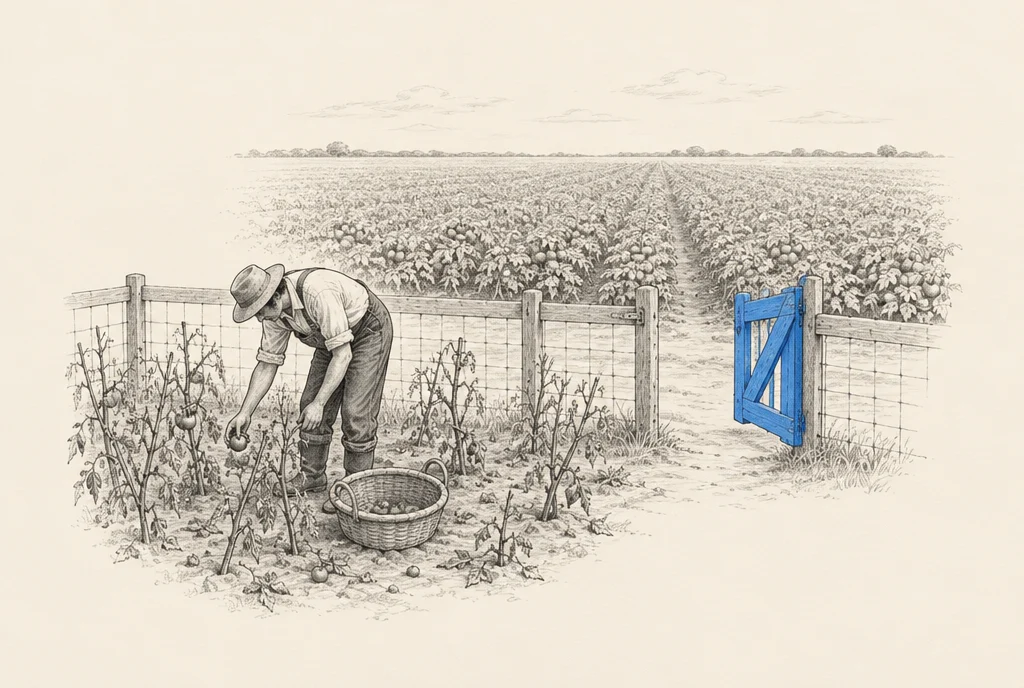
The honest answer is stages 4 and 5. Retargeting lists, warm audiences, site visitors, page followers. They convert well, because the buyer already knows you. They are also tiny. That is not growing. That is harvesting.
Picking the last fruit, or growing new
People who know you
People who do not know you
Small and fixed
The biggest part of the market
Cost per lead climbs
New people keep coming in
Shrinks as you use it
Grows on its own
A harvest
A pipeline
Once that warm group is used up, the numbers look bad and the algorithm gets the blame. The algorithm is fine. You ran out of ready buyers, with nothing bringing cold ones in from the top. Retargeting is not a strategy. It is a closer, and it only works because someone did the heavy lifting earlier.
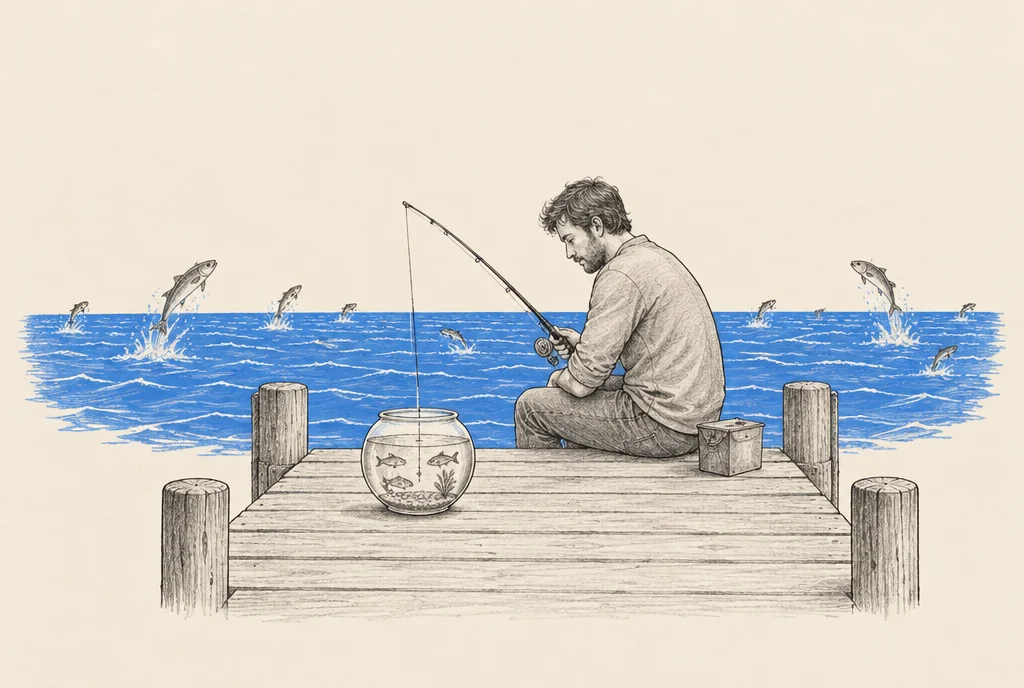
The unaware and problem aware groups are always the biggest part of any market. Their life looks exactly like the life that needs your service, and they have not joined the dots yet. They are not on Google. They are not clicking your competitor. They are scrolling. That is Meta's real edge over search. On search, a person has to be looking. On Meta, you can reach someone who is not looking yet, if the first line is right.
03Write for the stage, not for the sale
Writing for the stage means 1 ad for 1 stage, not for everybody at once. A line written for a ready buyer confuses a person who does not know they have a problem. They think, this is not about me. Not because they would not gain from it. Because the ad assumed they knew something they do not know.
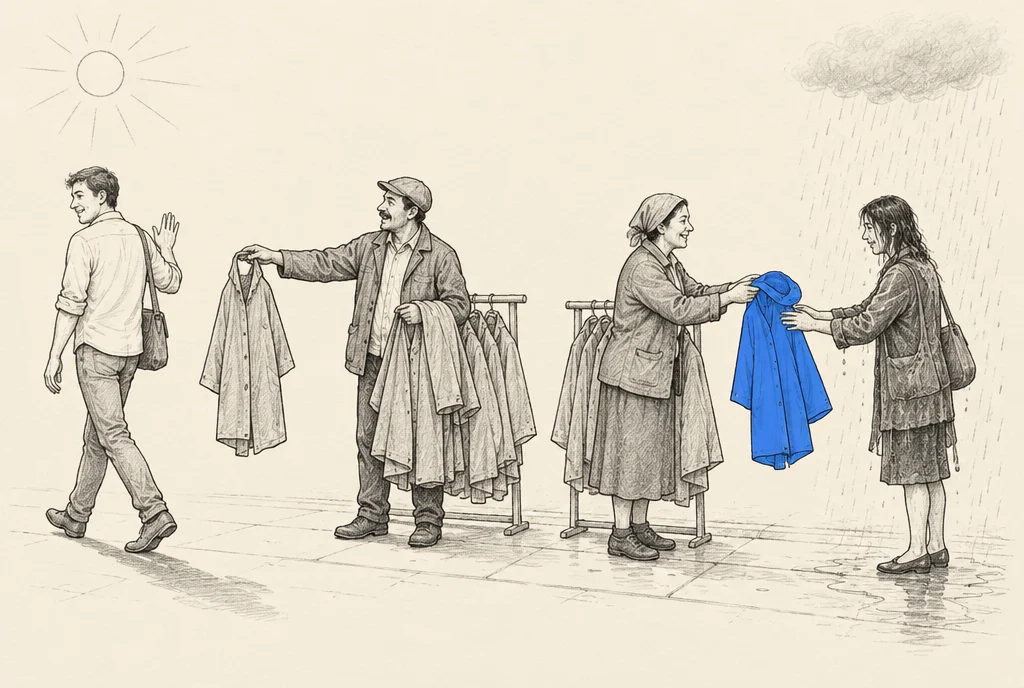
Never lead with the solution for a person who does not know they have the problem.
The further left a person stands, the softer your ask has to be. The first line has to make them say, wait, that is me, before they care what you sell. It is the hardest ad to write and the most valuable one in the account.
3 ways to open for someone who is unaware
- 01Call out who they are
Name the person, not the problem. If you run a service business in Dubai stops the right person without naming what you sell.
- 02Describe the day, not the pain
Show what they put up with and accept as normal. Let them join the dots themselves.
- 03Give them a new idea
Say something framed in a way they have not heard before. Curious beats clear at this stage.
In our agency playbook we call this emotion baiting. The first line creates a feeling before it explains anything. Curious. Seen. A little uncomfortable. The sense of missing something. That feeling stops the scroll. A line that only describes what you do is not a hook, it is a heading, and a heading rarely wins on a cold audience.
04Name the pain first, then name the way out
A problem aware person knows something is wrong. They have not gone looking for help, because they do not know help exists in your shape. So name exactly what they are living with, clearly enough that they feel understood.
If you open with book a call with our agency, they are not ready. They do not know yet why a call is the answer. Spend the first lines on recognition and ask later. Recognition first, offer second, keeps a problem aware person reading.
A solution aware person has already looked around. They tried ads themselves, or hired someone and got average work. They know help exists. They are not convinced yours is different. So give your way of working a name, and show why what they tried before was not wrong, only half the job. That is when you stop being another option and become a different thing.
From Dubai, with JorrDaar, I do not sell hours. I build an AiOS, a command center where the owner sees their own business, a company brain that remembers how the business works, assistants in Telegram for the small jobs, and STORM for content, so the owner talks once and gets a month of posts. That is a named way of working, and it is why a solution aware buyer reads instead of comparing prices.
05Why your ads die faster than they should
Ad fatigue usually gets blamed on frequency. Show the same ad to the same person too many times and they stop reacting. True. But there is a second reason nobody talks about. Run ads only at the bottom 2 stages and that small group sees you again and again within days. Frequency climbs fast, results fall.
Adding unaware and problem aware ads does 2 things. It opens a much bigger audience, and it puts your name in front of people before they are in buying mode, so your warm list grows while the cold ads run.
1 live ad for every stage
- Something is running for people who do not know they have the problem.
- Something is running that names the pain and asks for nothing.
- Your way of working has a name, and 1 ad explains it.
- Your retargeting is the closer, not the whole account.
Running the cold side well also makes you easier to find later. People meet your name long before they need you, so when they start looking you are already someone they know. And the looking has moved. People now ask a chatbot who to hire, and the names that come back are the ones whose work is out in the open.
06Your 5 ad map, 1 for each stage
You do not need a complicated campaign setup. You need a map where no stage is left empty. Write 1 ad for each stage. 5 ads. That is it.
What each of the 5 ads does
- 011 of 5, unaware
An identity hook. Lead with who they are, not what they need. No service mention in the first 2 lines.
- 022 of 5, problem aware
A pain hook. Name the exact thing they live with, and show you understand before you offer anything.
- 033 of 5, solution aware
A new idea hook. Name your way of working and show why what they tried was only half the job.
- 044 of 5, product aware
A difference hook. Say plainly how your way differs from the others they are looking at.
- 055 of 5, most aware
An offer hook. Give them a reason to move now. Call to action and outcome live only here.
Test the first lines before anything else, because the first line decides whether the right person stops. Once you know which openings hold people, build the body and the offer for each stage, run all 5, and watch which stage brings work at what cost.
Open your ad account and write each live ad next to 1 of the 5 stages. The empty rows are your next ads.
07Questions, answered
What are the 5 stages of market awareness?
Unaware, problem aware, solution aware, product aware and most aware. It is a way to decide what to say to a person, based on how much they already know, not just a funnel picture.
Which stage should a service business start with?
Start with the one that is empty. For most accounts that is unaware and problem aware, because everything already running is built for people who know you.
Why do my Meta ads stop working after a few weeks?
Usually because the group you talk to is small and has already seen the ad many times. The other reason is a message pitched at a stage the viewer is not standing in.
How many ads do I need to cover all 5 stages?
5 to begin with, 1 per stage. Test the opening lines first, then build the body and offer behind the ones people stop for.
Is retargeting still worth running?
Yes, as the closer. It converts the people your cold ads brought in. On its own it is a harvest with nothing growing behind it.
If you want me to go through your account and your messages stage by stage, book a consulting call and we will do it together.

Digital PratikA 37 year old, smiling, practical Gujarati, a Kathiyawadi businessman. Founder of JorrDaar LLC, Dubai.