
The Five Things to Research Before You Make Any Ad
 Digital PratikGrowth Marketing Consultant
 Five, and all of them are research rather than creative decisions.
The top pain points in your buyer's own words.
Their mass desires.
The benefits they get if they buy.
Which awareness level they are at.
And how sophisticated your market already is.
If your ads are not converting, this is almost always the part that was skipped.
I know how this sounds. Do market research before you write ads.
Groundbreaking. But I keep coming back to it because it is genuinely the gap, and because everyone nods at it and then goes straight to writing hooks anyway.
One: pain points
The top three to ten pains your buyer actually feels, written the way they would say it.
That last part is the whole thing. A physio does not write "reduced lumbar mobility".
The patient says "I cannot pick up my kid without thinking about it first". A consultant does not write "operational inefficiency".
The founder says "everything still comes through me and I cannot take a week off".
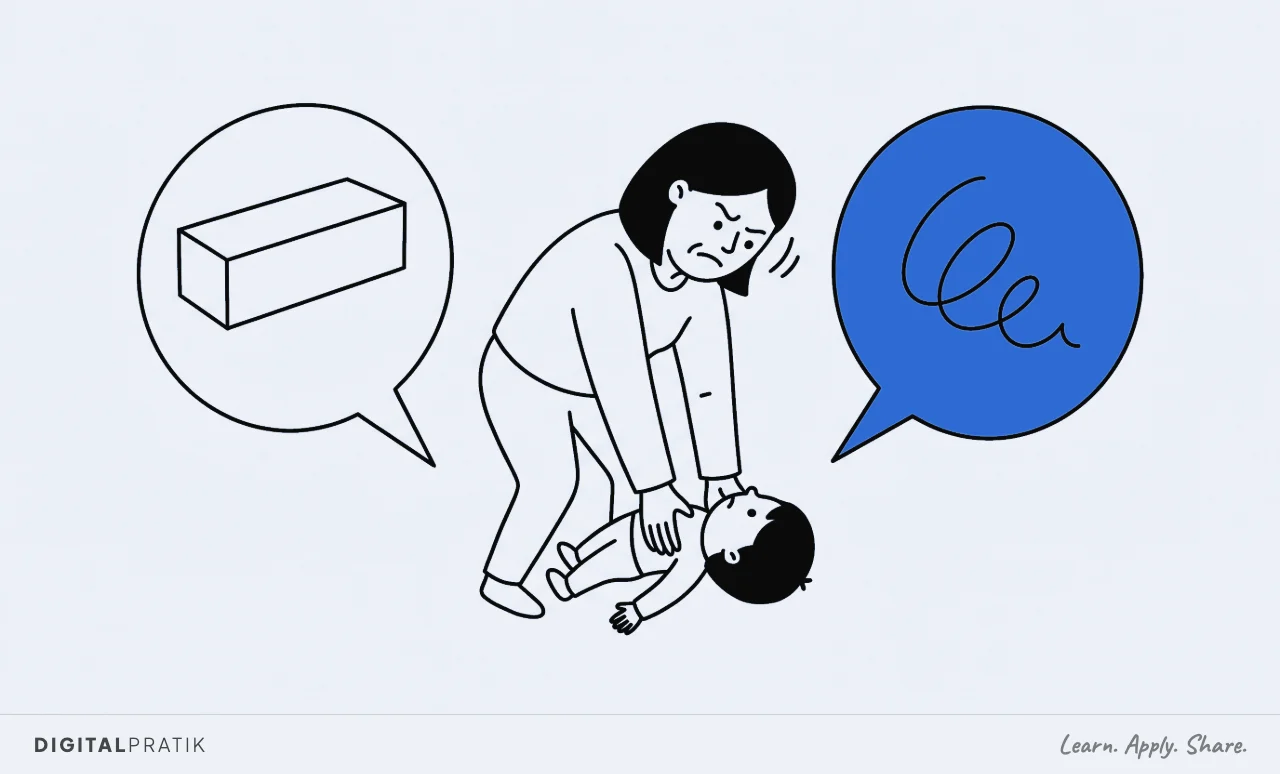
Your category words are precise and they do not convert, because nobody recognises their own life in them.
Two: mass desires
The top three to ten things they actively want. Not the absence of pain, the presence of something.
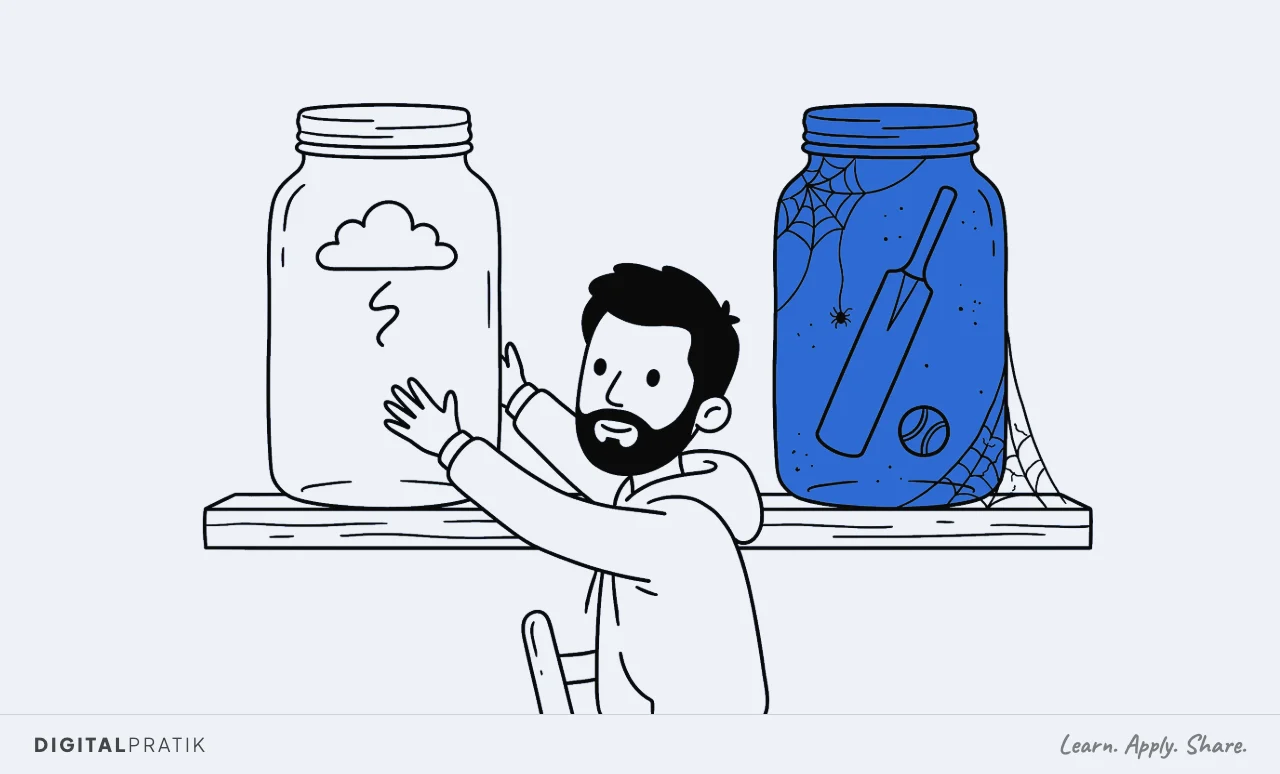
These are genuinely different. The pain is "my back hurts at 3pm".
The desire is "I want to play cricket on Sunday without paying for it on Monday". You can address one and completely miss the other, and most ads only ever address pain because pain is easier to name.
Three: benefits and outcomes
What they actually get if they buy. What changes on the Tuesday after.
Keep this separate from features and separate from your process. Nobody buys the process.
They buy what is true about their life afterwards, and the more concretely you can describe that specific Tuesday, the less convincing you have to do.
Reading about a system and running one are different jobs. If your business does AED 10 million a year or more, this is what a working session looks like.
Four: market awareness level
Which of the five levels the person is at: unaware, problem aware, solution aware, brand aware, or most aware.
This decides what you are allowed to say. An offer aimed at someone who does not yet know they have a problem is not a bad offer, it is an offer arriving three steps too early.
The full breakdown is in the awareness levels article.
Five: market sophistication
How tired your market already is of the promise you are about to make.
If everyone in your category has been saying the same thing for five years, the plain claim is dead on arrival and you need a mechanism. If you are genuinely first, the plain claim works and anything clever is wasted effort.
Same offer, completely different messaging, decided entirely by how much the audience has already heard. That is the sophistication article.
| Research input | What it decides | |
|---|---|---|
| 1 | Pain points | The opening line |
| 2 | Mass desires | What you promise |
| 3 | Benefits | What you prove |
| 4 | Awareness level | How much you are allowed to assume |
| 5 | Sophistication | How hard you have to work to stand out |
Where to actually get this
Not a keyword tool, and not a workshop with sticky notes. From conversations that already happened.
- The first message every prospect ever sent you. Before your framing got involved. This is the single richest source and it is sitting in your inbox.
- Sales call recordings. With consent. Mine the phrasing, not the summary.
- Client group chats. People describe problems casually there in a way they never do on a form.
- Reviews, yours and your competitors'. People explain their situation before they deliver a verdict.
- Comments that start with "this is so me". That is a pain point announcing itself.
What the five actually produce
People treat this as a mindset exercise. It is not, it has an output, and the output has a size.
| Input | What you should end up with |
|---|---|
| Pain points | 3 to 10, in their words |
| Mass desires | 3 to 10, in their words |
| Benefits and outcomes | 3 to 10, concrete |
| Awareness level | 1 decision per cohort |
| Sophistication stage | 1 decision per market |
Take the middle of those ranges and you finish with roughly twenty lines and two decisions. That is the whole deliverable.
It fits on one page and it feeds every ad you write for the next quarter.
Now compare that against the alternative. Without those twenty lines you write from imagination, and the way you find out you were wrong is by spending money.
A week of research against a month of budget is not a close call, and yet the research is the part that gets skipped, because it does not feel like progress.
One more thing the count gives you. If you sit down to list ten pains and you dry up at three, that is the finding.
It means you have been talking about your customers rather than to them, and no amount of creative will fix a page with three lines on it.
The customer and the consumer are not the same person
One distinction that sits underneath all five and quietly wrecks research when it is missed.
Think about nappies. The consumer is the baby.
The customer is the parent. The baby does not shop, does not know the product exists, and cannot be marketed to at all.
Everything you write is for the parent, even though the baby is the one using it.
It applies more often than people expect. I am not a customer for a lapel microphone, because I have one and my voice carries.
But I could be a consumer for one, because my team runs workshops and not everyone projects. Different role, different pain, different ad.
Get that wrong and your five research inputs are all correct about the wrong person. There is more on this in the consumer and customer article.
How long it takes
A focused day, honestly. Half a day reading old messages and calls, half a day organising what you found.
People skip it because it does not feel like progress. Nothing ships.
There is no ad at the end of it. But every ad you write afterwards is faster to write and better before it launches, which is a much better trade than it sounds when you are staring at a blank brief.
Frequently asked questions
Five things: the top pain points in your buyer's own words, their mass desires, the benefits they get if they buy, which awareness level they are at, and how sophisticated your market already is. All five are research outputs rather than creative decisions.
A pain is the absence of something bad, a desire is the presence of something good. "My back hurts by 3pm" is a pain. "I want to play cricket on Sunday without paying for it on Monday" is a desire. Most ads only address pain because pain is easier to name, and miss the desire entirely.
The first message every prospect ever sent you, before your framing got involved. Then sales call recordings, client group chats, reviews and comments that start with "this is so me". Keep a running file of exact phrases rather than summaries.
The consumer uses the product, the customer buys it, and they are frequently different people. With nappies the baby is the consumer and the parent is the customer, so all the marketing is for the parent. Getting this wrong means your research is accurate about the wrong person.
About a focused day: half reading old messages and calls, half organising what you found. People skip it because nothing ships at the end of it, but every ad written afterwards is faster to produce and better before it launches.
Install this in your business
An article gives you the map. A working session gives you the system, built around what you actually sell and who actually buys it.