The same person needs a different ad at 9pm. At 8pm they were at dinner.
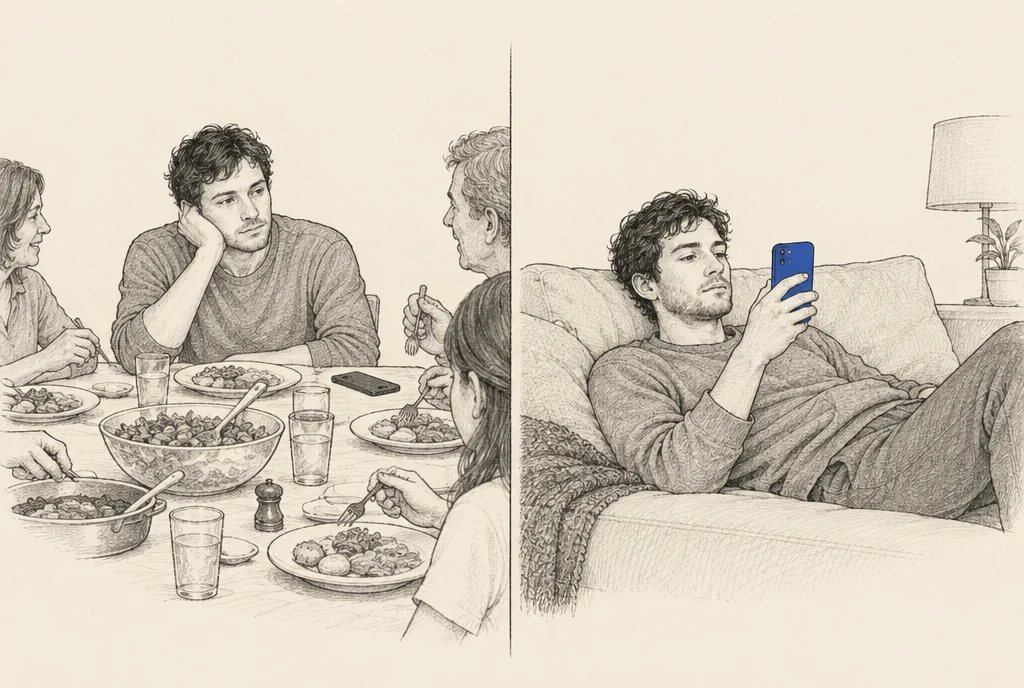
Your buyer at 8pm is at dinner with family. The same buyer at 9pm is on the sofa with the phone. Same ad, different person.Your buyer at 8pm is at dinner. At 9pm they are on the sofa with the phone. Same ad, different person.

- You are never writing for a demographic. You are writing for 1 person, at 1 level of knowing you, at 1 moment of their day.
- All 3 of those move, and the demographic is the one that moves the least.
- Every time somebody sees you, they move up a level. The ad that was right the 1st time is rude by the 4th.
- There is no setting for people who are ready right now. So you cover the moments instead of targeting them.
- Start at 6 messages. 2 kinds of buyer you really understand, 3 levels each.
In this article
When people say know your audience, most owners picture a demographic. 35 to 45 years old, business owner, lives in a city, earns this much. That is a description of a type of human. It is almost useless the moment you sit down to write an actual ad.
What you are really writing for is 1 person, at 1 level of knowing you, at 1 moment of their day. And all 3 of those keep moving.
The same human being who sees your ad at 8pm over dinner is not the same audience as that person at 9pm on the sofa. And somebody seeing you for the 4th time is standing somewhere completely different from where they stood the 1st time.
013 things move, not 1
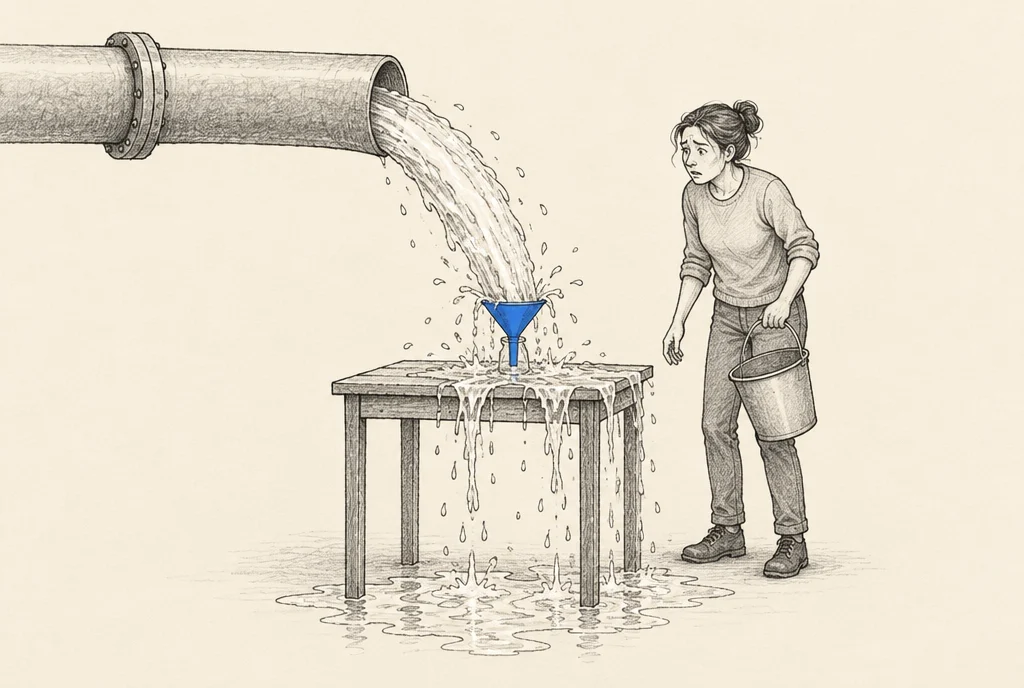
Here is the problem with targeting settings. They only hold the 1 thing that barely changes, and they hold nothing about the 2 things that change all the time.
The 3 things behind every ad you write
- 01Who they are
Their role, their stage, their situation. This one is fairly steady.
- 02What they already know
How much they know about the problem and about you. This moves every single time they see you.
- 03What state they are in right now
Tired, rushed, calm, curious. This moves hour to hour.
Think about a room at an event I run. Everybody in that room has spent the day doing something completely different. 1 came straight out of a client mess. 1 had a quiet morning and a slow lunch. 1 is still half thinking about something at home. Same room, same demographic, completely different willingness to listen to me.
Same room, same demographic, 5 completely different days behind them.
That is your feed, at every hour of every day. The 1 thing that decides whether your ad works is the 1 thing no settings panel has ever been able to hold.
02The 8pm and 9pm problem
Somebody seeing your ad at 8pm might be eating with family, or out with friends, or driving home. The same person at 9pm, sitting on the sofa with the phone in hand, is a different person toward exactly the same words.
You cannot pick which of those 2 moments you catch. What you can stop doing is writing every ad as if it is being read by somebody sitting at a desk with a notepad, ready to judge a business offer.
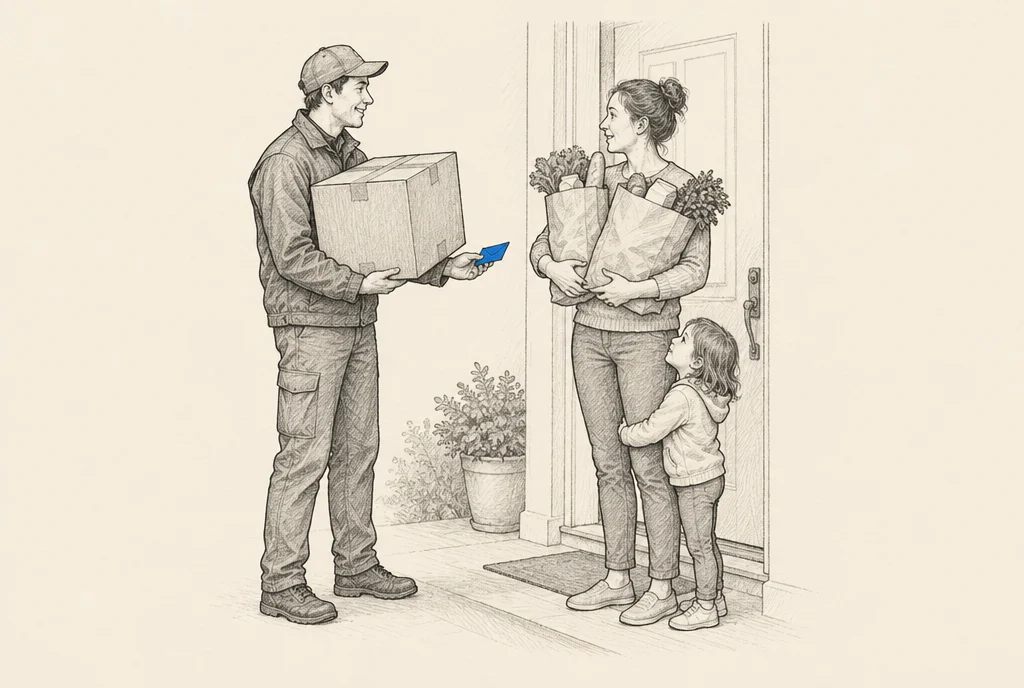
An ad that needs full attention only works on the few times somebody had full attention going spare. An ad that lands in 1 line works across far more of those moments. That is not making your ad stupid. It is just counting.
So the test on any ad is not is this clever. The test is would this still land on somebody holding a baby in 1 arm.
03Every time they see you, they move
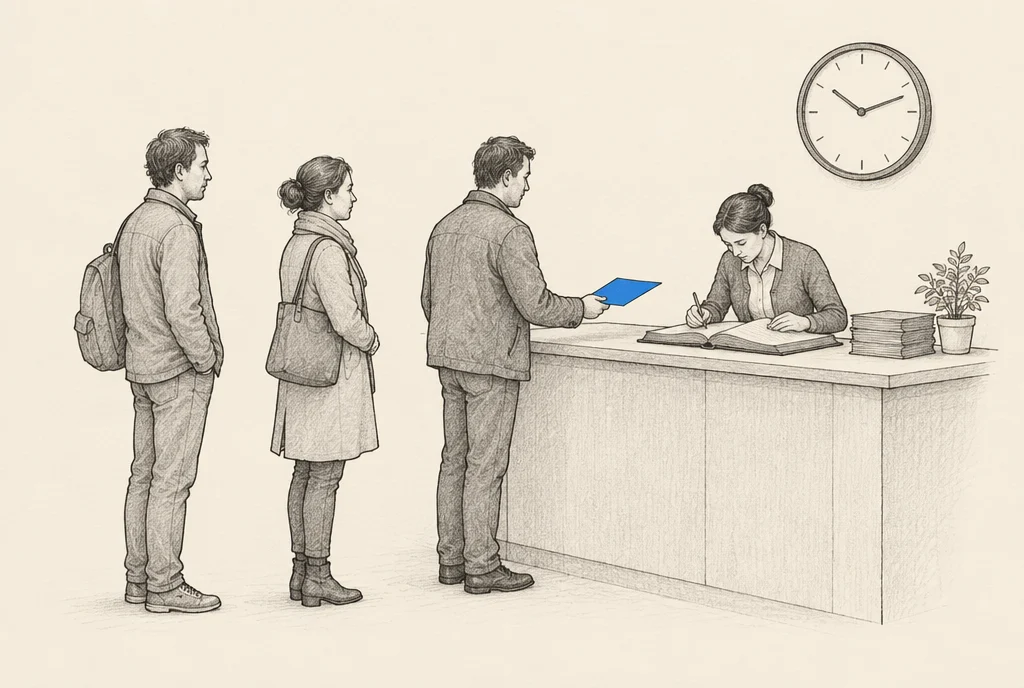
This is the part most people miss. Each time somebody runs into you, they shift. The 1st time, they may know they have a problem and have never heard your name. By the 4th time, they know roughly what the fix looks like and they know who you are. Same person, 1 month apart.
Which means the ad that was exactly right the 1st time is now talking down to them. You are explaining the problem to somebody who has already decided the problem is real and is now checking whether you are any good.
So the real question is not which level is this group at. It is which level are they at given how many times they have already seen me. I cover the 5 levels of knowing properly in a separate article, and this sits right on top of it.
In 2026 there is 1 more place that moving happens, and most owners are not counting it. People now ask a chatbot who to hire before they ever open your page, so the 1st encounter can happen with you not in the room at all. I wrote about that in people now ask a chatbot who to hire, and the same rule holds. Somebody who arrives after an AI answer already knows more than somebody who found you cold.
3 moments, 3 different ads
1st time ever, distracted
1 line that names their problem
3rd time, a bit curious
Why your way is different
Actively looking, focused
Proof first, then the offer
04You cannot target a moment, so write for one
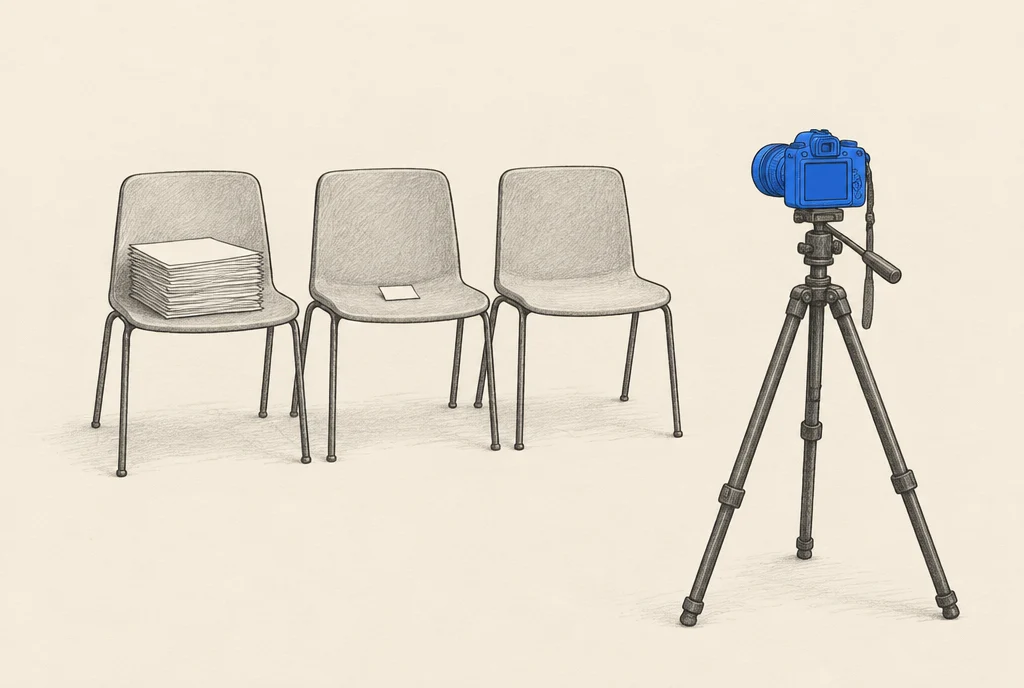
There is no setting called people who are ready right now. There never will be. Which is fine, because the answer here was never targeting. The answer is cover.
Run enough different messages, at enough different levels, that whoever is ready tonight finds the 1 that fits where they are. That is the honest reason to make a lot of ads, and it is a much better reason than the usual one about people getting bored of seeing the same thing.

You are not making 15 ads so people do not get bored. You are making 15 because 15 different states of mind scroll past you tonight.
Being found is not 1 perfect ad waiting at the right door. It is you standing at enough doors that the person who is ready walks into you.
05How many versions this actually means
If 3 things move on their own, the number of situations is not 3. It is all of them multiplied. That sounds impossible to manage until you actually count it.
Say you have 5 kinds of buyer, and each kind can show up at any of the 5 levels of knowing you. That is 25 combinations, before you have thought about mood or time of day at all. Nobody is making 25 ads. Nobody should.
What you actually build
5 buyers x 5 levels = 25
Nobody does this
5 buyers x 3 levels
15, and 12 of them are 1 line changed
2 buyers x 3 levels
6
The practical number is manageable because you are not building 15 ads. You are building 1 body and changing the opening for each combination. That is the whole reason to build your ads in blocks instead of writing each one from scratch.
You can also drop 2 of the 5 levels early on. The people who already know exactly what they want need almost no work from you, because they buy on a plain offer. So the real spread is the 3 in the middle, and that is where the 15 comes from.
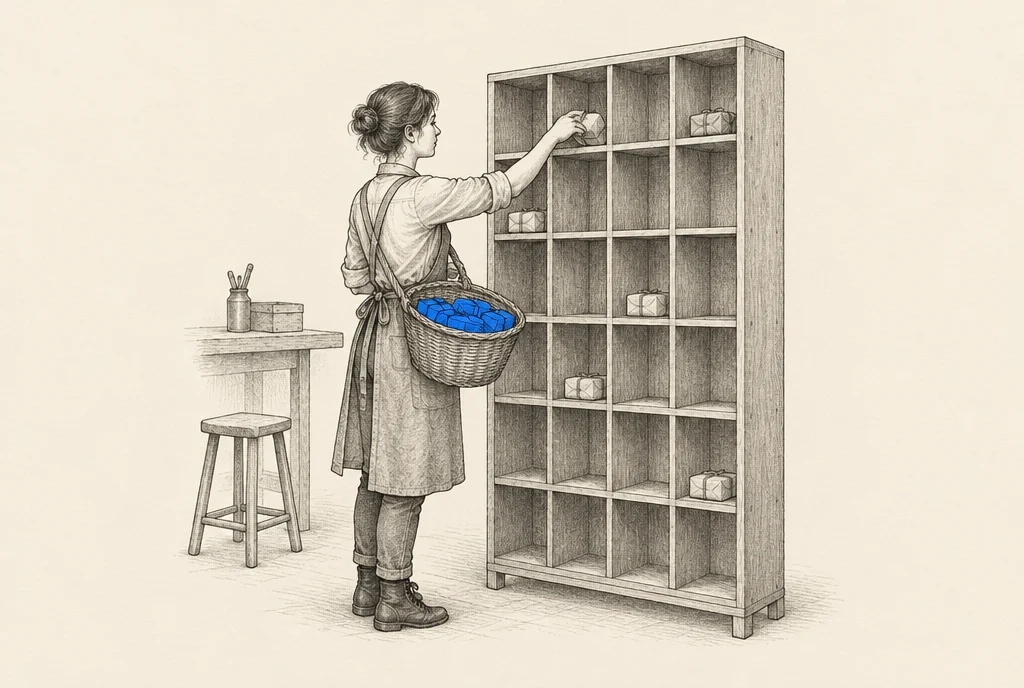
So start at 6. 2 kinds of buyer you genuinely understand, 3 levels each. That is about 2 weeks of work and it will teach you more than a year of rewriting the same 1 ad. This is also the part a command center earns its keep on. The company brain holds who your buyers are and what each level needs, and the Telegram assistant writes the opening for each one off that, so the 15 versions stop being 15 fresh writing jobs.
06The assumption that ruins most ads
The default mistake is to write as if the person watching already knows you and already has the problem. Both of those, at the same time, in every single ad.
Say you sell a microphone. This is our new model, buy it. This is the black one, our latest, buy it. Listen to that sound quality, buy it. Every one of those assumes they know your brand and already feel they need a better microphone.
Most people scrolling have neither. They are not being rude when they scroll past. Nobody spoke to them. They were never addressed.
How to use this without overthinking it
- Before you write anything, ask what this person already knows and what state they are probably in. Not their age. What they know.
- Make sure your account holds messages for people at different distances from you, not 15 versions aimed at the same spot.
- Treat 15 versions of 1 message as what it is. The same ad in different clothes, meeting exactly 1 moment.
- Judge every line by whether it still works on somebody who is half paying attention.
Pick the 2 kinds of buyer you understand best, write 3 openings each for how much they know about you, and run those 6.
07Questions, answered
What is contextual messaging in plain words?
It means writing for the moment somebody sees you, not just for who they are. The same person is ready at 1 hour and not at another, so the ad has to fit the moment it lands in.
Why does the same person need a different ad at 9pm?
At 8pm they may be at dinner with no attention to give. At 9pm they are on the sofa with the phone and can actually take something in. Same human, different willingness to listen.
How many ad versions do I really need?
In theory 5 kinds of buyer across 5 levels is 25, and nobody builds that. In practice 5 buyers across the 3 middle levels is 15, and 12 of those are 1 line changed. Starting out, 6 is enough.
Can I just target people who are ready to buy?
No. There is no setting for people who are ready right now. You cover the moments instead, by running enough different messages that whoever is ready tonight finds the 1 that fits them.
Is 15 versions of the same ad the same thing as cover?
No. 15 versions of 1 message is the same ad in different clothes, and it meets 1 moment. Cover means messages for people at different distances from you.
If you want me to look at what your account is actually saying and to which moments, book a consultation with Digital Pratik and we will map your 6 to start with.

Digital PratikA 37 year old, smiling, practical Gujarati, a Kathiyawadi businessman. Founder of JorrDaar LLC, Dubai.