Your ad is written for the wrong person. That is why nobody calls.
The person who uses your work is often not the person who pays for it. Most ads are written for only one of them.The one who uses your work is often not the one who pays. Most ads speak to only one of them.

- The consumer uses it. The customer pays for it. Often 2 different people.
- Babies use nappies. Parents buy them. So every nappy ad is written for the parent.
- Correct research aimed at the wrong person is worse than vague research.
- In a service business it is almost always 2 people, sometimes 3.
- Aim the ad at whoever decides. Aim the delivery at whoever uses it.
In this article
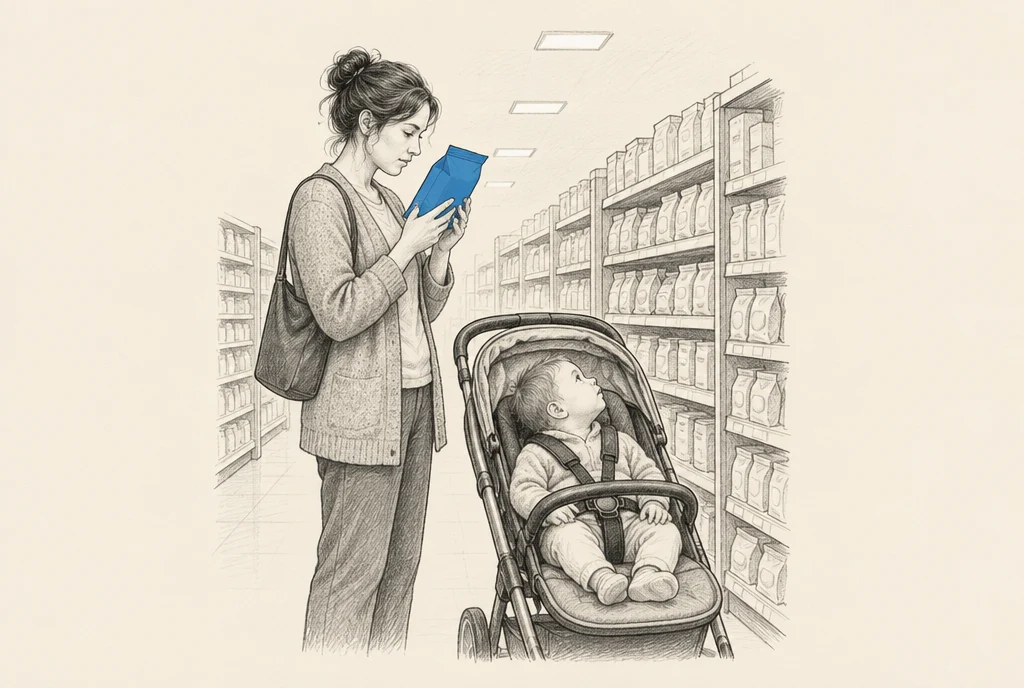
Think about a pack of nappies for a minute. The baby uses it. The baby does not pay for it, does not know it is a product, and cannot be sold anything at all. The parent pays. So every word on that pack is written for the parent.
That is the whole idea, and it is small enough to miss. The consumer uses the thing. The customer pays for it. They are often not the same person. It is easy to see with nappies. It is very hard to see in your own business, because in your head you have quietly squeezed both of them into 1 imaginary buyer.
This mix up ruins a lot of marketing, and it never makes a sound while it does it. Your research can be correct. Your words can be real words that real people said. And the whole thing can still be pointed at a person who was never going to pay you.
01The baby uses it. The parent pays for it.
Who is the consumer of a nappy? The baby. Who is the customer? The parent. The baby cannot be marketed to in any way. A baby does not shop, does not know the product exists as a product, and the only feedback a baby gives you is crying.
So every single piece of that market belongs to the parent. The packaging. The ad. The promise. The price. There is no second audience to worry about, so nobody in that business gets this wrong.
The baby uses it. The parent pays for it. All the marketing belongs to the parent.
Obvious with nappies. Much less obvious with your own work, where the person who will live with what you build and the person who signs for it have slowly become 1 person in your head. Nobody decided that. It just happens, because it is easier to picture 1 buyer than 2.
Which of the 2 are you writing for?
- You can name the person who will use what you sell, every day.
- You can name the person who signs off the money.
- You know which of the 2 your last ad was written for.
- If they really are the same person, you have written that down, not assumed it.
02The microphone that caught me out
Here is the version that got me. A lapel microphone. Am I a customer for one? No. I already have one, and my voice carries well enough in a room that I often do not bother wearing it.
But could I be a consumer for one? Yes, easily. My team runs workshops, and not everyone on the team projects the way I do. So I might end up paying for a microphone I will never wear myself. And nothing in an ad written for "people who need better sound" speaks to my real situation, which is "somebody on my team cannot be heard at the back of the room".
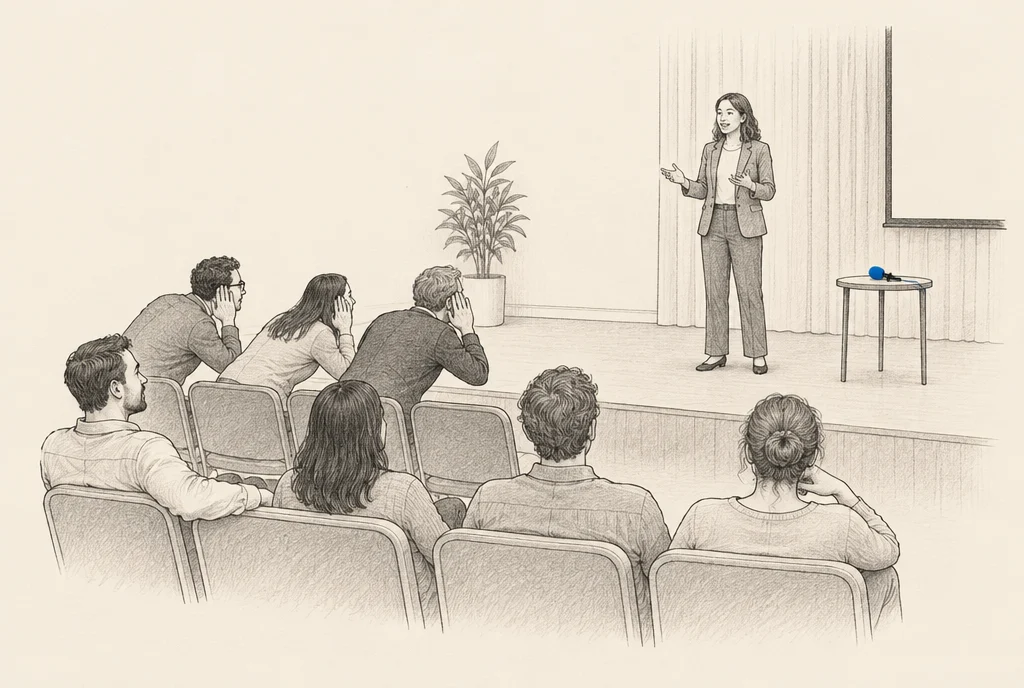
Different role, different pain, different ad. An ad about bass and treble reaches neither version of me.
And this is why it is dangerous and not just untidy. Correct research aimed at the wrong role gives you confidently wrong marketing. You have real pains, written in real words, pulled from real conversations. They are just the wrong person's pains. Every line reads well enough that nobody catches it for 3 months.
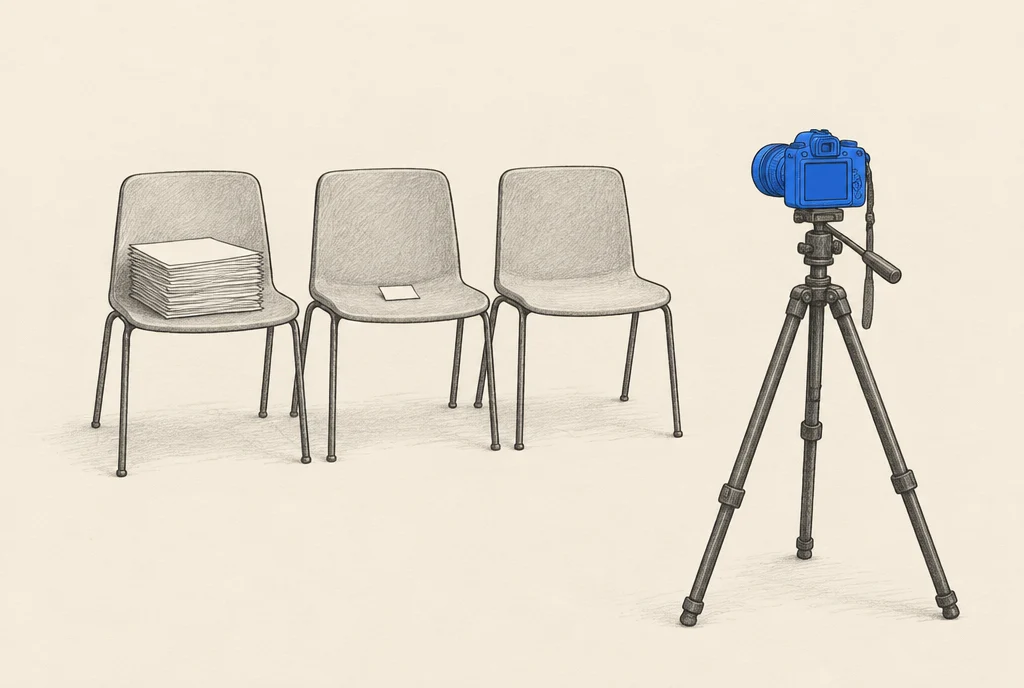
Every line true, every line well made, and all of it read out to an empty chair.
03In a service business it is almost always 2 people
The person who will use what you build is usually not the person who signs for it. An operations lead lives inside the system every day. A founder pays for it. They want genuinely different things, and they are scared of different things.
I watch this happen every week in the work we do. We put an AiOS command center and a few Telegram assistants into a company, and the company brain behind them. The owner signs because of a number they want to move. The team uses it every morning. If the team never opens it, the number never moves, and nobody blames the words that started the whole thing.
The same deal, 2 people
Uses it every day
Signs for it
Their day to get easier
A number to move
Learning something new
Wasting money and looking silly
Quietly not using it
Never signing
That bottom row is the expensive one. A customer who never signs is a lost deal you know about. A consumer who quietly does not use the thing is a client who leaves 6 months later, and by then you will blame something else.

04Write it on 1 sheet, 2 columns, 10 minutes
The fastest way to stop getting this wrong is to stop keeping it in your head. 1 sheet. 2 columns. 10 minutes. That is the whole job, and it is the step almost nobody does.
The same purchase, 2 people
Lives with the problem daily
Signs off the money
The problem, every day
What the problem costs
The day to get easier
The number to move
It works and it is no hassle
It pays back and it is not a risk
More work for me
I cannot justify it

Now count how many of your ads, pages and first messages talk to the right hand column. In most businesses the answer is nearly all of them, because the customer is the one holding the card and that is the person a founder pictures while writing.
That is the leak. The consumer is usually the one who raises your name inside the company. If nothing you have written makes their day sound easier, the conversation never even starts. You did not lose that deal on price. It never reached the person with the budget, because the person sitting next to them never brought it up. So give each of the 2 their own short thing to read, written for them, which is the same reason a thick document loses to 1 page a person actually reads.
What to do about it
- 01Write both down
Who uses this, who pays for this. If it truly is 1 person, say that out loud instead of assuming it.
- 02Research both
Pains, wants and benefits, separately for each one. They will not match, and the gap between them is the useful part.
- 03Split the aim
The ad goes to whoever decides. The delivery goes to whoever uses it. The ad wins the deal, and the experience keeps it.
05When the 2 of them want different things
Sometimes the person who signs wants something the person who uses it does not want. A founder buying automation that the team reads as a threat is the clearest example, and it is in front of me often.
Pretending that tension is not in the room does not remove it. It only moves it to month 3. If you know both people, you can handle it inside the sale instead of discovering it during a rollout that fails. And saying it openly tends to make the customer trust you more, not less.
So we say it out loud before we start. The owner gets the number. The team gets an hour of their morning back and nobody loses a job to a bot. If I cannot say both of those honestly, we are not ready to begin, and the same goes for the posts and videos we make under STORM. Some of them are for the person who signs. Some are for the person who has to live with it.
If only 1 of the 2 is happy, you have a client who leaves later.
06The 1 line test before you write anything
Before you write a single ad, page or first message, ask 1 question. Is the person reading this going to use it, pay for it, or both?
If you cannot answer that in 1 sentence, you are not ready to write yet. No amount of clever copy makes up for pointing at the wrong human, and the cleverer it is, the longer it takes anybody to notice.
And when a deal goes quiet, work out which of the 2 people went quiet first. The fix is completely different depending on the answer. The one who uses it needs an easier day. The one who pays needs a safer bet.
Take your 3 best ads or pages, and next to each one write which of the 2 people it is actually talking to. Then write 1 new asset for the column you have been ignoring.
07Questions, answered
What is the difference between a consumer and a customer?
The consumer uses the thing. The customer pays for it. Sometimes that is 1 person, and in a service business it is usually 2.
Should the ad talk to the buyer or the user?
Aim the ad at whoever decides, and aim the delivery at whoever uses it. The ad wins the deal and the experience keeps it.
Can someone be a consumer and never a customer?
Yes, and the opposite happens too. I might pay for a lapel microphone I will never wear myself, because somebody on my team needs it.
Is this only a B2B problem?
No, but B2B is where it costs the most. There it is almost always 2 people, sometimes 3, and they never want the same thing.
How do I know which of the 2 has gone quiet in a stalled deal?
Ask who raised your name inside the company and who has to sign. Then read what you sent, and see which of the 2 it was written for.
If you want me to look at who your words are actually pointed at, and what to say to each of the 2 people, book a consulting call and we will go through it together.

Digital PratikA 37 year old, smiling, practical Gujarati, a Kathiyawadi businessman. Founder of JorrDaar LLC, Dubai.