
Broad Targeting vs Detailed Targeting: What Changed and What to Do Now
 Digital PratikGrowth Marketing Consultant
 Broad targeting wins in almost every service business account now, because the delivery system predicts better from response data than from any audience you can build by hand.
Keep only the coarse settings: country, language, and an age band if your service genuinely has one.
Detailed targeting still earns its place in one narrow case, which is a genuinely tiny, verifiable audience where broad would waste most of your budget.
There is a version of this argument that is about ten years old and it used to have two reasonable sides. It does not any more, and I say that as someone who spent years building the elaborate audience structures I am now telling you to stop building.
What detailed targeting was actually for
In the old model, the platform had a weak signal about who would convert, so you supplied the hypothesis. You said: I think my buyer is a 35 to 45 year old who follows these three pages and has these two behaviours.
The system then found those people and you learned whether your hypothesis was right.
That was genuinely valuable, because your guess was often better than the machine's guess. It is not any more.
The machine's guess, once it has response data, is now considerably better than yours, and your hypothesis becomes a constraint on a better process.
The cost of narrowing, in practice
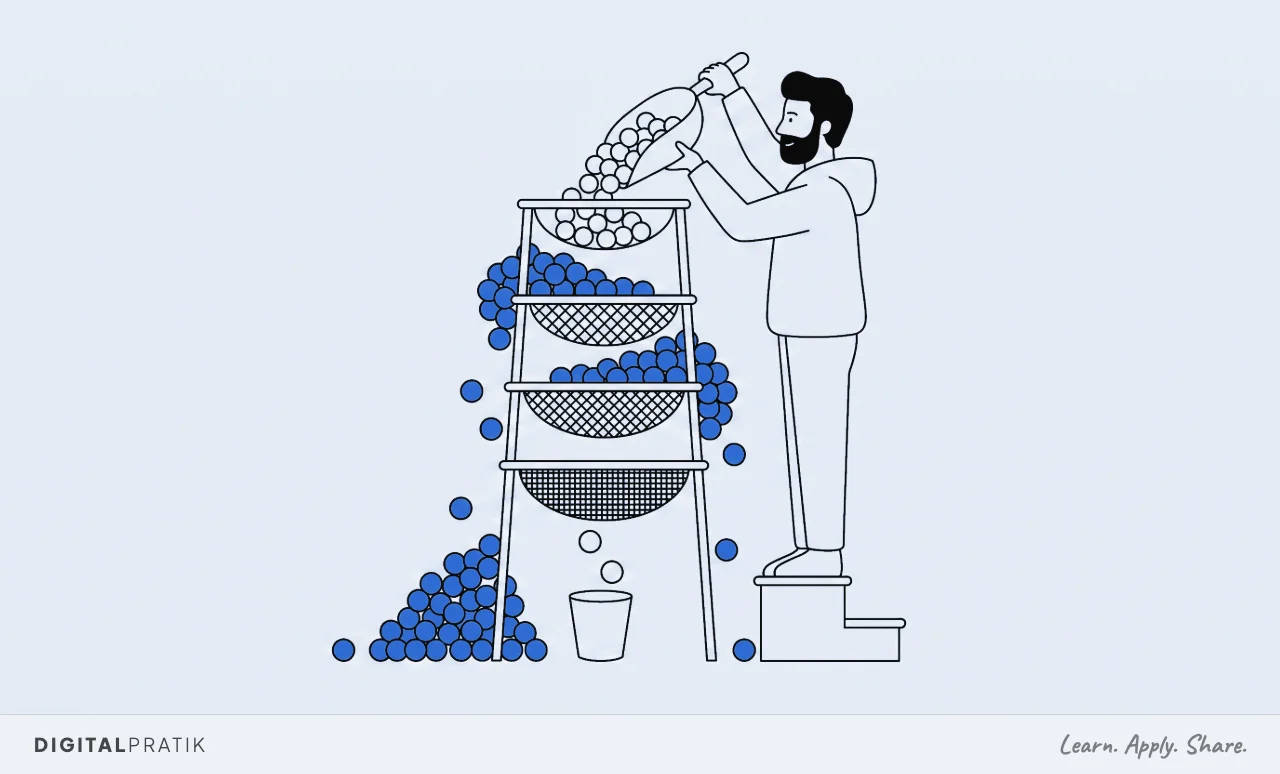
Every filter you add does two things. It removes people who would have converted but did not match your idea of the buyer.
And it shrinks the pool, which means you exhaust it faster and your frequency climbs.
On a large budget you might absorb that. On the budgets most service businesses run, narrowing is how you end up with an audience that has seen your ad eleven times by week three, wondering why performance collapsed.
The performance did not collapse. You ran out of people, and you did it on purpose.
What to actually keep
Three settings, and only where they are genuinely true.
- Country or region. If you deliver in person, this is real and non-negotiable. If you deliver remotely, keep it wider than feels comfortable.
- Language. If your creative is in one language, this matters.
- Age band, only if the service truly has one. A retirement planning service has a real age constraint. Most service businesses do not, and the age band they use is an assumption they have never tested.
Notice what is not on that list. No interests.
No behaviours. No stacked lookalikes.
No exclusions except the genuinely necessary ones, like excluding existing clients from an acquisition campaign.
So where does the targeting go?
Into the ad. This is the part that makes broad targeting work rather than just being cheaper laziness.
When your ad opens with "if you are a video editor using Premiere Pro", you have targeted video editors who use Premiere Pro through the sentence rather than the settings. Non-editors scroll past, which is a signal.
Editors stop, which is a stronger signal. Within days the system knows who this ad is for more precisely than any interest stack could describe.
Broad targeting without cohort-specific creative is genuinely worse than detailed targeting. Broad targeting with it is much better.
The two halves are not optional, which is why people who try broad and hate it usually only did half of it. I have written the full mechanism up in creative is the new targeting.
Reading about a system and running one are different jobs. If your business does AED 10 million a year or more, this is what a working session looks like.
The one case where narrow still wins
I want to be honest rather than absolutist, because there is a real exception.
If your total addressable audience is genuinely tiny and verifiable, narrow wins. Selling exclusively to licensed practitioners of a specific regulated profession in one small country, for example.
There the pool is small enough that broad would spend most of your budget reaching people who cannot legally buy, and no creative sentence will filter them efficiently enough.
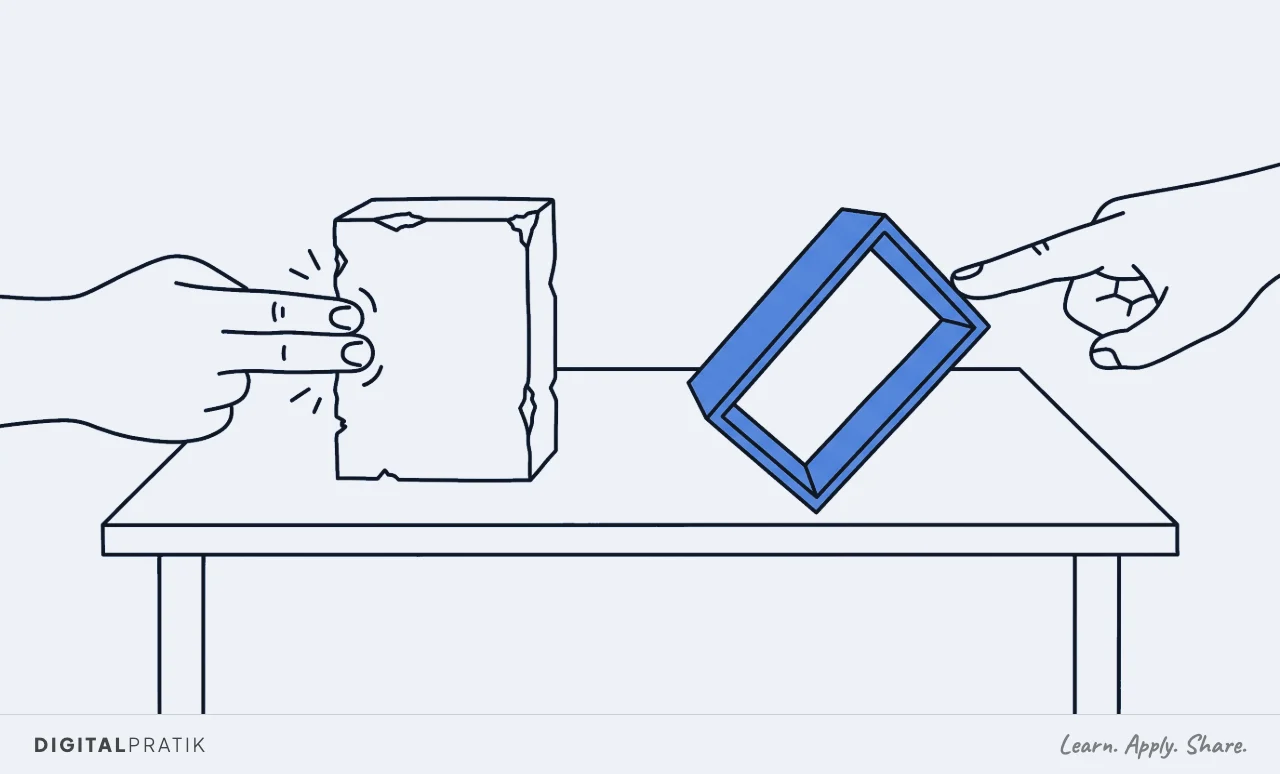
The test is whether the constraint is a fact or an assumption. "Only licensed practitioners can buy this" is a fact.
"My buyer is probably interested in entrepreneurship" is an assumption dressed as a fact, and that is the kind that costs you.
| Constraint | Verdict | |
|---|---|---|
| A | Must hold a specific professional licence | Fact. Narrow. |
| B | We only deliver in one city | Fact. Narrow geographically. |
| C | Probably follows business pages | Assumption. Drop it. |
| D | Probably aged 30 to 45 | Usually assumption. Test it. |
| E | Probably a small business owner | Assumption. Say it in the ad instead. |
What about lookalikes?
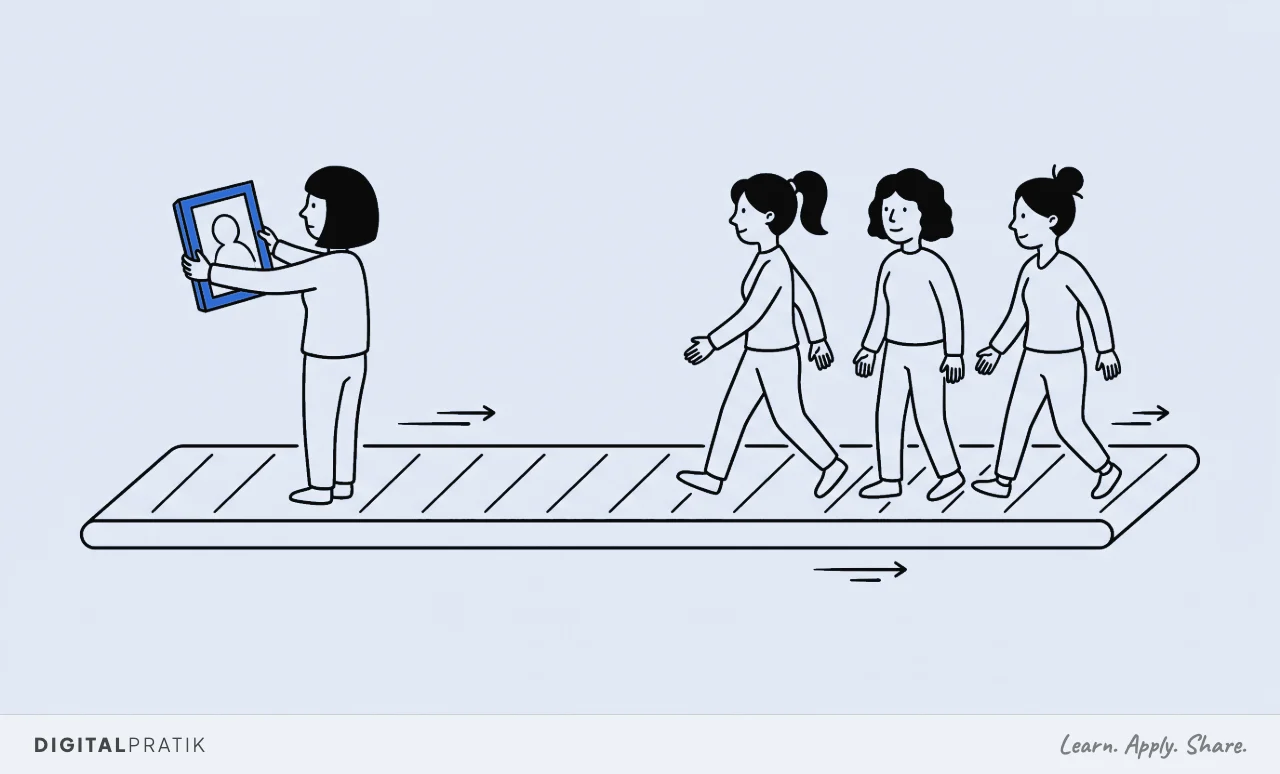
Lookalikes were a clever solution to a problem that has mostly gone away. They asked the platform to find people similar to your converters, which is exactly what the delivery system now does on its own from live response data, faster and with fresher information.
Building a lookalike from a source list is essentially freezing a snapshot of who converted historically and asking the system to keep looking backwards. Broad targeting lets it look at what is happening this week.
How to transition without panicking
If your account is currently built on detailed targeting and it is working, do not blow it up on a Monday morning because of an article.
- First, build the creative. Broad targeting with two generic ads will perform worse than what you have now. Get eight to fifteen cohort-specific creatives ready before you touch the audience.
- Run a parallel campaign. Broad, same budget scale, same offer, new creatives. Do not reallocate from the working one yet.
- Give it about ten days. Judge on cost per real outcome, not clicks.
- Shift budget on evidence. Your own evidence, from your own account.
The summary
Stop describing your buyer to the platform. Start describing your buyer to your buyer.
The settings panel was never the interesting part of this job, and now it is barely a part of it at all.
Frequently asked questions
In almost every service business account, yes, provided you pair it with cohort-specific creative. Broad targeting with two generic ads performs worse than detailed targeting. The two halves work together, which is why people who try broad and dislike it have usually only done half of it.
Country or region if delivery is geographically constrained, language if your creative is in one language, and an age band only where the service genuinely has one. No interests, no behaviours, no stacked lookalikes, and no exclusions beyond the necessary ones such as removing existing clients from an acquisition campaign.
When your addressable audience is genuinely tiny and verifiable, such as licensed practitioners of a specific regulated profession in one small country. The test is whether the constraint is a fact or an assumption. Licensing is a fact. "Probably interested in entrepreneurship" is an assumption.
Generally not as your primary structure. A lookalike freezes a snapshot of who converted historically, while the delivery system now does the same job continuously using live response data. Broad targeting lets it work from what is happening this week rather than what happened last quarter.
It is the opposite of what most people expect: small accounts need broad audiences more than large ones. Narrowing shrinks the pool, so you exhaust it faster, frequency climbs and performance drops within a few weeks. That looks like creative fatigue but it is audience exhaustion you caused deliberately.
Install this in your business
An article gives you the map. A working session gives you the system, built around what you actually sell and who actually buys it.