Why a Real Human Reply in the First 24 Hours Beats Every Funnel Automation You Will Ever Build
 Digital PratikGrowth Marketing Consultant
 A real human reply in the first 24 hours after a paid ad opt-in builds more trust than any automated email sequence. The conversion problem is rarely about lead quality. It is almost always about what happens after the lead lands.
One genuine response from a real person resets the trust equation and moves the lead forward.
Every business running Meta ads has built some version of a funnel. The ad runs.
The opt-in happens. The sequence fires.
And then the lead goes cold. Most businesses blame the targeting.
Some blame the offer. Very few ask the real question: what happened in the first 24 hours after that person raised their hand?
The Conversion Problem Nobody Wants to Own
There are three problems a business can have: acquiring leads, converting them, and handling capacity once they convert. Most founders obsess over acquisition.
They want more leads, better targeting, cheaper cost per lead. But the conversion problem is where the real money is lost.
You can have a thousand leads in your pipeline, all qualified, and still close nothing. The sequence is running.
The reminders are going out. And nobody is buying.
When that happens, the instinct is to call it a lead quality issue and go back to the ad account. That instinct is usually wrong.
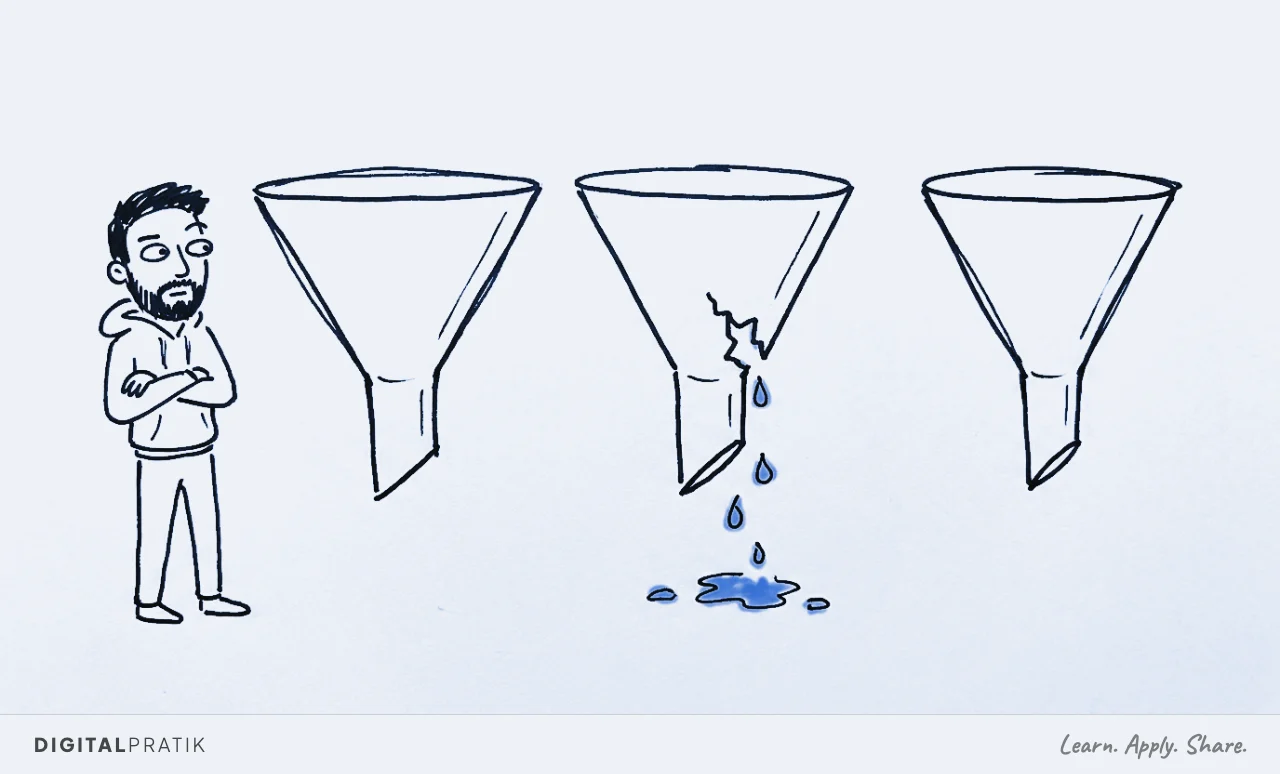
A Thousand Leads and Still No Sales
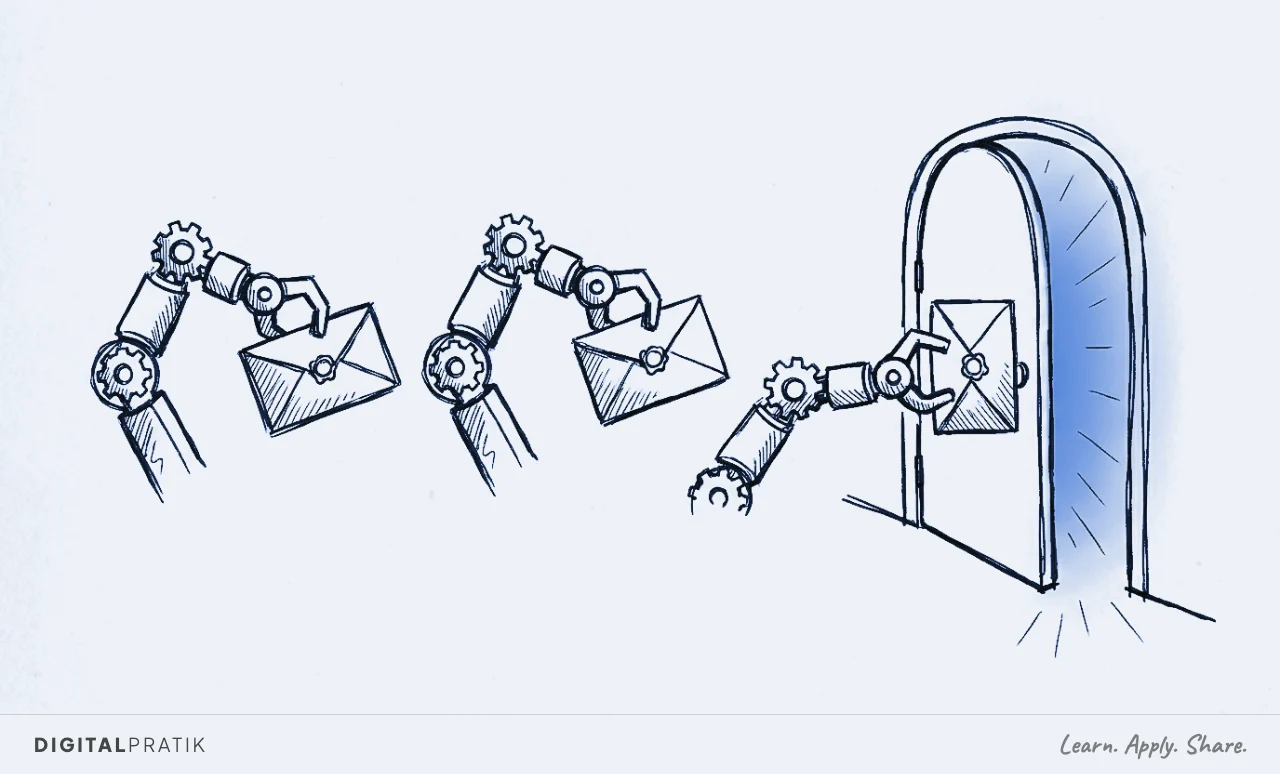
Here is what actually happens when a funnel relies entirely on automation for the first touchpoint. The lead opts in.
They get an email. Then another.
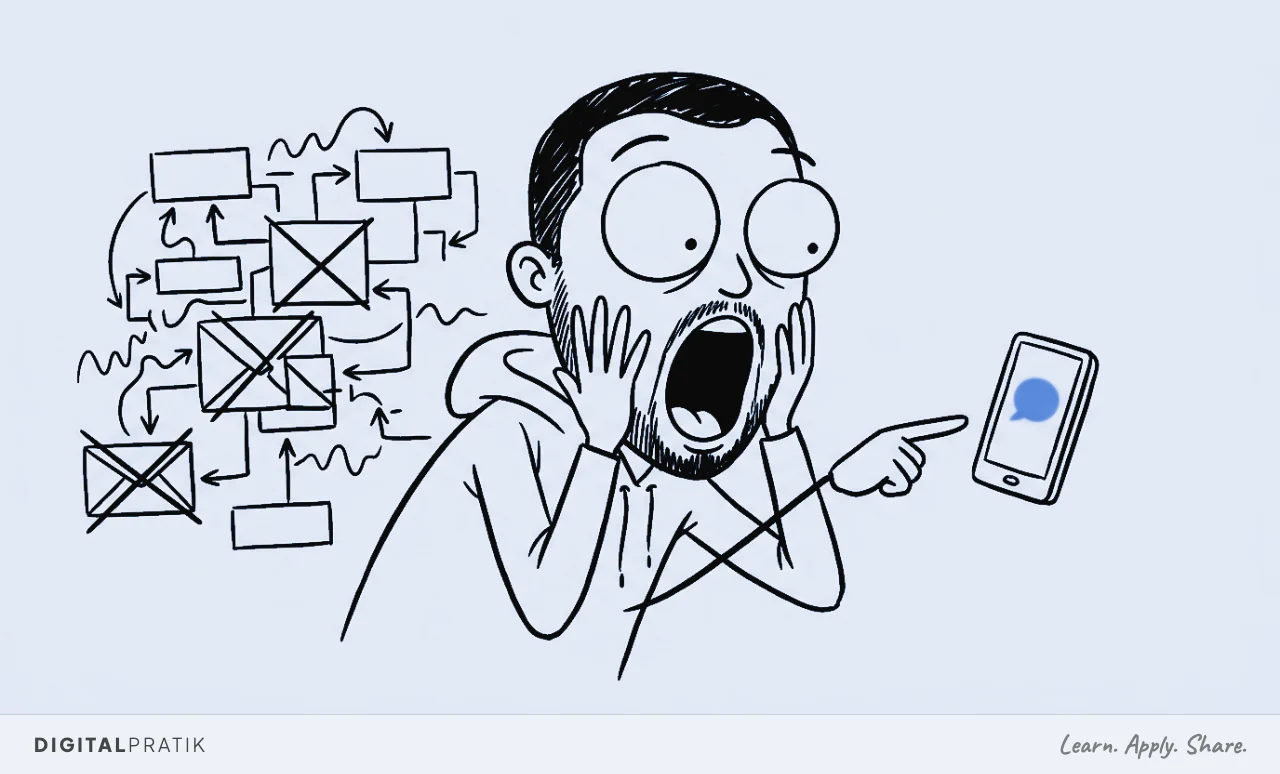
By the third email they have mentally categorized you as a newsletter, not a business. The window where they were warm, curious, and open has already closed.
Not because your offer was wrong. Not because the targeting missed.
But because the first thing they experienced after raising their hand was a machine. That feeling is hard to shake.
The trust a human reply would have built in five minutes takes weeks of content to rebuild, if it rebuilds at all.
Why Paid Ad Leads Are Different
A person who finds you organically, reads your content for months, and then opts in already trusts you. They have been in your world.
They know your voice. The automated sequence is a formality for them.
A paid ad lead is a different situation. They saw a creative, something in it spoke to their pain, and they clicked.
They do not know you yet. They are curious but skeptical.
The trust gap between you and them is at its widest right at the moment of opt-in. That is the exact moment most businesses deploy a generic automated email and walk away.
The First 24 Hours Are the Trust Window
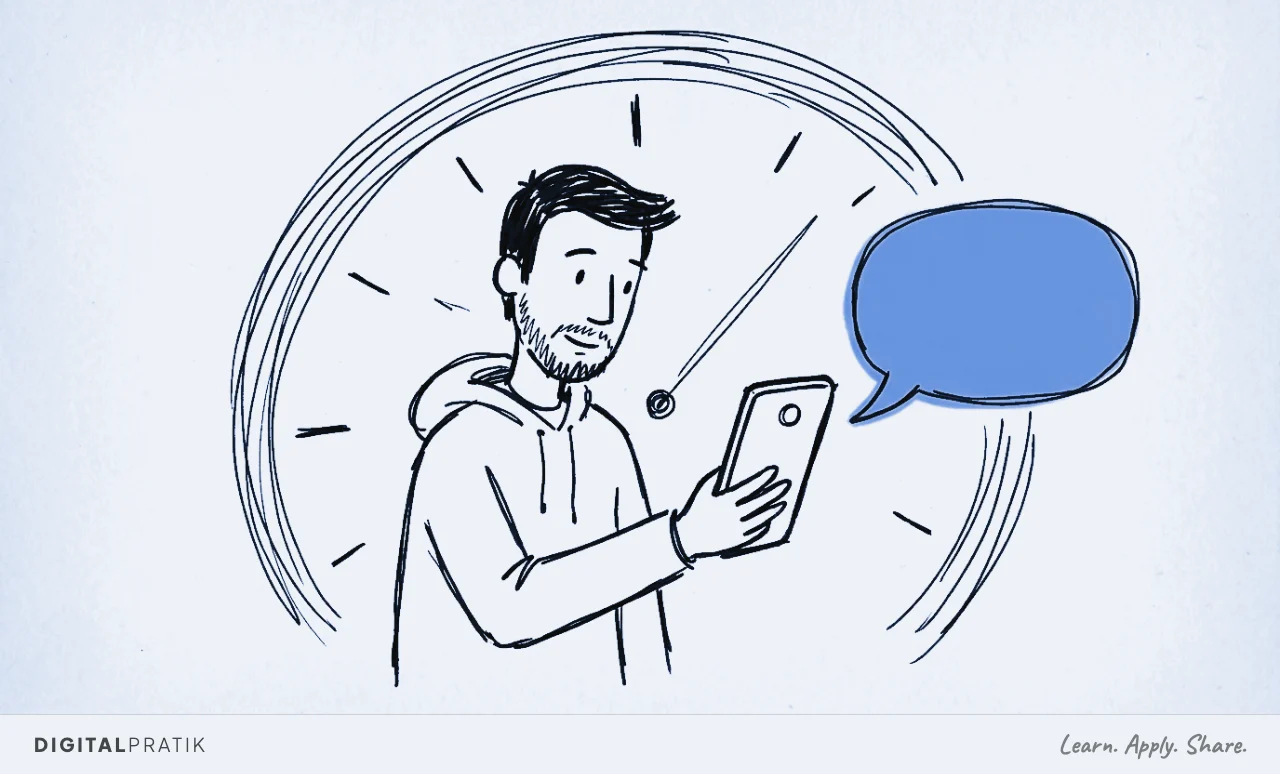
Interest is perishable. A lead who opts in at 2 PM on a Tuesday and hears nothing personal by Wednesday morning has already moved on mentally.
They are still on your list. But they are no longer in the emotional state they were in when they clicked.
The curiosity that drove the click does not stay warm on its own. It needs a signal from you that a real person received their interest.
One reply, one WhatsApp message, one voice note, anything that proves a human being is on the other end, changes the conversation. It does not need to be long.
It does not need to be a pitch. It just needs to be real.
Automation Is the Run, Not the Open
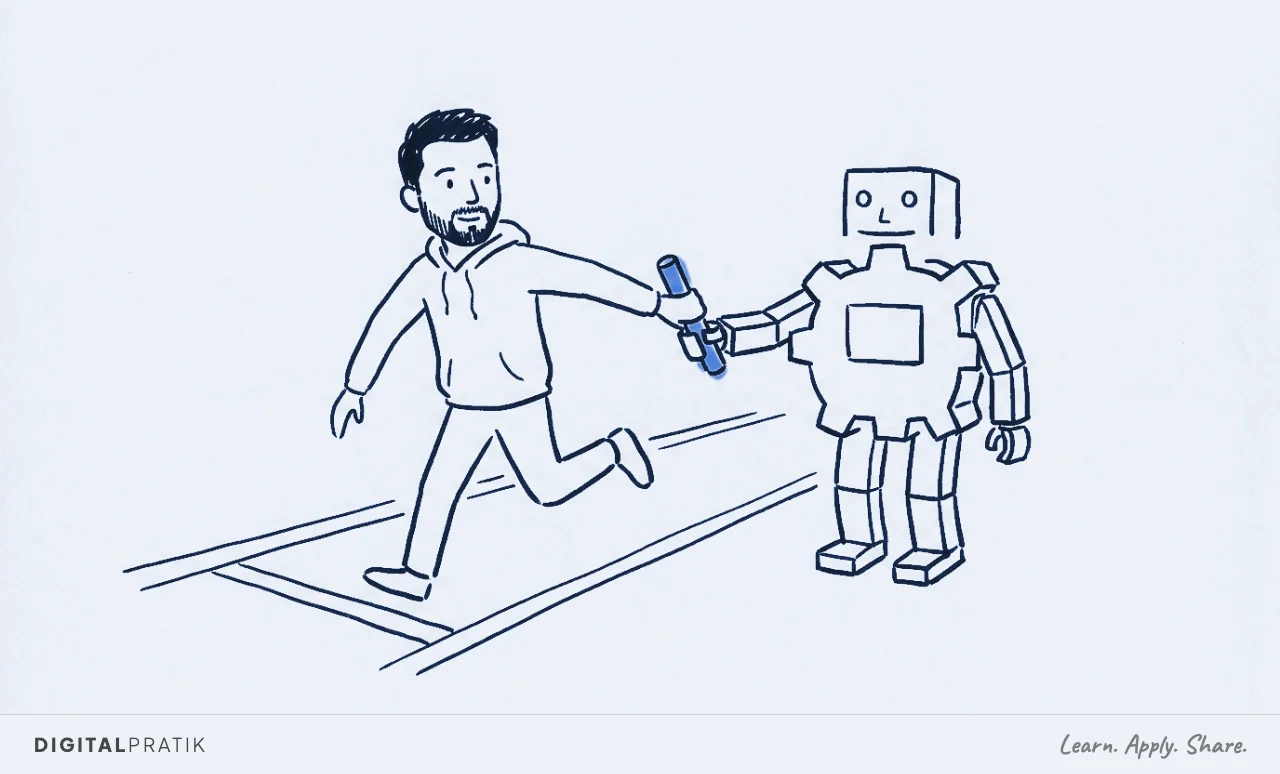
The 3A Machine I teach is AI to build, automation to run, ads to scale. Automation is the run phase.
It handles the sequences, the reminders, the content delivery, the onboarding after someone says yes. But the open, that first moment of contact with a new lead, is a human job.
Automation cannot read hesitation. It cannot catch the signal that a lead is almost ready but has one unspoken objection.
A human can. That is not a criticism of automation.
Automation is what makes a business scalable. But using automation as a replacement for the first human touchpoint is using the right tool in the wrong place.
- Automation does well: delivering promised content, sending reminders, nurturing leads across weeks, onboarding confirmed clients, triggering follow-up sequences based on behavior.
- Automation does poorly: reading a hesitant lead, catching a specific objection, building trust with someone who does not yet know you, making a skeptical person feel heard.
- The human does well: the first reply, the qualification question, the moment when a lead is warm and a real conversation would move them forward.
- The human does poorly: remembering to follow up with fifty leads at once, sending the sixth touchpoint at exactly the right interval, running at scale without a system.
What a Real Reply Actually Does
A human reply in the first 24 hours does one thing above everything else. It confirms that a real business exists on the other side of the form.
That sounds obvious. But for a lead who just opted in after seeing a paid ad, it is not obvious at all.
They clicked something. They gave their information.
And now they are waiting to see if this is real or just another funnel that will spam them until they unsubscribe. One genuine reply from a real person answers that question.
It says: we are here, we saw your interest, and we are not a bot. That single moment of confirmation changes the quality of every touchpoint that follows.
The Opt-In Is an Invitation, Not a Commitment
There is a narrow window after a paid ad opt-in where the lead's guard is lower than it will ever be again. They just made an active choice.
They clicked. They filled in their details.
That action represents intention, and intention is the warmest signal you will get from a cold lead. Most businesses receive that signal and respond with a machine.
The machine sends a welcome email that looks like every other welcome email the lead has ever received. And the intention cools.
A human reply catches that intention while it is still warm. It is the highest-leverage move available to a business running paid ads, and most businesses are not making it.
Reading about a system and running one are different jobs. If you are a founder doing $50k a month or more, this is what a working session looks like.
The Three Things Your First Reply Needs to Do
A good first reply is not complicated. But it has to do three specific things, or it wastes the moment.
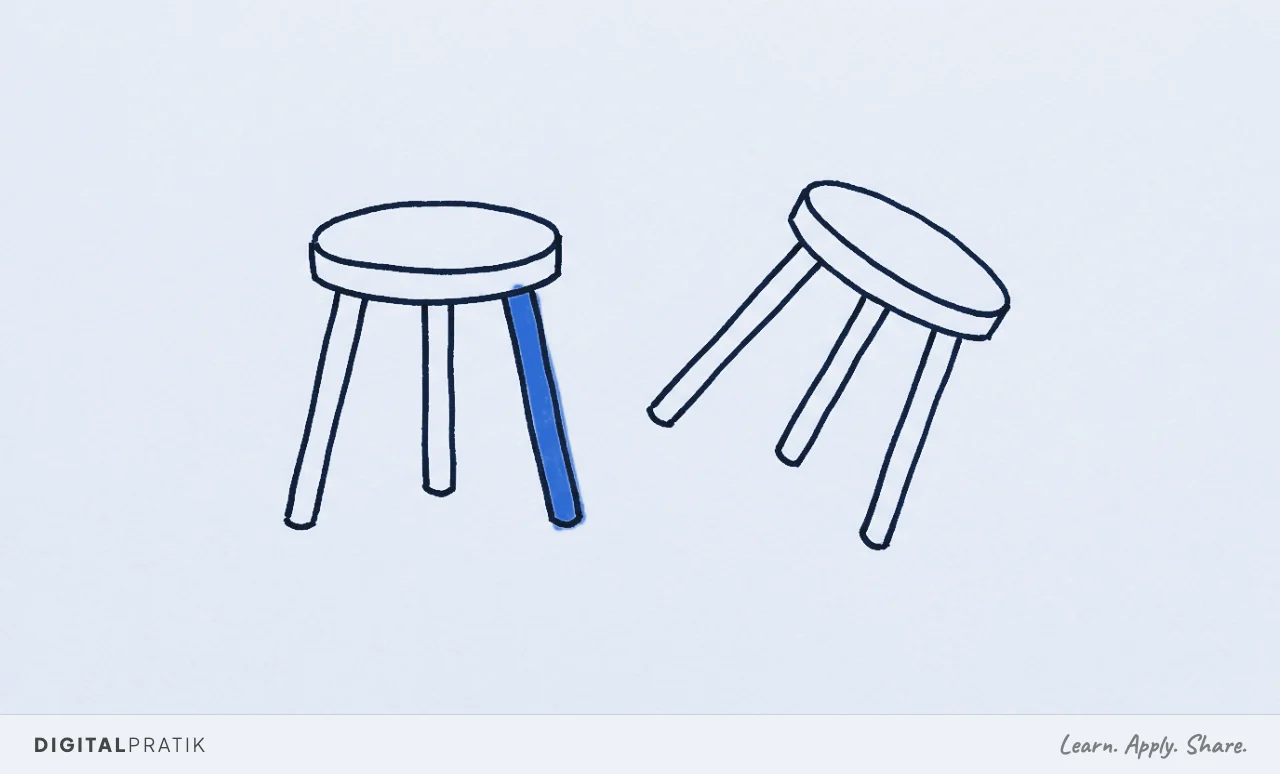
- Confirm receipt. Let them know a real person saw their opt-in. Not a system notification. A human acknowledgment.
- Ask one qualifying question. Something specific to their situation and the problem you solve. This opens a real conversation and tells you where they actually are.
- Remove the pitch. The first reply is not a close. It is a conversation starter. The moment you pitch in the first reply, the trust you just built gets replaced with resistance.
When to Hand Back to Automation
The human touchpoint belongs at the front of the relationship. Once the first reply has been exchanged and you understand where the lead is, automation can carry the load.
If they are not ready now, a sequence keeps you present. If they need more information before deciding, content delivery runs on autopilot.
If they go quiet, a re-engagement trigger fires without you having to remember to follow up. This is the correct order.
Human opens the relationship. Automation runs it.
The mistake most businesses make is flipping that order and letting automation open a relationship that requires a human.
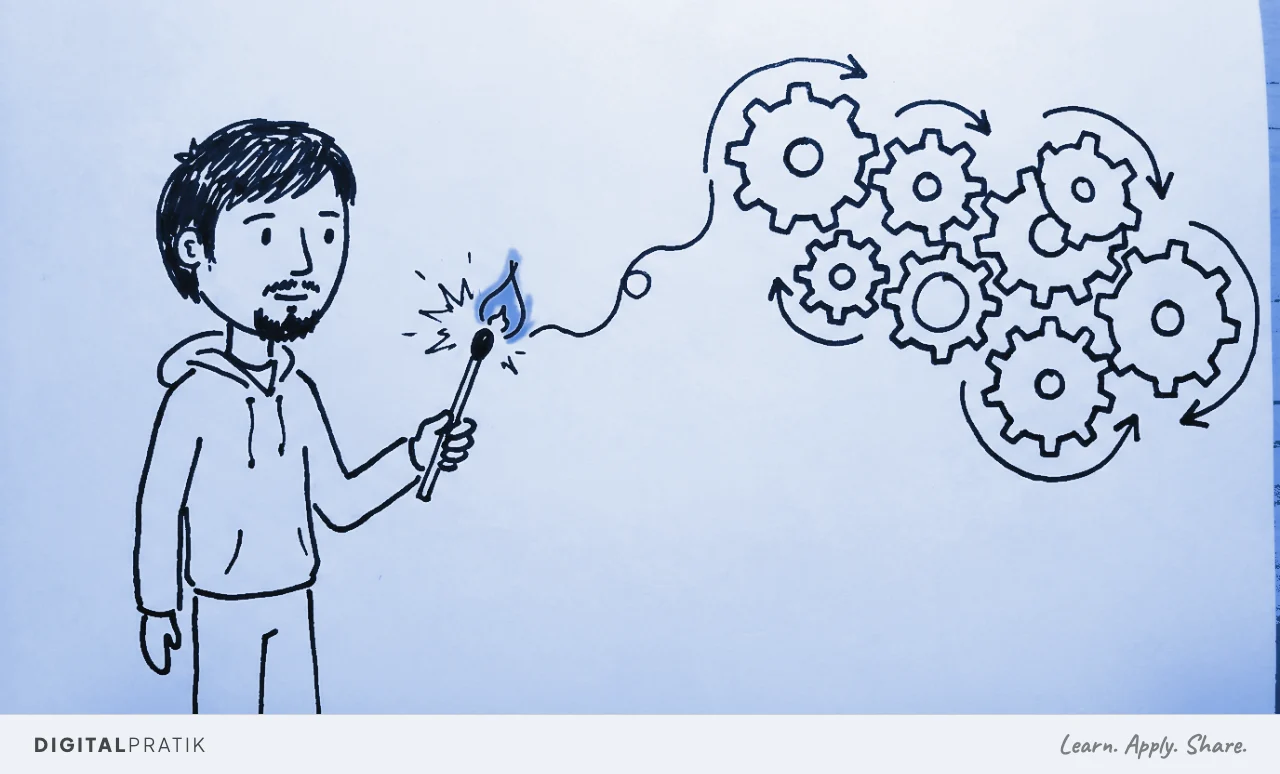
The Trap: Blaming Lead Quality for a Conversion Problem
When a pipeline full of leads does not convert, the instinct is to go back to the ad account and fix the targeting. Sometimes that is the right call.
But most of the time, the targeting is fine. The leads are qualified.
The problem is what happens after they land. Blaming lead quality when the conversion process is broken is expensive.
You spend more on ads to get more leads, and those leads also do not convert, because the follow-up process has not changed. The conversion problem and the lead quality problem look identical from the outside.
But they have completely different solutions. Check the follow-up process before you check the targeting.
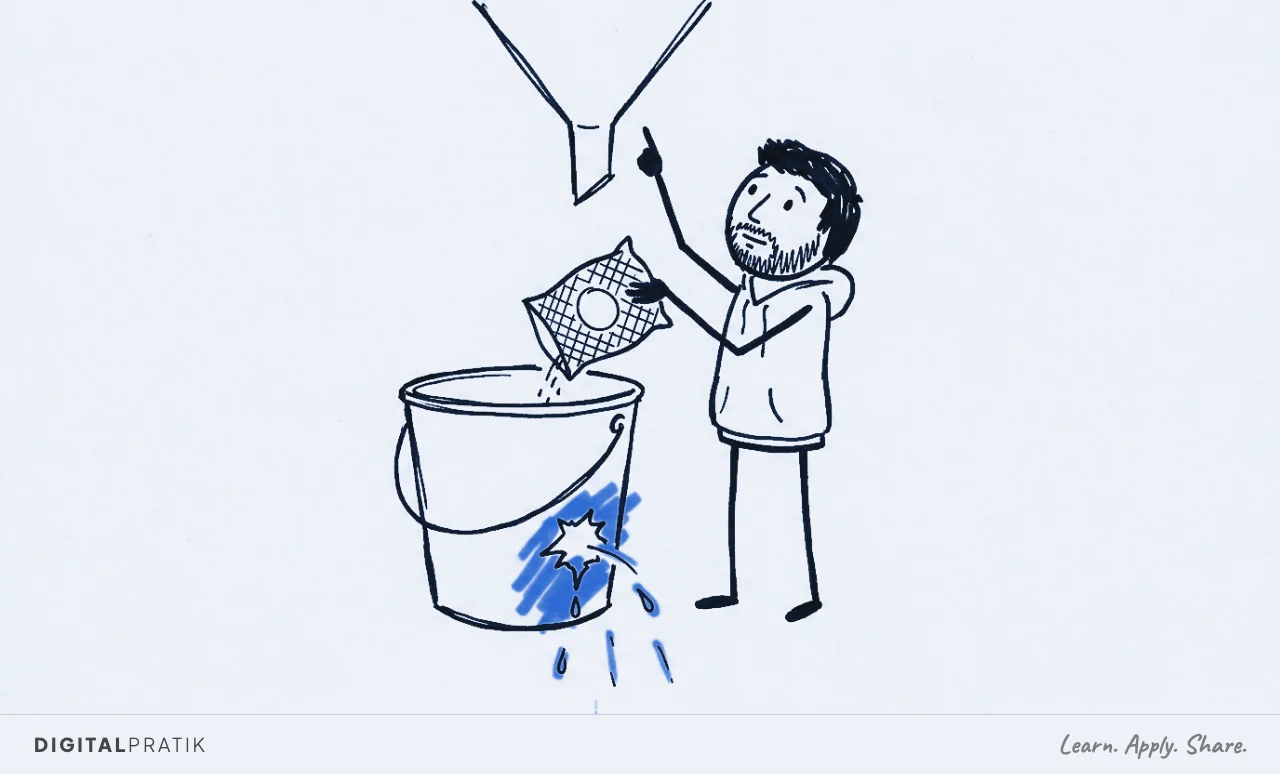
What This Looks Like in Practice
A lead opts in from a Meta ad. Automation does its job and sends the promised lead magnet or confirmation.
That is fine. Let the machine handle the delivery.
But within the same day, a real person from the business reaches out. A WhatsApp message.
A voice note. A short personalized email.
The message is simple: I saw your interest, and I have one question for you. No long pitch.
No immediate calendar link. Just a signal that a human being is paying attention. When we build this into our own client acquisition process, the quality of the conversation that follows changes completely.
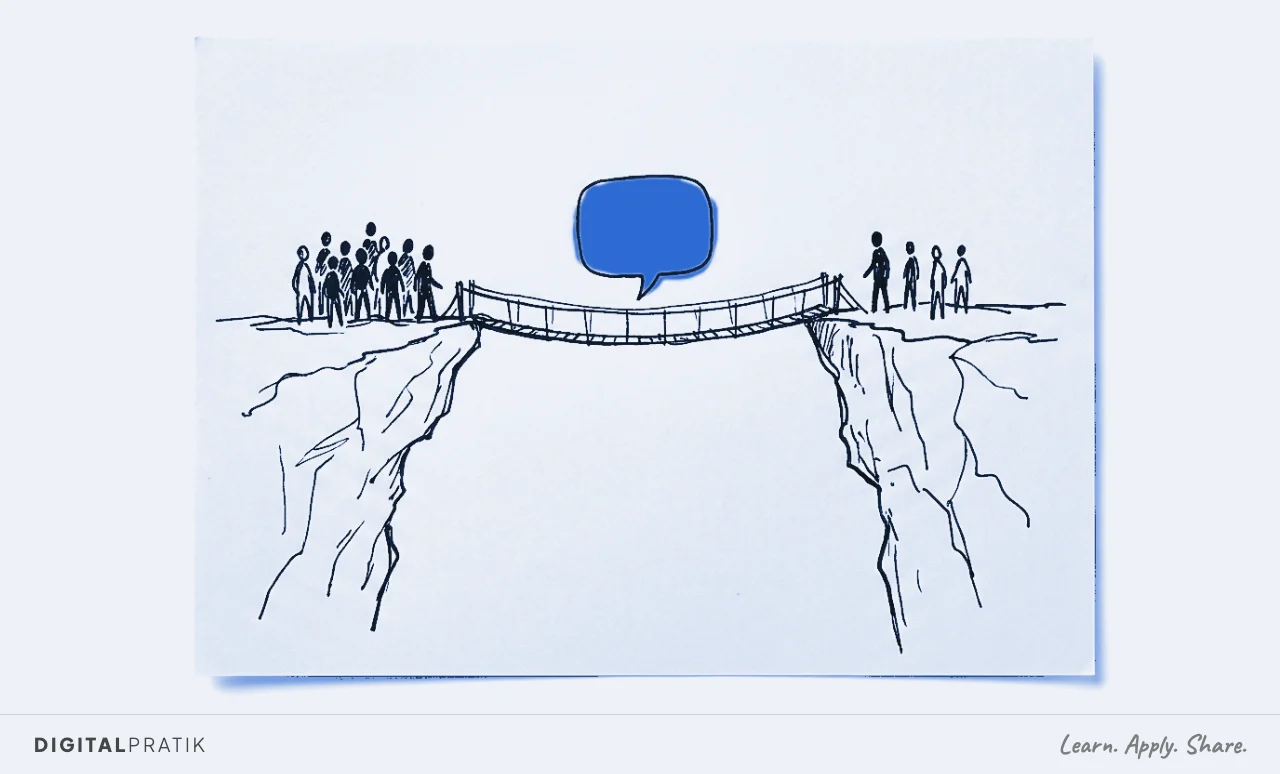
The Highest-Margin Move You Are Not Making
Most businesses optimizing paid funnels watch CPL, CTR, and ROAS. Those numbers matter.
But the conversion rate from opt-in to real conversation is often the most broken number and the least watched one. One genuine human reply in the first 24 hours costs almost nothing.
No new tool. No new ad budget.
No new sequence. Just a person sending a message.
The businesses that do this consistently find that the gap between lead volume and closed clients narrows. Not because they spent more on ads, but because they stopped letting the warmest moment in the buyer journey go unanswered.
That is the difference between a funnel and a real business.
Frequently asked questions
Within the same day the opt-in happens, ideally within a few hours. The lead's interest is warmest right after they take action. A same-day reply catches them while they are still in that headspace. A reply that arrives two days later is reaching a different version of the same person.
Automation and the human reply are not competing with each other. Let automation handle the delivery of what you promised: the welcome email, the lead magnet, the confirmation. Then add a human reply on top. Once the human conversation has opened, automation can carry the nurture sequence forward. The sequence just needs to start with a person, not a machine.
Keep it short and ask one real question. Acknowledge their opt-in, name the specific problem your offer addresses, and ask where they are with that problem right now. Do not pitch and do not send a calendar link as your opening message. The goal of the first reply is to start a real conversation, not to close a sale.
Look at what happens after the opt-in, not before it. If leads are opting in but not responding to follow-up, the conversion process is broken. If leads are engaging but not buying, the offer or the sales conversation needs work. Only if the leads are clearly misaligned with your offer is it a targeting issue. Check the follow-up first.
An AI-generated reply that sounds like a template will not do what a human reply does. The point of the human touchpoint is that it proves a real person is on the other side. If your message reads like every other funnel reply, it will be treated like every other funnel reply. If you use AI to assist with writing it, make sure the output is specific to the person's situation and sounds like a real human wrote it.
Install this in your business
An article gives you the map. A working session gives you the system, built around what you actually sell and who actually buys it.